
advantage
US /ædˈvæntɪdʒ/
UK /əd'vɑ:ntɪdʒ/
- Noun (Countable/Uncountable)
- Thing making the chance of success higher
- A positive point about something
- Transitive Verb
- To make use of something, especially to further one's own position; exploit.
A2TOEICMorealternative
US /ɔlˈtɚnətɪv, æl-/
UK /ɔ:lˈtɜ:nətɪv/
- Countable Noun
- Something different you can choose
- Adjective
- A different choice
A2TOEICMoreartificially
US /ˌɑrtəˈfɪʃəlɪ/
UK /ˌɑ:tɪ'fɪʃəlɪ/
- Adverb
- Not naturally; made by people
B1Moreat the end of the day
US
UK
- Phrase
- Ultimately; when everything else is considered.
- After a day's work or activities.
A1Moreat the same time
US
UK
- Phrase
- Simultaneously; at the identical moment.
- Nevertheless; however; used to introduce a contrasting or qualifying statement.
A1Moreback into
US /bæk ˈɪntu/
UK /bæk ˈɪntuː/
- Phrasal Verb
- To drive a vehicle backwards into a space or area.
- To accidentally collide with something while moving backwards.
A1Morebeneficial
US /ˌbɛnəˈfɪʃəl/
UK /ˌbenɪˈfɪʃl/
- Adjective
- Giving an advantage, having a helpful effect
- Promoting or contributing to physical or mental well-being.
B1TOEICMorebond
US /bɑnd/
UK /bɒnd/
- Noun (Countable/Uncountable)
- Rope, chain or other thing used to tie someone up
- Closeness that is shared between people or groups
- Verb (Transitive/Intransitive)
- To develop a close relationship with
- To become joined or connected, e.g. using glue
A2TOEICMorecollapse
US /kəˈlæps/
UK /kə'læps/
- Verb (Transitive/Intransitive)
- To fold (e.g. a stroller) down to make it smaller
- To suddenly fall down or break apart into pieces
- Noun
- The sudden failure of a structure or system.
- The sudden failure of a bodily organ or function.
B1Morecompete
US /kəmˈpit/
UK /kəmˈpi:t/
- Intransitive Verb
- To try to beat others at something, e.g. a race
- To try to gain something by defeating or establishing superiority over others.
A2Morecompetitor
US /kəmˈpɛtɪtɚ/
UK /kəmˈpetɪtə(r)/
- Countable Noun
- Someone taking part in race, business, etc.
- Someone who takes part in a contest or competition.
B1Morecompromise
US /ˈkɑmprəˌmaɪz/
UK /'kɒmprəmaɪz/
- Verb (Transitive/Intransitive)
- To weaken your position or views
- To lessen your demands so as to reach agreement
- Noun (Countable/Uncountable)
- When you lessen your demands to get agreement
B1Morecurrency
US /ˈkɚrənsi, ˈkʌr-/
UK /'kʌrənsɪ/
- Uncountable Noun
- Widespread acceptance
- Money system that a country uses
B1Morediscourage
US /dɪˈskɚrɪdʒ, -ˈskʌr-/
UK /dɪs'kʌrɪdʒ/
- Transitive Verb
- To make a person feel less courageous or hopeful
- To try to prevent something from happening
B1TOEICMoreexponentially
US /ˌekspə'nenʃəlɪ/
UK /ˌekspə'nenʃəlɪ/
- Adverb
- (Of an increase) at a faster and faster rate
- At an increasingly rapid rate; extremely quickly.
C1Moreextremely
US /ɪk'strimlɪ/
UK /ɪkˈstri:mli/
- Adverb
- In a way that is much more than usual or expected
- Remarkably; unusually.
B1Morefavorable
US /ˈfevərəbəl, ˈfevrə-/
UK /'feɪvərəbl/
- Adjective
- When a good result or positive outcome is likely
B2TOEICMoreflow
US /flo/
UK /fləʊ/
- Intransitive Verb
- To move steadily and easily in a certain direction
- Uncountable Noun
- Amount of something that moves through an area
A2Morefor example
US
UK
- Phrase
- As an illustration or instance.
for the rest
US /fɔr ði rɛst/
UK /fɔ: ðə rest/
- Phrase
- Concerning the remaining people or things.
- During the remaining part of a period of time.
A1Morego out
US /ɡo aʊt/
UK /ɡəu aut/
- Phrase
- To leave a building (e.g. a house)
- Phrasal Verb
- (Of a fire) to burn out; be extinguished
- Go out of fashion to stop being fashionable
A1Morehave to
US /hæv tu/
UK /ˈhæv tə/
- Auxiliary Verb
- Must do
A1Moreimpose
US /ɪmˈpoʊz/
UK /ɪmˈpəʊz/
- Transitive Verb
- To make someone to do or endure something
A2TOEICMorein fact
US /ɪn fækt/
UK /in fækt/
- Adverb
- Used to emphasize the truth of a statement, especially one that contrasts with or contradicts something else.
- Used to introduce a more detailed or surprising piece of information.
- Phrase
- Used to emphasize the truth of a statement, especially one that is surprising or contrary to what might be expected.
C1Morein the past
US
UK
- Phrase
- During a former period of time; previously.
A1Morein the world
US /ɪn ði wɜrld/
UK /in ðə wɜː(r)ld/
- Phrase
- Used to emphasize a question expressing surprise, confusion, or disbelief.
- Used to indicate the extent or degree of something, often in a superlative sense.
A1Moreinnovate
US /ˈɪnəˌvet/
UK /ˈɪnəveɪt/
- Verb (Transitive/Intransitive)
- To introduce or create new things or make changes
B1TOEICMoreinvest
US /ɪnˈvɛst/
UK /ɪn'vest/
- Transitive Verb
- To use resources to build for the future
A2TOEICMorekick
US /kɪk/
UK /kɪk/
- Noun
- Feeling of enjoyment or excitement
- Transitive Verb
- To hit or move something with the foot
A2Morelook at
US /lʊk æt/
UK /luk æt/
- Phrasal Verb
- To use your eyes to focus on something
- To focus your eyes on something carefully
A1Moremortgage
US /ˈmɔrɡɪdʒ/
UK /'mɔ:ɡɪdʒ/
- Noun (Countable/Uncountable)
- Long-term loan from a bank for buying property
- A legal agreement in which you borrow money in order to buy a house using the house as a guarantee
- Transitive Verb
- To borrow money to buy a house, giving the lender the right to take ownership of the property if you cannot pay the debt
B1TOEICMoremultiple
US /ˈmʌltəpəl/
UK /ˈmʌltɪpl/
- Adjective
- Having or involving more than one of something
- Having or involving several parts, elements, or members.
- Countable Noun
- Number produced by multiplying a smaller number
- A number of identical circuit elements connected in parallel or series.
B1Moremutually
US /ˈmjuːtʃuəli/
UK /ˈmju:tʃuəli/
- Adverb
- So as to be shared by two or more people/things
B1Moreof course
US /ʌv kɔː(r)s/
UK /ɔv kɔː(r)s/
- Adverb
- Sure ; Certainly
- Phrase
- For sure; certainly
A2Moreonwards
US /ˈɑ:nwərdz/
UK /ˈɒnwədz/
- Adverb
- Moving toward a future (often better) time/place
B1Moreout there
US /aʊt ðɛr/
UK /aut ðɛə/
- Adverb
- In or to a place that is far away
- Existing in the universe
- Adjective
- Unconventional; strange; avant-garde
- Existing or available.
A1Moreover time
US /ˈovɚ taɪm/
UK /ˈəuvə taim/
- Phrase
- Gradually; as time passes.
- During a long period.
- Adverb
- Gradually; as time passes.
B1Morepolicy
US /ˈpɑlɪsi/
UK /'pɒləsɪ/
- Noun
- Document stating terms of an insurance agreement
- Course of action proposed by an organization, etc.
A2TOEICMoreprofitable
US /ˈprɑ:fɪtəbl/
UK /ˈprɒfɪtəbl/
- Adjective
- Being useful; benefiting someone or something
- Making more money than it cost to make
A2TOEICMorereduce
US /rɪˈdus, -ˈdjus/
UK /rɪ'dju:s/
- Verb (Transitive/Intransitive)
- To try to decrease, e.g. your weight if overweight
- To boil a liquid until it has decreased in amount
A2TOEICMorereserve
US /rɪˈzɚv/
UK /rɪ'zɜ:v/
- Transitive Verb
- To arrange for a room or table be kept for you
- To not use all of, so you can use it later
- Noun (Countable/Uncountable)
- Area of land set aside as for a people
- Park or area for wildlife to roam free
A2Moresame time
US
UK
- Phrase
- Occurring simultaneously or at the same point in time.
- At the identical time as before; recurring at a fixed hour.
- Noun
- An equal duration or period.
A1Moresanction
US /ˈsæŋkʃən/
UK /'sæŋkʃn/
- Noun (Countable/Uncountable)
- Official support or approval
- Action taken to force a country to obey laws
- Transitive Verb
- To allow or approve something
B2TOEICMorestagnate
US /ˈstæɡˌnet/
UK /stæɡ'neɪt/
- Intransitive Verb
- To stop moving, developing, or making progress
C1Morestock
US /stɑk/
UK /stɒk/
- Noun (Countable/Uncountable)
- Animals such as cattle kept for breeding
- Merchandise; goods kept by a business for sale
- Uncountable Noun
- Tasty liquid added to stews, soups etc.
B2TOEICMoresuch as
US /sʌtʃ æz/
UK /sʌtʃ æz/
- Preposition
- For example; like
A1Moretalking about
US
UK
- Phrasal Verb
- To discuss a particular topic.
- To be constantly mentioning or bringing up a subject.
A1Moretariff
US /ˈtærɪf/
UK /'tærɪf/
- Noun (Countable/Uncountable)
- List of fixed prices at hotel
- Tax that a government collects on imported goods
B2Morethreaten
US /ˈθrɛtn/
UK /ˈθretn/
- Transitive Verb
- To cause something potential harm, or put at risk
- To say you may harm or hurt someone
A2Moretrade
US /treid/
UK /treɪd/
- Noun (Countable/Uncountable)
- A specific industry, e.g. shoe making
- Action of buying and selling things in business
- Transitive Verb
- To buy, sell and exchange goods in business
- To give something in return for something else
A2TOEICMoreunion
US /ˈjunjən/
UK /'ju:nɪən/
- Noun (Countable/Uncountable)
- Act of joining two or more things into one
- Marriage
- Proper Noun
- The United States of America, especially during the Civil War.
A2TOEICMoreunprofitable
US
UK
- Adjective
- Producing little or no profit or gain
B1Moreused to
US /juzd tu/
UK /ˈju:st tə/
- Adjective
- Did regularly before, but don't do now
- Auxiliary Verb
- Have done before, but do not do now
A1More
Vocabulary
- look at: To use your eyes to focus on something
- in the world: Used to emphasize a question expressing surprise, confusion, or disbelief.
- over time: Gradually; as time passes.
- of course: Sure ; Certainly
- used to: Did regularly before, but don't do now
- talking about: To discuss a particular topic.
- go out: To leave a building (e.g. a house)
- in fact: Used to emphasize the truth of a statement, especially one that contrasts with or contradicts something else.
- for the rest: Concerning the remaining people or things.
- such as: For example; like
- back into: To drive a vehicle backwards into a space or area.
- at the same time: Simultaneously; at the identical moment.
- same time: Occurring simultaneously or at the same point in time.
- at the end of the day: Ultimately; when everything else is considered.
- out there: In or to a place that is far away
- have to: Must do
- for example: As an illustration or instance.
- in the past: During a former period of time; previously.
- extremely: In a way that is much more than usual or expected
- multiple: Having or involving more than one of something
- alternative: Something different you can choose
- compromise: To weaken your position or views
- term: Conditions applying to an agreement, contract
- force: Group of persons trained for military action; army
- advantage: Thing making the chance of success higher
- treat: To pay for the food or enjoyment of someone else
- mortgage: Long-term loan from a bank for buying property
- bond: Rope, chain or other thing used to tie someone up
- currency: Widespread acceptance
- collapse: To fold (e.g. a stroller) down to make it smaller
- simply: In an easy or clear manner
- stock: Animals such as cattle kept for breeding
- raise: To increase a bet above another when playing cards
- value: Importance you attach to something
- rest: Time when one relaxes, sleeps, or is inactive
- rate: To assess something or consider its qualities
- invest: To use resources to build for the future
- trade: A specific industry, e.g. shoe making
- economy: Using money, resources in a careful, effective way
- reduce: To try to decrease, e.g. your weight if overweight
- tariff: List of fixed prices at hotel
- compete: To try to beat others at something, e.g. a race
- lot: What happens to a person in life from chance; fate
- reserve: To arrange for a room or table be kept for you
- profitable: Being useful; benefiting someone or something
- policy: Document stating terms of an insurance agreement
- single: One run in cricket or a hit baseball
- flow: To move steadily and easily in a certain direction
- beneficial: Giving an advantage, having a helpful effect
- sanction: Official support or approval
- impose: To make someone to do or endure something
- system: Set of organized, planned ideas that work together
- allow: To admit the validity or truth of something
- simple: Not hard to understand or do; not complex
- continue: To do something without stopping, or after pausing
- threaten: To cause something potential harm, or put at risk
- kick: Feeling of enjoyment or excitement
- exponentially: (Of an increase) at a faster and faster rate
- union: Act of joining two or more things into one
- mutually: So as to be shared by two or more people/things
- discourage: To make a person feel less courageous or hopeful
- competitor: Someone taking part in race, business, etc.
- favorable: When a good result or positive outcome is likely
- innovate: To introduce or create new things or make changes
- artificially: Not naturally; made by people
- stagnate: To stop moving, developing, or making progress
- onwards: Moving toward a future (often better) time/place
- unprofitable: Producing little or no profit or gain
Get the full experience in the app
Learn anywhere with detailed sentence and usage analysis
01:03
She took a brave step forward, leaving behind her comfort zone to chase her dreams.
Vocabulary
- brave
adj. Having courage
- comfort zone
phr. A familiar situation where one feels safe
Explanation
a brave step is a noun phrase, where brave is an adjective modifying the noun step, meaning "a courageous step".
forward is an adverb modifying step, meaning "ahead".
The whole phrase serves as the object, answering the "what" of took (verb) — she took a brave step forward.
Get the full experience in the app
Look up words anytime with pronunciation, part of speech, and usage
brave
US/brev/
UK/breɪv/
adj.Brave
v.t.To bravely face
A2 Elementary
Get the full experience in the app
Practice speaking anytime and get instant pronunciation feedback
Try this speaking exercise.
Try practicing with this sentence.
80
0
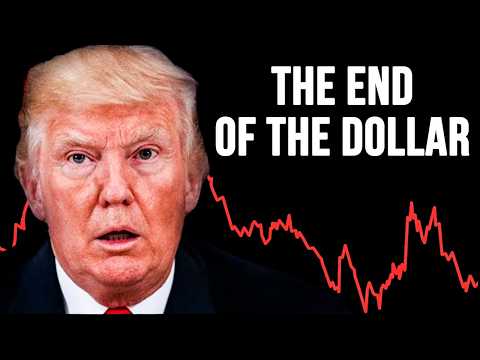
林宜悉 posted on 2025/08/09Ever wondered how trade deals could impact the US dollar? This video dives deep into why Trump's trade policies might shake up the global economy, explaining complex ideas like de-dollarization and tariffs. You'll pick up some advanced vocabulary related to international finance and economics along the way!
Learn this video on the APP!
The VoiceTube App has more in-depth practice for videos!