
absolute
US /ˈæbsəˌlut/
UK /ˈæbsəlu:t/
- Adjective
- Complete; total; pure; not limited in any way
- Not capable of being doubted or questioned; certain.
- Noun (Countable/Uncountable)
- Something that is complete, total, pure, certain
- (in philosophy) a concept of an ultimate, unconditional reality
A2Moreactual
US /ˈæktʃuəl/
UK /ˈæktʃuəl/
- Adjective
- Real or existing in fact, not imagined; real
- Current; existing at the present time.
A2TOEICMoreafter all
US /ˈæftɚ ɔl/
UK /ˈɑ:ftə ɔ:l/
- Adverb
- In spite of what was expected; used to introduce a statement that supports a previous statement or explains why it was made
- Considering everything; used to indicate that something is happening or is true despite some difficulty or obstacle
- Phrase
- Despite what was expected or thought; in spite of everything.
- Taking everything into consideration; considering that.
B1Morealgorithm
US /ˈælɡəˌrɪðəm/
UK /'ælɡərɪðəm/
- Noun
- A step-by-step problem-solving feature
B2Moreanime
US /ˈænəˌme/
UK /ˈænɪmeɪ/
- Noun
- A form of Japanese animation
C2Morearsenal
US /ˈɑrsənəl/
UK /'ɑ:sənl/
- Noun (Countable/Uncountable)
- Place where weapons are stored
- Noun
- (figurative) set of skills, tools, or strategies someone has at their disposal to achieve a goal or overcome a challenge.
C2Moreas opposed to
US
UK
- Preposition
- In contrast to; rather than.
- Instead of; in place of.
A1Moreaudio
US /ˈɔ:dioʊ/
UK /ˈɔ:diəʊ/
- Adjective
- Concerning sound
- Uncountable Noun
- Sound, especially when recorded or transmitted.
B2TOEICMorebasically
US /ˈbesɪkəli,-kli/
UK /ˈbeɪsɪkli/
- Adverb
- Used before you explain something simply, clearly
- In essence; when you consider the most important aspects of something.
A2Morebreak it to
US
UK
- Phrasal Verb
- To tell someone bad news.
A2Moreby itself
US /baɪ ɪtˈsɛlf/
UK /bai itˈself/
- Adverb
- Alone; without help or assistance.
- Without any external influence or aid.
A2Moreby now
US /baɪ naʊ/
UK /bai nau/
- Phrase
- At the present time or already; before the present.
A2Morebypass
US /ˈbaɪˌpæs/
UK /ˈbaɪpɑ:s/
- Transitive Verb
- To go around something; avoid
- Noun
- A road that goes around a town or village
B2Morecomponent
US /kəmˈponənt/
UK /kəmˈpəʊnənt/
- Noun (Countable/Uncountable)
- One of the parts that something is made up of
- A constituent part; ingredient.
- Adjective
- Being a part of something
A2Morecomprehensible
US /ˌkɑ:mprɪˈhensəbl/
UK /ˌkɒmprɪˈhensəbl/
- Adjective
- Able to be understood
B2Moreconsume
US /kənˈsum/
UK /kən'sju:m/
- Transitive Verb
- To eat, drink, buy or use up something
- To take all your energy; focus the attention
A2TOEICMorecontent
US /ˈkɑnˌtɛnt/
UK /'kɒntent/
- Adjective
- Being happy or satisfied
- In a state of peaceful happiness.
- Noun (Countable/Uncountable)
- Information in something, e.g. book or computer
- The subject matter of a book, speech, etc.
A2Moreconversation
US /ˌkɑnvɚˈseʃən/
UK /ˌkɒnvəˈseɪʃn/
- Uncountable Noun
- Talking with other people; discussion or chat
- General communication or interaction.
A2Morecooking with gas
US /ˈkʊkɪŋ wɪθ ɡæs/
UK /ˈkʊkɪŋ wɪð ɡæs/
- other
- Working efficiently and effectively, making good progress.
B2Moredepending on
US
UK
- Phrasal Verb
- To rely on for support (financial or emotional)
- Influenced or determined by.
- Preposition
- Subject to; contingent on
- Relying on someone or something for support or assistance.
A2Morediffer
US /ˈdɪfɚ/
UK /'dɪfə(r)/
- Intransitive Verb
- To be different; to be not like others
- Disagree; be of a different opinion.
B1Morefluency
US /ˈfluːənsi/
UK /ˈflu:ənsi/
- Uncountable Noun
- Ability to do something well and with ease
- Ability to speak or write a language easily
B1TOEICMorefluent
US /'fluːənt/
UK /ˈflu:ənt/
- Adjective
- Doing something well and with ease
- Able to speak or write a language fully and easily
B1TOEICMorefor example
US
UK
- Phrase
- As an illustration or instance.
for now
US /fɔr naʊ/
UK /fɔ: nau/
- Phrase
- Temporarily; for the present time.
- In the short term; for the immediate future.
A1Morefor the most part
US
UK
- Phrase
- Generally; mostly; on the whole.
- Mostly; generally; in most cases.
A1Morefoundation
US /faʊnˈdeʃən/
UK /faunˈdeiʃən/
- Noun (Countable/Uncountable)
- Base or important starting point
- Underground base on which building is constructed
C1TOEICMorefrequency
US /ˈfrikwənsi/
UK /'fri:kwənsɪ/
- Uncountable Noun
- Number of repetitions of (radio or sound) wave
- How often something happens
B1TOEICMoregrammar
US /ˈɡræmɚ/
UK /ˈgræmə(r)/
- Uncountable Noun
- Book describing the syntactic rules of a language
- Rules explaining how words are used in a language
B1Morehave to
US /hæv tu/
UK /ˈhæv tə/
- Auxiliary Verb
- Must do
A1Morehypothesis
US /haɪˈpɑθɪsɪs/
UK /haɪˈpɒθəsɪs/
- Noun
- A theory trying to explain something
- A supposition or proposed explanation made on the basis of limited evidence as a starting point for further investigation.
B1Moreimmersion
US /ɪˈmə:ʒən, -ʃən/
UK /ɪˈmɜ:ʒən, -ʃən/
- Uncountable Noun
- Complete mental attention, e.g. when reading
- The act of putting something completely under the surface of a liquid; the state of being completely under the surface of a liquid.
B1Morein line with
US /ɪn laɪn wɪð/
UK /in lain wið/
- Phrase
- In agreement with; conforming to.
- In the same direction or alignment as.
- Preposition
- In agreement or conformity with.
A2Morein the past
US
UK
- Phrase
- During a former period of time; previously.
A1Morein time
US /ɪn taɪm/
UK /in taim/
- Adverb
- Eventually; after a period of time.
- Not late; with enough time to spare.
- Phrase
- Eventually; before it is too late.
- According to the scheduled time; punctual.
A1Moreinstead of
US /ɪnˈstɛd ʌv/
UK /inˈsted ɔv/
- Preposition
- When one thing is replaced by another
- Adverb
- As a substitute or alternative.
A1Moreknow about
US /noʊ əˈbaʊt/
UK /nəʊ əˈbaut/
- Phrasal Verb
- To have information or understanding of a subject or situation.
make up
US /mek ʌp/
UK /meik ʌp/
- Phrasal Verb
- To invent or create a story
- To add up to
- Verb (Transitive/Intransitive)
- To invent a story, excuse, etc.
- To compensate for something lost, missed, or deficient.
A1Moremethod
US /ˈmɛθəd/
UK /'meθəd/
- Noun (Countable/Uncountable)
- (Organized and planned) way of doing something
- Orderliness of thought, arrangement, or behavior.
A2TOEICMorenegro
US
UK
- Noun
- Offensive; do not use a Black person
B2Moreno shame
US
UK
- Adjective
- Without a sense of embarrassment or guilt.
- Showing a lack of hesitation or embarrassment in a way that is admirable or amusing; bold.
- Phrase
- Without apology or regret.
A1Moreon the table
US /ɑn ði ˈtebəl/
UK /ɔn ðə ˈteibl/
- Phrase
- Located on the surface of a table.
- Available for consideration or discussion.
A1Moreout there
US /aʊt ðɛr/
UK /aut ðɛə/
- Adverb
- In or to a place that is far away
- Existing in the universe
- Adjective
- Unconventional; strange; avant-garde
- Existing or available.
A1Morepassive
US /ˈpæsɪv/
UK /ˈpæsɪv/
- Adjective
- Allowing things to happen with quiet acceptance
- With sentence's subject being what verb acts on
- Noun
- A person who is passive; one who does not actively participate or resist.
B1Morepick apart
US
UK
- Phrasal Verb
- To find faults/problems with by examining closely
A1Moreplatypus
US /ˈplætɪpəs/
UK /ˈplætɪpəs/
- Countable Noun
- Small Australian aquatic animal with a broad tail
C2Morepractice
US /ˈpræktɪs/
UK /'præktɪs/
- Noun
- The office and place for legal or medical work
- Doing something many times to become better at it
- Verb (Transitive/Intransitive)
- To work as a doctor or lawyer
- To live according to the teachings of a religion
A2TOEICMoreprogress
US /ˈprɑɡˌrɛs, -rəs, ˈproˌɡrɛs/
UK /'prəʊɡres/
- Verb (Transitive/Intransitive)
- To move forward or toward a place or goal
- To make progress; develop or improve.
- Uncountable Noun
- Act of moving forward
- The process of improving or developing something over a period of time.
A2TOEICMorepronunciation
US /prəˌnʌnsiˈeʃən/
UK /prəˌnʌnsiˈeɪʃn/
- Noun (Countable/Uncountable)
- How a word is said; how a word sounds
- The manner in which someone utters a word.
B1Morerank
US /ræŋk/
UK /ræŋk/
- Transitive Verb
- To rate or class things
- To assign a level or status, as of importance, to
- Noun
- Group of people with a certain level of status
- Level or position, as in society/sport competition
B1TOEICMorereality
US /riˈælɪti/
UK /rɪ'ælətɪ/
- Noun (Countable/Uncountable)
- What is true, as opposed to what is imagined
- The state of things as they actually exist, rather than as they may appear or might be imagined.
A2Morerepetition
US /ˌrɛpɪˈtɪʃən/
UK /ˌrepəˈtɪʃn/
- Noun (Countable/Uncountable)
- When something occurs again
- Saying something again
A2TOEICMoreretention
US /rɪˈtɛnʃən/
UK /rɪˈtenʃn/
- Uncountable Noun
- Act of holding something inside the body
- Act of keeping or holding someone or something
B2Moresimultaneously
US /saɪməlˈtenɪəslɪ/
UK /ˌsɪməl'teɪnɪəslɪ/
- Adverb
- At the same time; all together
B2Moresolid
US /ˈsɑlɪd/
UK /'sɒlɪd/
- Adjective
- Being able to be trusted; reliable
- Substance that is hard or of fixed shape
- Noun
- Something firm or hard; not gas or liquid
A2Morestraight
US /stret/
UK /streɪt/
- Adjective
- Not having curves, bends, or angles
- Not gay; heterosexual
- Adverb
- in a line; immediately; honestly and directly
- In a straight line; directly.
A2TOEICMorestructure
US /ˈstrʌk.tʃɚ/
UK /ˈstrʌk.tʃə/
- Noun (Countable/Uncountable)
- The way in which the parts of a system or object are arranged or organized, or a system arranged in this way
- A building or other man-made object.
- Transitive Verb
- To plan, organize, or arrange the parts of something
A2TOEICMorestuff
US /stʌf/
UK /stʌf/
- Uncountable Noun
- Generic description for things, materials, objects
- Transitive Verb
- To push material inside something, with force
B1Moretier
US /tɪr/
UK /tɪə(r)/
- Noun
- One of the rising rows of seats, e.g. in a stadium
- One in a series of levels in a system
- Transitive Verb
- To arrange in tiers.
B2Morevictim
US /ˈvɪktɪm/
UK /ˈvɪktɪm/
- Noun
- Person/thing affected by an unpleasant event
- Person feeling helpless in times of bad luck
B1TOEICMorewith it
US /wɪð ɪt/
UK /wið it/
- Adjective
- Intelligent, alert, and up-to-date.
- Understanding and knowledgeable about current trends or information.
A1More
Vocabulary
- after all: In spite of what was expected; used to introduce a statement that supports a previous statement or explains why it was made
- for example: As an illustration or instance.
- know about: To have information or understanding of a subject or situation.
- out there: In or to a place that is far away
- by now: At the present time or already; before the present.
- on the table: Located on the surface of a table.
- break it to: To tell someone bad news.
- for the most part: Generally; mostly; on the whole.
- for now: Temporarily; for the present time.
- in the past: During a former period of time; previously.
- make up: To invent or create a story
- instead of: When one thing is replaced by another
- cooking with gas: Working efficiently and effectively, making good progress.
- pick apart: To find faults/problems with by examining closely
- have to: Must do
- depending on: To rely on for support (financial or emotional)
- by itself: Alone; without help or assistance.
- in time: Eventually; after a period of time.
- in line with: In agreement with; conforming to.
- no shame: Without a sense of embarrassment or guilt.
- with it: Intelligent, alert, and up-to-date.
- as opposed to: In contrast to; rather than.
- stuff: Generic description for things, materials, objects
- pronunciation: How a word is said; how a word sounds
- content: Being happy or satisfied
- progress: To move forward or toward a place or goal
- practice: The office and place for legal or medical work
- simultaneously: At the same time; all together
- basically: Used before you explain something simply, clearly
- repetition: When something occurs again
- straight: Not having curves, bends, or angles
- structure: The way in which the parts of a system or object are arranged or organized, or a system arranged in this way
- conversation: Talking with other people; discussion or chat
- consume: To eat, drink, buy or use up something
- fluent: Doing something well and with ease
- solid: Being able to be trusted; reliable
- sentence: (Of a judge) to decide the punishment of
- reality: What is true, as opposed to what is imagined
- method: (Organized and planned) way of doing something
- immersion: Complete mental attention, e.g. when reading
- bit: Device put in a horse's mouth to control it
- component: One of the parts that something is made up of
- algorithm: A step-by-step problem-solving feature
- victim: Person/thing affected by an unpleasant event
- passive: Allowing things to happen with quiet acceptance
- brain: To strike someone forcefully on the head
- retention: Act of holding something inside the body
- hypothesis: A theory trying to explain something
- foundation: Base or important starting point
- grammar: Book describing the syntactic rules of a language
- fluency: Ability to do something well and with ease
- actual: Real or existing in fact, not imagined; real
- absolute: Complete; total; pure; not limited in any way
- favorite: A thing that someone likes best or enjoys most
- frequency: Number of repetitions of (radio or sound) wave
- lot: What happens to a person in life from chance; fate
- kind: In a caring and helpful manner
- order: Religious or social group, as of nuns
- arsenal: Place where weapons are stored
- learn: To get knowledge or skills by study or experience
- control: A device designed to operate a machine
- simple: Not hard to understand or do; not complex
- audio: Concerning sound
- language: Words or signs used to communicate messages
- steal: A bargain; something bought very cheaply
- active: Moving around a lot or doing many things
- great: Very good; better than before
- find: To become aware of something that is happening
- rank: To rate or class things
- anime: A form of Japanese animation
- comprehensible: Able to be understood
- bypass: To go around something; avoid
- differ: To be different; to be not like others
- tier: One of the rising rows of seats, e.g. in a stadium
- platypus: Small Australian aquatic animal with a broad tail
- negro: Offensive; do not use a Black person
Get the full experience in the app
Learn anywhere with detailed sentence and usage analysis
01:03
She took a brave step forward, leaving behind her comfort zone to chase her dreams.
Vocabulary
- brave
adj. Having courage
- comfort zone
phr. A familiar situation where one feels safe
Explanation
a brave step is a noun phrase, where brave is an adjective modifying the noun step, meaning "a courageous step".
forward is an adverb modifying step, meaning "ahead".
The whole phrase serves as the object, answering the "what" of took (verb) — she took a brave step forward.
Get the full experience in the app
Look up words anytime with pronunciation, part of speech, and usage
brave
US/brev/
UK/breɪv/
adj.Brave
v.t.To bravely face
A2 Elementary
Get the full experience in the app
Practice speaking anytime and get instant pronunciation feedback
Try this speaking exercise.
Try practicing with this sentence.
80
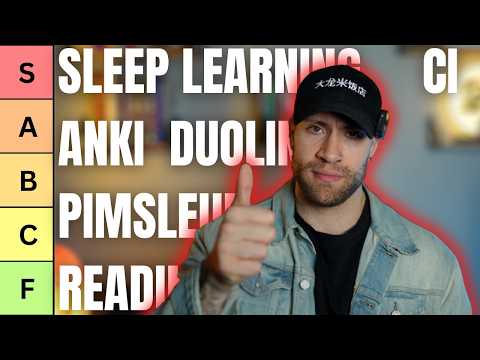
I ranked language learning methods to get you fluent FAST
0
kasa21 posted on 2025/08/09Ever wonder which language learning methods *actually* work? This video dives deep into ranking popular techniques like comprehensible input and active immersion, debunking myths and revealing the fastest path to fluency! You'll get practical tips to boost your learning and make daily conversations a breeze.
Learn this video on the APP!
The VoiceTube App has more in-depth practice for videos!