
administration
US / ædˌmɪnɪˈstreʃən/
UK /ədˌmɪnɪˈstreɪʃn/
- Uncountable Noun
- Act of giving e.g. medicine to a patient
- The work of running something, e.g. a business
B1TOEICMoreanti
US /ˈæntaɪ, -ti/
UK /'æntɪ/
- Adjective
- A prefix meaning 'against' or 'opposed'
B2Moreblame
US /blem/
UK /bleɪm/
- Transitive Verb
- To say someone is responsible for something bad
- Noun (Countable/Uncountable)
- Act of saying someone did something bad
A2TOEICMoreburn in
US /bɝn ɪn/
UK /bɜ:n in/
- other
- To cause a permanent ghost image on a screen by displaying a static image.
B2Morecare of
US /kɛr ʌv/
UK /kɛə ɔv/
- Preposition
- Used in an address to indicate the person who will receive the mail for someone else.
A2Morecomfort
US /ˈkʌmfət/
UK /'kʌmfət/
- Transitive Verb
- To try to make distressed person feel better
- Uncountable Noun
- Acts or words that reduce pain or sadness
- State of being relaxed, warm or happy
A2Morecongress
US /ˈkɑŋɡrɪs/
UK /'kɒŋɡres/
- Noun (Countable/Uncountable)
- Meeting of elected or appointed representatives
- Proper Noun
- American governing body of elected representatives
B1Moreconversion
US /kənˈvɜ:rʒn/
UK /kənˈvɜ:ʃn/
- Noun
- Switch from one thing (e.g. religion) to another
- Means of scoring additional points in rugby
B1Morediminish
US /dɪˈmɪnɪʃ/
UK /dɪˈmɪnɪʃ/
- Verb (Transitive/Intransitive)
- To make something smaller or less important
- To imply someone's reputation is less good
B1Moredisappoint
US /ˌdɪsəˈpɔɪnt/
UK /ˌdɪsə'pɔɪnt/
- Transitive Verb
- To not meet the expectations of others or yourself
B1Moreemergency
US /ɪˈmɚdʒənsi/
UK /ɪ'mɜ:dʒənsɪ/
- Noun (Countable/Uncountable)
- Sudden event needing an immediate action
- A medical condition manifesting itself by acute symptoms of sufficient severity such that the absence of immediate medical attention could reasonably be expected to result in placing the patient's health in serious jeopardy.
- Adjective
- Used in an emergency; for use when something dangerous happens.
- Designed for use in an emergency.
A2TOEICMoreeradication
US /ɪˌrædɪ'keɪʃn/
UK /ɪˌrædɪ'keɪʃn/
- Uncountable Noun
- Complete destruction of every trace of something
B2Moreerase
US /ɪˈreɪs/
UK /ɪˈreɪz/
- Transitive Verb
- To remove data in computer memory, tape, etc.
- To remove written information by mistake
B2TOEICMoreeveryday people
US
UK
- Noun (plural)
- Ordinary or common people, without special status or wealth.
- People who are relatable and representative of the general population.
A1Moreexecutive
US /ɪɡˈzɛkjətɪv/
UK /ɪɡ'zekjətɪv/
- Noun (Countable/Uncountable)
- A senior manager in a business or organization
- The branch of government responsible for enforcing laws.
- Adjective
- Of a high ranking job in a company
- Relating to the management of a business or organization.
A2TOEICMorefabricate
US /ˈfæbrɪˌket/
UK /ˈfæbrɪkeɪt/
- Transitive Verb
- To invent or create, especially to deceive, trick
- To say things that are not true to trick someone
C1Morefake
US /fek/
UK /feɪk/
- Adjective
- Not real; made to look like something real
- Countable Noun
- A copy of something made to trick people
B1Morefalling apart
US
UK
- Phrasal Verb
- To suffer a nervous breakdown
- To break into pieces; stop functioning
A1Morefathom
US /ˈfæðəm/
UK /ˈfæðəm/
- Noun
- 1.8m unit of length to measure the depth of water
- Transitive Verb
- To work out the reason for something
B2TOEICMorefeel like
US
UK
- Intransitive Verb
- To have a desire or inclination for something.
- To have a particular quality or sensation; resemble.
A1Morefitness
US /ˈfɪtnɪs/
UK /ˈfɪtnəs/
- Uncountable Noun
- Good physical condition; being in shape
B1Morefloat
US /floʊt/
UK /fləʊt/
- Verb (Transitive/Intransitive)
- To sell the shares of a company publicly
- To move slowly and easily through air
- Noun (Countable/Uncountable)
- Object designed to stay on the surface of water
- Decorated truck used in a festival
B1Morefor instance
US /fɔr ˈɪnstəns/
UK /fɔ: ˈinstəns/
- Adverb
- As an example.
- Phrase
- As an example.
- As an illustration or case in point
B1Morefor someone
US /fɚ ˈsʌmwʌn/
UK /fə ˈsʌmwʌn/
- other
- On behalf of or intended for a particular person.
A1Moregoing on
US /ˈɡoɪŋ ɑn/
UK /ˈgəʊɪŋ ɔn/
- Phrasal Verb
- To continue doing something
- To happen (usually negative)
A1Moregot to
US /ɡɑt tu/
UK /gɔt tu:/
- Verb (Transitive/Intransitive)
- To arrive at some place
- To have the opportunity or permission to do something
- Phrasal Verb
- To appeal to the emotions of; move
- To finally begin to start something after a delay
A1Morehatred
US /ˈhetrɪd/
UK /ˈheɪtrɪd/
- Uncountable Noun
- Very strong feeling of dislike; hate
B2Morehave to
US /hæv tu/
UK /ˈhæv tə/
- Auxiliary Verb
- Must do
A1Morehonestly
US /ˈɑnɪstli/
UK /ˈɒnɪstli/
- Adverb
- With truth or sincerity; I'm being honest with you
- Genuinely; in a sincere manner.
A2Morehumanity
US /hjuˈmænɪti/
UK /hju:ˈmænəti/
- Uncountable Noun
- Quality of being understanding or sympathetic
- Compassionate behavior, especially towards those suffering.
- Noun (Countable/Uncountable)
- All human beings collectively; the human race.
A2Moreincredibly
US /ɪnˈkrɛdəblɪ/
UK /ɪnˈkredəbli/
- Adverb
- To a great degree; very; amazingly
- Extremely; so much so it is hard to believe
A2Moreinnocent
US /ˈɪnəsənt/
UK /'ɪnəsnt/
- Adjective
- Free from guilt or responsibility for a crime
- (Accidentally being harmed) without deserving it
- Noun
- Person with little experience of the world
A2TOEICMoreinstance
US /ˈɪnstəns/
UK /'ɪnstəns/
- Noun (Countable/Uncountable)
- An example of something; case
- An occurrence of something.
- Transitive Verb
- To give as an example of something else
A2TOEICMoreintact
US /ɪn'tækt/
UK /ɪn'tækt/
- Adjective
- Being complete, without damaged or missing parts
B1Morelegislation
US /ˌlɛdʒɪˈsleʃən/
UK /ˌledʒɪsˈleɪʃn/
- Uncountable Noun
- Act or process of writing and passing laws
B1Morelive my life
US
UK
- Phrase
- To experience life in a way that is true to oneself and brings personal fulfillment.
A1Morelogistic
US /loˈdʒɪstɪk/
UK /lə'dʒɪstɪkl/
- Adjective
- Concerning planning and organizing a large project
B2Morelook at
US /lʊk æt/
UK /luk æt/
- Phrasal Verb
- To use your eyes to focus on something
- To focus your eyes on something carefully
A1Moremass
US /mæs/
UK /mæs/
- Noun (Countable/Uncountable)
- Religious ceremony in some Christian churches
- Large amount or number of something
- Transitive Verb
- To gather people or things into a large group
B1Moremental
US /ˈmɛntl/
UK /ˈmentl/
- Adjective
- Concerning the mind
A2TOEICMoremilitary
US /ˈmɪlɪˌtɛri/
UK /'mɪlətrɪ/
- Noun
- Army or armed forces
- Adjective
- Concerning the army or navy
B1Morenecessarily
US /ˌnɛsɪˈsɛrəli, -ˈsɛr-/
UK /ˌnesəˈserəli/
- Adverb
- In a way that is needed/required/is unavoidable
A2TOEICMoreon the line
US /ɑn ði laɪn/
UK /ɔn ðə lain/
- Phrase
- At risk; in a situation where something could be lost.
- Having a great deal of responsibility.
A1Moreoutside of
US /aʊtˈsaɪd ʌv/
UK /ˌautˈsaid ɔv/
- Preposition
- Located or situated beyond the boundaries or confines of something.
- Beyond the scope, range, or limits of something.
A1Morepresidential
US /ˌprɛzɪˈdɛnʃəl/
UK /ˌprezɪ'denʃl/
- Adjective
- Concerning the president
B1Morescientific
US /ˌsaɪənˈtɪfɪk/
UK /ˌsaɪənˈtɪfɪk/
- Adjective
- Concerning academic study of the physical world
- Systematic and precise, following a methodology.
- Noun
- Relating to or used in science.
A2Moreseemingly
US /ˈsiːmɪŋli/
UK /ˈsi:mɪŋli/
- Adverb
- Appearing to be but may not actually be; probably
B1Moresignificant
US /sɪɡˈnɪfɪkənt/
UK /sɪgˈnɪfɪkənt/
- Adjective
- Large enough to be noticed or have an effect
- Having meaning; important; noticeable
A2TOEICMoresit by
US /sit baɪ/
UK /sit bai/
- Phrasal Verb
- To do nothing while something bad is happening.
- To be positioned next to something or someone.
A1Morestand up for
US /stænd ʌp fɔr/
UK /stænd ʌp fɔ:/
- Phrasal Verb
- To support someone or an idea, e.g. human rights
A1Morestress
US / strɛs/
UK /stres/
- Transitive Verb
- To emphasize one or more parts of a word, sentence
- To put pressure on something or someone
- Noun (Countable/Uncountable)
- Emphasis on part of a word or sentence
- Pressure on something or someone
A2TOEICMoretherapy
US /ˈθɛrəpi/
UK /'θerəpɪ/
- Noun (Countable/Uncountable)
- Treatment to help cure an illness
- Psychological counseling to help resolve personal or emotional problems.
B2Morethink about
US /θɪŋk əˈbaʊt/
UK /θiŋk əˈbaut/
- Phrasal Verb
- To consider something carefully.
- To remember or call to mind.
A1Moretracker
US /'trækər/
UK /'trækə(r)/
- Countable Noun
- Person using marks to follow a wild animal
- A person or animal that finds things or people by following the marks they have left behind.
B2Moretrap
US /træp/
UK /træp/
- Countable Noun
- Device used for catching animals
- Vehicle pulled by a single horse
- Transitive Verb
- To use a device to catch animals or people
- To hold, e.g. a nerve, so that it cannot move
A2Moreused to
US /juzd tu/
UK /ˈju:st tə/
- Adjective
- Did regularly before, but don't do now
- Auxiliary Verb
- Have done before, but do not do now
A1Morezone
US /zoʊn/
UK /zəʊn/
- Noun
- Area of space designated for a particular use
- Transitive Verb
- To divide an area for a particular reason
B1More
Vocabulary
- have to: Must do
- feel like: To have a desire or inclination for something.
- got to: To arrive at some place
- stand up for: To support someone or an idea, e.g. human rights
- outside of: Located or situated beyond the boundaries or confines of something.
- live my life: To experience life in a way that is true to oneself and brings personal fulfillment.
- think about: To consider something carefully.
- everyday people: Ordinary or common people, without special status or wealth.
- falling apart: To suffer a nervous breakdown
- going on: To continue doing something
- burn in: To cause a permanent ghost image on a screen by displaying a static image.
- sit by: To do nothing while something bad is happening.
- used to: Did regularly before, but don't do now
- for someone: On behalf of or intended for a particular person.
- care of: Used in an address to indicate the person who will receive the mail for someone else.
- for instance: As an example.
- on the line: At risk; in a situation where something could be lost.
- look at: To use your eyes to focus on something
- incredibly: To a great degree; very; amazingly
- significant: Large enough to be noticed or have an effect
- mental: Concerning the mind
- realize: To become aware of or understand mentally
- therapy: Treatment to help cure an illness
- instance: An example of something; case
- executive: A senior manager in a business or organization
- necessarily: In a way that is needed/required/is unavoidable
- stress: To emphasize one or more parts of a word, sentence
- imagine: To think creatively about; form mental picture of
- blame: To say someone is responsible for something bad
- military: Army or armed forces
- state: Region within a country, with its own government
- innocent: Free from guilt or responsibility for a crime
- intact: Being complete, without damaged or missing parts
- comfort: To try to make distressed person feel better
- perform: To carry out an action well or successfully
- seemingly: Appearing to be but may not actually be; probably
- diminish: To make something smaller or less important
- congress: Meeting of elected or appointed representatives
- trap: Device used for catching animals
- administration: Act of giving e.g. medicine to a patient
- scientific: Concerning academic study of the physical world
- humanity: Quality of being understanding or sympathetic
- mass: Religious ceremony in some Christian churches
- emergency: Sudden event needing an immediate action
- honestly: With truth or sincerity; I'm being honest with you
- fall: Season after summer and before winter; Autumn
- leave: To go away from; depart
- hatred: Very strong feeling of dislike; hate
- fake: Not real; made to look like something real
- legislation: Act or process of writing and passing laws
- zone: Area of space designated for a particular use
- stand: To be a candidate in an election
- fitness: Good physical condition; being in shape
- float: To sell the shares of a company publicly
- person: Man, woman or child
- hide: To go to, or put a thing where it can't be found
- make: To arrange or prepare something e.g. dinner
- prepare: To make something ready for use
- burn: To destroy with fire
- service: Work that a person does to assist others
- transgender: Involving a partial or full reversal of gender
- group: Two or more musicians who play music together
- anti: A prefix meaning 'against' or 'opposed'
- erase: To remove data in computer memory, tape, etc.
- conversion: Switch from one thing (e.g. religion) to another
- disappoint: To not meet the expectations of others or yourself
- presidential: Concerning the president
- eradication: Complete destruction of every trace of something
- fathom: 1.8m unit of length to measure the depth of water
- fabricate: To invent or create, especially to deceive, trick
- logistic: Concerning planning and organizing a large project
- tracker: Person using marks to follow a wild animal
Get the full experience in the app
Learn anywhere with detailed sentence and usage analysis
01:03
She took a brave step forward, leaving behind her comfort zone to chase her dreams.
Vocabulary
- brave
adj. Having courage
- comfort zone
phr. A familiar situation where one feels safe
Explanation
a brave step is a noun phrase, where brave is an adjective modifying the noun step, meaning "a courageous step".
forward is an adverb modifying step, meaning "ahead".
The whole phrase serves as the object, answering the "what" of took (verb) — she took a brave step forward.
Get the full experience in the app
Look up words anytime with pronunciation, part of speech, and usage
brave
US/brev/
UK/breɪv/
adj.Brave
v.t.To bravely face
A2 Elementary
Get the full experience in the app
Practice speaking anytime and get instant pronunciation feedback
Try this speaking exercise.
Try practicing with this sentence.
80
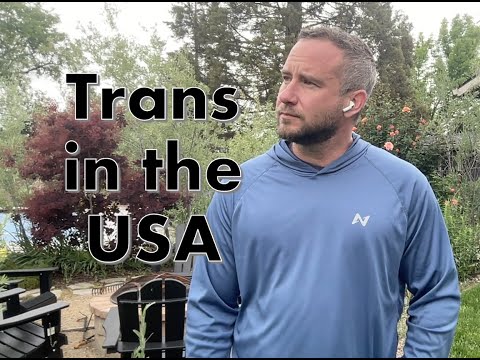
What it's like to be Trans in the USA right now
0
ALEX1993 posted on 2025/08/05Ever wonder what it's like to navigate daily life as a transgender person in the US right now? This video shares a deeply personal perspective on the immense stress and the need for multiple contingency plans due to the current political climate. You'll gain insight into the emotional and mental load involved, and pick up phrases that express complex feelings about safety and societal support.
Learn this video on the APP!
The VoiceTube App has more in-depth practice for videos!