
abnormal
US /æbˈnɔ:rml/
UK /æbˈnɔ:ml/
- Adjective
- Not normal, not typical, not usual, not regular
- Relating to behavior that deviates from the norm.
B1Moreabove all
US /əˈbʌv ɔl/
UK /əˈbʌv ɔ:l/
- Phrase
- Most importantly; more than anything else.
A1Moreabuse
US /əˈbjuz/
UK /ə'bju:s/
- Transitive Verb
- To mistreat or be cruel towards someone
- To use in an inappropriate or excessive way
- Noun (Countable/Uncountable)
- Improper/dishonest/excessive use of something
- Insulting someone, e.g. by swearing at them
A2TOEICMoreanything other than
US
UK
- Phrase
- Except for; not including
- Different from; not
approximately
US /əˈprɑksəmɪtlɪ/
UK /əˈprɒksɪmətli/
- Adverb
- Around; nearly; almost; about (a number)
A2TOEICMoreask for help
US
UK
- Verb (Transitive/Intransitive)
- To request assistance or support.
association
US /əˌsoʊʃi'eɪʃn/
UK /əˌsəʊʃɪ'eɪʃn/
- Noun
- Organization of people with the same interest
B1TOEICMoreaware
US /əˈwɛr/
UK /əˈwɛə/
- Adjective
- Knowing or feeling that something exists
A2TOEICMorebet
US /bet/
UK /bet/
- Verb (Transitive/Intransitive)
- To gamble money to win more money, e.g. on horses
- Used to express certainty or confidence
- Countable Noun
- Act of gambling money on the result of a race etc.
A2Moreblame
US /blem/
UK /bleɪm/
- Transitive Verb
- To say someone is responsible for something bad
- Noun (Countable/Uncountable)
- Act of saying someone did something bad
A2TOEICMoreburden
US /ˈbɚdn/
UK /'bɜ:dn/
- Transitive Verb
- To weigh down with a load; impose a task upon
- Noun (Countable/Uncountable)
- Something difficult to do, manage, or accept
- Something that is carried with difficulty; an oppressive load.
B1Morecheck out
US /tʃɛk aʊt/
UK /tʃek aut/
- Phrase
- Phrasal Verb
- To find out information about something
- To take books out of a library
A1Moreconscious
US /ˈkɑnʃəs/
UK /ˈkɒnʃəs/
- Adjective
- Aware of what is going on around you
- Intentionally done; deliberate.
A2Moreconstructive
US /kənˈstrʌktɪv/
UK /kənˈstrʌktɪv/
- Adjective
- Having positive effective results
B1Morecontribute
US /kənˈtrɪbjut/
UK /kən'trɪbju:t/
- Verb (Transitive/Intransitive)
- To be a factor in causing something to happen
- To donate, give (money) or help to something
A2Morecritical
US /ˈkrɪtɪkəl/
UK /ˈkrɪtɪkl/
- Adjective
- Making a negative judgment of something
- Being important or serious; vital; dangerous
A2Morecriticism
US /ˈkrɪtɪˌsɪzəm/
UK /ˈkrɪtɪsɪzəm/
- Noun (Countable/Uncountable)
- Article or essay that judges quality
- Negative judgment of something
A2Moredegrade
US /dɪˈɡred/
UK /dɪ'ɡreɪd/
- Transitive Verb
- To reduce in amount or strength
B2Moredepend
US /dɪˈpend/
UK /dɪˈpend/
- Verb (Transitive/Intransitive)
- Be controlled or determined by (someone/something)
- To rely on someone or something for support, help, or existence.
B1TOEICMoredetrimental
US /ˌdɛtrəˈmɛntl/
UK /ˌdetrɪˈmentl/
- Adjective
- Harmful
B2Moredevious
US /ˈdiviəs/
UK /ˈdi:viəs/
- Adjective
- Clever in using lies and tricks to fool people
C1Moredisgust
US /dɪsˈɡʌst/
UK /dɪs'ɡʌst/
- Uncountable Noun
- Strong feeling of dislike for something
- Something that causes a feeling of revulsion or strong disapproval.
- Transitive Verb
- To cause a strong negative reaction or feeling
B2Moreesteem
US /ɪˈstim/
UK /ɪˈsti:m/
- Uncountable Noun
- Feeling of respect or admiration regarding someone
- Transitive Verb
- To regard with great respect or admiration
B2TOEICMoreexplode
US /ɪkˈsplod/
UK /ɪk'spləʊd/
- Verb (Transitive/Intransitive)
- To express an emotion in a sudden and loud way
- To increase in number or amount very quickly
B1Morefeel like
US
UK
- Intransitive Verb
- To have a desire or inclination for something.
- To have a particular quality or sensation; resemble.
A1Morefreak
US /friːk/
UK /friːk/
- Adjective
- (Of weather, etc.) unusual; unpredictable; amazing
- Noun
- A person, animal, or event that is physically abnormal, very unusual, or unlike others.
- A person with an unusual appearance or behaviour.
B2Morehot air
US /hɑt er/
UK /hɔt eə(r)/
- Uncountable Noun
- Meaningless or exaggerated talk; empty rhetoric.
- Air that has been heated.
A1Moreimitate
US /ˈɪmɪˌtet/
UK /ˈɪmɪteɪt/
- Transitive Verb
- To act, speak like someone or something else
B2Moreimmature
US /ˌɪməˈtʃʊr/
UK /ˌɪməˈtjʊə(r)/
- Adjective
- Behaving like a child, especially emotionally
- Not fully grown or developed
B1Morein general
US /ɪn ˈdʒɛnərəl/
UK /in ˈdʒenərəl/
- Phrase
- Typically; usually; on the whole.
- Not specific or detailed; broadly.
- Adjective
- Not detailed or specific; overall.
C2Morein the future
US /ɪn ði ˈfjutʃɚ/
UK /in ðə ˈfju:tʃə/
- Phrase
- At a later time; in times to come.
A1Moreinferior
US /ɪnˈfɪriɚ/
UK /ɪnˈfɪəriə(r)/
- Adjective
- Being of little importance or worth
- Of lower status; not powerful or rich
- Noun
- Person of lower status
B2Moreinfluence
US / ˈɪnfluəns/
UK /'ɪnflʊəns/
- Verb (Transitive/Intransitive)
- To affect or change something indirectly
- To persuade someone to do something.
- Noun (Countable/Uncountable)
- The power to affect what happens, to persuade etc.
- A person or thing that affects someone or something in an important way.
A2TOEICMorelead to
US /lid tu/
UK /li:d tu:/
- Phrasal Verb
- To result in some action
- Verb (Transitive/Intransitive)
- To have something as a consequence or result.
A1Morelook to
US
UK
- Phrasal Verb
- Be looking to. be planning to (do something)
- To expect someone to do something for you; rely on
A1Moremaintain
US /menˈten/
UK /meɪn'teɪn/
- Transitive Verb
- To keep saying something a certain way
- To keep (machine) working by checking, repairing
A2TOEICMoremajority
US /məˈdʒɔrɪti, -ˈdʒɑr-/
UK /mə'dʒɒrətɪ/
- Noun (Countable/Uncountable)
- Amount that is more than half of a group
- The age at which a person is legally considered an adult.
B1TOEICMoremanipulation
US /məˌnɪpjʊˈleʃən/
UK /məˌnɪpjʊ'leɪʃn/
- Noun (Countable/Uncountable)
- Act of controlling to gain an advantage
- Act of moving something using your hands
B1Moremanipulative
US /məˈnɪpjələtɪv, -ˌle-/
UK /mə'nɪpjələtɪv/
- Adjective
- Controlling people dishonestly to get control
B1Morenegative
US /ˈnɛɡətɪv/
UK /'neɡətɪv/
- Noun
- The opposite to a positive electrical charge
- In grammar, containing words such as 'no' or 'not'
- Adjective
- Being harmful, unwanted or unhelpful
- In mathematics, being less than zero
A2Morenegatively
US /ˈnɛɡətɪvlɪ/
UK /'neɡətɪvlɪ/
- Adverb
- In a harmful, unwanted or unhelpful manner
B1Moreneglect
US /nɪˈɡlɛkt/
UK /nɪ'ɡlekt/
- Uncountable Noun
- Act of failing to do something important, required
- State or condition of not receiving proper care
- Transitive Verb
- To not do something that is important or required
- To fail to take care of something; ignore
B1TOEICMoreno matter
US
UK
- Conjunction
- Regardless of; it does not matter.
- Adverb
- Regardless of; it is not important
A1Moreother than
US
UK
- Preposition
- Except for; apart from.
- Conjunction
- Different from.
A1Moreout of date
US /aʊt ʌv det/
UK /aut ɔv deit/
- Adjective
- Expired; too old to be used
- Not fashionable; old fashioned
C2Moreoutright
US /ˈaʊtˈraɪt, -ˌraɪt/
UK /ˈaʊtraɪt/
- Adjective
- In a complete manner; totally
- Open and direct; not concealed.
- Adverb
- In a clear and direct manner
B2Moreoverly
US /ˈoʊvərli/
UK /ˈəʊvəli/
- Adverb
- To a degree exceeding normal or proper limits
B2Moreparticipate
US /pɑ:rˈtɪsɪpeɪt/
UK /pɑ:ˈtɪsɪpeɪt/
- Intransitive Verb
- To take part with others in doing something
- To be involved in a discussion or conversation.
B1TOEICMorephrase
US /frez/
UK /freɪz/
- Noun
- Common expression or saying
- Section of musical notes in a piece of music
- Verb (Transitive/Intransitive)
- To choose words to say what you mean clearly
A2Moreprevent
US /prɪˈvɛnt/
UK /prɪ'vent/
- Transitive Verb
- To stop something from happening or existing
A2TOEICMoreshrewd
US /ʃrud/
UK /ʃru:d/
- Adjective
- Clever at understanding and making judgments
B2TOEICMoresubstitute
US /ˈsʌbstɪˌtut, -ˌtjut/
UK /'sʌbstɪtju:t/
- Transitive Verb
- To perform the tasks instead of someone else
- To replace one person or thing for another
- Noun
- A person or thing acting in place of another
B2TOEICMoresuch as
US /sʌtʃ æz/
UK /sʌtʃ æz/
- Preposition
- For example; like
A1Moretend
US /tɛnd/
UK /tend/
- Intransitive Verb
- To move or act in a certain manner
- Transitive Verb
- To take care of
A2Moreterrible at
US
UK
- Adjective
- Very bad or unskilled at something.
- Having a very low level of ability in a particular activity.
A1Moretoxic
US /ˈtɑksɪk/
UK /ˈtɒksɪk/
- Adjective
- Poisonous; harmful
- (Of relationships) harmful; causing conflict
B2Moreturn to
US /tɚn tu/
UK /tə:n tu:/
- Phrasal Verb
- To go to someone for help, advice, or information.
- To start doing or using something, often something bad or undesirable.
A1Moreunethical
US /ʌnˈeθɪkl/
UK /ʌnˈeθɪkl/
- Adjective
- Behaving in a way not meeting moral standards
B1Moreunworthy
US /ʌnˈwɜ:rði/
UK /ʌnˈwɜ:ði/
- Adjective
- Lacking in value or merit; not deserving help
B2Moreused to
US /juzd tu/
UK /ˈju:st tə/
- Adjective
- Did regularly before, but don't do now
- Auxiliary Verb
- Have done before, but do not do now
A1Moreverbal
US /ˈvɚbəl/
UK /ˈvə:bəl/
- Adjective
- Concerning verbs
- Using speech, rather than being written
- Noun
- Word that is made from a verb
B1Moreverbal abuse
US
UK
- Noun
- Insulting or offensive language used to criticize or disparage someone.
C2More
Vocabulary
- lead to: To result in some action
- such as: For example; like
- feel like: To have a desire or inclination for something.
- look to: Be looking to. be planning to (do something)
- out of date: Expired; too old to be used
- ask for help: To request assistance or support.
- in the future: At a later time; in times to come.
- in general: Typically; usually; on the whole.
- no matter: Regardless of; it does not matter.
- anything other than: Except for; not including
- other than: Except for; apart from.
- terrible at: Very bad or unskilled at something.
- turn to: To go to someone for help, advice, or information.
- above all: Most importantly; more than anything else.
- hot air: Meaningless or exaggerated talk; empty rhetoric.
- used to: Did regularly before, but don't do now
- verbal abuse: Insulting or offensive language used to criticize or disparage someone.
- check out
- conscious: Aware of what is going on around you
- phrase: Common expression or saying
- critical: Making a negative judgment of something
- majority: Amount that is more than half of a group
- imitate: To act, speak like someone or something else
- esteem: Feeling of respect or admiration regarding someone
- negative: The opposite to a positive electrical charge
- tend: To move or act in a certain manner
- common: Area in a city or town that is open to everyone
- aware: Knowing or feeling that something exists
- approximately: Around; nearly; almost; about (a number)
- contribute: To be a factor in causing something to happen
- influence: To affect or change something indirectly
- freak: (Of weather, etc.) unusual; unpredictable; amazing
- toxic: Poisonous; harmful
- blame: To say someone is responsible for something bad
- prevent: To stop something from happening or existing
- burden: To weigh down with a load; impose a task upon
- bet: To gamble money to win more money, e.g. on horses
- detrimental: Harmful
- criticism: Article or essay that judges quality
- substitute: To perform the tasks instead of someone else
- abuse: To mistreat or be cruel towards someone
- maintain: To keep saying something a certain way
- association: Organization of people with the same interest
- behavior: The way a person or thing acts; manner
- neglect: Act of failing to do something important, required
- form: Sports team or person's current winning record
- compare: To consider how similar and different things are
- inferior: Being of little importance or worth
- lead: Wire for electricity, computer, etc.; cable
- outright: In a complete manner; totally
- participate: To take part with others in doing something
- manipulation: Act of controlling to gain an advantage
- activity: An action or task, e.g. sports, washing clothes
- verbal: Concerning verbs
- depend: Be controlled or determined by (someone/something)
- important: Having power or authority
- place: To put someone in a particular type of situation
- manipulative: Controlling people dishonestly to get control
- control: A device designed to operate a machine
- allow: To admit the validity or truth of something
- explode: To express an emotion in a sudden and loud way
- act: To behave in a certain way
- constructive: Having positive effective results
- overly: To a degree exceeding normal or proper limits
- bring: To take or go with someone to a place
- wrong: Action that is harmful, unjust or illegal
- last: Final; with nothing following; after all others
- shrewd: Clever at understanding and making judgments
- question: To ask for or try to get information
- immature: Behaving like a child, especially emotionally
- disgust: Strong feeling of dislike for something
- abnormal: Not normal, not typical, not usual, not regular
- unethical: Behaving in a way not meeting moral standards
- negatively: In a harmful, unwanted or unhelpful manner
- degrade: To reduce in amount or strength
- devious: Clever in using lies and tricks to fool people
- unworthy: Lacking in value or merit; not deserving help
Get the full experience in the app
Learn anywhere with detailed sentence and usage analysis
01:03
She took a brave step forward, leaving behind her comfort zone to chase her dreams.
Vocabulary
- brave
adj. Having courage
- comfort zone
phr. A familiar situation where one feels safe
Explanation
a brave step is a noun phrase, where brave is an adjective modifying the noun step, meaning "a courageous step".
forward is an adverb modifying step, meaning "ahead".
The whole phrase serves as the object, answering the "what" of took (verb) — she took a brave step forward.
Get the full experience in the app
Look up words anytime with pronunciation, part of speech, and usage
brave
US/brev/
UK/breɪv/
adj.Brave
v.t.To bravely face
A2 Elementary
Get the full experience in the app
Practice speaking anytime and get instant pronunciation feedback
Try this speaking exercise.
Try practicing with this sentence.
80
0
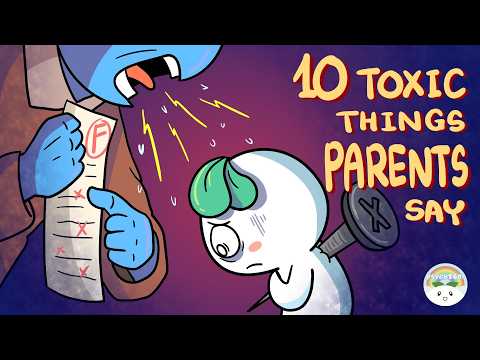
林宜悉 posted on 2025/07/31Ever wondered what parents say that can really sting? This video dives into 10 toxic phrases parents use, helping you understand verbal abuse and gaslighting with real-life examples. You'll pick up key vocabulary and practice recognizing these patterns in situational dialogues!
Learn this video on the APP!
The VoiceTube App has more in-depth practice for videos!