
ability
US /əˈbɪlɪti/
UK /ə'bɪlətɪ/
- Noun (Countable/Uncountable)
- The power, resources or skill to do something
- A particular skill or talent.
A2TOEICMoreadapt
US /əˈdæpt/
UK /ə'dæpt/
- Transitive Verb
- To change something for a different function
- To change something to fit or suit a new purpose
- Intransitive Verb
- To change your behaviour so that it is easier to live in a new place or situation
B1TOEICMoreadvantage
US /ædˈvæntɪdʒ/
UK /əd'vɑ:ntɪdʒ/
- Noun (Countable/Uncountable)
- Thing making the chance of success higher
- A positive point about something
- Transitive Verb
- To make use of something, especially to further one's own position; exploit.
A2TOEICMoreanimation
US /ˌænəˈmeʃən/
UK /ˌænɪˈmeɪʃn/
- Uncountable Noun
- The process of creating moving images using drawings, computer graphics, or other techniques.
- Liveliness or energy in behavior or expression.
B2Moreattention
US /əˈtɛnʃən/
UK /əˈtenʃn/
- Noun (Countable/Uncountable)
- Taking notice of someone or something
- Noun
- (Soldiers) Standing with straight backs
A2TOEICMorebased on
US
UK
- Phrasal Verb
- To use something as the foundation or starting point for something else.
- Preposition
- Using something as the main idea or foundation.
- Relying on something as evidence or justification.
A1Moreblend
US /blɛnd/
UK /blend/
- Transitive Verb
- To combine different elements or substances
- To mix ingredients when cooking
- Noun
- Product known for mixing ingredients
B1Morecheck out
US /tʃɛk aʊt/
UK /tʃek aut/
- Phrase
- Phrasal Verb
- To find out information about something
- To take books out of a library
A1Morecompetition
US /ˌkɑmpɪˈtɪʃən/
UK /ˌkɒmpəˈtɪʃn/
- Noun (Countable/Uncountable)
- Fighting against others to win something
- A situation in which people or organizations compete with each other for something that not everyone can have.
A2Morecomplicate
US /ˈkɑ:mplɪkeɪt/
UK /ˈkɒmplɪkeɪt/
- Transitive Verb
- To make more difficult to do, understand or use
B1Moredefine
US /dɪˈfaɪn/
UK /dɪ'faɪn/
- Transitive Verb
- To explain the meaning of words
- To set or mark the limits of something
A2TOEICMoredetermine
US /dɪˈtɚmɪn/
UK /dɪ'tɜ:mɪn/
- Transitive Verb
- To control exactly how something will be or act
- To establish the facts about; discover
A2TOEICMoredie out
US /daɪ aʊt/
UK /dai aut/
- Phrasal Verb
- To disappear completely; to become extinct
A1Moredna
US
UK
- Noun (Countable/Uncountable)
- Chemical in living cells with genetic information
B2Moredominant
US /ˈdɑmənənt/
UK /ˈdɒmɪnənt/
- Adjective
- The strongest; most powerful
- Being the most common, significant or important
- Noun
- (Music) The fifth note of a scale.
B1Moredominate
US /ˈdɑməˌnet/
UK /'dɒmɪneɪt/
- Verb (Transitive/Intransitive)
- To be taller, bigger, or more physically obvious
- To control; rule; enjoy a commanding position in
B1TOEICMoreemerge
US /ɪˈmɚdʒ/
UK /ɪ'mɜ:dʒ/
- Intransitive Verb
- To rise or appear out of some background
- To become known or apparent.
A2TOEICMoreevolution
US /ˌɛvəˈluʃən, ˌivə-/
UK /ˌi:və'lu:ʃn/
- Uncountable Noun
- Theory that living things change over time
- Process by which something develops over time
B1Moreevolutionary
US /ˌiːvəˈluːʃəneri/
UK /ˌi:vəˈlu:ʃənri/
- Adjective
- Concerning gradual change over time
B2Moreevolve
US /ɪˈvɑlv/
UK /ɪ'vɒlv/
- Verb (Transitive/Intransitive)
- To develop certain features
- To develop or change slowly over time
B1Morefor instance
US /fɔr ˈɪnstəns/
UK /fɔ: ˈinstəns/
- Adverb
- As an example.
- Phrase
- As an example.
- As an illustration or case in point
B1Moregenetic
US /dʒəˈnɛtɪk/
UK /dʒəˈnetɪk/
- Adjective
- Of, relating to, or controlled by genes
- Relating to genes or heredity.
B1Morego on
US /ɡo ɑn/
UK /ɡəu ɔn/
- Phrasal Verb
- To continue doing something
- To happen (usually negative)
- Interjection
- Used to encourage someone
A1Morein competition
US /ɪn ˌkɑmpəˈtɪʃən/
UK /in ˌkɒmpəˈtiʃən/
- other
- Taking part in a contest or rivalry.
B1Morein order to
US /ɪn ˈɔrdɚ tu/
UK /in ˈɔ:də tu:/
- Preposition
- For the purpose of; with the aim of.
- Phrase
- In a specific sequence or arrangement.
- With the aim of; for the purpose of.
C1Moreinvisible
US /ɪnˈvɪzəbəl/
UK /ɪnˈvɪzəbl/
- Adjective
- Being unable to be seen
- Of money earned from services, instead of products
B1TOEICMoreorganism
US /ˈɔrɡəˌnɪzəm/
UK /'ɔ:ɡənɪzəm/
- Noun
- Living thing, often one that is small
- System with many parts that function as a whole
B2Moreover time
US /ˈovɚ taɪm/
UK /ˈəuvə taim/
- Phrase
- Gradually; as time passes.
- During a long period.
- Adverb
- Gradually; as time passes.
B1Morephrase
US /frez/
UK /freɪz/
- Noun
- Common expression or saying
- Section of musical notes in a piece of music
- Verb (Transitive/Intransitive)
- To choose words to say what you mean clearly
A2Morepresence
US /ˈprɛzəns/
UK /ˈprezns/
- Noun
- The same place or area that a person is
- Ability to reach a market, group of people etc.
A2Moreprevalent
US /ˈprɛvələnt/
UK /ˈprevələnt/
- Adjective
- Being common; occurring frequently
- Commonly occurring or existing; widespread.
B2TOEICMoreprocess
US /ˈprɑsˌɛs, ˈproˌsɛs/
UK /prə'ses/
- Transitive Verb
- To organize and use data in a computer
- To deal with official forms in the way required
- Noun (Countable/Uncountable)
- Dealing with official forms in the way required
- Set of changes that occur slowly and naturally
A2TOEICMorerandom
US /ˈrændəm/
UK /'rændəm/
- Adjective
- Chosen, done without a particular plan or pattern
B1Moreremote
US /rɪˈmot/
UK /rɪ'məʊt/
- Adjective
- Being far away from people, towns, etc.
- (Of a possibility) being small or not likely
- Noun
- Radio device designed to operate TV, etc.
A2TOEICMorereverse
US /rɪˈvɚs/
UK /rɪ'vɜ:s/
- Noun
- Setting that makes the vehicle go backward
- Instance of a significant change, for the worse
- Verb (Transitive/Intransitive)
- To drive a vehicle backward
- To change to an opposite state, way or condition
B1TOEICMorerevolution
US /ˌrɛvəˈluʃən/
UK /ˌrevə'lu:ʃn/
- Noun
- When a group overthrows an existing government
- Sudden or significant change in something
B1Moresolid
US /ˈsɑlɪd/
UK /'sɒlɪd/
- Adjective
- Being able to be trusted; reliable
- Substance that is hard or of fixed shape
- Noun
- Something firm or hard; not gas or liquid
A2Morestatus
US /ˈstetəs, ˈstætəs/
UK /'steɪtəs/
- Uncountable Noun
- Position or rank relative to others in a society
- Legal position of a person or thing
A2TOEICMorestem
US /stɛm/
UK /stem/
- Noun (Countable/Uncountable)
- Long thin central part of a plant, bearing leaves
- Long thin part supporting something e.g. a light
- Transitive Verb
- To remove the stem of a flower or fruit
- To stop something bad from spreading or developing
B1TOEICMoretendency
US /ˈtɛndənsi/
UK /'tendənsɪ/
- Noun
- Likelihood to behave in a particular way
A2Moreterritory
US /ˈtɛrɪˌtɔri, -ˌtori/
UK /'terətrɪ/
- Noun (Countable/Uncountable)
- Area of land defended by an animal
- Area of particular knowledge or experience
B1TOEICMoretexture
US /ˈtɛkstʃɚ/
UK /ˈtekstʃə(r)/
- Noun (Countable/Uncountable)
- Quality from different elements, as in music
- Look and feel of a substance or material
- Transitive Verb
- To give a particular look or feel to a surface
B1Moretheory
US /ˈθiəri, ˈθɪri/
UK /ˈθiəri/
- Noun (Countable/Uncountable)
- Ideas or principles that explain facts or events
- An idea or belief about something
A2TOEICMore
Vocabulary
- over time: Gradually; as time passes.
- go on: To continue doing something
- based on: To use something as the foundation or starting point for something else.
- for instance: As an example.
- in competition: Taking part in a contest or rivalry.
- die out: To disappear completely; to become extinct
- in order to: For the purpose of; with the aim of.
- check out
- phrase: Common expression or saying
- process: To organize and use data in a computer
- determine: To control exactly how something will be or act
- presence: The same place or area that a person is
- evolve: To develop certain features
- advantage: Thing making the chance of success higher
- random: Chosen, done without a particular plan or pattern
- solid: Being able to be trusted; reliable
- texture: Quality from different elements, as in music
- environment: Natural world in which plants and animals live
- territory: Area of land defended by an animal
- ability: The power, resources or skill to do something
- evolutionary: Concerning gradual change over time
- tendency: Likelihood to behave in a particular way
- status: Position or rank relative to others in a society
- theory: Ideas or principles that explain facts or events
- prevalent: Being common; occurring frequently
- reverse: Setting that makes the vehicle go backward
- competition: Fighting against others to win something
- genetic: Of, relating to, or controlled by genes
- adapt: To change something for a different function
- dominant: The strongest; most powerful
- emerge: To rise or appear out of some background
- attention: Taking notice of someone or something
- form: Sports team or person's current winning record
- remote: Being far away from people, towns, etc.
- define: To explain the meaning of words
- evolution: Theory that living things change over time
- stem: Long thin central part of a plant, bearing leaves
- blend: To combine different elements or substances
- invisible: Being unable to be seen
- dominate: To be taller, bigger, or more physically obvious
- revolution: When a group overthrows an existing government
- organize: To arrange and plan things, e.g. a party
- animation: The process of creating moving images using drawings, computer graphics, or other techniques.
- organism: Living thing, often one that is small
- complicate: To make more difficult to do, understand or use
- century: Period of 100 years
- single: One run in cricket or a hit baseball
- support: To give assistance or advice to someone
- modern: Of the present time; up to date; contemporary
- natural: Being as one would expect; being usual or normal
- change: To exchange one set of clothes for another
- start: First time or place that a thing exists; beginning
- return: To hit something back to the other player or team
- disappear: To no longer see because it's not there any more
- time: Speed at which music is played; tempo
- live: To be alive
- happen: To take place or occur
- dna: Chemical in living cells with genetic information
Get the full experience in the app
Learn anywhere with detailed sentence and usage analysis
01:03
She took a brave step forward, leaving behind her comfort zone to chase her dreams.
Vocabulary
- brave
adj. Having courage
- comfort zone
phr. A familiar situation where one feels safe
Explanation
a brave step is a noun phrase, where brave is an adjective modifying the noun step, meaning "a courageous step".
forward is an adverb modifying step, meaning "ahead".
The whole phrase serves as the object, answering the "what" of took (verb) — she took a brave step forward.
Get the full experience in the app
Look up words anytime with pronunciation, part of speech, and usage
brave
US/brev/
UK/breɪv/
adj.Brave
v.t.To bravely face
A2 Elementary
Get the full experience in the app
Practice speaking anytime and get instant pronunciation feedback
Try this speaking exercise.
Try practicing with this sentence.
80
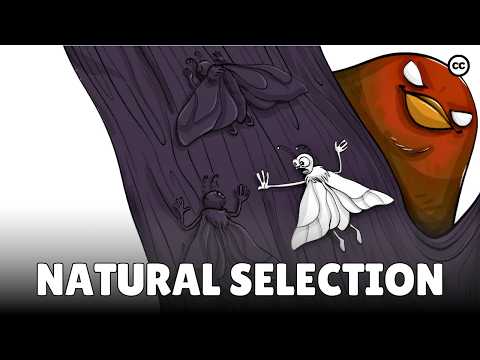
Darwin's Theory of Evolution: Natural Selection
0
林宜悉 posted on 2025/07/30Ever wondered how life changes over time? This animated explainer dives into Darwin's theory of natural selection, using the cool example of peppered moths to show how it works! You'll pick up some fantastic vocabulary related to evolution and genetics, making complex ideas super clear.
Learn this video on the APP!
The VoiceTube App has more in-depth practice for videos!