
alarm
US /əˈlɑ:rm/
UK /əˈlɑ:m/
- Noun
- Sound or light used for a warning or alert
- an alarm clock
- Transitive Verb
- To make someone unpleasantly surprised
A2Moreblare
US /bler/
UK /bleə(r)/
- Intransitive Verb
- (Of a radio, etc.) to make a very loud sound
C2Morecoast
US /kost/
UK /kəʊst/
- Noun
- Land near the sea or ocean
- Intransitive Verb
- To progress in something without trying hard
- (Of a vehicle) to move forward without power
A2TOEICMorecoastline
US /ˈkoʊstlaɪn/
UK /ˈkəʊstlaɪn/
- Noun
- Area of sea alongside the land in an area
C1Moreconcern
US /kənˈsɚn/
UK /kənˈsɜ:n/
- Verb (Transitive/Intransitive)
- To be about a particular topic
- To have a direct impact on someone
- Noun (Countable/Uncountable)
- Company, firm or business
- Feeling of worry or anxiety
A2TOEICMoredamage
US /ˈdæmɪdʒ/
UK /ˈdæmɪdʒ/
- Noun (Countable/Uncountable)
- Physical harm that is done to something
- Transitive Verb
- To harm physically; to hurt or break something
- To harm the reputation of someone.
A2TOEICMoredeadly
US /ˈdɛdli/
UK /ˈdedli/
- Adjective
- Causing or capable of causing death
- Being very accurate
- Adverb
- Extremely; intensely.
A2Moredevastation
US /ˌdevəˈsteɪʃn/
UK /ˌdevəˈsteɪʃn/
- Uncountable Noun
- Act of ruining or destroying something
- A feeling of being extremely shocked and sad.
B1Moreearthquake
US /ˈɜ:rθkweɪk/
UK /ˈɜ:θkweɪk/
- Noun (Countable/Uncountable)
- Heavy shaking of the ground due to natural forces
- A series of vibrations in the earth caused by the abrupt movement of rock far below the surface
B1Moreenormous
US /ɪˈnɔrməs/
UK /iˈnɔ:məs/
- Adjective
- Huge; very big; very important
- Very great in size, amount, or degree.
A2Moreentire
US /ɛnˈtaɪr/
UK /ɪn'taɪə(r)/
- Adjective
- Complete or full; with no part left out; whole
- Undivided; not shared or distributed.
A2TOEICMoreget up in
US /ɡɛt ʌp ɪn/
UK /ɡet ʌp ɪn/
- other
- To wake and leave bed at a particular time.
B2Morehappen along
US /ˈhæpən əˈlɔŋ/
UK /ˈhæpən əˈlɒŋ/
- other
- To appear or arrive unexpectedly.
B2Morein terms of
US
UK
- Phrase
- With regard to; concerning a particular aspect.
A1Morein the middle of
US
UK
- Phrase
- In the central part or point of something.
- Engaged or occupied with something.
A2Morein the world
US /ɪn ði wɜrld/
UK /in ðə wɜː(r)ld/
- Phrase
- Used to emphasize a question expressing surprise, confusion, or disbelief.
- Used to indicate the extent or degree of something, often in a superlative sense.
A1Moreincident
US / ˈɪnsɪdənt/
UK /ˈɪnsɪdənt/
- Noun (Countable/Uncountable)
- Event, usually unusual or important; accident
- A political event that causes difficulties.
A2Moreliteral
US /ˈlɪtərəl/
UK /ˈlɪtərəl/
- Adjective
- Being the basic exact meaning of a word/expression
- Being real and true and without exaggerating
B1Morelocation
US /loʊˈkeɪʃn/
UK /ləʊˈkeɪʃn/
- Noun (Countable/Uncountable)
- Particular position or area of place, event, etc.
- A place away from a studio where film or television shots are made.
B1TOEICMorelook at
US /lʊk æt/
UK /luk æt/
- Phrasal Verb
- To use your eyes to focus on something
- To focus your eyes on something carefully
A1Moremagnitude
US /ˈmæɡnɪˌtud, -ˌtjud/
UK /ˈmægnɪtju:d/
- Noun
- Number representing force of an earthquake
- Size or importance
B2Moreminor
US /ˈmaɪnɚ/
UK /'maɪnə(r)/
- Adjective
- Not so large in size; not important or valuable
- An interval a half tone smaller than its major
- Noun
- Subject studied in college, but not the main one
- Someone too young to be legally responsible
B1Morenewsroom
US /ˈnu:zru:m/
UK /ˈnju:zru:m/
- Noun
- Part of a tv station where news is compiled
C2Moreof course
US /ʌv kɔː(r)s/
UK /ɔv kɔː(r)s/
- Adverb
- Sure ; Certainly
- Phrase
- For sure; certainly
A2Moreon earth
US /ɑn ɚθ/
UK /ɔn ə:θ/
- Phrase
- Used to emphasize a question expressing surprise or anger.
- Used to emphasize that something is not possible or will not happen.
A1Moreout there
US /aʊt ðɛr/
UK /aut ðɛə/
- Adverb
- In or to a place that is far away
- Existing in the universe
- Adjective
- Unconventional; strange; avant-garde
- Existing or available.
A1Morepotential
US /pəˈtɛnʃəl/
UK /pəˈtenʃl/
- Adjective
- Capable of happening or becoming reality
- Having or showing the capacity to develop into something in the future.
- Uncountable Noun
- someone's or something's ability to develop, achieve, or succeed
A2TOEICMorepowerful
US /ˈpaʊəfəl/
UK /ˈpauəful/
- Adjective
- Having control or influence over
- Having a lot of physical force, energy, strength
A2TOEICMorequake
US /kwek/
UK /kweɪk/
- Noun
- Short for earthquake
- Intransitive Verb
- To shake physically, due to fear or anxiety
- (Of buildings) to shake forcefully
B2Morerelate
US /rɪˈlet/
UK /rɪ'leɪt/
- Transitive Verb
- To demonstrate a logical relationship between
- To understand or sympathize with, e.g. a problem
A2TOEICMoreset up
US /sɛt ʌp/
UK /set ʌp/
- Phrasal Verb
- To make arrangements for something; establish
- Verb (Transitive/Intransitive)
- To arrange or prepare something for use.
- To start a business, organization, etc.
A1Morestrike
US /straɪk/
UK /straɪk/
- Transitive Verb
- To hit something
- To remove or erase.
- Noun (Countable/Uncountable)
- A punch or hit
- Fact of not hitting the ball when playing baseball
A2TOEICMoresweep
US /swip/
UK /swi:p/
- Countable Noun
- Man who cleans chimneys
- Long, smooth movement made with your arm or a tool
- Transitive Verb
- To clean something from a surface with a brush
- To search a very wide area for something
A2Moretalking about
US
UK
- Phrasal Verb
- To discuss a particular topic.
- To be constantly mentioning or bringing up a subject.
A1Morethink about
US /θɪŋk əˈbaʊt/
UK /θiŋk əˈbaut/
- Phrasal Verb
- To consider something carefully.
- To remember or call to mind.
A1Moretranslate
US /trænsˈlet/
UK /trænsˈleɪt/
- Transitive Verb
- To change something into a different state
- To be equivalent to; equate to
A2Moretsunami
US /tsʊˈnɑmi/
UK /tsu:ˈnɑ:mi/
- Noun
- Huge sea wave often caused by an earthquake
B2Moreunbelievable
US /ˌʌnbɪˈlivəbəl/
UK /ˌʌnbɪˈli:vəbl/
- Adjective
- Being very hard to believe; very great
- Extremely good or impressive; amazing.
B1Moreupgrade
US /ˈʌpˌɡred/
UK /ˌʌpˈgreɪd/
- Transitive Verb
- To improve something in terms of quality
- Noun (Countable/Uncountable)
- Updated or better version of something
- A new and improved version of a software or system.
B1TOEICMorewave
US /wev/
UK /weɪv/
- Noun (Countable/Uncountable)
- Movement of sound, air or energy
- Deep and strong emotion that is suddenly felt
- Verb (Transitive/Intransitive)
- To cause to move side to side or back and forth
A2More
Vocabulary
- look at: To use your eyes to focus on something
- out there: In or to a place that is far away
- talking about: To discuss a particular topic.
- in the world: Used to emphasize a question expressing surprise, confusion, or disbelief.
- think about: To consider something carefully.
- get up in: To wake and leave bed at a particular time.
- in the middle of: In the central part or point of something.
- on earth: Used to emphasize a question expressing surprise or anger.
- in terms of
- of course: Sure ; Certainly
- happen along: To appear or arrive unexpectedly.
- set up
- entire: Complete or full; with no part left out; whole
- potential: Capable of happening or becoming reality
- enormous: Huge; very big; very important
- situation: Place, position or area that something is in
- force: Group of persons trained for military action; army
- strike: To hit something
- concern: To be about a particular topic
- literal: Being the basic exact meaning of a word/expression
- incident: Event, usually unusual or important; accident
- break: To create a new record e.g. running the 100m dash
- relate: To demonstrate a logical relationship between
- magnitude: Number representing force of an earthquake
- minor: Not so large in size; not important or valuable
- activity: An action or task, e.g. sports, washing clothes
- lot: What happens to a person in life from chance; fate
- alarm: Sound or light used for a warning or alert
- coast: Land near the sea or ocean
- continue: To do something without stopping, or after pausing
- damage: Physical harm that is done to something
- middle: Place that is halfway between two things
- sweep: Man who cleans chimneys
- set: Prepared for something; ready
- land: Region or country
- tsunami: Huge sea wave often caused by an earthquake
- prepare: To make something ready for use
- translate: To change something into a different state
- devastation: Act of ruining or destroying something
- deadly: Causing or capable of causing death
- start: First time or place that a thing exists; beginning
- area: Amount of measured space
- world: All the humans, events, activities on the earth
- time: Speed at which music is played; tempo
- live: To be alive
- location: Particular position or area of place, event, etc.
- wave: Movement of sound, air or energy
- coastline: Area of sea alongside the land in an area
- powerful: Having control or influence over
- upgrade: To improve something in terms of quality
- earthquake: Heavy shaking of the ground due to natural forces
- unbelievable: Being very hard to believe; very great
- quake: Short for earthquake
- blare: (Of a radio, etc.) to make a very loud sound
- newsroom: Part of a tv station where news is compiled
Get the full experience in the app
Learn anywhere with detailed sentence and usage analysis
01:03
She took a brave step forward, leaving behind her comfort zone to chase her dreams.
Vocabulary
- brave
adj. Having courage
- comfort zone
phr. A familiar situation where one feels safe
Explanation
a brave step is a noun phrase, where brave is an adjective modifying the noun step, meaning "a courageous step".
forward is an adverb modifying step, meaning "ahead".
The whole phrase serves as the object, answering the "what" of took (verb) — she took a brave step forward.
Get the full experience in the app
Look up words anytime with pronunciation, part of speech, and usage
brave
US/brev/
UK/breɪv/
adj.Brave
v.t.To bravely face
A2 Elementary
Get the full experience in the app
Practice speaking anytime and get instant pronunciation feedback
Try this speaking exercise.
Try practicing with this sentence.
80
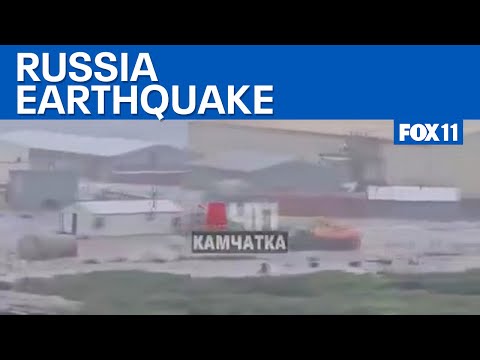
8.8 earthquake near Russia leads to tsunami in Kamchatka | FOX 11 LA
0
VoiceTube posted on 2025/07/30Wow, get ready for some breaking news! This video dives into the dramatic events of an 8.8 earthquake near Russia and the resulting tsunami, showing you live footage and emergency alerts. You'll pick up essential vocabulary related to natural disasters and practice understanding simple sentence structures used in urgent news reports.
Learn this video on the APP!
The VoiceTube App has more in-depth practice for videos!