
accomplish
US /əˈkɑmplɪʃ/
UK /ə'kʌmplɪʃ/
- Transitive Verb
- To succeed in doing; complete successfully
B1TOEICMoreaddiction
US /əˈdɪkʃən/
UK /əˈdɪkʃn/
- Noun (Countable/Uncountable)
- Lack of control the overuse of something e.g. drugs
- A compulsive physiological need for a habit-forming substance.
B1TOEICMoreagainst the grain
US
UK
- Phrase
- Contrary to someone's natural inclinations or feelings; in opposition to what is normal or expected.
- In a direction that is perpendicular to the fibers of wood, making it difficult to work with.
A2Morealong with
US /əˈlɔŋ wɪð/
UK /əˈlɔŋ wið/
- Preposition
- In addition to; together with.
- Adverb
- In company or together with someone or something.
- Including; in addition to.
A2Morealtogether
US /ˌɔltəˈɡɛðɚ/
UK /ˌɔ:ltəˈgeðə(r)/
- Adverb
- All things considered
- Completely and entirely, fully
A2Moreapproval
US /əˈpruvəl/
UK /əˈpru:vl/
- Uncountable Noun
- Agreement that person/thing is acceptable
- Positive opinion of something or someone
A2TOEICMorebased on
US
UK
- Phrasal Verb
- To use something as the foundation or starting point for something else.
- Preposition
- Using something as the main idea or foundation.
- Relying on something as evidence or justification.
A1Morebasically
US /ˈbesɪkəli,-kli/
UK /ˈbeɪsɪkli/
- Adverb
- Used before you explain something simply, clearly
- In essence; when you consider the most important aspects of something.
A2Morecome back
US /kʌm bæk/
UK /kʌm bæk/
- Phrasal Verb
- To reply to someone, often forcefully
- To be remembered
A1Morecomment
US /ˈkɑmɛnt/
UK /'kɒment/
- Noun (Countable/Uncountable)
- Something you say, giving an opinion; remark
- An explanatory note in a computer program.
- Verb (Transitive/Intransitive)
- To say something that gives your opinion
- To add explanatory notes to a computer program.
A2Morecommonly
US /ˈkɑmənlɪ/
UK /ˈkɒmənli/
- Adverb
- Typically, normally; not unusually
- Widely; by many people.
A2Moreconcentrate
US /ˈkɑnsənˌtret/
UK /'kɒnsntreɪt/
- Verb (Transitive/Intransitive)
- To cause to be present in large amount or number
- To pay great attention to a task; focus
- Noun (Countable/Uncountable)
- A substance made by removing water or other diluents; a concentrated form of something.
A2Moreconfrontation
US /ˌkɑ:nfrənˈteɪʃn/
UK /ˌkɒnfrʌnˈteɪʃn/
- Noun
- A disagreement or argument
B1Morecontrary
US /ˈkɑnˌtrɛri/
UK /'kɒntrərɪ/
- Adjective
- (Of weather) difficult; likely to cause trouble
- Going against authority, a parent, or the rules
- Adverb
- In opposition to.
B1Morecontrary to
US /ˈkɑnˌtrɛri tu/
UK /ˈkɔntrəri tu:/
- Preposition
- In opposition to; against.
- Differing from; not in agreement with.
A1Moreengage
US /ɪn'gedʒ/
UK /ɪn'ɡeɪdʒ/
- Transitive Verb
- To start to fight with an enemy
- To hire someone for a task or job
A2TOEICMoreexpression
US /ɪkˈsprɛʃən/
UK /ɪk'spreʃn/
- Noun (Countable/Uncountable)
- Act of making your thoughts and feelings known
- Group of words that have a specific meaning
A2TOEICMoreextended period
US
UK
- Phrase
- A long duration of time.
- A significant duration in history.
B2Moreextinguish
US /ɪkˈstɪŋɡwɪʃ/
UK /ɪk'stɪŋɡwɪʃ/
- Transitive Verb
- To make something stop burning
- To make something end or die
B1TOEICMorefeel like
US
UK
- Intransitive Verb
- To have a desire or inclination for something.
- To have a particular quality or sensation; resemble.
A1Moreflu
US /flu/
UK /flu:/
- Noun (Countable/Uncountable)
- Illness causing headache, fever etc.
- A specific instance or bout of influenza.
B2Morefor example
US
UK
- Phrase
- As an illustration or instance.
go against
US
UK
- Phrasal Verb
- To disagree with or challenge someone
A1Morego ahead
US /ɡo əˈhɛd/
UK /ɡəu əˈhed/
- Phrasal Verb
- To start an activity; start doing, working etc.
- To give permission to do something
- Intransitive Verb
- To start or proceed with something
- To proceed despite potential obstacles or doubts.
A1Morego along with
US /ɡo əˈlɔŋ wɪð/
UK /ɡəu əˈlɔŋ wið/
- Phrasal Verb
- To agree to do something
A1Morego around
US /ɡo əˈraʊnd/
UK /ɡəu əˈraund/
- Phrasal Verb
- (Of news, gossip) to be known; circulate
- To go here and there, from place to place; wander
A1Morego away
US /ɡo əˈwe/
UK /ɡəu əˈwei/
- Phrasal Verb
- To go on vacation
- To leave; depart.
A1Morego for it
US /ɡo fɔr ɪt/
UK /ɡəu fɔ: it/
- Interjection
- An expression of encouragement or approval.
- Intransitive Verb
- To try to achieve something; to make an attempt.
A1Morego on
US /ɡo ɑn/
UK /ɡəu ɔn/
- Phrasal Verb
- To continue doing something
- To happen (usually negative)
- Interjection
- Used to encourage someone
A1Morego out
US /ɡo aʊt/
UK /ɡəu aut/
- Phrase
- To leave a building (e.g. a house)
- Phrasal Verb
- (Of a fire) to burn out; be extinguished
- Go out of fashion to stop being fashionable
A1Morego past
US
UK
- Phrasal Verb
- To move beyond a particular place or point.
- To exceed a time limit or expected duration.
A1Morego up against
US /goʊ ʌp əˈgɛnst/
UK /gəu ʌp əˈgenst/
- other
- To compete or confront someone in a contest or challenge.
B2Moregoing on
US /ˈɡoɪŋ ɑn/
UK /ˈgəʊɪŋ ɔn/
- Phrasal Verb
- To continue doing something
- To happen (usually negative)
A1Moregrain
US /ɡren/
UK /greɪn/
- Noun (Countable/Uncountable)
- Seeds of plants used for food
- Natural pattern in something, e.g. wood
B1TOEICMorehave to
US /hæv tu/
UK /ˈhæv tə/
- Auxiliary Verb
- Must do
A1Morehungry
US /ˈhʌŋɡri/
UK /ˈhʌŋgri/
- Adjective
- Feeling a need or want to eat food
- Feeling a need or want to eat food
B2Morein order to
US /ɪn ˈɔrdɚ tu/
UK /in ˈɔ:də tu:/
- Preposition
- For the purpose of; with the aim of.
- Phrase
- In a specific sequence or arrangement.
- With the aim of; for the purpose of.
C1Moreinstead of
US /ɪnˈstɛd ʌv/
UK /inˈsted ɔv/
- Preposition
- When one thing is replaced by another
- Adverb
- As a substitute or alternative.
A1Morejudge
US /dʒʌdʒ/
UK /dʒʌdʒ/
- Noun (Countable/Uncountable)
- Person who decides on the results of a contest
- Person who has the power to make a decision
- Verb (Transitive/Intransitive)
- To reach a decision about who won a contest
- To form an opinion after careful consideration
A2TOEICMoreliteral
US /ˈlɪtərəl/
UK /ˈlɪtərəl/
- Adjective
- Being the basic exact meaning of a word/expression
- Being real and true and without exaggerating
B1Moreliterally
US /ˈlɪtərəli/
UK
- Adverb
- In a literal manner or sense; exactly as stated.
- Used for emphasis to describe something that is actually true, often to highlight surprise or intensity.
B1Moremove on
US /muv ɑn/
UK /mu:v ɔn/
- Phrasal Verb
- To decide to change or go to a different place
- To start talking about something different.
A1Moreof course
US /ʌv kɔː(r)s/
UK /ɔv kɔː(r)s/
- Adverb
- Sure ; Certainly
- Phrase
- For sure; certainly
A2Moreon the internet
US
UK
- Phrase
- Located or available on the internet.
- Using the internet as a medium or platform.
A1Moreon the other hand
US
UK
- Phrase
- Considering a different aspect of the matter; alternatively.
A1Moreon to
US /ɑn tu/
UK /ɔn tu:/
- Preposition
- Toward something; forward
- Aware of someone's activities.
- Adjective
- Aware of someone's deception or illegal activities.
A1Moreout of town
US /aʊt ʌv taʊn/
UK /aut ɔv taun/
- Phrase
- Away from one's usual place of residence or work; absent from the local area.
- Adjective
- Not available in the local area; absent and unreachable.
A1Morepass out
US /pæs aʊt/
UK /pɑ:s aut/
- Phrasal Verb
- To distribute or hand out papers to people
- To faint; lose consciousness
A1Morephrasal
US
UK
- Adjective
- Concerning or consisting of a phrase
B1Moreprecedent
US /ˈprɛsɪdənt/
UK /ˈpresɪdənt/
- Countable Noun
- A similar action happening before now
B1Moreprison
US /ˈprɪzən/
UK /'prɪzn/
- Noun (Countable/Uncountable)
- Place the court puts criminals as punishment; jail
- A state of confinement or captivity.
A2Moreproper
US /ˈprɑpɚ/
UK /'prɒpə(r)/
- Adjective
- Correct according to social or moral rules
- Behaving in a polite and socially acceptable way.
A2TOEICMorepunch
US /pʌntʃ/
UK /pʌntʃ/
- Noun (Countable/Uncountable)
- Alcoholic drink made from wine and fruit, etc.
- Transitive Verb
- To hit something very hard with a closed hand
- To make a hole in something with a special tool
B1Morequiz
US /kwɪz/
UK /kwɪz/
- Noun (Countable/Uncountable)
- A game in which players answer questions on topics
- Brief spoken or written test, given to students
- Transitive Verb
- To ask a person many questions about something
B1Morerecommend
US /ˌrɛkəˈmɛnd/
UK /ˌrekə'mend/
- Transitive Verb
- To advise or suggest that someone do something
- To endorse or support something publicly.
A2TOEICMorerefresh
US /rɪˈfrɛʃ/
UK /rɪ'freʃ/
- Transitive Verb
- To refill a person's glass with a drink
- To restore strength and energy to; revive
B1Morerehabilitation
US /ˌrihəˌbɪləˈteʃən/
UK /ˌri:əˌbɪlɪ'teɪʃn/
- Uncountable Noun
- Helping criminals, etc. to return to normal life
- The act of restoring something to its original state.
B2Moresection
US / ˈsɛkʃən/
UK /'sekʃn/
- Noun (Countable/Uncountable)
- A part of a whole
- Specific group of people from a larger group
- Transitive Verb
- To divide something into smaller parts
B1TOEICMoreshut up
US /ʃʌt ʌp/
UK /ʃʌt ʌp/
- Phrasal Verb
- To close something, e.g. a shop
- To (cause someone to) be silent or not speak
- Interjection
- An expression of disbelief or surprise
A2Morespecifically
US /spəˈsɪfɪkli/
UK /spəˈsɪfɪkli/
- Adverb
- As regards a particular thing; closely related to
- In a definite and clear manner.
A2Moresplinter
US /ˈsplɪntɚ/
UK /ˈsplɪntə(r)/
- Verb (Transitive/Intransitive)
- To split a large group into smaller groups
- To become broken off into small, thin pieces
- Countable Noun
- Thin piece that is broken off something
B2Morespread
US /sprɛd/
UK /spred/
- Noun (Countable/Uncountable)
- A big meal, often laid out as a buffet
- The distance between two things
- Verb (Transitive/Intransitive)
- To place over a large area; to cover a large area
- (Of ideas, gossip) to pass to and affect others
A2TOEICMoretalking about
US
UK
- Phrasal Verb
- To discuss a particular topic.
- To be constantly mentioning or bringing up a subject.
A1Moretarget
US /ˈtɑrɡɪt/
UK /'tɑ:ɡɪt/
- Noun (Countable/Uncountable)
- A goal or amount you are trying to achieve
- Group you are trying to sell to or influence
- Transitive Verb
- To try to influence; direct a message toward
- (Army) to aim an attack at something
A2TOEICMorethink about
US /θɪŋk əˈbaʊt/
UK /θiŋk əˈbaut/
- Phrasal Verb
- To consider something carefully.
- To remember or call to mind.
A1Morethink of
US /θɪŋk ʌv/
UK /θiŋk ɔv/
- Phrasal Verb
- To look on as (being something specific); consider
- To consider or remember something.
- Verb (Transitive/Intransitive)
- To imagine or call something to mind
A1Moreturn on
US /tɚn ɑn/
UK /tə:n ɔn/
- Phrasal Verb
- To cause someone to be interested or excited
- Transitive Verb
- To activate or switch on a device or appliance.
- To suddenly attack or criticize someone.
A1Moreup against
US /ʌp əˈɡenst/
UK /ʌp əˈɡenst/
- Phrase
- Facing or contending with something difficult or challenging.
- In close proximity or contact with something.
yell
US /jɛl/
UK /jel/
- Noun
- A sudden loud cry or shout
- Intransitive Verb
- To shout loudly at someone in pain or excitement
B1More
Vocabulary
- go ahead: To start an activity; start doing, working etc.
- move on: To decide to change or go to a different place
- up against: Facing or contending with something difficult or challenging.
- go away: To go on vacation
- go out: To leave a building (e.g. a house)
- go up against: To compete or confront someone in a contest or challenge.
- go on: To continue doing something
- along with: In addition to; together with.
- go along with: To agree to do something
- go against: To disagree with or challenge someone
- go for it: An expression of encouragement or approval.
- for example: As an illustration or instance.
- on to: Toward something; forward
- talking about: To discuss a particular topic.
- have to: Must do
- based on: To use something as the foundation or starting point for something else.
- going on: To continue doing something
- go around: (Of news, gossip) to be known; circulate
- against the grain: Contrary to someone's natural inclinations or feelings; in opposition to what is normal or expected.
- feel like: To have a desire or inclination for something.
- extended period: A long duration of time.
- out of town: Away from one's usual place of residence or work; absent from the local area.
- go past: To move beyond a particular place or point.
- in order to: For the purpose of; with the aim of.
- instead of: When one thing is replaced by another
- on the other hand : Considering a different aspect of the matter; alternatively.
- contrary to: In opposition to; against.
- think about: To consider something carefully.
- turn on
- shut up: To close something, e.g. a shop
- pass out: To distribute or hand out papers to people
- on the internet: Located or available on the internet.
- think of: To look on as (being something specific); consider
- of course: Sure ; Certainly
- come back: To reply to someone, often forcefully
- literally: In a literal manner or sense; exactly as stated.
- engage: To start to fight with an enemy
- situation: Place, position or area that something is in
- recommend: To advise or suggest that someone do something
- expression: Act of making your thoughts and feelings known
- basically: Used before you explain something simply, clearly
- improve: To make, or become, something better
- specifically: As regards a particular thing; closely related to
- accomplish: To succeed in doing; complete successfully
- spread: A big meal, often laid out as a buffet
- comment: Something you say, giving an opinion; remark
- proper: Correct according to social or moral rules
- concentrate: To cause to be present in large amount or number
- bit: Device put in a horse's mouth to control it
- mean: Average of a set of numbers
- addiction: Lack of control the overuse of something e.g. drugs
- judge: Person who decides on the results of a contest
- contrary: (Of weather) difficult; likely to cause trouble
- section: A part of a whole
- grain: Seeds of plants used for food
- literal: Being the basic exact meaning of a word/expression
- throw: To use your arm to make something fly in the air
- quiz: A game in which players answer questions on topics
- leave: To go away from; depart
- suggest: To mention something that could be done; propose
- prison: Place the court puts criminals as punishment; jail
- target: A goal or amount you are trying to achieve
- approval: Agreement that person/thing is acceptable
- company: Good feeling from being with someone else
- altogether: All things considered
- commonly: Typically, normally; not unusually
- rehabilitation: Helping criminals, etc. to return to normal life
- place: To put someone in a particular type of situation
- phrasal: Concerning or consisting of a phrase
- punch: Alcoholic drink made from wine and fruit, etc.
- control: A device designed to operate a machine
- continue: To do something without stopping, or after pausing
- preposition: Word such as 'at' 'on' etc. showing position/time
- precedent: A similar action happening before now
- verb: Word that expresses an action or state
- confrontation: A disagreement or argument
- front: Behavior not showing a person's true feelings
- include: To make someone, something part of a group
- yell: A sudden loud cry or shout
- extinguish: To make something stop burning
- refresh: To refill a person's glass with a drink
- flu: Illness causing headache, fever etc.
- splinter: To split a large group into smaller groups
- hungry: Feeling a need or want to eat food
Get the full experience in the app
Learn anywhere with detailed sentence and usage analysis
01:03
She took a brave step forward, leaving behind her comfort zone to chase her dreams.
Vocabulary
- brave
adj. Having courage
- comfort zone
phr. A familiar situation where one feels safe
Explanation
a brave step is a noun phrase, where brave is an adjective modifying the noun step, meaning "a courageous step".
forward is an adverb modifying step, meaning "ahead".
The whole phrase serves as the object, answering the "what" of took (verb) — she took a brave step forward.
Get the full experience in the app
Look up words anytime with pronunciation, part of speech, and usage
brave
US/brev/
UK/breɪv/
adj.Brave
v.t.To bravely face
A2 Elementary
Get the full experience in the app
Practice speaking anytime and get instant pronunciation feedback
Try this speaking exercise.
Try practicing with this sentence.
80
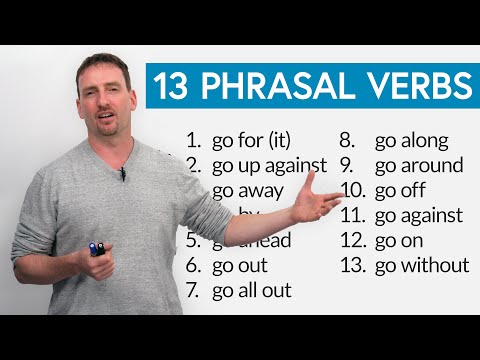
13 Phrasal Verbs with GO: go for, go on, go along, go ahead...
0
林宜悉 posted on 2025/07/28Ever feel like you're just 'going' through the motions? This video breaks down 13 essential phrasal verbs with 'go' like 'go for' and 'go ahead' that you'll use every single day! You'll pick up practical expressions and boost your everyday English with tons of usage examples.
Learn this video on the APP!
The VoiceTube App has more in-depth practice for videos!