
access
US /ˈæksɛs/
UK /'ækses/
- Noun (Countable/Uncountable)
- Way to enter a place, e.g. a station or stadium
- The opportunity or right to use something or to see someone.
- Transitive Verb
- To be able to use or have permission to use
A2TOEICMoreartillery
US /ɑ:rˈtɪləri/
UK /ɑ:ˈtɪləri/
- Noun
- Guns used by the military larger than machine guns
B2Moreattrition
US /əˈtrɪʃən/
UK /əˈtrɪʃn/
- Uncountable Noun
- Reduction in size, numbers, or strength over time
C1Moreautomatic
US /ˌɔtəˈmætɪk/
UK /ˌɔ:tə'mætɪk/
- Adjective
- Done without conscious thought
- Operating by itself, without an operator
- Noun
- Car that is able to change gears by itself
A2Moreavoid
US /əˈvɔɪd/
UK /ə'vɔɪd/
- Transitive Verb
- To prevent from happening
- To stay away from
A2TOEICMorebattalion
US /bəˈtæljən/
UK /bəˈtæliən/
- Countable Noun
- Military unit of 300-800 soldiers
B2Morebrigade
US /brɪˈɡeɪd/
UK /brɪ'ɡeɪd/
- Noun
- Official group who give help or rescue
B2Morecapability
US /ˌkeɪpə'bɪləti/
UK /ˌkeɪpəˈbɪləti/
- Noun (Countable/Uncountable)
- Means, ability, or potential to do something
- The potential or capacity for future development or achievement.
B1Morecapable
US /ˈkepəbəl/
UK /'keɪpəbl/
- Adjective
- Being able to do something very well; proficient
- Having the ability, fitness, or quality necessary to do or achieve a specified thing.
A2Moreclip
US /klɪp/
UK /klɪp/
- Countable Noun
- A metal holder used for keeping things together
- Brief part of a television show or movie
- Transitive Verb
- To attach things together using a metal pin
- To cut a small section or piece out from something
B1Morecombat
US /kəmˈbæt, ˈkɑmˌbæt/
UK /'kɒmbæt/
- Verb (Transitive/Intransitive)
- To fight someone or something physically
B1Moredefense
US /dɪˈfɛns/
UK /dɪ'fens/
- Noun (Countable/Uncountable)
- Argument in support of something
- The process of protecting something from attack
B1TOEICMoredepend
US /dɪˈpend/
UK /dɪˈpend/
- Verb (Transitive/Intransitive)
- Be controlled or determined by (someone/something)
- To rely on someone or something for support, help, or existence.
B1TOEICMoredepending on
US
UK
- Phrasal Verb
- To rely on for support (financial or emotional)
- Influenced or determined by.
- Preposition
- Subject to; contingent on
- Relying on someone or something for support or assistance.
A2Moredraw upon
US /drɔ əˈpɑn/
UK /drɔ: əˈpɔn/
- Phrasal Verb
- To use something that you have gradually gained or saved
B1Moreembed
US /ɛmˈbɛd/
UK /ɪm'bed/
- Transitive Verb
- To place or set inside rock, etc.
- To integrate (something) into something else.
B2Moreenemy
US /ˈɛnəmi/
UK /ˈenəmi/
- Noun
- Something that stops you doing what you want
- Group, or people, you are opposed to
A2Moreengage
US /ɪn'gedʒ/
UK /ɪn'ɡeɪdʒ/
- Transitive Verb
- To start to fight with an enemy
- To hire someone for a task or job
A2TOEICMoreextrapolate
US /ɪkˈstræpəˌlet/
UK /ɪk'stræpəleɪt/
- Verb (Transitive/Intransitive)
- To use facts to make guesses, opinions
C1Morefirepower
US /ˈfaɪərpaʊə(r)/
UK /ˈfaɪəpaʊə(r)/
- Uncountable Noun
- Relative capacity for shooting, bombing a target
C2Moreflavour
US /ˈflevɚ/
UK /ˈfleɪvə(r)/
- Noun (Countable/Uncountable)
- Taste of something, especially in food or drink
- Transitive Verb
- To add extra taste to a food
B1Morefor example
US
UK
- Phrase
- As an illustration or instance.
frank
US /fræŋk/
UK /fræŋk/
- Proper Noun
- Member of the ancient Germanic peoples
- Person's name
- Transitive Verb
- To stamp envelopes for posting
B2TOEICMorefrankly
US /ˈfræŋkli/
UK /ˈfræŋkli/
- Adverb
- Speaking honestly and directly
- Used to express disagreement or mild disapproval.
B2Moregrenade
US /ɡrəˈned/
UK /ɡrə'neɪd/
- Countable Noun
- Hand-held explosive devise
B2Moreguard
US /ɡɑrd/
UK /ɡɑ:d/
- Transitive Verb
- To keep watch over something to protect it
- Noun (Countable/Uncountable)
- Someone who watches a place or prevents escapes
- A player in basketball whose primary role is to handle the ball and initiate the offense.
A2Morehave to
US /hæv tu/
UK /ˈhæv tə/
- Auxiliary Verb
- Must do
A1Moreimproper
US /ɪmˈprɑpɚ/
UK /ɪmˈprɒpə(r)/
- Adjective
- Not conforming to social or moral rules; rude
B1Morein the trenches
US /ɪn ðə ˈtrɛntʃɪz/
UK /ɪn ðə ˈtrentʃɪz/
- other
- Engaged directly and actively in difficult work or conflict.
B2Moreindividual
US /ˌɪndəˈvɪdʒuəl/
UK /ˌɪndɪˈvɪdʒuəl/
- Countable Noun
- Single person, looked at separately from others
- A single thing or item, especially when part of a set or group.
- Adjective
- Made for use by one single person
- Having a distinct manner different from others
A2Moremilitary
US /ˈmɪlɪˌtɛri/
UK /'mɪlətrɪ/
- Noun
- Army or armed forces
- Adjective
- Concerning the army or navy
B1Moreof course
US /ʌv kɔː(r)s/
UK /ɔv kɔː(r)s/
- Adverb
- Sure ; Certainly
- Phrase
- For sure; certainly
A2Moreon a daily basis
US
UK
- Phrase
- Happening every day.
A1Moreplenty
US /ˈplɛnti/
UK /'plentɪ/
- Pronoun
- When there is not too little of something; a lot
- Uncountable Noun
- A large or sufficient amount or quantity; abundance.
- A lot of something
A2Morepony
US /ˈponi/
UK /'pəʊnɪ/
- Noun
- Small young horse
B2Moreregion
US /ˈridʒən/
UK /'ri:dʒən/
- Noun (Countable/Uncountable)
- Part of a country, of the world, area, etc.
- A part of the body
A2TOEICMorerelentless
US /rɪˈlɛntlɪs/
UK /rɪ'lentləs/
- Adjective
- Continuing without slowing or losing strength
- Persistent and determined; refusing to give up or be deterred.
C1Morerespond
US /rɪˈspɑnd/
UK /rɪ'spɒnd/
- Verb (Transitive/Intransitive)
- To answer something or someone
- To have a good reaction to e.g. medical treatment
A2TOEICMoresignificant
US /sɪɡˈnɪfɪkənt/
UK /sɪgˈnɪfɪkənt/
- Adjective
- Large enough to be noticed or have an effect
- Having meaning; important; noticeable
A2TOEICMoresophisticated
US /səˈfɪstɪˌketɪd/
UK /səˈfɪstɪkeɪtɪd/
- Adjective
- Making a good sounding but misleading argument
- Wise in the way of the world; having refined taste
- Transitive Verb
- To make someone more worldly and experienced
B1TOEICMorespun
US /spʌn/
UK /spʌn/
- Verb (Transitive/Intransitive)
- To make a ball rotate when throwing it
- To feel dizzy/confused, as in my head is spinning
B1Moresuffer
US / ˈsʌfɚ/
UK /'sʌfə(r)/
- Verb (Transitive/Intransitive)
- To experience pain, illness, or injury
- To allow or permit something, especially something unpleasant.
A2Moretank
US /tæŋk/
UK /tæŋk/
- Noun (Countable/Uncountable)
- Container for holding liquid or gas
- Military vehicle that can go over rough areas
- Intransitive Verb
- To fail completely or badly
- To deliberately lose a game or contest
B1Moreterritorial
US /ˌtɛrɪˈtɔriəl, -ˈtor-/
UK /ˌterəˈtɔ:riəl/
- Adjective
- Associated with the ownership of an area
- Defensive of a space or area.
B1Morethick
US /θɪk/
UK /θɪk/
- Adjective
- Difficult to see through, as fog
- Full of (people, etc.)
- Adverb
- In close association or friendship.
A2Moretrench
US /trɛntʃ/
UK /trentʃ/
- Noun (Countable/Uncountable)
- Long narrow hole dug in the ground
- Long, narrow, and deep hole in the ocean floor
- Transitive Verb
- To dig a trench.
B2Moreunit
US /ˈjunɪt/
UK /ˈju:nɪt/
- Countable Noun
- One apartment in a building
- Group of people, e.g. soldiers, that work together
B2TOEICMoreurban
US /ˈɚbən/
UK /'ɜ:bən/
- Adjective
- Concerning a city; located in a city
- Relating to the style of dress and music popular in cities.
B1TOEICMorevary
US /ˈveri/
UK /ˈveəri/
- Verb (Transitive/Intransitive)
- To change something and make it different
- To be changeable, both up and down
A2TOEICMorewarfare
US /ˈwɔrˌfɛr/
UK /ˈwɔ:fɛə/
- Uncountable Noun
- Methods used by those fighting in a war
- Engagement in or the activities involved in war or conflict.
B2Moreweaponry
US /ˈwɛpənri/
UK /ˈwepənri/
- Uncountable Noun
- Collection of weapons and weapon-like instruments
C1More
Vocabulary
- in the trenches: Engaged directly and actively in difficult work or conflict.
- depending on: To rely on for support (financial or emotional)
- of course: Sure ; Certainly
- draw upon: To use something that you have gradually gained or saved
- for example: As an illustration or instance.
- on a daily basis: Happening every day.
- have to: Must do
- individual: Single person, looked at separately from others
- significant: Large enough to be noticed or have an effect
- sophisticated: Making a good sounding but misleading argument
- present: Being in attendance; being there; having turned up
- engage: To start to fight with an enemy
- access: Way to enter a place, e.g. a station or stadium
- improve: To make, or become, something better
- experience: Thing a person has done or that happened to them
- plenty: When there is not too little of something; a lot
- capable: Being able to do something very well; proficient
- combat: To fight someone or something physically
- frankly: Speaking honestly and directly
- relentless: Continuing without slowing or losing strength
- field: Area of study, such as physics or biology
- military: Army or armed forces
- avoid: To prevent from happening
- draw: To attract attention to someone or something
- suffer: To experience pain, illness, or injury
- address: Exact street location of a place
- region: Part of a country, of the world, area, etc.
- effect: An advantage, benefit
- compare: To consider how similar and different things are
- thick: Difficult to see through, as fog
- throw: To use your arm to make something fly in the air
- risk: To do something potentially dangerous or foolish
- rate: To assess something or consider its qualities
- clip: A metal holder used for keeping things together
- respond: To answer something or someone
- urban: Concerning a city; located in a city
- guard: To keep watch over something to protect it
- enemy: Something that stops you doing what you want
- vary: To change something and make it different
- lot: What happens to a person in life from chance; fate
- defense: Argument in support of something
- depend: Be controlled or determined by (someone/something)
- place: To put someone in a particular type of situation
- kind: In a caring and helpful manner
- automatic: Done without conscious thought
- learn: To get knowledge or skills by study or experience
- frank: Member of the ancient Germanic peoples
- embed: To place or set inside rock, etc.
- capability: Means, ability, or potential to do something
- trench: Long narrow hole dug in the ground
- tank: Container for holding liquid or gas
- unit: One apartment in a building
- artillery: Guns used by the military larger than machine guns
- warfare: Methods used by those fighting in a war
- spun: To make a ball rotate when throwing it
- territorial: Associated with the ownership of an area
- flavour: Taste of something, especially in food or drink
- grenade: Hand-held explosive devise
- improper: Not conforming to social or moral rules; rude
- extrapolate: To use facts to make guesses, opinions
- brigade: Official group who give help or rescue
- pony: Small young horse
- weaponry: Collection of weapons and weapon-like instruments
- attrition: Reduction in size, numbers, or strength over time
- battalion: Military unit of 300-800 soldiers
- firepower: Relative capacity for shooting, bombing a target
Get the full experience in the app
Learn anywhere with detailed sentence and usage analysis
01:03
She took a brave step forward, leaving behind her comfort zone to chase her dreams.
Vocabulary
- brave
adj. Having courage
- comfort zone
phr. A familiar situation where one feels safe
Explanation
a brave step is a noun phrase, where brave is an adjective modifying the noun step, meaning "a courageous step".
forward is an adverb modifying step, meaning "ahead".
The whole phrase serves as the object, answering the "what" of took (verb) — she took a brave step forward.
Get the full experience in the app
Look up words anytime with pronunciation, part of speech, and usage
brave
US/brev/
UK/breɪv/
adj.Brave
v.t.To bravely face
A2 Elementary
Get the full experience in the app
Practice speaking anytime and get instant pronunciation feedback
Try this speaking exercise.
Try practicing with this sentence.
80
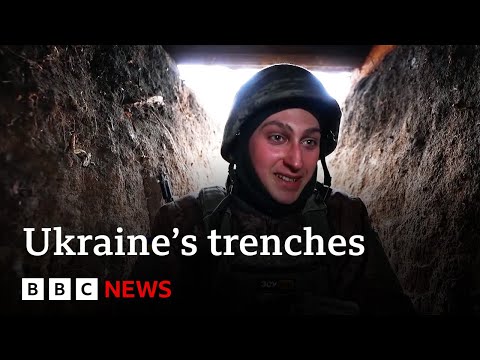
Ukraine: Coming under fire in the Donbas trenches - BBC News
0
林宜悉 posted on 2025/07/28Ever wondered what life is like on the front lines? This embedded report from the Donbas trenches gives you a raw, soldier's perspective on trench warfare and artillery barrages. You'll pick up advanced military vocabulary and gain deep cultural insights into the realities of the conflict.
Learn this video on the APP!
The VoiceTube App has more in-depth practice for videos!