
advice
US /əd'vaɪs/
UK /ədˈvaɪs/
- Uncountable Noun
- Suggestion about what would help someone
- Professional guidance from a lawyer or legal expert.
A2TOEICMoreadvocacy
US /ˈædvəkəsi/
UK /ˈædvəkəsi/
- Uncountable Noun
- Request for change
- Public support for a belief
B1Morecalm
US /kɑm/
UK /kɑ:m/
- Adjective
- Without wind or storm; quiet; peaceful
- Relaxed and not worried or angry
- Verb (Transitive/Intransitive)
- To make or become relaxed and not worried or angry
A2Morecalm down
US /kɑm daʊn/
UK /kɑ:m daun/
- Phrasal Verb
- To make or become relaxed after being stressed
A2Morechallenge
US /ˈtʃæləndʒ/
UK /'tʃælɪndʒ/
- Noun (Countable/Uncountable)
- An activity you wish to try that may be hard to do
- Act of formally inviting someone to compete
- Transitive Verb
- To formally invite someone to compete at something
- To question the correctness of something
A2Morecomfortable
US /ˈkʌmfətəbəl, ˈkʌmftəbəl/
UK /ˈkʌmftəbl/
- Adjective
- Having more than enough e.g. money for your needs
- Being relaxed, warm or happy
A2Morecommunication
US /kəˌmjunɪˈkeʃən/
UK /kəˌmju:nɪ'keɪʃn/
- Noun (Countable/Uncountable)
- Talking to people; giving information to people
- The process of conveying information, ideas, or feelings through language or other means.
A2Moreconflict
US /ˈkɑnˌflɪkt/
UK /'kɒnflɪkt/
- Noun (Countable/Uncountable)
- Argument or struggle between two or more parties
- A serious disagreement or argument.
- Verb (Transitive/Intransitive)
- To have opposite ideas; to disagree; To not match
A2Morecontext
US /ˈkɑnˌtɛkst/
UK /ˈkɒntekst/
- Noun (Countable/Uncountable)
- Set of facts surrounding a person or event
- The circumstances that form the setting for an event, statement, or idea, and in terms of which it can be fully understood and assessed.
A2Moreconversation
US /ˌkɑnvɚˈseʃən/
UK /ˌkɒnvəˈseɪʃn/
- Uncountable Noun
- Talking with other people; discussion or chat
- General communication or interaction.
A2Moredepend
US /dɪˈpend/
UK /dɪˈpend/
- Verb (Transitive/Intransitive)
- Be controlled or determined by (someone/something)
- To rely on someone or something for support, help, or existence.
B1TOEICMoredepending on
US
UK
- Phrasal Verb
- To rely on for support (financial or emotional)
- Influenced or determined by.
- Preposition
- Subject to; contingent on
- Relying on someone or something for support or assistance.
A2Moredeploy
US /dɪˈplɔɪ/
UK /dɪˈplɔɪ/
- Transitive Verb
- To put into position (often a military operation)
- To put something into use or action.
B1TOEICMoredeserve
US /dɪˈzɚv/
UK /dɪ'zɜ:v/
- Transitive Verb
- To be worthy of, e.g. getting praise or attention
A2TOEICMoredichotomy
US /daɪˈkɑtəmi/
UK /daɪ'kɒtəmɪ/
- Noun
- Difference between two completely opposite ideas
C1Moreempower
US /ɛmˈpaʊɚ/
UK /ɪm'paʊə(r)/
- Transitive Verb
- To give someone a power or ability
B2Moreevaluate
US /ɪˈvæljuˌet/
UK /ɪˈvæljueɪt/
- Transitive Verb
- To form an idea to judge something carefully
- To calculate or work out the value or amount of something.
A2TOEICMorefeel like
US
UK
- Intransitive Verb
- To have a desire or inclination for something.
- To have a particular quality or sensation; resemble.
A1Morehave to
US /hæv tu/
UK /ˈhæv tə/
- Auxiliary Verb
- Must do
A1Moreheighten
US /ˈhaɪtn/
UK /'haɪtn/
- Transitive Verb
- To increase the degree or intensity of something
B1Morejustify
US /ˈdʒʌstəˌfaɪ/
UK /ˈdʒʌstɪfaɪ/
- Transitive Verb
- To give good reasons for something
B1TOEICMorelifeline
US /ˈlaɪfˌlaɪn/
UK /'laɪflaɪn/
- Noun
- Rope or cord used to attach a person to a boat
C1Morenotch
US /nɑtʃ/
UK /nɒtʃ/
- Noun
- Certain level (slightly higher or lower than)
- Narrow pass between two mountains or hills
- Transitive Verb
- To cut a small V-shaped mark into something
B2Morephrase
US /frez/
UK /freɪz/
- Noun
- Common expression or saying
- Section of musical notes in a piece of music
- Verb (Transitive/Intransitive)
- To choose words to say what you mean clearly
A2Morepush back
US /pʊʃ bæk/
UK /puʃ bæk/
- Phrasal Verb
- To force someone to withdraw or retreat
- Verb (Transitive/Intransitive)
- To resist or oppose something.
- To move something to a later time or date; to postpone.
A1Morerespond
US /rɪˈspɑnd/
UK /rɪ'spɒnd/
- Verb (Transitive/Intransitive)
- To answer something or someone
- To have a good reaction to e.g. medical treatment
A2TOEICMoreresponsibility
US /rɪˌspɑnsəˈbɪlɪti/
UK /rɪˌspɒnsə'bɪlətɪ/
- Noun (Countable/Uncountable)
- Job, task or thing you are expected to look after
- A thing to be done because it is morally correct
A2Morereverse
US /rɪˈvɚs/
UK /rɪ'vɜ:s/
- Noun
- Setting that makes the vehicle go backward
- Instance of a significant change, for the worse
- Verb (Transitive/Intransitive)
- To drive a vehicle backward
- To change to an opposite state, way or condition
B1TOEICMoresolve
US /sɑ:lv/
UK /sɒlv/
- Transitive Verb
- To figure out a way to handle a difficult problem
A2TOEICMorevalid
US /ˈvælɪd/
UK /'vælɪd/
- Adjective
- Being in effect or in force, often legally
- Reasonable; based on sound assumptions
A2TOEICMorevalidate
US /ˈvælɪˌdet/
UK /'vælɪdeɪt/
- Transitive Verb
- To show to be officially correct or allowable
B2TOEICMore
Vocabulary
- calm down: To make or become relaxed after being stressed
- have to: Must do
- feel like: To have a desire or inclination for something.
- depending on: To rely on for support (financial or emotional)
- push back: To force someone to withdraw or retreat
- phrase: Common expression or saying
- context: Set of facts surrounding a person or event
- deserve: To be worthy of, e.g. getting praise or attention
- conflict: Argument or struggle between two or more parties
- conversation: Talking with other people; discussion or chat
- calm: Without wind or storm; quiet; peaceful
- reverse: Setting that makes the vehicle go backward
- advice: Suggestion about what would help someone
- behavior: The way a person or thing acts; manner
- challenge: An activity you wish to try that may be hard to do
- suddenly: In an unexpected or very quick manner
- evaluate: To form an idea to judge something carefully
- create: To make, cause, or bring into existence
- valid: Being in effect or in force, often legally
- risk: To do something potentially dangerous or foolish
- fair: Neither very good nor very bad; average
- validate: To show to be officially correct or allowable
- respond: To answer something or someone
- responsibility: Job, task or thing you are expected to look after
- receive: To get something someone has given or sent to you
- communication: Talking to people; giving information to people
- notch: Certain level (slightly higher or lower than)
- depend: Be controlled or determined by (someone/something)
- empower: To give someone a power or ability
- solve: To figure out a way to handle a difficult problem
- comfortable: Having more than enough e.g. money for your needs
- justify: To give good reasons for something
- bring: To take or go with someone to a place
- deploy: To put into position (often a military operation)
- space: Empty area kept for a specific reason, like a car
- understand: To know the meaning of language, what someone says
- hold: To agree to keep something for someone
- feel: To be aware of or experience an emotion, sensation
- problem: Something difficult to deal with or causes trouble
- side: To decide to agree with one point, not the other
- hear: To be aware of sound; to perceive with the ear
- advocacy: Request for change
- people: Persons sharing culture, country, background, etc.
- dichotomy: Difference between two completely opposite ideas
- heighten: To increase the degree or intensity of something
- lifeline: Rope or cord used to attach a person to a boat
Get the full experience in the app
Learn anywhere with detailed sentence and usage analysis
01:03
She took a brave step forward, leaving behind her comfort zone to chase her dreams.
Vocabulary
- brave
adj. Having courage
- comfort zone
phr. A familiar situation where one feels safe
Explanation
a brave step is a noun phrase, where brave is an adjective modifying the noun step, meaning "a courageous step".
forward is an adverb modifying step, meaning "ahead".
The whole phrase serves as the object, answering the "what" of took (verb) — she took a brave step forward.
Get the full experience in the app
Look up words anytime with pronunciation, part of speech, and usage
brave
US/brev/
UK/breɪv/
adj.Brave
v.t.To bravely face
A2 Elementary
Get the full experience in the app
Practice speaking anytime and get instant pronunciation feedback
Try this speaking exercise.
Try practicing with this sentence.
80
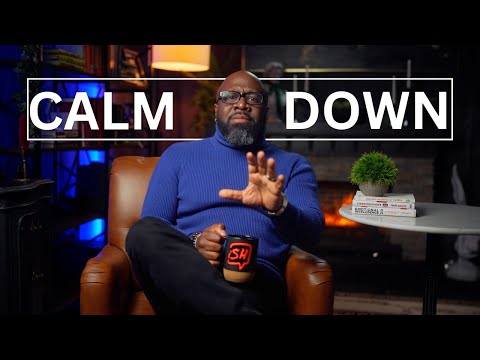
Never Say These 2 Words in a Conflict—Here’s Why
0
VoiceTube posted on 2025/07/27Ever feel like arguments just get worse? This video reveals two powerful words you should NEVER use in a conflict and explains why they can be so damaging, offering practical tips for better communication. You'll learn simple sentence structures and situational dialogues that are perfect for daily use!
Learn this video on the APP!
The VoiceTube App has more in-depth practice for videos!