
at the end of the day
US
UK
- Phrase
- Ultimately; when everything else is considered.
- After a day's work or activities.
A1Morebased on
US
UK
- Phrasal Verb
- To use something as the foundation or starting point for something else.
- Preposition
- Using something as the main idea or foundation.
- Relying on something as evidence or justification.
A1Morebasically
US /ˈbesɪkəli,-kli/
UK /ˈbeɪsɪkli/
- Adverb
- Used before you explain something simply, clearly
- In essence; when you consider the most important aspects of something.
A2Moreblame
US /blem/
UK /bleɪm/
- Transitive Verb
- To say someone is responsible for something bad
- Noun (Countable/Uncountable)
- Act of saying someone did something bad
A2TOEICMorebottom
US /ˈbɑtəm/
UK /'bɒtəm/
- Noun
- The part of your body you sit on
- Lowest position, often in a company or contest
- Verb (Transitive/Intransitive)
- To hit the lowest part of something
- To provide with a bottom.
A2TOEICMorebudget
US /ˈbʌdʒɪt/
UK /'bʌdʒɪt/
- Noun (Countable/Uncountable)
- Amount of money planned to be spent
- Verb (Transitive/Intransitive)
- To make a plan for how to spend your money
A2TOEICMorecap on
US /kæp ɑn/
UK /kæp ɒn/
- other
- An upper limit or restriction on something, such as spending or quantity.
C1Morecare of
US /kɛr ʌv/
UK /kɛə ɔv/
- Preposition
- Used in an address to indicate the person who will receive the mail for someone else.
A2Morecurrency
US /ˈkɚrənsi, ˈkʌr-/
UK /'kʌrənsɪ/
- Uncountable Noun
- Widespread acceptance
- Money system that a country uses
B1Moredebt
US /dɛt/
UK /det/
- Noun (Countable/Uncountable)
- Sum of money owed to someone that is not yet paid
- A moral or social obligation.
A2TOEICMoredeficit
US /ˈdɛfɪsɪt/
UK /ˈdefɪsɪt/
- Noun (Countable/Uncountable)
- Amount less than what is needed or required
- The amount by which expenditure or liabilities exceed income or assets.
B1Moredemand
US /dɪˈmænd/
UK /dɪ'mɑ:nd/
- Noun (Countable/Uncountable)
- Desire customers have to buy product, service
- A strong request for someone to do something
- Transitive Verb
- To strongly request someone to do something
- To need something.
A2TOEICMoredemand on
US
UK
- Noun
- A strong need or requirement that places a burden or strain.
B1Moreentire
US /ɛnˈtaɪr/
UK /ɪn'taɪə(r)/
- Adjective
- Complete or full; with no part left out; whole
- Undivided; not shared or distributed.
A2TOEICMoreestate
US /ɪˈstet/
UK /ɪˈsteɪt/
- Noun (Countable/Uncountable)
- A large piece of land, usually with a large house
- Group of houses all built at the same time
A2TOEICMoreexact
US /ɪɡˈzækt/
UK /ɪɡ'zækt/
- Adjective
- Completely correct; accurate; specific
- Transitive Verb
- To get something, sometimes using force
A2TOEICMorefault
US /fɔlt/
UK /fɔ:lt/
- Noun (Countable/Uncountable)
- A failure or negative aspect of
- Crack in the earth where earthquakes can happen
- Transitive Verb
- To blame someone, something for a negative result
A2Morefor example
US
UK
- Phrase
- As an illustration or instance.
greedy
US /ˈɡridi/
UK /'ɡri:dɪ/
- Adjective
- Wanting to have more of something than you need
B1Morehave to
US /hæv tu/
UK /ˈhæv tə/
- Auxiliary Verb
- Must do
A1Morein debt
US /ɪn dɛt/
UK /in det/
- Phrase
- State of owing money to a person or institution
- Adjective
- Owing money.
A2Morein fact
US /ɪn fækt/
UK /in fækt/
- Adverb
- Used to emphasize the truth of a statement, especially one that contrasts with or contradicts something else.
- Used to introduce a more detailed or surprising piece of information.
- Phrase
- Used to emphasize the truth of a statement, especially one that is surprising or contrary to what might be expected.
C1Morein order to
US /ɪn ˈɔrdɚ tu/
UK /in ˈɔ:də tu:/
- Preposition
- For the purpose of; with the aim of.
- Phrase
- In a specific sequence or arrangement.
- With the aim of; for the purpose of.
C1Morein other words
US
UK
- Phrase
- Stating something in a different way, often to make it clearer or more understandable.
in the first place
US
UK
- Phrase
- To begin with; as the first point or consideration.
- From the beginning; initially.
A1Morein the open
US /ɪn ði ˈopən/
UK /in ðə ˈəupən/
- Phrase
- Publicly; not secret.
- Outdoors; not inside a building or covered space.
A1Moreinflation
US /ɪnˈfleʃən/
UK /ɪn'fleɪʃn/
- Noun (Countable/Uncountable)
- Act of filling something with air or gas
- Continual rise in the prices of products
B1TOEICMoreinstead of
US /ɪnˈstɛd ʌv/
UK /inˈsted ɔv/
- Preposition
- When one thing is replaced by another
- Adverb
- As a substitute or alternative.
A1Moreliterally
US /ˈlɪtərəli/
UK
- Adverb
- In a literal manner or sense; exactly as stated.
- Used for emphasis to describe something that is actually true, often to highlight surprise or intensity.
B1Morelook at
US /lʊk æt/
UK /luk æt/
- Phrasal Verb
- To use your eyes to focus on something
- To focus your eyes on something carefully
A1Moremassively
US /'mæsɪvlɪ/
UK /'mæsɪvlɪ/
- Adverb
- To a very large degree or in a large manner
B1Moremove to
US /muv tu/
UK /mu:v tu:/
- Phrasal Verb
- To change the place where you live or work.
- Verb (Transitive/Intransitive)
- To proceed to the next stage or action.
A2Moreof course
US /ʌv kɔː(r)s/
UK /ɔv kɔː(r)s/
- Adverb
- Sure ; Certainly
- Phrase
- For sure; certainly
A2Moreout of control
US /aʊt ʌv kənˈtrol/
UK /aut ɔv kənˈtrəul/
- Adjective
- Impossible to manage or control.
- Not able to be directed or steered.
A1Moreover time
US /ˈovɚ taɪm/
UK /ˈəuvə taim/
- Phrase
- Gradually; as time passes.
- During a long period.
- Adverb
- Gradually; as time passes.
B1Moreratio
US /ˈreɪʃioʊ/
UK /ˈreɪʃiəʊ/
- Noun (Countable/Uncountable)
- The relationship in relative size, etc.
- The quantitative relation between two amounts showing the number of times one value contains or is contained within the other.
C2Morerun by
US
UK
- Phrasal Verb
- To be managed or controlled by someone or a group.
- To show or tell something to someone briefly to get their opinion or approval.
A1Moresheet
US /ʃit/
UK /ʃi:t/
- Noun (Countable/Uncountable)
- Piece of cloth you put on the bed to sleep on
- Piece of thin flat metal, plastic or glass
A2Moresolution
US /səˈluʃən/
UK /səˈlu:ʃn/
- Noun (Countable/Uncountable)
- Mix of a liquid and a solid or a gas
- Way to solve or deal with a problem
A2Morestock
US /stɑk/
UK /stɒk/
- Noun (Countable/Uncountable)
- Animals such as cattle kept for breeding
- Merchandise; goods kept by a business for sale
- Uncountable Noun
- Tasty liquid added to stews, soups etc.
B2TOEICMorestrategy
US /ˈstrætədʒi/
UK /'strætədʒɪ/
- Noun (Countable/Uncountable)
- Careful plan or method for achieving a goal
- Branch of military dealing with command
A2TOEICMoresuch as
US /sʌtʃ æz/
UK /sʌtʃ æz/
- Preposition
- For example; like
A1Morethreshold
US /ˈθrɛʃˌold, -ˌhold/
UK /'θreʃhəʊld/
- Noun
- Degree or level at which something begins
- A strip of wood, metal, or stone forming the bottom of a doorway and crossed in entering a house or room.
B2Moreto let
US /tu lɛt/
UK /tu let/
- Preposition
- Indicates that a property is available for rent.
A2Moretremendously
US /trɪˈmɛndəslɪ/
UK /trə'mendəslɪ/
- Adverb
- Very well or very impressively
B1Moretriple
US /ˈtrɪpəl/
UK /ˈtrɪpl/
- Noun
- Group or set of three
- A hit in baseball that enables the batter to reach third base.
- Transitive Verb
- To multiply by three; to increase threefold.
B2Morewealth
US /wɛlθ/
UK /welθ/
- Uncountable Noun
- Amount of money or possessions you own, e.g. large
A2TOEICMoreworth
US /wɚθ/
UK /wɜ:θ/
- Noun (Countable/Uncountable)
- the financial, practical or moral value of somebody/something
- having a particular value, especially in money
- Adjective
- Having a specified value.
A2More
Vocabulary
- have to: Must do
- look at: To use your eyes to focus on something
- at the end of the day: Ultimately; when everything else is considered.
- in order to: For the purpose of; with the aim of.
- over time: Gradually; as time passes.
- in the first place: To begin with; as the first point or consideration.
- demand on: A strong need or requirement that places a burden or strain.
- in the open: Publicly; not secret.
- in fact: Used to emphasize the truth of a statement, especially one that contrasts with or contradicts something else.
- in other words: Stating something in a different way, often to make it clearer or more understandable.
- for example: As an illustration or instance.
- such as: For example; like
- out of control: Impossible to manage or control.
- move to: To change the place where you live or work.
- based on: To use something as the foundation or starting point for something else.
- of course: Sure ; Certainly
- cap on: An upper limit or restriction on something, such as spending or quantity.
- run by: To be managed or controlled by someone or a group.
- in debt: State of owing money to a person or institution
- to let: Indicates that a property is available for rent.
- care of: Used in an address to indicate the person who will receive the mail for someone else.
- instead of: When one thing is replaced by another
- literally: In a literal manner or sense; exactly as stated.
- entire: Complete or full; with no part left out; whole
- strategy: Careful plan or method for achieving a goal
- basically: Used before you explain something simply, clearly
- force: Group of persons trained for military action; army
- sense: Certain mental feeling or emotion
- exact: Completely correct; accurate; specific
- demand: Desire customers have to buy product, service
- imagine: To think creatively about; form mental picture of
- blame: To say someone is responsible for something bad
- increase: To make or become larger in size or amount
- threshold: Degree or level at which something begins
- debt: Sum of money owed to someone that is not yet paid
- worth: the financial, practical or moral value of somebody/something
- currency: Widespread acceptance
- inflation: Act of filling something with air or gas
- stock: Animals such as cattle kept for breeding
- raise: To increase a bet above another when playing cards
- suddenly: In an unexpected or very quick manner
- value: Importance you attach to something
- estate: A large piece of land, usually with a large house
- deficit: Amount less than what is needed or required
- introduce: To open an essay to set the scene
- budget: Amount of money planned to be spent
- drop: Distance between a higher and a lower level
- fair: Neither very good nor very bad; average
- interest: Best or most advantageous thing for someone
- economy: Using money, resources in a careful, effective way
- wealth: Amount of money or possessions you own, e.g. large
- solution: Mix of a liquid and a solid or a gas
- fault: A failure or negative aspect of
- ratio: The relationship in relative size, etc.
- bottom: The part of your body you sit on
- lot: What happens to a person in life from chance; fate
- sheet: Piece of cloth you put on the bed to sleep on
- british: Concerning the culture and people of British
- order: Religious or social group, as of nuns
- massively: To a very large degree or in a large manner
- greedy: Wanting to have more of something than you need
- tremendously: Very well or very impressively
- triple: Group or set of three
Get the full experience in the app
Learn anywhere with detailed sentence and usage analysis
01:03
She took a brave step forward, leaving behind her comfort zone to chase her dreams.
Vocabulary
- brave
adj. Having courage
- comfort zone
phr. A familiar situation where one feels safe
Explanation
a brave step is a noun phrase, where brave is an adjective modifying the noun step, meaning "a courageous step".
forward is an adverb modifying step, meaning "ahead".
The whole phrase serves as the object, answering the "what" of took (verb) — she took a brave step forward.
Get the full experience in the app
Look up words anytime with pronunciation, part of speech, and usage
brave
US/brev/
UK/breɪv/
adj.Brave
v.t.To bravely face
A2 Elementary
Get the full experience in the app
Practice speaking anytime and get instant pronunciation feedback
Try this speaking exercise.
Try practicing with this sentence.
80
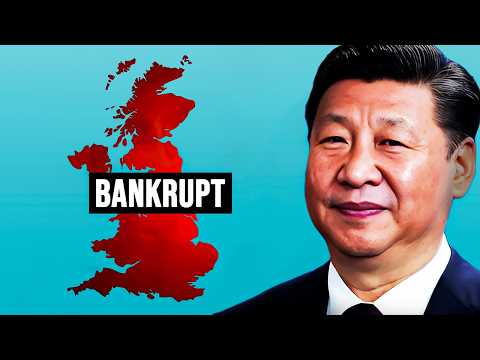
“Most People Have No Idea What’s About To Happen To The UK”
0
林宜悉 posted on 2025/07/26Curious about what's next for the UK economy? This video dives into the potential impacts of a wealth tax and the current cost of living crisis, using real-world economic terms like 'Debt to GDP' and 'forced asset sales'. You'll boost your vocabulary and gain a deeper understanding of complex financial concepts, perfect for expanding your knowledge!
Learn this video on the APP!
The VoiceTube App has more in-depth practice for videos!