
account of
US /əˈkaʊnt ʌv/
UK /əˈkaunt ɔv/
- Noun
- A spoken or written description of an event.
- Preposition
- Because of; for the reason of.
B1Morearound the corner
US /əˈraʊnd ði ˈkɔrnɚ/
UK /əˈraund ðə ˈkɔ:nə/
- Phrase
- Very near; close by.
- About to happen; approaching soon.
A1Moreas well as
US /æz wɛl æz/
UK /æz wel æz/
- Adverb
- Also; in addition to
- Preposition
- In addition to; and also.
A1Moreat least
US /æt list/
UK /æt li:st/
- Adverb
- As a minimum
- Not less than
- Phrase
- No less than; at the minimum
- Used to indicate that something is positive in a bad situation.
C2Moreat length
US /æt lɛŋkθ/
UK /æt leŋθ/
- Adverb
- In detail; fully
- Phrase
- After a long time; eventually
A1Moreat school
US
UK
- Phrase
- Present and attending school.
A1Morebeard
US /bɪrd/
UK /bɪəd/
- Noun
- Hair that grows on a man's face
A2Morebound
US /baʊnd/
UK /baʊnd/
- Transitive Verb
- To cover a wound, as with a bandage
- To put pages and a cover together to create a book
- Adjective
- (Papers) being kept together or covered
- Limited by a law, agreement, or contract
A2TOEICMorechimney
US /ˈtʃɪmni/
UK /'tʃɪmnɪ/
- Noun
- Part of a building through which smoke escapes
B2Morechin
US /tʃɪn/
UK /tʃɪn/
- Noun
- Part of your face below your mouth above your neck
B2Morecome around
US /kʌm əˈraʊnd/
UK /kʌm əˈraund/
- Phrasal Verb
- To eventually change your opinion or be persuaded to agree with someone else's.
- To visit someone at their house.
A1Morecome up with
US /kʌm ʌp wɪð/
UK /kʌm ʌp wið/
- Phrasal Verb
- To think of an idea or solution; produce
A1Moreconviction
US /kənˈvɪkʃən/
UK /kən'vɪkʃn/
- Noun
- Act of finding someone guilty of a crime
- Strong belief in something, e.g. not needing proof
B1TOEICMorecorner
US /ˈkɔrnɚ/
UK /'kɔ:nə(r)/
- Transitive Verb
- To force into a position impossible to escape from
- Noun (Countable/Uncountable)
- Place where two lines, sides, corners etc. meet
- Edges of something, e.g. eyes, boxing ring
A2Morecuriosity
US /ˌkjʊriˈɑsɪti/
UK /ˌkjʊərɪ'ɒsətɪ/
- Noun (Countable/Uncountable)
- Something unusual and perhaps worthy of collecting
- Eager desire to learn more about something
B1Morecurl
US /kɚrl/
UK /kɜ:l/
- Transitive Verb
- To form something into a round or curved shape
- Noun
- Something that has the shape of a curve or ring
B2Moredesert
US /ˈdɛzət/
UK /'dezət/
- Transitive Verb
- To leave a place for ever; abandon
- To leave when one is needed or expected to stay
- Noun (Countable/Uncountable)
- Bare area of land, often with few plants and water
- A punishment or reward that is deserved.
A2Moredesolate
US /ˈdɛsəlɪt/
UK /'desələt/
- Transitive Verb
- To destroy a place
- Adjective
- Empty of life, usually of a place
B2Moreestate
US /ɪˈstet/
UK /ɪˈsteɪt/
- Noun (Countable/Uncountable)
- A large piece of land, usually with a large house
- Group of houses all built at the same time
A2TOEICMorefellow
US /ˈfɛlo/
UK /'feləʊ/
- Noun (Countable/Uncountable)
- Man or a boy
- Student paid to study and teach after college
- Adjective
- Being of the same kind
- Sharing a particular activity, situation, or characteristic.
A2TOEICMorefor example
US
UK
- Phrase
- As an illustration or instance.
gardener
US /ˈɡɑrdnɚ, ˈɡɑrdnɚ/
UK /'ɡɑ:dnə(r)/
- Countable Noun
- Someone who takes care of a garden
B1Moreghost
US /goʊst/
UK /gəʊst/
- Transitive Verb
- To write a book on behalf of another person
- Noun (Countable/Uncountable)
- Bad effects, memories, and feelings from the past
- Spirit of a dead person, appearing to the living
B1Morego ahead
US /ɡo əˈhɛd/
UK /ɡəu əˈhed/
- Phrasal Verb
- To start an activity; start doing, working etc.
- To give permission to do something
- Intransitive Verb
- To start or proceed with something
- To proceed despite potential obstacles or doubts.
A1Morego out
US /ɡo aʊt/
UK /ɡəu aut/
- Phrase
- To leave a building (e.g. a house)
- Phrasal Verb
- (Of a fire) to burn out; be extinguished
- Go out of fashion to stop being fashionable
A1Moregot to
US /ɡɑt tu/
UK /gɔt tu:/
- Verb (Transitive/Intransitive)
- To arrive at some place
- To have the opportunity or permission to do something
- Phrasal Verb
- To appeal to the emotions of; move
- To finally begin to start something after a delay
A1Morehave a go
US /hæv e ɡo/
UK /hæv ə ɡəu/
- Intransitive Verb
- To attempt or try something.
A1Morehave to
US /hæv tu/
UK /ˈhæv tə/
- Auxiliary Verb
- Must do
A1Morehorrible
US /ˈhɔrəbəl, ˈhɑr-/
UK /ˈhɒrəbl/
- Adjective
- Very bad; causing annoyance, distaste or fear
A2TOEICMorehorror
US /ˈhɔrɚ, ˈhɑr-/
UK /ˈhɒrə(r)/
- Noun (Countable/Uncountable)
- Feeling of great shock or fear; thing causing it
B1Moreidle
US /ˈaɪdl/
UK /ˈaɪdl/
- Intransitive Verb
- (Of engine) to be running but not moving the car
- To waste time; be lazy
- Adjective
- Not having the will to be active; lazy
- (Of machine) not being used
B1TOEICMorein fact
US /ɪn fækt/
UK /in fækt/
- Adverb
- Used to emphasize the truth of a statement, especially one that contrasts with or contradicts something else.
- Used to introduce a more detailed or surprising piece of information.
- Phrase
- Used to emphasize the truth of a statement, especially one that is surprising or contrary to what might be expected.
C1Moreinvisible
US /ɪnˈvɪzəbəl/
UK /ɪnˈvɪzəbl/
- Adjective
- Being unable to be seen
- Of money earned from services, instead of products
B1TOEICMorelight on
US /laɪt ɑn/
UK /lait ɔn/
- Phrasal Verb
- To illuminate something.
- To discover something unexpectedly.
- Adjective
- Gentle or delicate in the use of something.
A1Morelook at
US /lʊk æt/
UK /luk æt/
- Phrasal Verb
- To use your eyes to focus on something
- To focus your eyes on something carefully
A1Moremercy
US /ˈmɚsi/
UK /'mɜ:sɪ/
- Uncountable Noun
- Kind instead of harsh treatment of someone
B1Moremy eye
US /ˈmaɪ aɪ/
UK /ˈmaɪ ai/
- other
- Used to express disbelief or skepticism.
B2Moreof course
US /ʌv kɔː(r)s/
UK /ɔv kɔː(r)s/
- Adverb
- Sure ; Certainly
- Phrase
- For sure; certainly
A2Moreon account of
US /ɑn əˈkaʊnt ʌv/
UK /ɔn əˈkaunt ɔv/
- Preposition
- Because of.
B1Moreout there
US /aʊt ðɛr/
UK /aut ðɛə/
- Adverb
- In or to a place that is far away
- Existing in the universe
- Adjective
- Unconventional; strange; avant-garde
- Existing or available.
A1Morepersuade
US /pərˈsweɪd/
UK /pəˈsweɪd/
- Transitive Verb
- To try to make someone to do, believe something
A2TOEICMorepie
US /paɪ/
UK /paɪ/
- Noun (Countable/Uncountable)
- Baked food with a filling encased in pastry
B1TOEICMoreput out
US /pʊt aʊt/
UK /put aut/
- Phrasal Verb
- To publish, e.g. a book
- To cause someone to be troubled or inconvenienced
A1Moreramble
US /ˈræmbəl/
UK /'ræmbl/
- Intransitive Verb
- To talk or write in an apparently purposeless way
- To take long walks in the countryside
B2Morereach out
US /ritʃ aʊt/
UK /ri:tʃ aut/
- Phrasal Verb
- To attempt to communicate with someone.
- To offer help and support to someone.
B1Moreshoot
US /ʃut/
UK /ʃu:t/
- Verb (Transitive/Intransitive)
- To kick or throw a ball at a goal
- To fire a gun; injure or kill someone with a gun
- Countable Noun
- Emerging new part of a plant
A2Moresoul
US /sol/
UK /səʊl/
- Noun
- Central or basic part of something
- Strong, deep emotion in speech or performance
A2Morespectre
US /ˈspɛktɚ/
UK /'spektə(r)/
- Noun
- Mental representation of some haunting experience
B2Morestare
US /stɛr/
UK /steə(r)/
- Verb (Transitive/Intransitive)
- To look at someone or something for a long time
- Noun
- A long look at something or someone for a reason
A2Moreterrible
US /ˈtɛrəbəl/
UK /ˈterəbl/
- Adjective
- Very bad; horrible
- Causing great fear; frightening
A2TOEICMoreterrible at
US
UK
- Adjective
- Very bad or unskilled at something.
- Having a very low level of ability in a particular activity.
A1Morethink about
US /θɪŋk əˈbaʊt/
UK /θiŋk əˈbaut/
- Phrasal Verb
- To consider something carefully.
- To remember or call to mind.
A1Morethink of
US /θɪŋk ʌv/
UK /θiŋk ɔv/
- Phrasal Verb
- To look on as (being something specific); consider
- To consider or remember something.
- Verb (Transitive/Intransitive)
- To imagine or call something to mind
A1Morethroat
US /θroʊt/
UK /θrəʊt/
- Noun
- Part of the neck that is below the chin
- The passage in the neck through which food and air pass.
- Verb (Transitive/Intransitive)
- To utter or express with the throat; to sing.
A2Morethunderous
US /ˈθʌndərəs/
UK /ˈθʌndərəs/
- Adjective
- Making a loud noise; like thunder
- Loud enough to cause (temporary) hearing loss
B1Moreto boot
US /tu but/
UK /tu: bu:t/
- Adverb
- In addition; as well; besides.
- Phrase
- to fire, dismiss, or forcefully remove someone from a job or organization
A1Moretrick
US /trɪk/
UK /trɪk/
- Transitive Verb
- To fool someone in order to obtain a result
- To playfully tease or fool to make someone laugh
- Noun (Countable/Uncountable)
- Act of trying to fool someone
- Quick or skillful way of doing something
A2Moreused to
US /juzd tu/
UK /ˈju:st tə/
- Adjective
- Did regularly before, but don't do now
- Auxiliary Verb
- Have done before, but do not do now
A1Morewake up
US /wek ʌp/
UK /weik ʌp/
- Phrasal Verb
- To stop sleeping
- To become fully aware and alert to a situation.
A1Morewander
US /ˈwɑ:ndə(r)/
UK /ˈwɒndə(r)/
- Intransitive Verb
- To move through a place with no particular purpose
- To move through a place with no particular purpose
A2TOEICMorewith it
US /wɪð ɪt/
UK /wið it/
- Adjective
- Intelligent, alert, and up-to-date.
- Understanding and knowledgeable about current trends or information.
A1More
Vocabulary
- used to: Did regularly before, but don't do now
- my eye: Used to express disbelief or skepticism.
- around the corner: Very near; close by.
- come up with: To think of an idea or solution; produce
- as well as: Also; in addition to
- put out: To publish, e.g. a book
- go out: To leave a building (e.g. a house)
- on account of: Because of.
- account of: A spoken or written description of an event.
- at school: Present and attending school.
- look at: To use your eyes to focus on something
- have a go: To attempt or try something.
- light on: To illuminate something.
- of course: Sure ; Certainly
- for example: As an illustration or instance.
- in fact: Used to emphasize the truth of a statement, especially one that contrasts with or contradicts something else.
- at least: As a minimum
- come around: To eventually change your opinion or be persuaded to agree with someone else's.
- to boot: In addition; as well; besides.
- terrible at: Very bad or unskilled at something.
- reach out: To attempt to communicate with someone.
- have to: Must do
- with it: Intelligent, alert, and up-to-date.
- go ahead: To start an activity; start doing, working etc.
- think of: To look on as (being something specific); consider
- out there: In or to a place that is far away
- wake up: To stop sleeping
- at length: In detail; fully
- got to: To arrive at some place
- think about: To consider something carefully.
- trick: To fool someone in order to obtain a result
- stare: To look at someone or something for a long time
- draw: To attract attention to someone or something
- curiosity: Something unusual and perhaps worthy of collecting
- suddenly: In an unexpected or very quick manner
- estate: A large piece of land, usually with a large house
- board: Surface for posting or showing information
- horrible: Very bad; causing annoyance, distaste or fear
- fellow: Man or a boy
- wander: To move through a place with no particular purpose
- empty: Containing nothing; with no contents
- bound: To cover a wound, as with a bandage
- persuade: To try to make someone to do, believe something
- conviction: Act of finding someone guilty of a crime
- invisible: Being unable to be seen
- strange: Unusual or odd; surprising because unexpected
- mercy: Kind instead of harsh treatment of someone
- desert: To leave a place for ever; abandon
- place: To put someone in a particular type of situation
- terrible: Very bad; horrible
- catch: Amount of something that has been caught
- soul: Central or basic part of something
- horror: Feeling of great shock or fear; thing causing it
- stand: To be a candidate in an election
- throat: Part of the neck that is below the chin
- head: To hit a ball with your head in a game
- beard: Hair that grows on a man's face
- curl: To form something into a round or curved shape
- chin: Part of your face below your mouth above your neck
- step: Movement done as part of a particular dance
- turn: To become (a particular age)
- front: Behavior not showing a person's true feelings
- find: To become aware of something that is happening
- corner: To force into a position impossible to escape from
- shoot: To kick or throw a ball at a goal
- chimney: Part of a building through which smoke escapes
- think: To have an idea about something without certainty
- feel: To be aware of or experience an emotion, sensation
- ramble: To talk or write in an apparently purposeless way
- idle: (Of engine) to be running but not moving the car
- desolate: To destroy a place
- ghost: To write a book on behalf of another person
- spectre: Mental representation of some haunting experience
- pie: Baked food with a filling encased in pastry
- gardener: Someone who takes care of a garden
- thunderous: Making a loud noise; like thunder
Get the full experience in the app
Learn anywhere with detailed sentence and usage analysis
01:03
She took a brave step forward, leaving behind her comfort zone to chase her dreams.
Vocabulary
- brave
adj. Having courage
- comfort zone
phr. A familiar situation where one feels safe
Explanation
a brave step is a noun phrase, where brave is an adjective modifying the noun step, meaning "a courageous step".
forward is an adverb modifying step, meaning "ahead".
The whole phrase serves as the object, answering the "what" of took (verb) — she took a brave step forward.
Get the full experience in the app
Look up words anytime with pronunciation, part of speech, and usage
brave
US/brev/
UK/breɪv/
adj.Brave
v.t.To bravely face
A2 Elementary
Get the full experience in the app
Practice speaking anytime and get instant pronunciation feedback
Try this speaking exercise.
Try practicing with this sentence.
80
0
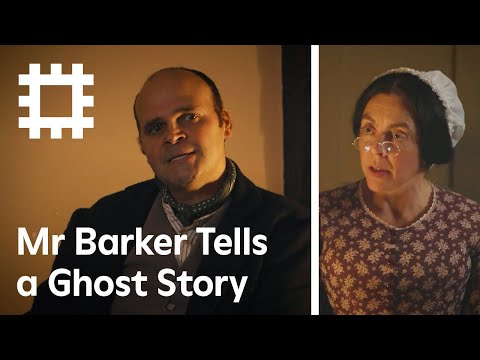
林宜悉 posted on 2025/07/26Get ready for a spooky thrill with Mr. Barker's Victorian ghost story! You'll dive into a creepy haunted cottage tale, perfect for practicing advanced vocabulary and understanding cultural depth around Halloween origins. It's a fantastic way to boost your English with a dash of drama and history!
Learn this video on the APP!
The VoiceTube App has more in-depth practice for videos!