
administration
US / ædˌmɪnɪˈstreʃən/
UK /ədˌmɪnɪˈstreɪʃn/
- Uncountable Noun
- Act of giving e.g. medicine to a patient
- The work of running something, e.g. a business
B1TOEICMoreagriculture
US /ˈæɡrɪˌkʌltʃɚ/
UK /ˈægrɪkʌltʃə(r)/
- Uncountable Noun
- The science of farming
- The study of farming and related sciences.
A2Moreblame
US /blem/
UK /bleɪm/
- Transitive Verb
- To say someone is responsible for something bad
- Noun (Countable/Uncountable)
- Act of saying someone did something bad
A2TOEICMorecampaign
US /kæmˈpen/
UK /kæm'peɪn/
- Intransitive Verb
- To work in an organized, active way towards a goal
- Noun (Countable/Uncountable)
- Series of actions meant to achieve a goal
- A planned set of military activities intended to achieve a particular objective.
A2TOEICMorecivil
US /ˈsɪvəl/
UK /ˈsɪvl/
- Adjective
- Of citizens of a country; not military, criminal
- Acting in a polite, but not truly friendly manner
B1Morecurse
US /kɚs/
UK /kɜ:s/
- Verb (Transitive/Intransitive)
- To use offensive language when angry; swear
- Noun
- Act to cause trouble to others
- A word or phrase used to express anger or annoyance.
B1Moredemocrat
US /ˈdɛməˌkræt/
UK /'deməkræt/
- Noun (Countable/Uncountable)
- An advocate of democratic principles
B2Moredesire
US / dɪˈzaɪr/
UK /dɪ'zaɪə(r)/
- Transitive Verb
- To wish for, hope or want something
- Noun (Countable/Uncountable)
- Thing that is wished for or wanted
- A strong feeling of sexual wanting.
A2Moredivide
US /dɪˈvaɪd/
UK /dɪ'vaɪd/
- Verb (Transitive/Intransitive)
- To split numbers by another number, e.g. 6 / 2 = 3
- To separate something into equal pieces
- Noun
- A separation or distinction.
A2TOEICMoredomain
US /doʊˈmeɪn/
UK /dəˈmeɪn/
- Noun (Countable/Uncountable)
- A field of knowledge, thought or influence
- Area that a ruler or government controls
B1Moreeminent
US /ˈɛmənənt/
UK /ˈemɪnənt/
- Adjective
- Widely recognized as a leader in your field
- Standing out so as to be readily perceived or noted; conspicuous.
B2Moreempathize
US /ˈɛmpəˌθaɪz/
UK /'empəθaɪz/
- Intransitive Verb
- To imagine or understand how others feel
B2Morefeel like
US
UK
- Intransitive Verb
- To have a desire or inclination for something.
- To have a particular quality or sensation; resemble.
A1Moregive it up
US
UK
- Phrasal Verb
- To stop trying to do something
A1Morego ahead
US /ɡo əˈhɛd/
UK /ɡəu əˈhed/
- Phrasal Verb
- To start an activity; start doing, working etc.
- To give permission to do something
- Intransitive Verb
- To start or proceed with something
- To proceed despite potential obstacles or doubts.
A1Moregovern
US /ˈgʌvərn/
UK /ˈgʌvn/
- Transitive Verb
- To officially control land and make policies
- To control the actions or behaviour of someone
B1Morehail
US /hel/
UK /heɪl/
- Transitive Verb
- To speak of something with admiration/excitement
- To call out to (taxi) to get it to pick you up
- Intransitive Verb
- To fly, fall together through the air
- Used to say that hail is falling
B2Morehave to
US /hæv tu/
UK /ˈhæv tə/
- Auxiliary Verb
- Must do
A1Moreheadline
US /ˈhedlaɪn/
UK /ˈhedlaɪn/
- Intransitive Verb
- To be the main performer at a show
- Noun
- Title summarizing a news story
B2Moreinvolve
US /ɪnˈvɑlv/
UK /ɪn'vɒlv/
- Transitive Verb
- To have or be included as a part of something
- To cause (a person or group) to take part in an event or activity.
A2TOEICMoreissue
US /ˈɪʃu/
UK /'ɪʃu:/
- Transitive Verb
- To make something available to be used or sold
- To deliver a statement, etc. in an official manner
- Noun (Countable/Uncountable)
- Important topic discussed, debated or argued over
- Single edition of a magazine
A2TOEICMorejersey
US /ˈdʒə:zi/
UK /'dʒɜ:zɪ/
- Countable Noun
- Shirt worn as part of a sports uniform
B2Morejudge
US /dʒʌdʒ/
UK /dʒʌdʒ/
- Noun (Countable/Uncountable)
- Person who decides on the results of a contest
- Person who has the power to make a decision
- Verb (Transitive/Intransitive)
- To reach a decision about who won a contest
- To form an opinion after careful consideration
A2TOEICMorelegacy
US /ˈlɛɡəsi/
UK /'leɡəsɪ/
- Noun (Countable/Uncountable)
- Literature, arts etc. from previous generations
- Something left or given by a person who has died
- Adjective
- Relating to old or outdated computer systems or software.
B2TOEICMoremake into
US
UK
- Phrasal Verb
- To transform something into something else.
A1Moreon the phone
US
UK
- Phrase
- Talking on the telephone.
- Adjective
- Using a phone, especially a mobile phone.
A1Moreoption
US /ˈɑpʃən/
UK /'ɒpʃn/
- Noun (Countable/Uncountable)
- A choice
- A right to buy or sell something at a particular price within a particular period.
A2TOEICMorepresence
US /ˈprɛzəns/
UK /ˈprezns/
- Noun
- The same place or area that a person is
- Ability to reach a market, group of people etc.
A2Moreproperty
US /ˈprɑpəti/
UK /'prɒpətɪ/
- Noun (Countable/Uncountable)
- Particular quality that someone or something has
- Buildings or piece of land owned by someone
A2TOEICMorerally
US /ˈræli/
UK /'rælɪ/
- Noun (Countable/Uncountable)
- Public meeting to support or oppose something
- A race for motor vehicles over public roads
- Verb (Transitive/Intransitive)
- To meet publicly to support or oppose something
- To race cars in the countryside
B1Morereach
US /ritʃ/
UK /ri:tʃ/
- Verb (Transitive/Intransitive)
- To come to or arrive at a goal or destination
- To be long enough to get to a certain place
- Uncountable Noun
- Power or control someone has over something
A2TOEICMoreseize
US /siz/
UK /si:z/
- Transitive Verb
- To take a place with force, as by military action
- To arrest or catch someone
B1Moreshame
US /ʃem/
UK /ʃeɪm/
- Uncountable Noun
- Feeling of guilt because you did something wrong
- Transitive Verb
- To make someone feel ashamed
A2Morestick
US /stɪk/
UK /stɪk/
- Verb (Transitive/Intransitive)
- To push a sharp or pointed object into something
- To join together using glue or paste
- Countable Noun
- Long thin piece of wood from a tree
A2Morestrict
US /strɪkt/
UK /strɪkt/
- Adjective
- Tending to enforce rules; severe
- (Of orders) that must be obeyed
A2Moretakeover
US /ˈtekˌovɚ/
UK /ˈteɪkəʊvə(r)/
- Noun
- Change of ownership of a corporation
C2TOEICMorethink about
US /θɪŋk əˈbaʊt/
UK /θiŋk əˈbaut/
- Phrasal Verb
- To consider something carefully.
- To remember or call to mind.
A1Moretownship
US /ˈtaʊnˌʃɪp/
UK /ˈtaʊnʃɪp/
- Noun
- Administrative division of a county
B1Morevet
US /vɛt/
UK /vet/
- Noun
- Short for 'veterinarian' or 'veterinary surgeon'
- Transitive Verb
- To make a careful and critical examination
B2More
Vocabulary
- feel like: To have a desire or inclination for something.
- have to: Must do
- go ahead: To start an activity; start doing, working etc.
- make into: To transform something into something else.
- think about: To consider something carefully.
- on the phone: Talking on the telephone.
- give it up: To stop trying to do something
- stick: To push a sharp or pointed object into something
- presence: The same place or area that a person is
- campaign: To work in an organized, active way towards a goal
- legacy: Literature, arts etc. from previous generations
- imagine: To think creatively about; form mental picture of
- property: Particular quality that someone or something has
- blame: To say someone is responsible for something bad
- desire: To wish for, hope or want something
- strict: Tending to enforce rules; severe
- divide: To split numbers by another number, e.g. 6 / 2 = 3
- issue: To make something available to be used or sold
- reach: To come to or arrive at a goal or destination
- deal: To cope with something - usually troubles
- state: Region within a country, with its own government
- judge: Person who decides on the results of a contest
- involve: To have or be included as a part of something
- administration: Act of giving e.g. medicine to a patient
- curse: To use offensive language when angry; swear
- option: A choice
- agriculture: The science of farming
- provide: To make available; to supply for use
- shame: Feeling of guilt because you did something wrong
- civil: Of citizens of a country; not military, criminal
- kind: In a caring and helpful manner
- offer: Price you say you are willing to pay for something
- seize: To take a place with force, as by military action
- domain: A field of knowledge, thought or influence
- rally: Public meeting to support or oppose something
- hail: To speak of something with admiration/excitement
- empathize: To imagine or understand how others feel
- government: Group of people and system that rule a nation
- steal: A bargain; something bought very cheaply
- chance: The way something happens without planning
- own: To have something as your property
- great: Very good; better than before
- pick: Sharp tool used for breaking the ground
- turn: To become (a particular age)
- land: Region or country
- hard: Difficult to do; difficult to understand
- govern: To officially control land and make policies
- vet: Short for 'veterinarian' or 'veterinary surgeon'
- jersey: Shirt worn as part of a sports uniform
- headline: To be the main performer at a show
- eminent: Widely recognized as a leader in your field
- democrat: An advocate of democratic principles
- takeover: Change of ownership of a corporation
- township: Administrative division of a county
Get the full experience in the app
Learn anywhere with detailed sentence and usage analysis
01:03
She took a brave step forward, leaving behind her comfort zone to chase her dreams.
Vocabulary
- brave
adj. Having courage
- comfort zone
phr. A familiar situation where one feels safe
Explanation
a brave step is a noun phrase, where brave is an adjective modifying the noun step, meaning "a courageous step".
forward is an adverb modifying step, meaning "ahead".
The whole phrase serves as the object, answering the "what" of took (verb) — she took a brave step forward.
Get the full experience in the app
Look up words anytime with pronunciation, part of speech, and usage
brave
US/brev/
UK/breɪv/
adj.Brave
v.t.To bravely face
A2 Elementary
Get the full experience in the app
Practice speaking anytime and get instant pronunciation feedback
Try this speaking exercise.
Try practicing with this sentence.
80
0
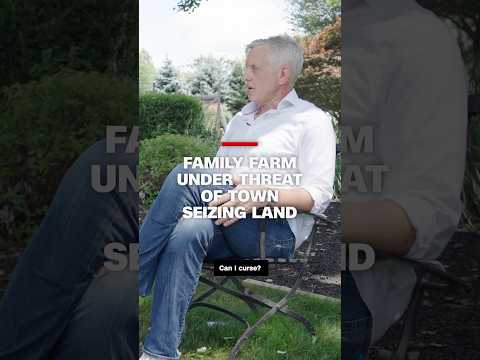
林宜悉 posted on 2025/07/25Ever wondered how a small-town dispute over a family farm can become a national headline? This video dives into a fascinating real-life story about eminent domain and community division in New Jersey, perfect for understanding situational dialogue and learning about cultural depth. You'll pick up key vocabulary related to land rights and local politics while following a compelling grassroots campaign!
Learn this video on the APP!
The VoiceTube App has more in-depth practice for videos!