
affect
US /əˈfɛkt/
UK /ə'fekt/
- Transitive Verb
- To cause a change in something else
- To pretend to have or feel (something).
- Noun
- (Psychology) Emotion or feeling.
A2TOEICMoreafter all
US /ˈæftɚ ɔl/
UK /ˈɑ:ftə ɔ:l/
- Adverb
- In spite of what was expected; used to introduce a statement that supports a previous statement or explains why it was made
- Considering everything; used to indicate that something is happening or is true despite some difficulty or obstacle
- Phrase
- Despite what was expected or thought; in spite of everything.
- Taking everything into consideration; considering that.
B1Moreartillery
US /ɑ:rˈtɪləri/
UK /ɑ:ˈtɪləri/
- Noun
- Guns used by the military larger than machine guns
B2Moreat least
US /æt list/
UK /æt li:st/
- Adverb
- As a minimum
- Not less than
- Phrase
- No less than; at the minimum
- Used to indicate that something is positive in a bad situation.
C2Moreat the moment
US
UK
- Adverb
- At this time; now
A1Moreat the same time
US
UK
- Phrase
- Simultaneously; at the identical moment.
- Nevertheless; however; used to introduce a contrasting or qualifying statement.
A1Moreauthority
US /əˈθɔrɪti, əˈθɑr-, ɔˈθɔr-, ɔˈθɑr-/
UK /ɔ:ˈθɒrəti/
- Noun (Countable/Uncountable)
- The power to give orders to people
- Person who is an expert on a particular topic
A2TOEICMoreblow into
US /blo ˈɪntu/
UK /bləu ˈɪntuː/
- Phrasal Verb
- To force air into something by mouth.
- To arrive somewhere suddenly or unexpectedly.
A1Morecautious
US /ˈkɔʃəs/
UK /ˈkɔ:ʃəs/
- Adjective
- Careful about avoiding danger, problems
B2Morecease
US /sis/
UK /si:s/
- Verb (Transitive/Intransitive)
- To come or bring to an end; stop continuing
B1Morecircuit
US /ˈsɜ:rkɪt/
UK /ˈsɜ:kɪt/
- Noun
- An area where cars race in a circle
- Route for journey all the way around a place
- Intransitive Verb
- To complete a journey all the way round an area
B1Morecivilian
US /sɪˈvɪljən/
UK /sə'vɪlɪən/
- Countable Noun
- Ordinary person who is not in the army
- Adjective
- Relating to civilians; not military.
B2Moreconcern
US /kənˈsɚn/
UK /kənˈsɜ:n/
- Verb (Transitive/Intransitive)
- To be about a particular topic
- To have a direct impact on someone
- Noun (Countable/Uncountable)
- Company, firm or business
- Feeling of worry or anxiety
A2TOEICMoreconflict
US /ˈkɑnˌflɪkt/
UK /'kɒnflɪkt/
- Noun (Countable/Uncountable)
- Argument or struggle between two or more parties
- A serious disagreement or argument.
- Verb (Transitive/Intransitive)
- To have opposite ideas; to disagree; To not match
A2Moreconstitute
US /ˈkɑnstɪˌtut, -ˌtjut/
UK /'kɒnstɪtju:t/
- Transitive Verb
- To become a group of
- To establish or form a government, etc.
B1TOEICMorecontradict
US /ˌkɑntrəˈdɪkt/
UK /ˌkɒntrə'dɪkt/
- Verb (Transitive/Intransitive)
- To say the opposite is so; say something different
- To say the opposite of what someone else has said; to deny the truth of (a statement).
B1Morecourt
US /kɔrt, kort/
UK /kɔ:t/
- Transitive Verb
- To act in a way to shows you wish to marry someone
- To encourage dangerous behavior
- Noun
- Place king or queen meet people, makes laws etc.
- Place where legal cases are decided
A2TOEICMorecredibility
US /ˌkrɛdəˈbɪlɪti/
UK /ˌkredəˈbɪləti/
- Uncountable Noun
- Quality of being believable or deserving of trust
B2Morediplomatic
US /ˌdɪpləˈmætɪk/
UK /ˌdɪpləˈmætɪk/
- Adjective
- Concerning formal relationships between countries
- Not being offensive
B1Moredispute
US /dɪˈspjut/
UK /dɪ'spju:t/
- Verb (Transitive/Intransitive)
- To argue with someone about something
- To disagree about who owns or controls something
- Noun (Countable/Uncountable)
- Argument with someone about something
- A question or doubt about something
B1TOEICMoredrag on
US
UK
- Phrasal Verb
- To last longer than expected, in a boring way
A2Moreescalate
US /ˈɛskəˌlet/
UK /ˈeskəleɪt/
- Verb (Transitive/Intransitive)
- To increase in size, intensity, or scope
- To become much worse or more severe
B2Moreescalation
US /ˌeskə'leɪʃn/
UK /ˌeskə'leɪʃn/
- Noun (Countable/Uncountable)
- An increase in severity
B2Moreevacuate
US /ɪˈvækjuˌet/
UK /ɪ'vækjʊeɪt/
- Transitive Verb
- To move people from dangerous to a safe places
B2Moreevacuation
US /ɪˌvækjuˈeʃən/
UK /ɪˌvækjʊ'eɪʃn/
- Noun (Countable/Uncountable)
- Sending to a safer place because of danger
- The process of removing people from a dangerous place.
B2Moreexplode
US /ɪkˈsplod/
UK /ɪk'spləʊd/
- Verb (Transitive/Intransitive)
- To express an emotion in a sudden and loud way
- To increase in number or amount very quickly
B1Moreflare
US /flɛr/
UK /fleə(r)/
- Intransitive Verb
- To become angry or excited suddenly
- To burn or shine suddenly and briefly
- Noun
- A brief bright light
- Light/fire used to signal for help/warn of danger
B2Moreflare up
US /flɛr ʌp/
UK /flɛə ʌp/
- Intransitive Verb
- To suddenly worsen or become more intense (of a medical condition).
- To suddenly become angry or violent.
- Phrasal Verb
- To suddenly become angry or violent.
- To suddenly become worse or more intense (of a medical condition).
A1Moreflaring up
US
UK
- Phrasal Verb
- To suddenly become angry or violent.
- To suddenly become worse or more intense (of a medical condition).
flashpoint
US /ˈflæʃpɔɪnt/
UK /ˈflæʃpɔɪnt/
- Noun
- Sudden point when disagreement emerges
C2Morefor instance
US /fɔr ˈɪnstəns/
UK /fɔ: ˈinstəns/
- Adverb
- As an example.
- Phrase
- As an example.
- As an illustration or case in point
B1Moreget here
US
UK
- Intransitive Verb
- To arrive at a specific location.
A1Moregoing on
US /ˈɡoɪŋ ɑn/
UK /ˈgəʊɪŋ ɔn/
- Phrasal Verb
- To continue doing something
- To happen (usually negative)
A1Morehammer
US /ˈhæmɚ/
UK /ˈhæmə(r)/
- Transitive Verb
- To bring severe damage, harm, or blame upon
- To defeat someone easily and totally
- Noun
- Part of a gun that causes a bullet to shoot out
- Heavy metal tool for hitting a nail into wood
B1Morehaul
US /hɔl/
UK /hɔ:l/
- Transitive Verb
- To pull or drag something heavy (e.g. boat)
B2Morehave to
US /hæv tu/
UK /ˈhæv tə/
- Auxiliary Verb
- Must do
A1Morehometown
US /ˈhomˈtaʊn/
UK /'həʊmtaʊn/
- Noun
- Town (or city) where you grew up or where you live
B2Moreimpact
US /ˈɪmˌpækt/
UK /'ɪmpækt/
- Noun
- A striking effect or result to hit with force
- Act or force of one thing hitting something else
- Verb (Transitive/Intransitive)
- To hit or strike someone or something with force
- To have a strong effect on someone or something.
A2TOEICMorein the open
US /ɪn ði ˈopən/
UK /in ðə ˈəupən/
- Phrase
- Publicly; not secret.
- Outdoors; not inside a building or covered space.
A1Morein touch
US /ɪn tʌtʃ/
UK /in tʌtʃ/
- Adjective
- Having contact or communication with someone.
- Aware of or informed about something.
B1Moreinitiate
US /ɪˈnɪʃ.i.eɪt/
UK /ɪˈnɪʃ.i.eɪt/
- Transitive Verb
- To cause something to begin
- To allow someone into a group by a special ceremony
- Noun
- A person who has been initiated into an organization or activity.
A2TOEICMoreinstance
US /ˈɪnstəns/
UK /'ɪnstəns/
- Noun (Countable/Uncountable)
- An example of something; case
- An occurrence of something.
- Transitive Verb
- To give as an example of something else
A2TOEICMorelook at
US /lʊk æt/
UK /luk æt/
- Phrasal Verb
- To use your eyes to focus on something
- To focus your eyes on something carefully
A1Moremilitary
US /ˈmɪlɪˌtɛri/
UK /'mɪlətrɪ/
- Noun
- Army or armed forces
- Adjective
- Concerning the army or navy
B1Moreof course
US /ʌv kɔː(r)s/
UK /ɔv kɔː(r)s/
- Adverb
- Sure ; Certainly
- Phrase
- For sure; certainly
A2Moreon the floor
US
UK
- Phrase
- Located on the ground or bottom surface of a room.
- Actively participating in dancing or other floor-based activities.
A1Moreopportunity
US /ˌɑpɚˈtunɪti, -ˈtju-/
UK /ˌɒpə'tju:nətɪ/
- Noun (Countable/Uncountable)
- Time, situation when a thing might be done; chance
- A favorable time or occasion for doing something.
A2TOEICMorepatch
US /pætʃ/
UK /pætʃ/
- Noun
- Cover worn over an eye to protect or hide it
- Piece of ground on vegetation grows
- Transitive Verb
- To join or unite, e.g. two phone calls
- To repair hole by sewing a piece of cloth over it
B1TOEICMorepressure
US /ˈprɛʃɚ/
UK /'preʃə(r)/
- Noun (Countable/Uncountable)
- Anxiety caused by difficult problems
- Force, weight when pressing against a thing
- Transitive Verb
- To apply force to something
- To persuade or force someone to do something
A2TOEICMoreprovince
US /ˈprɑvɪns/
UK /'prɒvɪns/
- Noun
- Subject that a person has a good knowledge of
- Area a country is divided into outside the capital
B1Morerace
US /res/
UK /reɪs/
- Noun (Countable/Uncountable)
- Speed contest between people, animals or vehicles
- People who share physical features or culture
- Intransitive Verb
- To take part in a running or swimming competition
- To move or go at a very fast pace
A2Morereach
US /ritʃ/
UK /ri:tʃ/
- Verb (Transitive/Intransitive)
- To come to or arrive at a goal or destination
- To be long enough to get to a certain place
- Uncountable Noun
- Power or control someone has over something
A2TOEICMoreregion
US /ˈridʒən/
UK /'ri:dʒən/
- Noun (Countable/Uncountable)
- Part of a country, of the world, area, etc.
- A part of the body
A2TOEICMoreremain
US /rɪˈmen/
UK /rɪˈmeɪn/
- Intransitive Verb
- To be left behind; to continue to exist
- To stay in a place when other people have gone
A2TOEICMoreresolution
US /ˌrɛzəˈluʃən/
UK /ˌrezə'lu:ʃn/
- Noun (Countable/Uncountable)
- End part of a story resolving the conflict
- Ability of a screen or camera to display pixels
C2Moreresolve
US /rɪˈzɑlv/
UK /rɪ'zɒlv/
- Verb (Transitive/Intransitive)
- To make a decision to do something
- To find an answer, solution to a problem/ question
- Uncountable Noun
- Firm determination to do something.
B1TOEICMoreretaliate
US /rɪˈtæliˌet/
UK /rɪ'tælɪeɪt/
- Verb (Transitive/Intransitive)
- To take revenge for something harmful or wrong
B2Moresame time
US
UK
- Phrase
- Occurring simultaneously or at the same point in time.
- At the identical time as before; recurring at a fixed hour.
- Noun
- An equal duration or period.
A1Moresit down
US /sit daʊn/
UK /sit daun/
- Phrasal Verb
- To take a seat
A1Moresoldier
US /ˈsoldʒɚ/
UK /'səʊldʒə(r)/
- Countable Noun
- Person working in an army to fight
B1Moresoutheast
US /saʊθˈist, saʊˈist/
UK /ˌsaʊθ'i:st/
- Noun
- Location in the southeastern part of an area
B2Morespark
US /spɑrk/
UK /spɑ:k/
- Countable Noun
- Small piece of burning material produced by fire
- Tiny, brief bit of light caused by electric energy
- Intransitive Verb
- To make tiny, brief bits of light
B1Morestep back
US /stɛp bæk/
UK /step bæk/
- Phrasal Verb
- To move backwards; to move away from something.
- To take a break from something; to gain perspective.
A1Moretalking about
US
UK
- Phrasal Verb
- To discuss a particular topic.
- To be constantly mentioning or bringing up a subject.
A1Moreterritory
US /ˈtɛrɪˌtɔri, -ˌtori/
UK /'terətrɪ/
- Noun (Countable/Uncountable)
- Area of land defended by an animal
- Area of particular knowledge or experience
B1TOEICMoreto do with
US
UK
- Phrasal Verb
- To be about something; concern
A1Moreto let
US /tu lɛt/
UK /tu let/
- Preposition
- Indicates that a property is available for rent.
A2Moretrade
US /treid/
UK /treɪd/
- Noun (Countable/Uncountable)
- A specific industry, e.g. shoe making
- Action of buying and selling things in business
- Transitive Verb
- To buy, sell and exchange goods in business
- To give something in return for something else
A2TOEICMoreundermine
US /ˌʌndərˈmaɪn/
UK /ˌʌndəˈmaɪn/
- Transitive Verb
- To weaken or destroy secretly and usually slowly
- To excavate the foundation or supporting material of (a building, cliff, etc.).
B2TOEICMore
Vocabulary
- for instance: As an example.
- at the moment: At this time; now
- flare up: To suddenly worsen or become more intense (of a medical condition).
- sit down: To take a seat
- at least: As a minimum
- drag on: To last longer than expected, in a boring way
- in touch: Having contact or communication with someone.
- flaring up: To suddenly become angry or violent.
- of course: Sure ; Certainly
- after all: In spite of what was expected; used to introduce a statement that supports a previous statement or explains why it was made
- look at: To use your eyes to focus on something
- step back: To move backwards; to move away from something.
- at the same time: Simultaneously; at the identical moment.
- same time: Occurring simultaneously or at the same point in time.
- going on: To continue doing something
- to do with: To be about something; concern
- on the floor: Located on the ground or bottom surface of a room.
- get here: To arrive at a specific location.
- talking about: To discuss a particular topic.
- blow into: To force air into something by mouth.
- in the open: Publicly; not secret.
- to let: Indicates that a property is available for rent.
- have to: Must do
- sort: To organize things by putting them into groups
- opportunity: Time, situation when a thing might be done; chance
- situation: Place, position or area that something is in
- impact: A striking effect or result to hit with force
- conflict: Argument or struggle between two or more parties
- instance: An example of something; case
- develop: To explain something in steps and in detail
- expect: To believe something is probably going to happen
- territory: Area of land defended by an animal
- pressure: Anxiety caused by difficult problems
- military: Army or armed forces
- affect: To cause a change in something else
- authority: The power to give orders to people
- concern: To be about a particular topic
- reach: To come to or arrive at a goal or destination
- court: To act in a way to shows you wish to marry someone
- remain: To be left behind; to continue to exist
- resolution: End part of a story resolving the conflict
- region: Part of a country, of the world, area, etc.
- initiate: To cause something to begin
- spark: Small piece of burning material produced by fire
- undermine: To weaken or destroy secretly and usually slowly
- dispute: To argue with someone about something
- contradict: To say the opposite is so; say something different
- trade: A specific industry, e.g. shoe making
- diplomatic: Concerning formal relationships between countries
- race: Speed contest between people, animals or vehicles
- cautious: Careful about avoiding danger, problems
- patch: Cover worn over an eye to protect or hide it
- resolve: To make a decision to do something
- moment: Very short or brief period of time
- escalate: To increase in size, intensity, or scope
- evacuation: Sending to a safer place because of danger
- hit: To have a negative impact on a person/place/thing
- evacuate: To move people from dangerous to a safe places
- civilian: Ordinary person who is not in the army
- explode: To express an emotion in a sudden and loud way
- haul: To pull or drag something heavy (e.g. boat)
- argue: To fight or disagree over something
- point: An item to be discussed
- circuit: An area where cars race in a circle
- step: Movement done as part of a particular dance
- land: Region or country
- province: Subject that a person has a good knowledge of
- flare: To become angry or excited suddenly
- prepare: To make something ready for use
- cease: To come or bring to an end; stop continuing
- constitute: To become a group of
- area: Amount of measured space
- side: To decide to agree with one point, not the other
- escalation: An increase in severity
- fight: To argue or quarrel with someone about something
- time: Speed at which music is played; tempo
- credibility: Quality of being believable or deserving of trust
- artillery: Guns used by the military larger than machine guns
- retaliate: To take revenge for something harmful or wrong
- hammer: To bring severe damage, harm, or blame upon
- soldier: Person working in an army to fight
- southeast: Location in the southeastern part of an area
- flashpoint: Sudden point when disagreement emerges
- hometown: Town (or city) where you grew up or where you live
Get the full experience in the app
Learn anywhere with detailed sentence and usage analysis
01:03
She took a brave step forward, leaving behind her comfort zone to chase her dreams.
Vocabulary
- brave
adj. Having courage
- comfort zone
phr. A familiar situation where one feels safe
Explanation
a brave step is a noun phrase, where brave is an adjective modifying the noun step, meaning "a courageous step".
forward is an adverb modifying step, meaning "ahead".
The whole phrase serves as the object, answering the "what" of took (verb) — she took a brave step forward.
Get the full experience in the app
Look up words anytime with pronunciation, part of speech, and usage
brave
US/brev/
UK/breɪv/
adj.Brave
v.t.To bravely face
A2 Elementary
Get the full experience in the app
Practice speaking anytime and get instant pronunciation feedback
Try this speaking exercise.
Try practicing with this sentence.
80
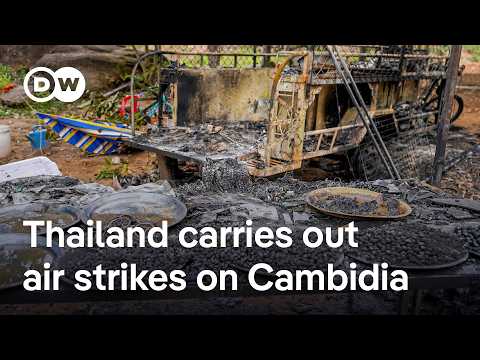
10 people die in military clashes along Thailand-Cambodia border | DW News
0
林宜悉 posted on 2025/07/25Ever wondered about the tensions along the Thailand-Cambodia border? This DW News report dives into the military clashes, explaining the historical roots of the dispute and the diplomatic efforts to resolve it. You'll pick up tons of useful vocabulary related to international affairs and conflict resolution!
Learn this video on the APP!
The VoiceTube App has more in-depth practice for videos!