
achieve
US /əˈtʃiv/
UK /ə'tʃi:v/
- Transitive Verb
- To succeed in doing good, usually by working hard
- To succeed in reaching a particular goal, status, or standard, often after effort or perseverance.
A2TOEICMoreafford
US /əˈfɔrd, əˈford/
UK /ə'fɔ:d/
- Transitive Verb
- To make available, to provide
- To have enough money to pay for something
A2TOEICMoreanswer to
US
UK
- Phrasal Verb
- To be responsible to someone and have to explain your actions to them.
- To correspond to or match a description or requirement.
A1Morebeneficial
US /ˌbɛnəˈfɪʃəl/
UK /ˌbenɪˈfɪʃl/
- Adjective
- Giving an advantage, having a helpful effect
- Promoting or contributing to physical or mental well-being.
B1TOEICMoreclimate
US /ˈklaɪmɪt/
UK /ˈklaɪmət/
- Noun (Countable/Uncountable)
- Typical weather conditions in a particular place
- The general attitudes, feelings, or opinions that people have at a particular time.
A2Moreclothe
US /kloʊð/
UK /kləʊð/
- Transitive Verb
- To put a certain type of clothing on someone; dress
B1Morecomplex
US /kəmˈplɛks, ˈkɑmˌplɛks/
UK /'kɒmpleks/
- Countable Noun
- Group of buildings all used for the same purpose
- Adjective
- Not being simple; having many parts or aspects
A2Morecrisis
US /ˈkraɪsɪs/
UK /'kraɪsɪs/
- Noun (Countable/Uncountable)
- Unstable situation of extreme danger or difficulty
- A turning point in a disease.
B1Moredeal with
US /dil wɪð/
UK /di:l wið/
- Verb (Transitive/Intransitive)
- To buy or sell goods or services.
- Phrasal Verb
- To take action to solve a problem or manage a situation.
- To be about; concern.
A1Moredecrease
US /dɪˈkris/
UK /dɪˈkri:s/
- Verb (Transitive/Intransitive)
- To reduce the size, amount or number of something
- Uncountable Noun
- Amount by which something has been reduced
B1TOEICMoredisagree
US /ˌdɪsəˈɡri/
UK /ˌdɪsə'ɡri:/
- Intransitive Verb
- To have a different opinion; to fail to agree
B2TOEICMoredisagree with
US /ˌdɪsəˈɡri wɪð/
UK /ˌdisəˈɡri: wið/
- Phrasal Verb
- To have a different opinion from someone else.
- Intransitive Verb
- To cause someone to feel ill or uncomfortable.
A1Moreelement
US /ˈɛləmənt/
UK /'elɪmənt/
- Noun (Countable/Uncountable)
- Essential or particular part of something
- A substance that cannot be broken down into simpler substances by chemical means.
A2TOEICMoreepisode
US /ˈɛpɪˌsod/
UK /'epɪsəʊd/
- Noun
- One separate event in a series of events
- Show which is part of a larger story
B1TOEICMorefactor
US /ˈfæktɚ/
UK /'fæktə(r)/
- Noun
- Something that influences a result
- Transitive Verb
- To consider or include in an estimate or judgment
- To find the two numbers a number can be divided by
A2TOEICMorefeasible
US /ˈfizəbəl/
UK /ˈfi:zəbl/
- Adjective
- Possible; that you can believe will work/succeed
B2TOEICMorefor example
US
UK
- Phrase
- As an illustration or instance.
for now
US /fɔr naʊ/
UK /fɔ: nau/
- Phrase
- Temporarily; for the present time.
- In the short term; for the immediate future.
A1Morehave to
US /hæv tu/
UK /ˈhæv tə/
- Auxiliary Verb
- Must do
A1Morein fact
US /ɪn fækt/
UK /in fækt/
- Adverb
- Used to emphasize the truth of a statement, especially one that contrasts with or contradicts something else.
- Used to introduce a more detailed or surprising piece of information.
- Phrase
- Used to emphasize the truth of a statement, especially one that is surprising or contrary to what might be expected.
C1Morein the world
US /ɪn ði wɜrld/
UK /in ðə wɜː(r)ld/
- Phrase
- Used to emphasize a question expressing surprise, confusion, disbelief
- Used to indicate the extent or degree of something, often in a superlative sense
A1Moreinnovation
US /ˌɪnəˈveʃən/
UK /ˌɪnəˈveɪʃn/
- Uncountable Noun
- Process of creating new ideas or inventions
- A new thing or method that is introduced.
B1TOEICMoreinvestigate
US /ɪnˈvɛstɪˌɡet/
UK /ɪn'vestɪɡeɪt/
- Verb (Transitive/Intransitive)
- To try to find out facts; to carry out research
A2Moreinvestment
US /ɪnˈvɛstmənt/
UK /ɪnˈvestmənt/
- Noun (Countable/Uncountable)
- Something purchased hoping its value will increase
- Something you invest in, such as a company, property, etc.
A2TOEICMorelikelihood
US /ˈlaɪkliˌhʊd/
UK /ˈlaɪklihʊd/
- Uncountable Noun
- Chance that something might happen
B1TOEICMorelimit
US /ˈlɪmɪt/
UK /'lɪmɪt/
- Noun (Countable/Uncountable)
- Point beyond which it is not possible to go
- A line or edge marking the boundary of an area.
- Transitive Verb
- To stop or prevent an increase past a point
A2TOEICMoremove on
US /muv ɑn/
UK /mu:v ɔn/
- Phrasal Verb
- To decide to change or go to a different place
- To start talking about something different.
A1Moreof a kind
US /ʌv e kaɪnd/
UK /ɔv ə kaind/
- Adjective
- Unique; not like anything else
- Phrase
- Sharing similar characteristics or qualities; alike
A1Moreplanet
US /ˈplænɪt/
UK /'plænɪt/
- Noun (Countable/Uncountable)
- One of the bodies that orbit the sun
- A different world or sphere of existence.
- Proper Noun
- The earth.
A2Morepoverty
US /ˈpɑvəti/
UK /ˈpɔvəti/
- Uncountable Noun
- State of being poor
- Lack of something necessary
B1Morequiz
US /kwɪz/
UK /kwɪz/
- Noun (Countable/Uncountable)
- A game in which players answer questions on topics
- Brief spoken or written test, given to students
- Transitive Verb
- To ask a person many questions about something
B1Morequiz question
US
UK
- Countable Noun
- A question asked in a quiz to test someone's knowledge.
A2Morerecap
US /riˈkæp/
UK /'ri:kæp/
- Noun
- Brief description of something that had been said
- Transitive Verb
- To describe or summarize the main points
C1TOEICMorereduce
US /rɪˈdus, -ˈdjus/
UK /rɪ'dju:s/
- Verb (Transitive/Intransitive)
- To try to decrease, e.g. your weight if overweight
- To boil a liquid until it has decreased in amount
A2TOEICMorerefer
US /rɪˈfɚ/
UK /rɪ'fɜ:(r)/
- Verb (Transitive/Intransitive)
- To talk about or write about something
- To give information about something
A2TOEICMorerely
US /rɪˈlaɪ/
UK /rɪ'laɪ/
- Intransitive Verb
- Depend on with full trust or confidence
- To trust or have confidence in someone.
B2TOEICMorerely on
US /rɪˈlaɪ ɑn/
UK /riˈlai ɔn/
- Phrasal Verb
- To depend on someone or something
A2Moreresearch
US /rɪˈsɚtʃ, ˈriˌsɚtʃ/
UK /rɪ'sɜ:tʃ/
- Verb (Transitive/Intransitive)
- To study in order to discover new ideas and facts
- To study the market relating to marketing products and services.
- Noun (Countable/Uncountable)
- Study done to discover new ideas and facts
- A particular area or topic of study.
A2TOEICMorestuff
US /stʌf/
UK /stʌf/
- Uncountable Noun
- Generic description for things, materials, objects
- Transitive Verb
- To push material inside something, with force
B1Moresuch as
US /sʌtʃ æz/
UK /sʌtʃ æz/
- Preposition
- For example; like
A1Moretackle
US /ˈtækəl/
UK /'tækl/
- Transitive Verb
- To start working on a difficult problem
- To grab and throw a person to the ground
- Noun (Countable/Uncountable)
- Equipment used in fishing
- Arrangement of ropes and wheels used for lifting
B1TOEICMoretechnology
US /tɛkˈnɑlədʒi/
UK /tek'nɒlədʒɪ/
- Uncountable Noun
- Use or knowledge of science in industry etc.
- Machinery and equipment developed from scientific knowledge.
A2TOEICMoretraditionally
US /trə'dɪʃənəlɪ/
UK /trə'dɪʃənəlɪ/
- Adverb
- Something done in a customary, traditional manner
B2Moretrend
US /trɛnd/
UK /trend/
- Noun (Countable/Uncountable)
- Current style or fashion
- General direction that is taken
- Intransitive Verb
- To be current and popular
- To move up or down
A2Moreunderestimate
US /ˌʌndɚˈɛstəmet/
UK /ˌʌndər'estɪmeɪt/
- Transitive Verb
- To make too low a guess of something's size, value
B2TOEICMorevocabulary
US /voˈkæbjəˌlɛri/
UK /və'kæbjələrɪ/
- Uncountable Noun
- Words that have to do with a particular subject
- The words that a person knows
B1TOEICMoreweekday
US /ˈwikˌde/
UK /ˈwi:kdeɪ/
- Noun
- Any day of the week except Saturday and Sunday
B1Moreworksheet
US
UK
- Noun
- Piece of paper showing work planned or done
C2More
Vocabulary
- in the world: Used to emphasize a question expressing surprise, confusion, disbelief
- quiz question: A question asked in a quiz to test someone's knowledge.
- for example: As an illustration or instance.
- rely on: To depend on someone or something
- deal with
- disagree with: To have a different opinion from someone else.
- of a kind: Unique; not like anything else
- such as: For example; like
- move on: To decide to change or go to a different place
- have to: Must do
- answer to: To be responsible to someone and have to explain your actions to them.
- in fact: Used to emphasize the truth of a statement, especially one that contrasts with or contradicts something else.
- for now: Temporarily; for the present time.
- stuff: Generic description for things, materials, objects
- episode: One separate event in a series of events
- recap: Brief description of something that had been said
- vocabulary: Words that have to do with a particular subject
- crisis: Unstable situation of extreme danger or difficulty
- tackle: To start working on a difficult problem
- poverty: State of being poor
- achieve: To succeed in doing good, usually by working hard
- describe: To tell the appearance, sound, smell of something
- complex: Group of buildings all used for the same purpose
- climate: Typical weather conditions in a particular place
- research: To study in order to discover new ideas and facts
- bit: Device put in a horse's mouth to control it
- industry: Hard work; being busy working
- underestimate: To make too low a guess of something's size, value
- afford: To make available, to provide
- innovation: Process of creating new ideas or inventions
- wonder: Surprise caused by experiencing something amazing
- private: Being away from others and quiet
- refer: To talk about or write about something
- factor: Something that influences a result
- planet: One of the bodies that orbit the sun
- feasible: Possible; that you can believe will work/succeed
- investment: Something purchased hoping its value will increase
- likelihood: Chance that something might happen
- economy: Using money, resources in a careful, effective way
- quiz: A game in which players answer questions on topics
- reduce: To try to decrease, e.g. your weight if overweight
- rely: Depend on with full trust or confidence
- element: Essential or particular part of something
- trend: Current style or fashion
- social: Involving activity with people, e.g. in free time
- investigate: To try to find out facts; to carry out research
- limit: Point beyond which it is not possible to go
- technology: Use or knowledge of science in industry etc.
- beneficial: Giving an advantage, having a helpful effect
- decrease: To reduce the size, amount or number of something
- promise: To say you will certainly do something
- learn: To get knowledge or skills by study or experience
- programme: A plan or schedule of events
- adjective: A word that describes a noun, e.g. happy
- argue: To fight or disagree over something
- natural: Being as one would expect; being usual or normal
- great: Very good; better than before
- change: To exchange one set of clothes for another
- disagree: To have a different opinion; to fail to agree
- worksheet: Piece of paper showing work planned or done
- traditionally: Something done in a customary, traditional manner
- clothe: To put a certain type of clothing on someone; dress
- weekday: Any day of the week except Saturday and Sunday
Get the full experience in the app
Learn anywhere with detailed sentence and usage analysis
01:03
She took a brave step forward, leaving behind her comfort zone to chase her dreams.
Vocabulary
- brave
adj. Having courage
- comfort zone
phr. A familiar situation where one feels safe
Explanation
a brave step is a noun phrase, where brave is an adjective modifying the noun step, meaning "a courageous step".
forward is an adverb modifying step, meaning "ahead".
The whole phrase serves as the object, answering the "what" of took (verb) — she took a brave step forward.
Get the full experience in the app
Look up words anytime with pronunciation, part of speech, and usage
brave
US/brev/
UK/breɪv/
adj.Brave
v.t.To bravely face
A2 Elementary
Get the full experience in the app
Practice speaking anytime and get instant pronunciation feedback
Try this speaking exercise.
Try practicing with this sentence.
80
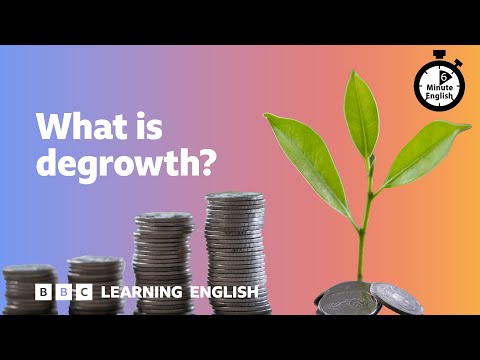
What is degrowth? ⏲️ 6 Minute English
0
VoiceTube posted on 2025/07/25Ever wondered about 'degrowth' and what it means for our planet and economy? This super-engaging 6 Minute English episode dives into this fascinating concept, explaining its connection to climate change and fast fashion. You'll pick up some fantastic new vocabulary and get a clearer picture of this important global discussion!
Learn this video on the APP!
The VoiceTube App has more in-depth practice for videos!