
absolutely
US /ˈæbsəˌlutli, ˌæbsəˈlutli/
UK /ˈæbsəlu:tli/
- Adverb
- Completely; totally; very
- Considered independently and without relation to other things; viewed abstractly; as, quantity absolutely considered.
A2Moreaccuse
US /əˈkjuz/
UK /ə'kju:z/
- Transitive Verb
- To claim that someone has done something wrong
A2Moreamass
US /əˈmæs/
UK /ə'mæs/
- Transitive Verb
- To collect a large amount of something
B2Moreat least
US /æt list/
UK /æt li:st/
- Adverb
- As a minimum
- Not less than
- Phrase
- No less than; at the minimum
- Used to indicate that something is positive in a bad situation.
C2Moreattack
US /əˈtæk/
UK /ə'tæk/
- Transitive Verb
- To try to destroy, beat, or injure
- Noun
- Act intended to hurt someone physically, mentally
A2Moreborder
US /ˈbɔrdɚ/
UK /'bɔ:də(r)/
- Verb (Transitive/Intransitive)
- To be right next to another country or state
- To form the edge of something
- Noun
- Outer part or edge of something
- Line separating one country, state from another
A2TOEICMorebring in
US /brɪŋ ɪn/
UK /briŋ in/
- Phrasal Verb
- To earn a certain amount of money or profits
- To add person into existing group, e.g. phone call
A1Morecivilian
US /sɪˈvɪljən/
UK /sə'vɪlɪən/
- Countable Noun
- Ordinary person who is not in the army
- Adjective
- Relating to civilians; not military.
B2Moreconflict
US /ˈkɑnˌflɪkt/
UK /'kɒnflɪkt/
- Noun (Countable/Uncountable)
- Argument or struggle between two or more parties
- A serious disagreement or argument.
- Verb (Transitive/Intransitive)
- To have opposite ideas; to disagree; To not match
A2Morecorrespondent
US /ˌkɔrɪˈspɑndənt, ˌkɑr-/
UK /ˌkɒrəˈspɒndənt/
- Countable Noun
- Journalist, as one reporting from other countries
B1Morecounter
US /ˈkaʊntɚ/
UK /'kaʊntə(r)/
- Transitive Verb
- To say or do something in opposition or resistance
- To try to prevent, as by making a different point
- Prefix
- Being opposite or against something
B1Moredeepen
US /ˈdipən/
UK /'di:pən/
- Intransitive Verb
- To become louder, lower or greater in degree
B1Moredefence
US /dɪˈfɛns/
UK /dɪˈfens/
- Uncountable Noun
- The process of protecting something from attack
B1Moredeploy
US /dɪˈplɔɪ/
UK /dɪˈplɔɪ/
- Transitive Verb
- To put into position (often a military operation)
- To put something into use or action.
B1TOEICMorediplomatic
US /ˌdɪpləˈmætɪk/
UK /ˌdɪpləˈmætɪk/
- Adjective
- Concerning formal relationships between countries
- Not being offensive
B1Moredispute
US /dɪˈspjut/
UK /dɪ'spju:t/
- Verb (Transitive/Intransitive)
- To argue with someone about something
- To disagree about who owns or controls something
- Noun (Countable/Uncountable)
- Argument with someone about something
- A question or doubt about something
B1TOEICMoreerupt
US /ɪˈrʌpt/
UK /ɪˈrʌpt/
- Verb (Transitive/Intransitive)
- To begin doing something or happen suddenly
- (Volcano) to spill hot rocks, smoke, and fire
B1Moreescalate
US /ˈɛskəˌlet/
UK /ˈeskəleɪt/
- Verb (Transitive/Intransitive)
- To increase in size, intensity, or scope
- To become much worse or more severe
B2Moreescalation
US /ˌeskə'leɪʃn/
UK /ˌeskə'leɪʃn/
- Noun (Countable/Uncountable)
- An increase in severity
B2Moreevacuate
US /ɪˈvækjuˌet/
UK /ɪ'vækjʊeɪt/
- Transitive Verb
- To move people from dangerous to a safe places
B2Moreflare
US /flɛr/
UK /fleə(r)/
- Intransitive Verb
- To become angry or excited suddenly
- To burn or shine suddenly and briefly
- Noun
- A brief bright light
- Light/fire used to signal for help/warn of danger
B2Moreforeign
US /ˈfɔ:rən/
UK /ˈfɒrən/
- Adjective
- Being of a different place or country
- Strange; different from ones found at home
A2TOEICMorein the works
US
UK
- Adjective
- Being planned or prepared; in progress.
- Phrase
- Under development or being actively planned.
A1Moreincident
US / ˈɪnsɪdənt/
UK /ˈɪnsɪdənt/
- Noun (Countable/Uncountable)
- Event, usually unusual or important; accident
- A political event that causes difficulties.
A2Morelaunch
US /lɔntʃ, lɑntʃ/
UK /lɔ:ntʃ/
- Noun
- Starting a new project; introducing new product
- Act of firing rockets into the air
- Transitive Verb
- To start a new project; start selling a product
- To put a rocket into the air
A2TOEICMoremention
US /ˈmɛnʃən/
UK /'menʃn/
- Transitive Verb
- To refer to or talk or write about something
- Uncountable Noun
- Act of referring to or talking about something
- A formal acknowledgement of something
A2TOEICMoremilitary
US /ˈmɪlɪˌtɛri/
UK /'mɪlətrɪ/
- Noun
- Army or armed forces
- Adjective
- Concerning the army or navy
B1Moreministry
US /ˈmɪnɪstri/
UK /ˈmɪnɪstri/
- Noun (Countable/Uncountable)
- Body of religious workers and leaders
- Government department, such as Education
B1Morepetrol
US /ˈpɛtrəl/
UK /ˈpetrəl/
- Uncountable Noun
- Liquid used as fuel in car engines; (US) gasoline
B1TOEICMoreplant
US /plænt/
UK /plɑ:nt/
- Noun (Countable/Uncountable)
- Factory or a place where things are made
- Living thing with leaves and roots growing in soil
- Transitive Verb
- To firmly position something (in the ground)
- To put seeds, flowers, trees in the ground
A2TOEICMoreprominent
US /ˈprɑmənənt/
UK /ˈprɒmɪnənt/
- Adjective
- Being important or well known
- Being easily noticeable
B1Morerecall
US /rɪˈkɔl/
UK /rɪˈkɔ:l/
- Noun (Countable/Uncountable)
- (Company) asking for the return of faulty goods
- Act of remembering events or details of the past
- Transitive Verb
- (Company) to ask for the return of faulty goods
- To remember events or details of the past
A2Moreregion
US /ˈridʒən/
UK /'ri:dʒən/
- Noun (Countable/Uncountable)
- Part of a country, of the world, area, etc.
- A part of the body
A2TOEICMoreremain
US /rɪˈmen/
UK /rɪˈmeɪn/
- Intransitive Verb
- To be left behind; to continue to exist
- To stay in a place when other people have gone
A2TOEICMoresharp
US /ʃɑrp/
UK /ʃɑ:p/
- Proper Noun
- Person's name
- Adjective
- Being very clear and easy to see
- (Of clothes) nicely or stylishly
A2TOEICMoreshell
US /ʃɛl/
UK /ʃel/
- Noun (Countable/Uncountable)
- Hard outer cover of an egg, fruit, nut, or seed
- Hard metal container containing a bullet
- Transitive Verb
- To remove the outer covering of peas, nuts etc.
- To fire shells (weapons) at
B1Moreshoot
US /ʃut/
UK /ʃu:t/
- Verb (Transitive/Intransitive)
- To kick or throw a ball at a goal
- To fire a gun; injure or kill someone with a gun
- Countable Noun
- Emerging new part of a plant
A2Moresimmer
US /ˈsɪmɚ/
UK /'sɪmə(r)/
- Verb (Transitive/Intransitive)
- To cook or be cooked so that it is just boiling
B2Moresoldier
US /ˈsoldʒɚ/
UK /'səʊldʒə(r)/
- Countable Noun
- Person working in an army to fight
B1More
Vocabulary
- at least: As a minimum
- bring in: To earn a certain amount of money or profits
- in the works: Being planned or prepared; in progress.
- sort: To organize things by putting them into groups
- absolutely: Completely; totally; very
- situation: Place, position or area that something is in
- conflict: Argument or struggle between two or more parties
- prominent: Being important or well known
- increase: To make or become larger in size or amount
- bit: Device put in a horse's mouth to control it
- military: Army or armed forces
- mention: To refer to or talk or write about something
- remain: To be left behind; to continue to exist
- region: Part of a country, of the world, area, etc.
- launch: Starting a new project; introducing new product
- counter: To say or do something in opposition or resistance
- dispute: To argue with someone about something
- incident: Event, usually unusual or important; accident
- lead: Wire for electricity, computer, etc.; cable
- break: To create a new record e.g. running the 100m dash
- diplomatic: Concerning formal relationships between countries
- correspondent: Journalist, as one reporting from other countries
- leave: To go away from; depart
- foreign: Being of a different place or country
- escalate: To increase in size, intensity, or scope
- border: To be right next to another country or state
- sharp: Person's name
- evacuate: To move people from dangerous to a safe places
- civilian: Ordinary person who is not in the army
- act: To behave in a certain way
- catch: Amount of something that has been caught
- recall: (Company) asking for the return of faulty goods
- stand: To be a candidate in an election
- bring: To take or go with someone to a place
- deploy: To put into position (often a military operation)
- accuse: To claim that someone has done something wrong
- worse: Comparative of 'bad'; more bad
- shell: Hard outer cover of an egg, fruit, nut, or seed
- flare: To become angry or excited suddenly
- plant: Factory or a place where things are made
- simmer: To cook or be cooked so that it is just boiling
- shoot: To kick or throw a ball at a goal
- petrol: Liquid used as fuel in car engines; (US) gasoline
- attack: To try to destroy, beat, or injure
- wide: Having a great distance from one side to the other
- escalation: An increase in severity
- fight: To argue or quarrel with someone about something
- lose: To be unable to keep in check or control something
- ministry: Body of religious workers and leaders
- erupt: To begin doing something or happen suddenly
- soldier: Person working in an army to fight
- deepen: To become louder, lower or greater in degree
- defence: The process of protecting something from attack
- amass: To collect a large amount of something
Get the full experience in the app
Learn anywhere with detailed sentence and usage analysis
01:03
She took a brave step forward, leaving behind her comfort zone to chase her dreams.
Vocabulary
- brave
adj. Having courage
- comfort zone
phr. A familiar situation where one feels safe
Explanation
a brave step is a noun phrase, where brave is an adjective modifying the noun step, meaning "a courageous step".
forward is an adverb modifying step, meaning "ahead".
The whole phrase serves as the object, answering the "what" of took (verb) — she took a brave step forward.
Get the full experience in the app
Look up words anytime with pronunciation, part of speech, and usage
brave
US/brev/
UK/breɪv/
adj.Brave
v.t.To bravely face
A2 Elementary
Get the full experience in the app
Practice speaking anytime and get instant pronunciation feedback
Try this speaking exercise.
Try practicing with this sentence.
80
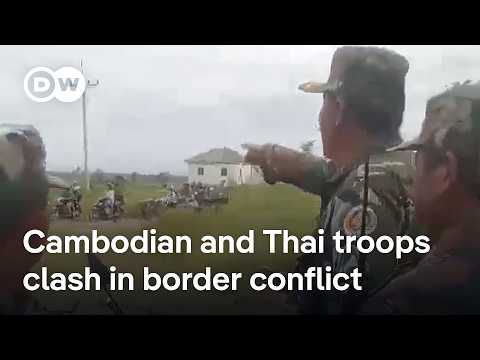
Thailand, Cambodia border clashes turn deadly as troops trade heavy fire | DW News
0
林宜悉 posted on 2025/07/24Ever wondered about the tensions along the Thailand-Cambodia border? This DW News report dives deep into the recent deadly clashes, explaining the cross-border shelling, civilian casualties, and mass evacuations. You'll gain valuable knowledge about Southeast Asian affairs while picking up straightforward journalistic language and simple sentence structures!
Learn this video on the APP!
The VoiceTube App has more in-depth practice for videos!