
acknowledge
US /ækˈnɑlɪdʒ/
UK /ək'nɒlɪdʒ/
- Transitive Verb
- To say you have received a letter, gift, etc.
- To say you accept the truth or value of something
A2Moreadequate
US /ˈædɪkwɪt/
UK /ˈædɪkwət/
- Adjective
- Enough; good enough for what is needed
A2TOEICMoreaid
US /ed/
UK /eɪd/
- Transitive Verb
- To help others and provide things
- Noun (Countable/Uncountable)
- Action of giving help to others
- Money or help given to those who need it
A2TOEICMoreat a time
US /æt e taɪm/
UK /æt ə taim/
- Phrase
- Separately; one by one
- Simultaneously; together
A1Moreat home
US /æt hom/
UK /æt həum/
- Phrase
- In one's own residence or country.
- Adjective
- Feeling comfortable and relaxed.
at least
US /æt list/
UK /æt li:st/
- Adverb
- As a minimum
- Not less than
- Phrase
- No less than; at the minimum
- Used to indicate that something is positive in a bad situation.
C2Moreback into
US /bæk ˈɪntu/
UK /bæk ˈɪntuː/
- Phrasal Verb
- To drive a vehicle backwards into a space or area.
- To accidentally collide with something while moving backwards.
A1Moreblockade
US /blɑ:ˈkeɪd/
UK /blɒˈkeɪd/
- Transitive Verb
- To block or impede the movement of people, objects
- Noun
- Arrangement that blocks or impedes movement
B2Morecivil
US /ˈsɪvəl/
UK /ˈsɪvl/
- Adjective
- Of citizens of a country; not military, criminal
- Acting in a polite, but not truly friendly manner
B1Morecombat
US /kəmˈbæt, ˈkɑmˌbæt/
UK /'kɒmbæt/
- Verb (Transitive/Intransitive)
- To fight someone or something physically
B1Morecome out with
US /kʌm aʊt wɪð/
UK /kʌm aut wið/
- Phrasal Verb
- To go out with someone on a date
- To say something, especially something surprising or controversial.
A1Morecontroversial
US /ˌkɑntrəˈvɚʃəl, -siəl/
UK /ˌkɔntrəˈvə:ʃəl/
- Adjective
- Causing a great deal of argument, or conflict
B1Morecrook
US /krʊk/
UK /krʊk/
- Noun
- A criminal or thief; dishonest person
B2Moredefense
US /dɪˈfɛns/
UK /dɪ'fens/
- Noun (Countable/Uncountable)
- Argument in support of something
- The process of protecting something from attack
B1TOEICMoredesalination
US /ˌdiːˌsælɪˈneɪʃn/
UK /ˌdi:ˌsælɪˈneɪʃn/
- Uncountable Noun
- Removal of salt (especially from sea water)
C2Moredesperate
US /ˈdɛspərɪt/
UK /ˈdespərət/
- Adjective
- Being beyond hope; prepared to do anything
- State of urgently wanting to go to the toilet
A2Moredistribution
US /ˌdɪstrəˈbjuʃən/
UK /ˌdɪstrɪˈbju:ʃn/
- Noun (Countable/Uncountable)
- Dividing or spreading out to others
- Act of sending products to stores to sell
- Adjective
- Sending products to stores to sell
B1Moredown the line
US /daʊn ði laɪn/
UK /daun ðə lain/
- Phrase
- At a later time; in the future.
- Completely; entirely; all the way.
- Adjective
- In agreement or accordance with something.
A1Moredrone
US /dron/
UK /drəʊn/
- Countable Noun
- A remote controlled flying device
- Male bee
- Intransitive Verb
- To talk in a continually dull or monotonous voice
- To make a continuous low humming sound.
B2TOEICMoreduration
US /duˈreɪʃn/
UK /djuˈreɪʃn/
- Uncountable Noun
- Length of time that something lasts
B1TOEICMoreenergy
US /ˈɛnədʒi/
UK /'enədʒɪ/
- Noun (Countable/Uncountable)
- Physical or mental strength
- Enthusiasm and determination.
A2Moreevacuation
US /ɪˌvækjuˈeʃən/
UK /ɪˌvækjʊ'eɪʃn/
- Noun (Countable/Uncountable)
- Sending to a safer place because of danger
- The process of removing people from a dangerous place.
B2Morefamine
US /ˈfæmɪn/
UK /ˈfæmɪn/
- Noun (Countable/Uncountable)
- Long-lasting period of little food in an area
- A drastic food shortage in a large area or country.
B2Morefracture
US /ˈfræktʃɚ/
UK /'fræktʃə(r)/
- Noun (Countable/Uncountable)
- Break in a bone, usually small
- A break down in a relationship
- Verb (Transitive/Intransitive)
- To break something hard, usually a bone
- To cause a break down in a relationship
B2Morefreelance
US /ˈfriˌlæns/
UK /'fri:lɑ:ns/
- Intransitive Verb
- To work for yourself, not a company
B2Morefuel
US /ˈfjuəl/
UK /'fju:əl/
- Transitive Verb
- To give power to (a mob, anger, etc.); incite
- To provide gas or petrol for something
- Uncountable Noun
- Material used to produce heat or power when burned
A2TOEICMoreget around to
US /ɡɛt əˈraʊnd tu/
UK /ɡet əˈraund tu:/
- Phrasal Verb
- To finally start doing something you avoided doing
A1Moregoing on
US /ˈɡoɪŋ ɑn/
UK /ˈgəʊɪŋ ɔn/
- Phrasal Verb
- To continue doing something
- To happen (usually negative)
A1Moreharrowing
US /ˈhæroɪŋ/
UK /'hærəʊɪŋ/
- Adjective
- Extremely shocking or upsetting
- Transitive Verb
- To be extremely upsetting
C1TOEICMoreheal
US /hi:l/
UK /hi:l/
- Verb (Transitive/Intransitive)
- To recover from or forget a bad experience
- To make or become healthy or well again
B1Morehome in
US /ˈhoʊm ɪn/
UK /ˈhəum ɪn/
- other
- Move or direct toward a specific target or goal.
B2Morehumanitarian
US /hju:ˌmænɪˈteriən/
UK /hju:ˌmænɪˈteəriən/
- Noun
- Person who tries to help those in a crisis
- Adjective
- Concerned with or seeking to promote human welfare.
B2Morein particular
US /ɪn pɚˈtɪkjəlɚ/
UK /in pəˈtikjulə/
- Phrase
- Specifically; especially.
- Detailed or precise.
A1Morein terms of
US
UK
- Phrase
- With regard to; concerning a particular aspect.
A1Morein the past
US
UK
- Phrase
- During a former period of time; previously.
A1Moreinsist
US /ɪnˈsɪst/
UK /ɪn'sɪst/
- Transitive Verb
- To demand that someone do something
- Intransitive Verb
- To strongly state your opinion without changing it
A2TOEICMoreinvariably
US /ɪnˈveriəbli/
UK /ɪnˈveəriəbli/
- Adverb
- Each time without change; always
B1Moremechanism
US /ˈmɛkəˌnɪzəm/
UK /'mekənɪzəm/
- Noun (Countable/Uncountable)
- Part of a machine that performs a certain function
- System or process for achieving a certain result
B1Moremilitary
US /ˈmɪlɪˌtɛri/
UK /'mɪlətrɪ/
- Noun
- Army or armed forces
- Adjective
- Concerning the army or navy
B1Morenutrient
US /ˈnutriənt/
UK /ˈnju:triənt/
- Noun (Countable/Uncountable)
- A chemical living things needs to be healthy
B1Morenutrition
US /nuˈtrɪʃən, nju-/
UK /njuˈtrɪʃn/
- Uncountable Noun
- Scientific study of the effects of foods on health
- Food and other things you eat or drink
B1Moreof course
US /ʌv kɔː(r)s/
UK /ɔv kɔː(r)s/
- Adverb
- Sure ; Certainly
- Phrase
- For sure; certainly
A2Moreoffensive
US /əˈfɛnsɪv/
UK /əˈfensɪv/
- Adjective
- Causing displeasure or anger
- Attacking or intended to attack
- Noun
- A military attack
B1TOEICMoreon average
US /ɑn ˈævərɪdʒ/
UK /ɔn ˈævəridʒ/
- Phrase
- Typically; usually; based on an average calculation.
B1Moreon the ground
US
UK
- Phrase
- Located on the surface of the earth.
- Present and available in a particular place, especially to deal with a situation.
patient
US /ˈpeʃənt/
UK /'peɪʃnt/
- Adjective
- Not getting annoyed when things take a long time
- Bearing or enduring pain or trials without complaint; exhibiting forbearance.
- Countable Noun
- Person who receives medical treatment or care
A2Moreperceive
US /pɚˈsiv/
UK /pə'si:v/
- Transitive Verb
- To notice or become aware of something
- To think of someone or something in a certain way
B1TOEICMorepicks up
US
UK
- Phrasal Verb
- To catch a criminal and take to police station
- To start again where you left off
- Verb (Transitive/Intransitive)
- Learns or acquires something, often quickly or without effort.
- Collects someone or something.
A1Morequantify
US /ˈkwɑ:ntɪfaɪ/
UK /ˈkwɒntɪfaɪ/
- Transitive Verb
- To find or calculate the quantity of something
B2Morerelate
US /rɪˈlet/
UK /rɪ'leɪt/
- Transitive Verb
- To demonstrate a logical relationship between
- To understand or sympathize with, e.g. a problem
A2TOEICMorespeak to
US /spik tu/
UK /spi:k tu:/
- Verb (Transitive/Intransitive)
- To address or communicate with someone.
- To indicate or suggest something; to be relevant to.
A1Morespread
US /sprɛd/
UK /spred/
- Noun (Countable/Uncountable)
- A big meal, often laid out as a buffet
- The distance between two things
- Verb (Transitive/Intransitive)
- To place over a large area; to cover a large area
- (Of ideas, gossip) to pass to and affect others
A2TOEICMorestand up for
US /stænd ʌp fɔr/
UK /stænd ʌp fɔ:/
- Phrasal Verb
- To support someone or an idea, e.g. human rights
A1Morestatement
US / ˈstetmənt/
UK /ˈsteɪtmənt/
- Noun (Countable/Uncountable)
- Record of activity in a bank account over time
- Act or process of saying something formally
A2TOEICMorestrike
US /straɪk/
UK /straɪk/
- Transitive Verb
- To hit something
- To remove or erase.
- Noun (Countable/Uncountable)
- A punch or hit
- Fact of not hitting the ball when playing baseball
A2TOEICMorestrip
US /strɪp/
UK /strɪp/
- Transitive Verb
- To remove your clothes (often sexily for someone)
- To remove something, e.g. paint from a wall
- Countable Noun
- Long narrow piece, such as ribbon or land
B1Moresuch as
US /sʌtʃ æz/
UK /sʌtʃ æz/
- Preposition
- For example; like
A1Moresurgeon
US /ˈsɜrdʒən/
UK /'sɜ:dʒən/
- Countable Noun
- A doctor who performs surgery
B2Moretalking about
US
UK
- Phrasal Verb
- To discuss a particular topic.
- To be constantly mentioning or bringing up a subject.
A1Moretraffic accident
US
UK
- Noun
- An incident involving one or more vehicles on a public road, resulting in damage or injury.
A2Moretruck in
US /trʌk ɪn/
UK /trʌk ɪn/
- other
- To bring goods or materials by truck to a location.
B2Morevast
US /væst/
UK /vɑ:st/
- Adjective
- Being very large in size or amount
A2TOEICMoreviolent
US /ˈvaɪələnt/
UK /ˈvaɪələnt/
- Adjective
- Done with force; likely to produce physical damage
- Using or involving physical force intended to hurt, damage, or kill someone or something.
A2Morework in
US /wɚk ɪn/
UK /wə:k in/
- Phrasal Verb
- To make an opening for something in your schedule
- To fit person/thing into a schedule or sequence
A1Morewound
US /waʊnd/
UK /waʊnd/
- Transitive Verb
- To rotate a part of say a watch to make it work
- To hurt someone emotionally
- Noun (Countable/Uncountable)
- Sadness or displeasure caused by a bad memory
- Physical injury, especially that suffered in war
A2More
Vocabulary
- going on: To continue doing something
- of course: Sure ; Certainly
- speak to: To address or communicate with someone.
- talking about: To discuss a particular topic.
- such as: For example; like
- in the past: During a former period of time; previously.
- at least: As a minimum
- on the ground: Located on the surface of the earth.
- on average: Typically; usually; based on an average calculation.
- get around to: To finally start doing something you avoided doing
- in particular: Specifically; especially.
- picks up: To catch a criminal and take to police station
- at a time: Separately; one by one
- work in: To make an opening for something in your schedule
- stand up for: To support someone or an idea, e.g. human rights
- come out with: To go out with someone on a date
- at home: In one's own residence or country.
- home in: Move or direct toward a specific target or goal.
- traffic accident: An incident involving one or more vehicles on a public road, resulting in damage or injury.
- truck in: To bring goods or materials by truck to a location.
- down the line: At a later time; in the future.
- in terms of
- back into: To drive a vehicle backwards into a space or area.
- perceive: To notice or become aware of something
- situation: Place, position or area that something is in
- controversial: Causing a great deal of argument, or conflict
- vast: Being very large in size or amount
- desperate: Being beyond hope; prepared to do anything
- treat: To pay for the food or enjoyment of someone else
- strike: To hit something
- combat: To fight someone or something physically
- spread: A big meal, often laid out as a buffet
- fuel: To give power to (a mob, anger, etc.); incite
- statement: Record of activity in a bank account over time
- military: Army or armed forces
- adequate: Enough; good enough for what is needed
- mechanism: Part of a machine that performs a certain function
- acknowledge: To say you have received a letter, gift, etc.
- wonder: Surprise caused by experiencing something amazing
- famine: Long-lasting period of little food in an area
- nutrient: A chemical living things needs to be healthy
- aid: To help others and provide things
- drop: Distance between a higher and a lower level
- strip: To remove your clothes (often sexily for someone)
- nutrition: Scientific study of the effects of foods on health
- invariably: Each time without change; always
- relate: To demonstrate a logical relationship between
- patient: Not getting annoyed when things take a long time
- civil: Of citizens of a country; not military, criminal
- offensive: Causing displeasure or anger
- fall: Season after summer and before winter; Autumn
- energy: Physical or mental strength
- drone: A remote controlled flying device
- violent: Done with force; likely to produce physical damage
- heal: To recover from or forget a bad experience
- totally: In a complete way; completely; absolutely
- wound: To rotate a part of say a watch to make it work
- defense: Argument in support of something
- distribution: Dividing or spreading out to others
- insist: To demand that someone do something
- evacuation: Sending to a safer place because of danger
- single: One run in cricket or a hit baseball
- duration: Length of time that something lasts
- hit: To have a negative impact on a person/place/thing
- simple: Not hard to understand or do; not complex
- active: Moving around a lot or doing many things
- humanitarian: Person who tries to help those in a crisis
- surgeon: A doctor who performs surgery
- worse: Comparative of 'bad'; more bad
- fracture: Break in a bone, usually small
- healthy: In good condition physically, or financially; well
- work: The product of some artistic or literary endeavor
- time: Speed at which music is played; tempo
- people: Persons sharing culture, country, background, etc.
- crook: A criminal or thief; dishonest person
- harrowing: Extremely shocking or upsetting
- freelance: To work for yourself, not a company
- blockade: To block or impede the movement of people, objects
- quantify: To find or calculate the quantity of something
- desalination: Removal of salt (especially from sea water)
Get the full experience in the app
Learn anywhere with detailed sentence and usage analysis
01:03
She took a brave step forward, leaving behind her comfort zone to chase her dreams.
Vocabulary
- brave
adj. Having courage
- comfort zone
phr. A familiar situation where one feels safe
Explanation
a brave step is a noun phrase, where brave is an adjective modifying the noun step, meaning "a courageous step".
forward is an adverb modifying step, meaning "ahead".
The whole phrase serves as the object, answering the "what" of took (verb) — she took a brave step forward.
Get the full experience in the app
Look up words anytime with pronunciation, part of speech, and usage
brave
US/brev/
UK/breɪv/
adj.Brave
v.t.To bravely face
A2 Elementary
Get the full experience in the app
Practice speaking anytime and get instant pronunciation feedback
Try this speaking exercise.
Try practicing with this sentence.
80
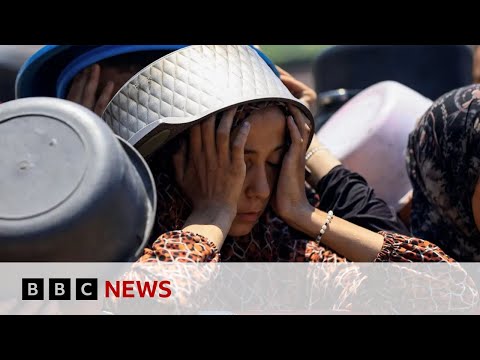
Aid groups warn that ‘mass starvation’ is spreading in Gaza | BBC News
0
林宜悉 posted on 2025/07/23Worried about the escalating humanitarian crisis in Gaza? This BBC News report dives deep into the heart of the issue, featuring on-the-ground perspectives and crucial details about mass starvation and aid access. You'll pick up advanced vocabulary related to humanitarian emergencies and complex sentence structures, making it a powerful way to boost your English skills while learning about critical world events.
Learn this video on the APP!
The VoiceTube App has more in-depth practice for videos!