
all at once
US
UK
- Adverb
- Suddenly; at the same time
- At the same time; simultaneously
- Phrase
- Suddenly; at the same time
A1Moreat once
US /æt wʌns/
UK /æt wʌns/
- Adverb
- Immediately; without delay
- At the same time; simultaneously
A2Moreavoid
US /əˈvɔɪd/
UK /ə'vɔɪd/
- Transitive Verb
- To prevent from happening
- To stay away from
A2TOEICMoreawareness
US /əˈwɛrnɪs/
UK /əˈweənəs/
- Uncountable Noun
- Having knowledge of something
A2TOEICMoreawkward
US /ˈɔkwəd/
UK /ˈɔ:kwəd/
- Adjective
- Lacking smooth movement
- Causing embarrassment or trouble
B1Moreblurry
US /ˈblə:ɪ/
UK /ˈblɜ:ri/
- Adjective
- Being indistinguishable or unclear in shape
B2Moreburden
US /ˈbɚdn/
UK /'bɜ:dn/
- Transitive Verb
- To weigh down with a load; impose a task upon
- Noun (Countable/Uncountable)
- Something difficult to do, manage, or accept
- Something that is carried with difficulty; an oppressive load.
B1Moreconnection
US /kəˈnɛkʃən/
UK /kəˈnekʃn/
- Noun (Countable/Uncountable)
- Something that joins things together; being joined
- Person you know who can help you in some way
A2Morecourage
US /ˈkɚrɪdʒ, ˈkʌr-/
UK /'kʌrɪdʒ/
- Uncountable Noun
- Quality of being able to face danger without fear
- The quality of being brave enough to do what is right or necessary, even when it is difficult or dangerous
- Transitive Verb
- To encourage or embolden someone.
A2Moredeal with
US /dil wɪð/
UK /di:l wið/
- Verb (Transitive/Intransitive)
- To buy or sell goods or services.
- Phrasal Verb
- To take action to solve a problem or manage a situation.
- To be about; concern.
A1Moredig into
US
UK
- Phrasal Verb
- To start eating food enthusiastically.
- To investigate or research something thoroughly.
B1Moredisconnect
US /ˌdɪskəˈnɛkt/
UK /ˌdɪskəˈnekt/
- Transitive Verb
- To separate something from something else
- Noun
- State of being separated from something else
B2Moredistract
US /dɪˈstrækt/
UK /dɪ'strækt/
- Transitive Verb
- To draw someone's attention away from something
B1TOEICMoredistraction
US /dɪˈstrækʃən/
UK /dɪˈstrækʃn/
- Noun (Countable/Uncountable)
- Something drawing your attention away from
- Enjoyable thing to help you forget your problems
B2Moreemotional
US /ɪˈmoʃənəl/
UK /ɪˈməʊʃənl/
- Adjective
- Causing, feeling, or appealing to the emotions
- Relating to or characterized by emotion
A2Moreemotionally
US /ɪˈmoʃənl:ɪ/
UK /ɪ'məʊʃənəlɪ/
- Adverb
- In a way that shows your feelings
A2Morefall apart
US /fɔl əˈpɑrt/
UK /fɔ:l əˈpɑ:t/
- Phrasal Verb
- To suffer a nervous breakdown
- To break into pieces; stop functioning
A1Morefeel like
US
UK
- Intransitive Verb
- To have a desire or inclination for something.
- To have a particular quality or sensation; resemble.
A1Morefollow up on
US
UK
- Phrasal Verb
- To investigate or check on something.
- To pursue something further after an initial action.
A1Morefor nothing
US
UK
- Phrase
- Without payment or reward; to no purpose or effect; in vain
- Free; without cost
A1Morefreeze up
US /friz ʌp/
UK /fri:z ʌp/
- Phrasal Verb
- (of a machine or part) to stop working because of ice or cold
- To become unable to move or act, usually because of fear or nervousness
B1Moregoing on
US /ˈɡoɪŋ ɑn/
UK /ˈgəʊɪŋ ɔn/
- Phrasal Verb
- To continue doing something
- To happen (usually negative)
A1Moregrill
US /ɡrɪl/
UK /ɡrɪl/
- Noun (Countable/Uncountable)
- Plate of food that has been grilled
- Metal bars on which food is cooked over fire
- Transitive Verb
- To cook directly over fire on a flat metal bars
- To ask many (difficult) questions for a long time
B1Moreguilt
US /ɡɪlt/
UK /gɪlt/
- Uncountable Noun
- Shame at doing something bad or wrong
A2TOEICMorehave to
US /hæv tu/
UK /ˈhæv tə/
- Auxiliary Verb
- Must do
A1Moreheal
US /hi:l/
UK /hi:l/
- Verb (Transitive/Intransitive)
- To recover from or forget a bad experience
- To make or become healthy or well again
B1Morehold it in
US
UK
- Phrasal Verb
- To restrain or suppress an emotion or feeling.
- To restrain or delay a bodily function, such as urination or defecation.
A1Morein control
US /ɪn kənˈtrol/
UK /in kənˈtrəul/
- Adjective
- Having the power to direct or regulate something; able to manage or direct a situation or person.
- Possessing self-restraint and the ability to manage one's own behavior and emotions.
- Phrase
- Having command or authority; managing effectively.
C1Morein mind
US /ɪn maɪnd/
UK /in maind/
- Phrase
- Being aware of or considering something.
- To remember or consider something.
A2Morein with
US /ɪn wɪð/
UK /in wið/
- Phrase
- Fashionable or popular at the moment.
- Having influence or favor with someone.
- Phrasal Verb
- To introduce or bring something new into a system or organization.
A1Moreinstead of
US /ɪnˈstɛd ʌv/
UK /inˈsted ɔv/
- Preposition
- When one thing is replaced by another
- Adverb
- As a substitute or alternative.
A1Moreinternalize
US /ɪnˈtɜ:rnəlaɪz/
UK /ɪnˈtɜ:nəlaɪz/
- Transitive Verb
- To accept attitudes, behavior as part of yourself
B1Moreinterrupt
US /ˌɪntəˈrʌpt/
UK /ˌɪntə'rʌpt/
- Verb (Transitive/Intransitive)
- To stop something from happening for a while
- To stop someone from speaking by saying or doing something.
- Noun
- A signal that stops a computer from working on one thing and starts it working on something else.
B1TOEICMorelighten the mood
US
UK
- Verb (Transitive/Intransitive)
- To make the atmosphere or situation less serious or tense.
A1Moremove on
US /muv ɑn/
UK /mu:v ɔn/
- Phrasal Verb
- To decide to change or go to a different place
- To start talking about something different.
A1Moreneglect
US /nɪˈɡlɛkt/
UK /nɪ'ɡlekt/
- Uncountable Noun
- Act of failing to do something important, required
- State or condition of not receiving proper care
- Transitive Verb
- To not do something that is important or required
- To fail to take care of something; ignore
B1TOEICMoreno shame
US
UK
- Adjective
- Without a sense of embarrassment or guilt.
- Showing a lack of hesitation or embarrassment in a way that is admirable or amusing; bold.
- Phrase
- Without apology or regret.
A1Morenormalize
US /ˈnɔ:rməlaɪz/
UK /ˈnɔ:məlaɪz/
- Transitive Verb
- To make something normal or regular
B2Morenumb
US /nʌm/
UK /nʌm/
- Adjective
- Unable to feel a body part due to cold or illness
- Transitive Verb
- To make a part of body unable to feel (pain, etc.)
B2Moreoff script
US
UK
- Adverb
- Not following a prepared script; speaking or acting spontaneously.
- Deviating from the planned or expected course of action.
B2Moreon edge
US /ɑn ɛdʒ/
UK /ɔn edʒ/
- Adjective
- Anxious, nervous, or irritable.
- Tense and easily upset.
B1Moreon to
US /ɑn tu/
UK /ɔn tu:/
- Preposition
- Toward something; forward
- Aware of someone's activities.
- Adjective
- Aware of someone's deception or illegal activities.
A1Moreor simply
US
UK
- Phrase
- Alternatively; in a more straightforward way.
A1Moreoverload
US /ˌovɚˈlod/
UK /ˌəʊvə'ləʊd/
- Transitive Verb
- To make a machine work too hard so it might break
- To cause someone or something to work too hard
- Noun (Countable/Uncountable)
- Too much of something
B2Moreoverwhelmed
US /ˌoʊ.vɚˈwɛlmd/
UK /ˌəʊ.vəˈwɛlmd/
- Transitive Verb
- To defeat something or someone completely
- To affect someone emotionally in a strong way
- Adjective
- Feeling like you have so much to do that you can't even get started.
- Feeling like you are unable to cope with something
B2Moreoverwhelming
US /ˌovɚˈhwɛlmɪŋ, -ˈwɛl-/
UK /ˌəʊvəˈwelmɪŋ/
- Transitive Verb
- To defeat something or someone completely
- To affect someone emotionally in a strong way
- Adjective
- Having too much to handle (e.g. work)
- Very great or very strong; so powerful that you cannot resist or decide how to react
B2Morepermission
US /pɚˈmɪʃən/
UK /pəˈmɪʃn/
- Noun (Countable/Uncountable)
- Right to do something as allowed by another
- Formal authorization from an authority.
A2Morepour out
US /pɔr aʊt/
UK /pɔ: aut/
- Phrasal Verb
- To serve a drink by letting it flow from a container.
- To express your feelings freely and openly.
B1Moreprocess
US /ˈprɑsˌɛs, ˈproˌsɛs/
UK /prə'ses/
- Transitive Verb
- To organize and use data in a computer
- To deal with official forms in the way required
- Noun (Countable/Uncountable)
- Dealing with official forms in the way required
- Set of changes that occur slowly and naturally
A2TOEICMorequiz
US /kwɪz/
UK /kwɪz/
- Noun (Countable/Uncountable)
- A game in which players answer questions on topics
- Brief spoken or written test, given to students
- Transitive Verb
- To ask a person many questions about something
B1Morerather than
US
UK
- Adverb
- More exactly; more correctly
- Preferably; instead
- Preposition
- Instead of
A1Morereflect
US /rɪˈflɛkt/
UK /rɪ'flekt/
- Verb (Transitive/Intransitive)
- To indicate or be a sign of something
- To bounce back light, heat, sound from a surface
A2TOEICMorereflect on
US /rɪˈflɛkt ɑn/
UK /riˈflekt ɔn/
- Phrasal Verb
- To think deeply or carefully about something.
B2Morerejection
US /rɪˈdʒɛkʃən/
UK /rɪ'dʒekʃn/
- Uncountable Noun
- Decision that something is not good enough
- Act of refusing to consider or believe
B1Moreresonate
US /ˈrɛzəˌnet/
UK /'rezəneɪt/
- Intransitive Verb
- (Of ideas) to have a big impact for a long time
- (E.g. of a bell) to sound clearly for a long time
C2TOEICMorescript
US /skrɪpt/
UK /skrɪpt/
- Noun (Countable/Uncountable)
- Written text of a book, play, film, or speech
- Set of letters or characters of a written language
- Transitive Verb
- To write a text for a movie, play or speech
B1Morescroll
US /skroʊl/
UK /skrəʊl/
- Intransitive Verb
- To move up and down a computer screen
- Verb (Transitive/Intransitive)
- To move up, down, or across a computer screen
B2Moresensitive
US /ˈsɛnsɪtɪv/
UK /'sensətɪv/
- Adjective
- Taking offense easily; easily upset or hurt
- (Private information) needing careful treatment
A2TOEICMoreshame
US /ʃem/
UK /ʃeɪm/
- Uncountable Noun
- Feeling of guilt because you did something wrong
- Transitive Verb
- To make someone feel ashamed
A2Moreshare in
US /ʃɛr ɪn/
UK /ʃɛə in/
- Phrasal Verb
- To participate in something; to have a part or interest in something.
- To receive a portion of something, such as profits or losses.
A1Moreshield
US /ʃild/
UK /ʃi:ld/
- Noun
- A family's coat of arms or insignia
- Device used to protect from a harmful force
- Transitive Verb
- To cover (e.g. your face) so as to hide from
- To cover from a dangerous or harmful force
B1Moreshow up
US /ʃo ʌp/
UK /ʃəu ʌp/
- Phrasal Verb
- To arrive or be seen at a place, e.g. a party
- To be noticeably better than (someone else)
A1Moreshut down
US /ʃʌt daʊn/
UK /ʃʌt daun/
- Phrasal Verb
- To close an operating system, e.g. on a computer
- To stop a factory/machine from operating
- Transitive Verb
- To deactivate a nuclear reactor.
- To turn off a computer or other electronic device.
A2Moreshutdown
US /ˈʃʌtˌdaʊn/
UK /ˈʃʌtdaʊn/
- Noun
- Termination of operations
C2Moresilence
US /ˈsaɪləns/
UK /'saɪləns/
- Uncountable Noun
- State of being quiet and not talking for a time
- When there is not sound or noise; complete quiet
- Transitive Verb
- To stop the noise that something is making
- To prevent someone from expressing thoughts
A2Moreslow down
US /slo daʊn/
UK /sləu daun/
- Phrasal Verb
- To reduce the speed
- To become less active or busy.
A1Morestay in
US /ste ɪn/
UK /stei in/
- Phrasal Verb
- To remain inside one's home.
- Intransitive Verb
- To remain as an inpatient in a hospital.
suppress
US /səˈprɛs/
UK /səˈpres/
- Transitive Verb
- To prevent the display of emotion or feeling
- To use force to prevent something happening
B1TOEICMoresurvival
US /sɚˈvaɪvəl/
UK /səˈvaɪvl/
- Uncountable Noun
- Act of continuing to exist when facing difficulty
A2Moresurvive
US /sɚˈvaɪv/
UK /sə'vaɪv/
- Intransitive Verb
- To continue to live despite illness or trouble
A2TOEICMorethink back
US /θɪŋk bæk/
UK /θiŋk bæk/
- Phrasal Verb
- To recapture the past
A1Moretoughen up
US
UK
- Phrasal Verb
- To become stronger, more resilient, or less sensitive.
- To make someone or something stronger or more resilient.
tuck
US /tʌk/
UK /tʌk/
- Transitive Verb
- To put something into a small or safe place
- To put something gently into place, as to hide it
- Noun
- Fold sewn into a skirt, etc. to improve the fit
B1Morevulnerability
US /ˌvʌlnərə'bɪlətɪ/
UK /ˌvʌlnərə'bɪlətɪ/
- Uncountable Noun
- Being weak and able to be easily hurt or damaged
- A weakness or flaw that makes something susceptible to harm or damage.
B1More
Vocabulary
- feel like: To have a desire or inclination for something.
- shut down: To close an operating system, e.g. on a computer
- at once: Immediately; without delay
- going on: To continue doing something
- reflect on: To think deeply or carefully about something.
- all at once: Suddenly; at the same time
- have to: Must do
- off script: Not following a prepared script; speaking or acting spontaneously.
- no shame: Without a sense of embarrassment or guilt.
- on to: Toward something; forward
- in mind: Being aware of or considering something.
- move on: To decide to change or go to a different place
- hold it in: To restrain or suppress an emotion or feeling.
- toughen up: To become stronger, more resilient, or less sensitive.
- freeze up: (of a machine or part) to stop working because of ice or cold
- deal with
- in with: Fashionable or popular at the moment.
- stay in: To remain inside one's home.
- fall apart: To suffer a nervous breakdown
- in control: Having the power to direct or regulate something; able to manage or direct a situation or person.
- lighten the mood: To make the atmosphere or situation less serious or tense.
- think back: To recapture the past
- slow down: To reduce the speed
- dig into: To start eating food enthusiastically.
- on edge: Anxious, nervous, or irritable.
- instead of: When one thing is replaced by another
- pour out: To serve a drink by letting it flow from a container.
- for nothing: Without payment or reward; to no purpose or effect; in vain
- or simply: Alternatively; in a more straightforward way.
- show up: To arrive or be seen at a place, e.g. a party
- rather than: More exactly; more correctly
- share in: To participate in something; to have a part or interest in something.
- follow up on: To investigate or check on something.
- awkward: Lacking smooth movement
- overwhelmed: To defeat something or someone completely
- process: To organize and use data in a computer
- overwhelming: To defeat something or someone completely
- distraction: Something drawing your attention away from
- vulnerability: Being weak and able to be easily hurt or damaged
- matter: To be of great importance; to count
- script: Written text of a book, play, film, or speech
- express: To send something by fast mail
- distract: To draw someone's attention away from something
- emotional: Causing, feeling, or appealing to the emotions
- environment: Natural world in which plants and animals live
- reflect: To indicate or be a sign of something
- awareness: Having knowledge of something
- burden: To weigh down with a load; impose a task upon
- permission: Right to do something as allowed by another
- numb: Unable to feel a body part due to cold or illness
- avoid: To prevent from happening
- sensitive: Taking offense easily; easily upset or hurt
- explain: To make clear or easy to understand by describing
- neglect: Act of failing to do something important, required
- suppress: To prevent the display of emotion or feeling
- raise: To increase a bet above another when playing cards
- interrupt: To stop something from happening for a while
- resonate: (Of ideas) to have a big impact for a long time
- survive: To continue to live despite illness or trouble
- subject: The person, thing, or idea that is being discussed, described, or studied.
- break: To create a new record e.g. running the 100m dash
- silence: State of being quiet and not talking for a time
- courage: Quality of being able to face danger without fear
- connection: Something that joins things together; being joined
- shame: Feeling of guilt because you did something wrong
- quiz: A game in which players answer questions on topics
- shape: The outer form of something, what it looks like
- scroll: To move up and down a computer screen
- tuck: To put something into a small or safe place
- heal: To recover from or forget a bad experience
- grill: Plate of food that has been grilled
- guilt: Shame at doing something bad or wrong
- shield: A family's coat of arms or insignia
- pain: Strong feeling of hurt or discomfort
- learn: To get knowledge or skills by study or experience
- survival: Act of continuing to exist when facing difficulty
- emotionally: In a way that shows your feelings
- blurry: Being indistinguishable or unclear in shape
- internalize: To accept attitudes, behavior as part of yourself
- rejection: Decision that something is not good enough
- question: To ask for or try to get information
- space: Empty area kept for a specific reason, like a car
- deep: Complex and important
- snappy: Speaking or reacting irritably, with little reason
- start: First time or place that a thing exists; beginning
- disconnect: To separate something from something else
- overload: To make a machine work too hard so it might break
- normalize: To make something normal or regular
- shutdown: Termination of operations
Get the full experience in the app
Learn anywhere with detailed sentence and usage analysis
01:03
She took a brave step forward, leaving behind her comfort zone to chase her dreams.
Vocabulary
- brave
adj. Having courage
- comfort zone
phr. A familiar situation where one feels safe
Explanation
a brave step is a noun phrase, where brave is an adjective modifying the noun step, meaning "a courageous step".
forward is an adverb modifying step, meaning "ahead".
The whole phrase serves as the object, answering the "what" of took (verb) — she took a brave step forward.
Get the full experience in the app
Look up words anytime with pronunciation, part of speech, and usage
brave
US/brev/
UK/breɪv/
adj.Brave
v.t.To bravely face
A2 Elementary
Get the full experience in the app
Practice speaking anytime and get instant pronunciation feedback
Try this speaking exercise.
Try practicing with this sentence.
80
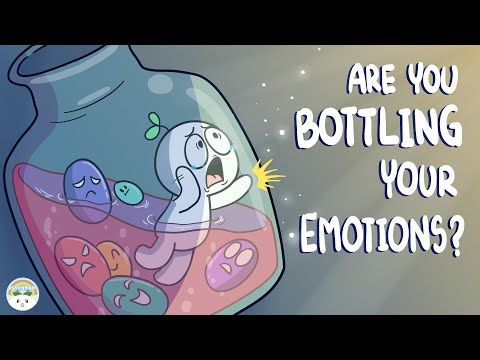
Quiz: How Bottled Are Your Emotions? (Self Test)
0
林宜悉 posted on 2025/07/22Ever wondered if you bottle up your emotions? This fun quiz, "How Bottled Are Your Emotions?", dives into emotional suppression and intergenerational trauma, perfect for B1++ learners looking to expand their vocabulary! You'll gain insights into cultural depth and healing journeys while picking up advanced terms related to vulnerability and family dynamics.
Learn this video on the APP!
The VoiceTube App has more in-depth practice for videos!