
accurate
US /ˈækjərɪt/
UK /ˈækjərət/
- Adjective
- With no mistake or error; Correct
A2Moreancient
US /ˈenʃənt/
UK /'eɪnʃənt/
- Adjective
- Very old; having lived a very long time ago
- Relating to a period in history, especially in the distant past.
- Noun
- A person who lived in ancient times.
A2Moreapproximately
US /əˈprɑksəmɪtlɪ/
UK /əˈprɒksɪmətli/
- Adverb
- Around; nearly; almost; about (a number)
A2TOEICMorearchitectural
US /ˌɑrkəˈtɛktʃərəl/
UK /ˌɑ:kɪˈtektʃərəl/
- Adjective
- Concerning architecture
B1Moreark
US /ɑrk/
UK /ɑ:k/
- Noun
- Thing that affords protection or safety
B2Moreback in the day
US
UK
- Phrase
- In the past; in former times.
- Referring to a past time, often with a sense of nostalgia or fondness.
A1Moreback then
US
UK
- Phrase
- At that time in the past.
A1Morebattlefield
US /ˈbætlˌfild/
UK /ˈbætlfi:ld/
- Noun
- Region where a battle was, or is being fought
C1Morebehead
US /bɪˈhɛd/
UK /bɪˈhed/
- Transitive Verb
- To execute by cutting off the head
C2Moreblink
US /blɪŋk/
UK /blɪŋk/
- Verb (Transitive/Intransitive)
- To close and open one or both of the eyes rapidly
- To shine with a flickering light.
- Noun
- A quick shutting and opening of the eye.
- A brief flash of light.
B1Morebunch
US /bʌntʃ/
UK /bʌntʃ/
- Noun (Countable/Uncountable)
- A group of things of the same kind
- A group of people.
- Transitive Verb
- To group people or things closely together
B1Moreby trade
US
UK
- Phrase
- According to one's profession or occupation.
B1Morecapital
US /ˈkæpɪtl/
UK /'kæpɪtl/
- Noun
- Writing the first letter of a word in big letters
- Official main city of a country, province or state
- Adjective
- Main, or major
- (Of an offense) liable to the death penalty.
A2Morecasket
US /ˈkæskɪt/
UK /ˈkɑ:skɪt/
- Noun
- Box in which dead people are buried; coffin
C1Morecentral
US /ˈsɛntrəl/
UK /'sentrəl/
- Adjective
- Being in the middle
- Most significant or important
- Noun
- The central part of a country or region.
A2Moreclassically
US /'klæsɪklɪ/
UK /'klæsɪklɪ/
- Adverb
- In the manner of Greek and Roman culture
B2Morecomplex
US /kəmˈplɛks, ˈkɑmˌplɛks/
UK /'kɒmpleks/
- Countable Noun
- Group of buildings all used for the same purpose
- Adjective
- Not being simple; having many parts or aspects
A2Moreconquer
US /ˈkɑŋkɚ/
UK /'kɒŋkə(r)/
- Transitive Verb
- To take possession of (land, city) with an army
- To beat something difficult, e.g. a fear; overcome
B2Moreconquest
US /ˈkɑ:ŋkwest/
UK /ˈkɒŋkwest/
- Noun (Countable/Uncountable)
- Land or a nation won or taken by force, an army
B2Moreconstruction
US /kənˈstrʌkʃən/
UK /kən'strʌkʃn/
- Noun (Countable/Uncountable)
- Act of building something; thing that is built
- Something that is made using different parts
A2Morecovenant
US /ˈkʌvənənt/
UK /ˈkʌvənənt/
- Noun
- Solemn promise or vow
- A solemn agreement between God and humans.
- Intransitive Verb
- To enter into a formal agreement.
C2Morecrucial
US /ˈkruʃəl/
UK /'kru:ʃl/
- Adjective
- Extremely important or necessary
- Of great importance to the success of something.
B1Morecurious
US /ˈkjʊriəs/
UK /ˈkjʊəriəs/
- Adjective
- Wanting to know more about something
- Attracting interest by being strange or unusual
A2Morecut out
US /kʌt aʊt/
UK /kʌt aut/
- Phrasal Verb
- To leave out of something, e.g. a social event
- To cut something from, e.g. a picture from a book
- Verb (Transitive/Intransitive)
- To stop doing or using something.
- To be naturally suited or fitted for something.
A1Moredeer
US /dɪr/
UK /dɪə(r)/
- Noun (Countable/Uncountable)
- Large wild animal with long thin legs and antlers
B1Moredestroy
US /dɪˈstrɔɪ/
UK /dɪ'strɔɪ/
- Transitive Verb
- To damage so badly that something no longer exists
- To defeat someone or something easily
A2TOEICMoredig deep
US /dɪɡ dip/
UK /diɡ di:p/
- Verb (Transitive/Intransitive)
- To make a great effort; to try very hard.
- To use one's resources, especially money, to help others.
A2Moredistinctive
US /dɪˈstɪŋktɪv/
UK /dɪˈstɪŋktɪv/
- Adjective
- Having a quality that is different from others
- Having a quality or characteristic that makes a person or thing different from others; easily distinguishable.
A2TOEICMoreencounter
US /ɛnˈkaʊntɚ/
UK /ɪn'kaʊntə(r)/
- Verb (Transitive/Intransitive)
- To come up against a problem or trouble; meet
- To meet someone or something unexpectedly
- Noun
- A chance meeting; unexpected or unplanned meeting
B1TOEICMoreentire
US /ɛnˈtaɪr/
UK /ɪn'taɪə(r)/
- Adjective
- Complete or full; with no part left out; whole
- Undivided; not shared or distributed.
A2TOEICMoreequivalent
US /ɪˈkwɪvələnt/
UK /ɪˈkwɪvələnt/
- Adjective
- Equal to something in value, use or meaning
- Having the same meaning or significance.
- Noun
- Thing like another in quality, quantity or degree
B1TOEICMorefor the rest
US /fɔr ði rɛst/
UK /fɔ: ðə rest/
- Phrase
- Concerning the remaining people or things.
- During the remaining part of a period of time.
A1Morefrom A to B
US /frʌm eɪ tə bi/
UK /frɒm eɪ tə bi:/
- Preposition
- Describes traveling or moving between two places.
A2Moregeometry
US /dʒiˈɑ:mətri/
UK /dʒiˈɒmətri/
- Uncountable Noun
- Mathematical study of shapes, surfaces, and space
- Mathematical shape of something
B2Moreglobalization
US /ˌgloʊbələˈzeɪʃn/
UK /ˌgləʊbəlaɪˈzeɪʃn/
- Noun (Countable/Uncountable)
- International spread of something, e.g. company
- The worldwide spread of culture, ideas, and technologies, influencing various aspects of life.
B1Morego find
US
UK
- Verb (Transitive/Intransitive)
- To search for and locate someone or something.
- An instruction to locate something.
A1Moregoes to show
US
UK
- Phrase
- To demonstrate or prove something.
A1Moregorgeous
US /ˈɡɔrdʒəs/
UK /'ɡɔ:dʒəs/
- Adjective
- Extremely attractive; richly beautiful
- Delightfully enjoyable or pleasant.
B1Moregot to
US /ɡɑt tu/
UK /gɔt tu:/
- Verb (Transitive/Intransitive)
- To arrive at some place
- To have the opportunity or permission to do something
- Phrasal Verb
- To appeal to the emotions of; move
- To finally begin to start something after a delay
A1Morehave to
US /hæv tu/
UK /ˈhæv tə/
- Auxiliary Verb
- Must do
A1Morehome in
US /ˈhoʊm ɪn/
UK /ˈhəum ɪn/
- other
- Move or direct toward a specific target or goal.
B2Moreimperial
US /ɪmˈpɪriəl/
UK /ɪmˈpɪəriəl/
- Adjective
- Of an empire or an emperor
- Of superior or unusual size or excellence.
- Noun
- A size of printing paper; a strong pointed beard.
B1Morein operation
US /ɪn ˌɑpəˈreɪʃən/
UK /ɪn ˌɒpəˈreɪʃən/
- other
- Currently working or functioning as intended.
A2Morein the dark
US /ɪn ði dɑrk/
UK /in ðə dɑ:k/
- Adjective
- Uninformed about something; unaware.
- Phrase
- In a state of secrecy or ignorance.
- In a place with little or no light.
A1Morein the middle of
US
UK
- Phrase
- In the central part or point of something.
- Engaged or occupied with something.
A2Morein the world
US /ɪn ði wɜrld/
UK /in ðə wɜː(r)ld/
- Phrase
- Used to emphasize a question expressing surprise, confusion, disbelief
- Used to indicate the extent or degree of something, often in a superlative sense
A1Moreinclination
US /ˌɪn.klɪˈneɪ.ʃən/
UK /ˌɪnklɪˈneɪʃn/
- Noun (Countable/Uncountable)
- Feeling or desire to do something; a habit
- The angle at which something is inclined.
B1Moreincredible
US /ɪnˈkrɛdəbəl/
UK /ɪnˈkredəbl/
- Adjective
- Very good; amazing
- Really good; amazing; great
A2TOEICMoreinstead of
US /ɪnˈstɛd ʌv/
UK /inˈsted ɔv/
- Preposition
- When one thing is replaced by another
- Adverb
- As a substitute or alternative.
A1Moreinvader
US /ɪnˈvedɚ/
UK /ɪnˈveɪdə(r)/
- Countable Noun
- Someone who enters to cause harm
B1Moreknow about
US /noʊ əˈbaʊt/
UK /nəʊ əˈbaut/
- Phrasal Verb
- To have information or understanding of a subject or situation.
literally
US /ˈlɪtərəli/
UK
- Adverb
- In a literal manner or sense; exactly as stated.
- Used for emphasis to describe something that is actually true, often to highlight surprise or intensity.
B1Moremausoleum
US /ˌmɔsəˈliəm, -zə-/
UK /ˌmɔ:səˈli:əm/
- Noun
- Building containing graves of the rich or famous
C1Morenext to
US /nɛkst tu/
UK /nekst tu:/
- Preposition
- Being located along side another
- In comparison with
- Adverb
- Almost; nearly
A1Moreon earth
US /ɑn ɚθ/
UK /ɔn ə:θ/
- Phrase
- Used to emphasize a question expressing surprise or anger.
- Used to emphasize that something is not possible or will not happen.
A1Moreprestige
US /prɛˈstiʒ, -ˈstidʒ/
UK /preˈsti:ʒ/
- Uncountable Noun
- High respect and status, as from being successful
- The power to impress or influence, often due to a high reputation.
- Adjective
- having or showing success, rank, wealth, etc.
- Having or showing high status.
B2Moreprophet
US /ˈprɑ:fɪt/
UK /ˈprɒfɪt/
- Countable Noun
- Someone who predicts the future
- Religious person who foretells the will of God
B2Morepry
US /praɪ/
UK /praɪ/
- Intransitive Verb
- To try to find out about others' private business
- Transitive Verb
- To move, raise, or open by levering something
C2TOEICMoreremain
US /rɪˈmen/
UK /rɪˈmeɪn/
- Intransitive Verb
- To be left behind; to continue to exist
- To stay in a place when other people have gone
A2TOEICMorerole
US /rol/
UK /rəʊl/
- Noun
- Character played by an actor
- Part you play in an activity; job; responsibility
A2Moreshah
US /ʃɑ:/
UK /ʃɑ:/
- Proper Noun
- Title given to the monarch of Iran
B2Morespark
US /spɑrk/
UK /spɑ:k/
- Countable Noun
- Small piece of burning material produced by fire
- Tiny, brief bit of light caused by electric energy
- Intransitive Verb
- To make tiny, brief bits of light
B1Moresprawl
US /sprɔl/
UK /sprɔ:l/
- Intransitive Verb
- To spread out in an uncontrolled way
B2Moresurround
US /səˈraʊnd/
UK /səˈraʊnd/
- Transitive Verb
- To be all the way around something
- To be closely connected to and have an effect on
- Verb (Transitive/Intransitive)
- To be closely connected to and have an effect on
A2Moresymbol of
US
UK
- Phrase
- Something that represents or stands for something else, especially an object representing an abstract idea.
- A visible sign of something intangible.
B2Moresymbolize
US /ˈsɪmbəˌlaɪz/
UK /'sɪmbəlaɪz/
- Transitive Verb
- To represent to show a thing's essential character
B1Morethink about
US /θɪŋk əˈbaʊt/
UK /θiŋk əˈbaut/
- Phrasal Verb
- To consider something carefully.
- To remember or call to mind.
A1Morethink of
US /θɪŋk ʌv/
UK /θiŋk ɔv/
- Phrasal Verb
- To look on as (being something specific); consider
- To consider or remember something.
- Verb (Transitive/Intransitive)
- To imagine or call something to mind
A1Morethumbs up
US
UK
- Noun
- A gesture of approval or agreement, indicated by holding a fist with the thumb extended upwards.
- A positive rating or vote on social media or online platforms.
- Noun (plural)
- Multiple gestures of approval or agreement made by extending the thumbs upward.
A1Moreto that end
US
UK
- Phrase
- In order to achieve that aim or purpose.
A1Moreturn on
US /tɚn ɑn/
UK /tə:n ɔn/
- Phrasal Verb
- To cause someone to be interested or excited
- Transitive Verb
- To activate or switch on a device or appliance.
- To suddenly attack or criticize someone.
A1Morevodka
US /ˈvɑdkə/
UK /'vɒdkə/
- Noun (Countable/Uncountable)
- Alcoholic spirit distilled from potatoes, etc.
B2More
Vocabulary
- think of: To look on as (being something specific); consider
- think about: To consider something carefully.
- back in the day: In the past; in former times.
- cut out: To leave out of something, e.g. a social event
- by trade: According to one's profession or occupation.
- to that end: In order to achieve that aim or purpose.
- symbol of: Something that represents or stands for something else, especially an object representing an abstract idea.
- dig deep: To make a great effort; to try very hard.
- next to: Being located along side another
- home in: Move or direct toward a specific target or goal.
- instead of: When one thing is replaced by another
- in the world: Used to emphasize a question expressing surprise, confusion, disbelief
- go find: To search for and locate someone or something.
- back then: At that time in the past.
- goes to show: To demonstrate or prove something.
- in the dark: Uninformed about something; unaware.
- from A to B: Describes traveling or moving between two places.
- on earth: Used to emphasize a question expressing surprise or anger.
- in operation: Currently working or functioning as intended.
- in the middle of: In the central part or point of something.
- know about: To have information or understanding of a subject or situation.
- have to: Must do
- for the rest: Concerning the remaining people or things.
- got to: To arrive at some place
- turn on
- thumbs up: A gesture of approval or agreement, indicated by holding a fist with the thumb extended upwards.
- literally: In a literal manner or sense; exactly as stated.
- crucial: Extremely important or necessary
- entire: Complete or full; with no part left out; whole
- equivalent: Equal to something in value, use or meaning
- incredible: Very good; amazing
- bunch: A group of things of the same kind
- gorgeous: Extremely attractive; richly beautiful
- realize: To become aware of or understand mentally
- ancient: Very old; having lived a very long time ago
- accurate: With no mistake or error; Correct
- encounter: To come up against a problem or trouble; meet
- approximately: Around; nearly; almost; about (a number)
- curious: Wanting to know more about something
- complex: Group of buildings all used for the same purpose
- conquer: To take possession of (land, city) with an army
- capital: Writing the first letter of a word in big letters
- distinctive: Having a quality that is different from others
- remain: To be left behind; to continue to exist
- adventure: An exciting and often dangerous experience
- spark: Small piece of burning material produced by fire
- prestige: High respect and status, as from being successful
- rest: Time when one relaxes, sleeps, or is inactive
- construction: Act of building something; thing that is built
- role: Character played by an actor
- destroy: To damage so badly that something no longer exists
- century: Period of 100 years
- place: To put someone in a particular type of situation
- imperial: Of an empire or an emperor
- learn: To get knowledge or skills by study or experience
- build: Your physical shape; physique
- modern: Of the present time; up to date; contemporary
- blink: To close and open one or both of the eyes rapidly
- middle: Place that is halfway between two things
- surround: To be all the way around something
- remember: To give someone a gift, e.g. birthday, wedding
- find: To become aware of something that is happening
- central: Being in the middle
- world: All the humans, events, activities on the earth
- restaurant: Place where you can order, buy and eat a meal
- prophet: Someone who predicts the future
- live: To be alive
- inclination: Feeling or desire to do something; a habit
- geometry: Mathematical study of shapes, surfaces, and space
- earth: Wire connecting an electrical device to the ground
- invader: Someone who enters to cause harm
- battlefield: Region where a battle was, or is being fought
- conquest: Land or a nation won or taken by force, an army
- symbolize: To represent to show a thing's essential character
- sprawl: To spread out in an uncontrolled way
- architectural: Concerning architecture
- casket: Box in which dead people are buried; coffin
- pry: To try to find out about others' private business
- ark: Thing that affords protection or safety
- covenant: Solemn promise or vow
- mausoleum: Building containing graves of the rich or famous
- deer: Large wild animal with long thin legs and antlers
- vodka: Alcoholic spirit distilled from potatoes, etc.
- globalization: International spread of something, e.g. company
- behead: To execute by cutting off the head
- classically: In the manner of Greek and Roman culture
- shah: Title given to the monarch of Iran
Get the full experience in the app
Learn anywhere with detailed sentence and usage analysis
01:03
She took a brave step forward, leaving behind her comfort zone to chase her dreams.
Vocabulary
- brave
adj. Having courage
- comfort zone
phr. A familiar situation where one feels safe
Explanation
a brave step is a noun phrase, where brave is an adjective modifying the noun step, meaning "a courageous step".
forward is an adverb modifying step, meaning "ahead".
The whole phrase serves as the object, answering the "what" of took (verb) — she took a brave step forward.
Get the full experience in the app
Look up words anytime with pronunciation, part of speech, and usage
brave
US/brev/
UK/breɪv/
adj.Brave
v.t.To bravely face
A2 Elementary
Get the full experience in the app
Practice speaking anytime and get instant pronunciation feedback
Try this speaking exercise.
Try practicing with this sentence.
80
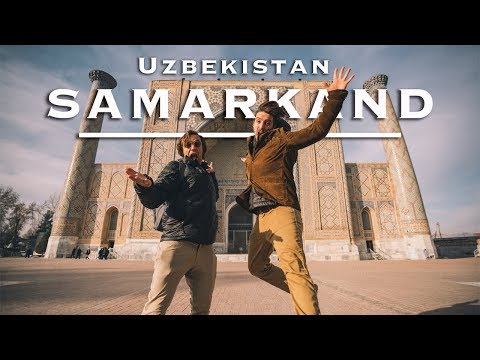
Samarkand | Travel to Uzbekistan's Silk Road Treasure
0
林宜悉 posted on 2025/07/22Ever dreamed of exploring Uzbekistan's legendary Silk Road? This video takes you on an amazing tour of Samarkand, showing off incredible Islamic architecture and sharing fascinating insights into Timur's empire. You'll pick up practical phrases and learn cool new vocabulary while virtually traveling to this historic treasure!
Learn this video on the APP!
The VoiceTube App has more in-depth practice for videos!