Vocabulary
- lead to: To result in some action
- of age: Having reached the legal age of adulthood.
- in waves: Occurring in large, flowing bursts or groups.
- ever since: Continuously from a past time until now.
- go away: To go on vacation
- on the door: Situated on the surface or part of a door.
- lock on: To establish a tracking signal on a target, typically used in the context of missile guidance systems.
- such as: For example; like
- at some point: At an unspecified time, usually in the future.
- turn to: To go to someone for help, advice, or information.
- check out
- anxiety: A feeling of worry, nervousness, or unease about something that might happen, especially when the outcome is uncertain.
- constantly: Frequently, or without pause
- cognitive: The process of knowing and remembering
- sort: To organize things by putting them into groups
- process: To organize and use data in a computer
- mental: Concerning the mind
- ritual: Performed as part of a ceremony
- trauma: A very severe or upsetting experience
- experience: Thing a person has done or that happened to them
- disorder: State of confusion or a lack of organization
- negative: The opposite to a positive electrical charge
- therapy: Treatment to help cure an illness
- extreme: Very great in degree
- anxious: Afraid of what may happen; worried and nervous
- spectrum: The wavelengths of colors from red to violet
- exposure: Allowing light through a cameras lens onto film
- exact: Completely correct; accurate; specific
- indulge: To let someone else have or do what they want
- strike: To hit something
- fear: Unpleasant feeling caused by being aware of danger
- excessive: Beyond what is usual or proper
- increase: To make or become larger in size or amount
- shift: To change in position or direction
- overcome: To succeed in a struggle against; defeat
- disrupt: To cause a disturbance in an activity in progress
- establish: To set or create something to last for a long time
- brain: To strike someone forcefully on the head
- intensity: Great energy, strength, or concentration
- condition: To improve something to make it better
- deal: To cope with something - usually troubles
- genetic: Of, relating to, or controlled by genes
- response: Something said/written as an answer to something
- obsessive: Characterized by or constituting an obsession
- behavior: The way a person or thing acts; manner
- compulsive: Having difficulty to stop yourself doing something
- regulate: To control something with rules or laws
- initiate: To cause something to begin
- result: Something produced through tests or experiments
- repetitive: Doing or saying the same things many times
- lead: Wire for electricity, computer, etc.; cable
- attribute: (Of books, art, music) to say it was composed by
- relief: Aid given to people in need as after war/disaster
- persist: To continue a course of action despite opposition
- obsess: To talk or think about someone, something too much
- normal: Standard or regular way of doing something
- resolve: To make a decision to do something
- relieve: To make less boring by making some change
- intrusive: Appearing or getting involved where not wanted
- exacerbate: To increase the severity or bitterness of
- onset: When something, e.g. an illness, starts; beginning
- bring: To take or go with someone to a place
- pound: The # key on a keyboard
- symmetry: Having parts that are exactly the same
- afraid: Worried that something bad will happen; scared
- medication: Substance to relieve pain or cure sickness
- person: Man, woman or child
- hoard: Large amount of hidden (valuable) items
- include: To make someone, something part of a group
- forbid: To order someone not to do something
- childhood: The time when you are a child
- prevention: Act of stopping something bad from happening
Get the full experience in the app
Learn anywhere with detailed sentence and usage analysis
01:03
She took a brave step forward, leaving behind her comfort zone to chase her dreams.
Vocabulary
- brave
adj. Having courage
- comfort zone
phr. A familiar situation where one feels safe
Explanation
a brave step is a noun phrase, where brave is an adjective modifying the noun step, meaning "a courageous step".
forward is an adverb modifying step, meaning "ahead".
The whole phrase serves as the object, answering the "what" of took (verb) — she took a brave step forward.
Get the full experience in the app
Look up words anytime with pronunciation, part of speech, and usage
brave
US/brev/
UK/breɪv/
adj.Brave
v.t.To bravely face
A2 Elementary
Get the full experience in the app
Practice speaking anytime and get instant pronunciation feedback
Try this speaking exercise.
Try practicing with this sentence.
80
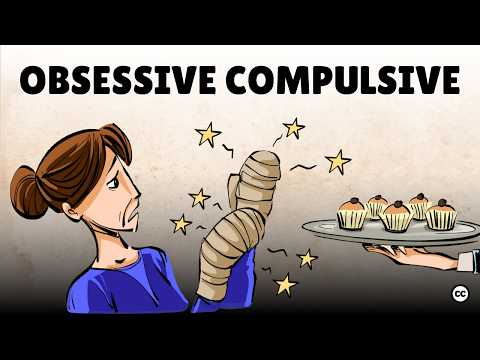
Obsessive-Compulsive Disorder (OCD)
0
林宜悉 posted on 2025/08/30Ever wondered about obsessive-compulsive disorder? This video dives deep into intrusive thoughts and compulsive behaviors, offering real-life stories and explaining effective strategies like exposure response prevention. You'll boost your vocabulary with advanced terms while learning about teen mental health in this engaging explainer!
Learn this video on the APP!
The VoiceTube App has more in-depth practice for videos!