
accelerate
US /ækˈsɛləˌret/
UK /əkˈseləreɪt/
- Transitive Verb
- To cause to occur earlier than expected
- To increase the speed or rate of something
B1TOEICMoreagency
US /ˈedʒənsi/
UK /'eɪdʒənsɪ/
- Noun (Countable/Uncountable)
- Business that provides some service for others
B1TOEICMoreappal
US /əˈpɔl/
UK /əˈpɔ:l/
- Transitive Verb
- To feel shock or distress at something terrible
B2Moreat gunpoint
US /ˌæt ˈɡʌnˌpɔɪnt/
UK /ˌæt ˈɡʌnpɔɪnt/
- other
- Forced or threatened with a gun.
B2Morebeing with
US
UK
- Phrasal Verb
- Accompanying someone; being in someone's presence.
- Supporting someone's opinion or cause.
- Verb (Transitive/Intransitive)
- Accompanying someone; spending time with someone.
- Supporting someone; agreeing with someone.
A1Morebreakdown
US /ˈbrekˌdaʊn/
UK /'breɪkdaʊn/
- Noun
- When normal activity or behavior stops
B1TOEICMorebring in
US /brɪŋ ɪn/
UK /briŋ in/
- Phrasal Verb
- To earn a certain amount of money or profits
- To add person into existing group, e.g. phone call
A1Morecatastrophic
US /ˌkætəˈstrɑfɪk/
UK /ˌkætə'strɒfɪk/
- Adjective
- Causing a lot of damage or suffering
B2Moreceasefire
US
UK
- Noun
- Agreement by two sides in a war to stop fighting
C2Morecentral
US /ˈsɛntrəl/
UK /'sentrəl/
- Adjective
- Being in the middle
- Most significant or important
- Noun
- The central part of a country or region.
A2Morecommunication
US /kəˌmjunɪˈkeʃən/
UK /kəˌmju:nɪ'keɪʃn/
- Noun (Countable/Uncountable)
- Talking to people; giving information to people
- The process of conveying information, ideas, or feelings through language or other means.
A2Moreconcern about
US
UK
- Intransitive Verb
- To worry about something.
B2Moreconflict
US /ˈkɑnˌflɪkt/
UK /'kɒnflɪkt/
- Noun (Countable/Uncountable)
- Argument or struggle between two or more parties
- A serious disagreement or argument.
- Verb (Transitive/Intransitive)
- To have opposite ideas; to disagree; To not match
A2Morecorrespondent
US /ˌkɔrɪˈspɑndənt, ˌkɑr-/
UK /ˌkɒrəˈspɒndənt/
- Countable Noun
- Journalist, as one reporting from other countries
B1Morecritically
US /ˈkrɪtɪklɪ/
UK /'krɪtɪklɪ/
- Adverb
- As part of the process of judging something
- In a way that is serious or dangerous; vitally
A2Moredefence
US /dɪˈfɛns/
UK /dɪˈfens/
- Uncountable Noun
- The process of protecting something from attack
B1Moredeliberately
US /dɪˈlɪbərɪtlɪ/
UK /dɪˈlɪbərətli/
- Adverb
- In a careful, considered manner; on purpose
- Purposely; on purpose
B2TOEICMoredue to
US /du tu/
UK /dju: tu:/
- Preposition
- Because of; owing to
- Adjective
- Attributable to; caused by.
A1Moreevacuate
US /ɪˈvækjuˌet/
UK /ɪ'vækjʊeɪt/
- Transitive Verb
- To move people from dangerous to a safe places
B2Moreevacuation
US /ɪˌvækjuˈeʃən/
UK /ɪˌvækjʊ'eɪʃn/
- Noun (Countable/Uncountable)
- Sending to a safer place because of danger
- The process of removing people from a dangerous place.
B2Morefamine
US /ˈfæmɪn/
UK /ˈfæmɪn/
- Noun (Countable/Uncountable)
- Long-lasting period of little food in an area
- A drastic food shortage in a large area or country.
B2Morefare
US /fer/
UK /feə(r)/
- Noun (Countable/Uncountable)
- Money people pay to travel on buses, taxis, boats
- Food of a particular type.
- Intransitive Verb
- To perform well or poorly
- To succeed or manage in a particular situation.
B1TOEICMoreflour
US /flaʊr/
UK /ˈflaʊə(r)/
- Uncountable Noun
- Powder made from a grain used in cooking
- Transitive Verb
- To cover something with flour in cooking
B1Moreforeign
US /ˈfɔ:rən/
UK /ˈfɒrən/
- Adjective
- Being of a different place or country
- Strange; different from ones found at home
A2TOEICMorefrom hunger
US /frəm ˈhʌŋɡɚ/
UK /frəm ˈhʌŋgə/
- other
- Motivated or caused by a state of hunger.
A2Morefuel
US /ˈfjuəl/
UK /'fju:əl/
- Transitive Verb
- To give power to (a mob, anger, etc.); incite
- To provide gas or petrol for something
- Uncountable Noun
- Material used to produce heat or power when burned
A2TOEICMorego back to
US /ɡo bæk tu/
UK /ɡəu bæk tu:/
- Phrasal Verb
- To return to a starting point
A1Moregoing on
US /ˈɡoɪŋ ɑn/
UK /ˈgəʊɪŋ ɔn/
- Phrasal Verb
- To continue doing something
- To happen (usually negative)
A1Morehandcuff
US /ˈhændˌkʌf/
UK /ˈhændkʌf/
- Noun (Countable/Uncountable)
- Police object used to restrain hands of criminals
C2Morehave on
US /hæv ɑn/
UK /hæv ɔn/
- Phrasal Verb
- To be wearing something.
- To deceive or trick someone, often in a playful way.
A1Morehave to
US /hæv tu/
UK /ˈhæv tə/
- Auxiliary Verb
- Must do
A1Morehumanitarian
US /hju:ˌmænɪˈteriən/
UK /hju:ˌmænɪˈteəriən/
- Noun
- Person who tries to help those in a crisis
- Adjective
- Concerned with or seeking to promote human welfare.
B2Morehunger
US /ˈhʌŋɡɚ/
UK /ˈhʌŋgə(r)/
- Noun (Countable/Uncountable)
- Strong desire or need
- Need for food; a severe lack of food
- Intransitive Verb
- To feel hunger; to suffer from a lack of food.
B2Morehygiene
US /ˈhaɪˌdʒin/
UK /ˈhaɪdʒi:n/
- Uncountable Noun
- Cleanliness; being clean
- Practices for maintaining personal cleanliness.
B2Morein fact
US /ɪn fækt/
UK /in fækt/
- Adverb
- Used to emphasize the truth of a statement, especially one that contrasts with or contradicts something else.
- Used to introduce a more detailed or surprising piece of information.
- Phrase
- Used to emphasize the truth of a statement, especially one that is surprising or contrary to what might be expected.
C1Morein general
US /ɪn ˈdʒɛnərəl/
UK /in ˈdʒenərəl/
- Phrase
- Typically; usually; on the whole.
- Not specific or detailed; broadly.
- Adjective
- Not detailed or specific; overall.
C2Morein need
US /ɪn nid/
UK /in ni:d/
- Phrase
- Not having the necessary things, such as food
A1Morein places
US
UK
- Phrase
- In some locations but not others
A1Morein the ground
US
UK
- Phrase
- Located within or beneath the surface of the earth.
- Referring to something placed or growing in soil.
A1Morein the way
US /ɪn ði we/
UK /in ðə wei/
- Phrase
- Obstructing someone or something; hindering progress.
- Stored or placed so as to be available or ready when needed.
A1Moreinfrastructure
US /ˈɪnfrəˌstrʌktʃɚ/
UK /'ɪnfrəstrʌktʃə(r)/
- Uncountable Noun
- Basic necessary equipment for a country or region
- The underlying framework or system of an organization.
B1Moreinnocent
US /ˈɪnəsənt/
UK /'ɪnəsnt/
- Adjective
- Free from guilt or responsibility for a crime
- (Accidentally being harmed) without deserving it
- Noun
- Person with little experience of the world
A2TOEICMoreintercept
US /ˌɪntərˈsept/
UK /ˌɪntəˈsept/
- Transitive Verb
- To stop or catch something while it is moving
B2Morelack
US /læk/
UK /læk/
- Verb (Transitive/Intransitive)
- To not have, or not have enough, of something
- Uncountable Noun
- The state of not having or not having enough of
A2TOEICMoreleave it there
US
UK
- Phrase
- To put something down and not move it from that location.
- To stop working on something and postpone it for later.
- Transitive Verb
- To allow something to remain at a specific location.
midnight
US /ˈmɪdˌnaɪt/
UK /ˈmɪdnaɪt/
- Noun
- 12 o'clock at night; the middle of the night
B1Moremove to
US /muv tu/
UK /mu:v tu:/
- Phrasal Verb
- To change the place where you live or work.
- Verb (Transitive/Intransitive)
- To proceed to the next stage or action.
A2Morenumber of people
US /ˈnʌmbɚ ʌv ˈpipəl/
UK /ˈnʌmbə ɔv ˈpi:pl/
- Phrase
- The total count of individuals within a group or gathering.
- A statistical figure representing the population size or a subset thereof.
A1Moreof course
US /ʌv kɔː(r)s/
UK /ɔv kɔː(r)s/
- Adverb
- Sure ; Certainly
- Phrase
- For sure; certainly
A2Moreon duty
US /ɑn ˈduti/
UK /ɔn ˈdju:ti/
- Phrase
A2Moreon earth
US /ɑn ɚθ/
UK /ɔn ə:θ/
- Phrase
- Used to emphasize a question expressing surprise or anger.
- Used to emphasize that something is not possible or will not happen.
A1Moreon the ground
US
UK
- Phrase
- Located on the surface of the earth.
- Present and available in a particular place, especially to deal with a situation.
on the phone
US
UK
- Phrase
- Talking on the telephone.
- Adjective
- Using a phone, especially a mobile phone.
A1Moreoperation
US /ˌɑpəˈreʃən/
UK /ˌɒpəˈreɪʃn/
- Noun (Countable/Uncountable)
- Business or company, or its activities
- Functioning; use
A2TOEICMoreparliament
US /ˈpɑrləmənt/
UK /ˈpɑ:ləmənt/
- Noun
- Elected officials who govern a country (in the UK)
- Period when the Uk government is in session
A2Morepose
US /poʊz/
UK /pəʊz/
- Verb (Transitive/Intransitive)
- To be or exist as (a problem, threat etc.)
- To suggest an idea, question or solution
- Noun
- False behavior to gain respect or liking
B1TOEICMoreprinciple
US /ˈprɪnsəpəl/
UK /ˈprɪnsəpl/
- Noun (Countable/Uncountable)
- Moral rule or belief governing a person's behavior
- Natural law that explains how things work
A2TOEICMorequeue
US /kju/
UK /kju:/
- Noun (Countable/Uncountable)
- Line of people or cars waiting for something
- A list of data items, jobs, etc., stored so as to be retrievable in a definite order, usually the order of insertion.
- Intransitive Verb
- To wait in a line.
B1Morerelease
US /rɪ'li:s/
UK /rɪ'li:s/
- Transitive Verb
- To free someone from a responsibility or burden
- To allow a film, music etc. to be sold/distributed
- Noun
- Act of freeing someone from a duty or burden
- Introduction of a new product, film, book, etc.
A2TOEICMorerenew
US /rɪˈnu, -ˈnju/
UK /rɪ'nju:/
- Transitive Verb
- To make something stronger, fresher, or like new
- To replace something old or worn by something new
B1TOEICMoresiege
US /sidʒ/
UK /si:dʒ/
- Noun
- Surrounding an enemy to prevent them getting food
C2TOEICMoresignificant
US /sɪɡˈnɪfɪkənt/
UK /sɪgˈnɪfɪkənt/
- Adjective
- Large enough to be noticed or have an effect
- Having meaning; important; noticeable
A2TOEICMorestarvation
US /stɑ:rˈveɪʃn/
UK /stɑ:ˈveɪʃn/
- Uncountable Noun
- Extreme hunger; death from lack of food
B1Morestarve
US /stɑ:rv/
UK /stɑ:v/
- Verb (Transitive/Intransitive)
- To (cause to) be hungry or go without food
- To need or desire very strongly
B1Morestatement
US / ˈstetmənt/
UK /ˈsteɪtmənt/
- Noun (Countable/Uncountable)
- Record of activity in a bank account over time
- Act or process of saying something formally
A2TOEICMorestrip
US /strɪp/
UK /strɪp/
- Transitive Verb
- To remove your clothes (often sexily for someone)
- To remove something, e.g. paint from a wall
- Countable Noun
- Long narrow piece, such as ribbon or land
B1Moretalking about
US
UK
- Phrasal Verb
- To discuss a particular topic.
- To be constantly mentioning or bringing up a subject.
A1Morethreshold
US /ˈθrɛʃˌold, -ˌhold/
UK /'θreʃhəʊld/
- Noun
- Degree or level at which something begins
- A strip of wood, metal, or stone forming the bottom of a doorway and crossed in entering a house or room.
B2Moreto date
US /tu det/
UK /tu: deit/
- Phrase
- Up to the present time; until now.
- Verb (Transitive/Intransitive)
- To go out on romantic dates with someone.
C2Moreurge
US /ɚdʒ/
UK /ɜ:dʒ/
- Noun (Countable/Uncountable)
- A strong desire for something
- Strong pressure on someone to do something
- Transitive Verb
- To drive something forward
- To ask or encourage someone to do something
A2More
Vocabulary
- on the ground: Located on the surface of the earth.
- being with: Accompanying someone; being in someone's presence.
- leave it there: To put something down and not move it from that location.
- at gunpoint: Forced or threatened with a gun.
- of course: Sure ; Certainly
- in the way: Obstructing someone or something; hindering progress.
- on the phone: Talking on the telephone.
- move to: To change the place where you live or work.
- in the ground: Located within or beneath the surface of the earth.
- have to: Must do
- talking about: To discuss a particular topic.
- in general: Typically; usually; on the whole.
- number of people: The total count of individuals within a group or gathering.
- from hunger: Motivated or caused by a state of hunger.
- to date: Up to the present time; until now.
- going on: To continue doing something
- concern about: To worry about something.
- have on: To be wearing something.
- on earth: Used to emphasize a question expressing surprise or anger.
- on duty
- due to: Because of; owing to
- in fact: Used to emphasize the truth of a statement, especially one that contrasts with or contradicts something else.
- go back to: To return to a starting point
- bring in: To earn a certain amount of money or profits
- in places: In some locations but not others
- in need: Not having the necessary things, such as food
- significant: Large enough to be noticed or have an effect
- situation: Place, position or area that something is in
- deliberately: In a careful, considered manner; on purpose
- infrastructure: Basic necessary equipment for a country or region
- conflict: Argument or struggle between two or more parties
- urge: A strong desire for something
- hygiene: Cleanliness; being clean
- general: Widespread, normal or usual
- catastrophic: Causing a lot of damage or suffering
- parliament: Elected officials who govern a country (in the UK)
- threshold: Degree or level at which something begins
- lack: To not have, or not have enough, of something
- fuel: To give power to (a mob, anger, etc.); incite
- statement: Record of activity in a bank account over time
- famine: Long-lasting period of little food in an area
- innocent: Free from guilt or responsibility for a crime
- release: To free someone from a responsibility or burden
- principle: Moral rule or belief governing a person's behavior
- strip: To remove your clothes (often sexily for someone)
- ground: To break (coffee, etc.) into tiny bits with machine
- agency: Business that provides some service for others
- accelerate: To cause to occur earlier than expected
- correspondent: Journalist, as one reporting from other countries
- queue: Line of people or cars waiting for something
- foreign: Being of a different place or country
- communication: Talking to people; giving information to people
- evacuation: Sending to a safer place because of danger
- place: To put someone in a particular type of situation
- starve: To (cause to) be hungry or go without food
- order: Religious or social group, as of nuns
- evacuate: To move people from dangerous to a safe places
- manage: To survive hardships and difficulties; to cope
- system: Set of organized, planned ideas that work together
- operate: To control or handle something, such as a machine
- allow: To admit the validity or truth of something
- continue: To do something without stopping, or after pausing
- information: Collection of facts and details about something
- staff: Employees of a company
- support: To give assistance or advice to someone
- bring: To take or go with someone to a place
- humanitarian: Person who tries to help those in a crisis
- operation: Business or company, or its activities
- critically: As part of the process of judging something
- breakdown: When normal activity or behavior stops
- difficult: Hard; not easy; you need to work hard to do it
- siege: Surrounding an enemy to prevent them getting food
- central: Being in the middle
- pose: To be or exist as (a problem, threat etc.)
- intercept: To stop or catch something while it is moving
- fare: Money people pay to travel on buses, taxis, boats
- flour: Powder made from a grain used in cooking
- starvation: Extreme hunger; death from lack of food
- ceasefire: Agreement by two sides in a war to stop fighting
- hunger: Strong desire or need
- renew: To make something stronger, fresher, or like new
- midnight: 12 o'clock at night; the middle of the night
- defence: The process of protecting something from attack
- appal: To feel shock or distress at something terrible
- handcuff: Police object used to restrain hands of criminals
Get the full experience in the app
Learn anywhere with detailed sentence and usage analysis
01:03
She took a brave step forward, leaving behind her comfort zone to chase her dreams.
Vocabulary
- brave
adj. Having courage
- comfort zone
phr. A familiar situation where one feels safe
Explanation
a brave step is a noun phrase, where brave is an adjective modifying the noun step, meaning "a courageous step".
forward is an adverb modifying step, meaning "ahead".
The whole phrase serves as the object, answering the "what" of took (verb) — she took a brave step forward.
Get the full experience in the app
Look up words anytime with pronunciation, part of speech, and usage
brave
US/brev/
UK/breɪv/
adj.Brave
v.t.To bravely face
A2 Elementary
Get the full experience in the app
Practice speaking anytime and get instant pronunciation feedback
Try this speaking exercise.
Try practicing with this sentence.
80
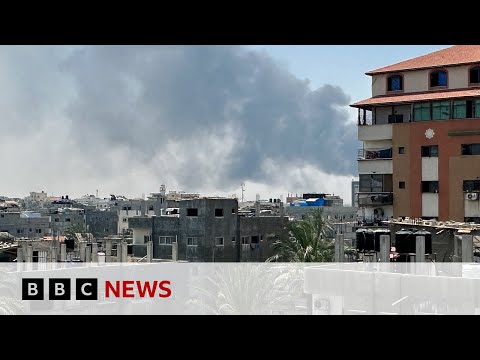
Israel continues military assault in Gaza's Deir al-Balah | BBC News
0
林宜悉 posted on 2025/07/22Dive into the urgent situation in Gaza's Deir al-Balah with this BBC News report! You'll gain a deeper understanding of the humanitarian crisis, mass displacement, and the challenges of aid delivery, while also picking up advanced vocabulary related to international affairs and conflict.
Learn this video on the APP!
The VoiceTube App has more in-depth practice for videos!