
after all
US /ˈæftɚ ɔl/
UK /ˈɑ:ftə ɔ:l/
- Adverb
- In spite of what was expected; used to introduce a statement that supports a previous statement or explains why it was made
- Considering everything; used to indicate that something is happening or is true despite some difficulty or obstacle
- Phrase
- Despite what was expected or thought; in spite of everything.
- Taking everything into consideration; considering that.
B1Moreall over the place
US
UK
- Phrase
- In a state of disorder; scattered everywhere.
- In many different locations; widely distributed.
- Adjective
- Mentally or emotionally disorganized; confused or erratic.
A1Moreamend
US /əˈmɛnd/
UK /ə'mend/
- Transitive Verb
- To change, fix or improve e.g. document
B1TOEICMoreappointment
US /əˈpɔɪntmənt/
UK /əˈpɔɪntmənt/
- Noun
- Job, position or duty that is offered to a person
- Time you arranged to meet someone or do something
A2TOEICMorebe with
US /bi wɪð/
UK /bi: wið/
- Phrasal Verb
- To accompany someone; to be in someone's presence.
- To support someone's opinion or cause.
A1Morebobby
US /ˈbɑ:bi/
UK /ˈbɒbi/
- Noun
- Police officer (UK slang)
- Proper Noun
- Person's name
C1Morebuckle up
US
UK
- Phrasal Verb
- To fasten one's seatbelt.
- To prepare for a difficult or challenging situation.
bump into
US
UK
- Phrasal Verb
- To meet someone accidentally
- To collide with something.
B1Moreby accident
US /baɪ ˈæksɪdənt/
UK /bai ˈæksidənt/
- Phrase
- Without intending to; unintentionally.
capital
US /ˈkæpɪtl/
UK /'kæpɪtl/
- Noun
- Writing the first letter of a word in big letters
- Official main city of a country, province or state
- Adjective
- Main, or major
- (Of an offense) liable to the death penalty.
A2Morecarpet
US /ˈkɑ:rpɪt/
UK /ˈkɑ:pɪt/
- Noun (Countable/Uncountable)
- Colored floor covering made of wool, etc.
- Transitive Verb
- To cover a surface with, e.g. many flowers
B1Morecheck up on
US
UK
- Phrasal Verb
- To investigate or inspect
A1Morecheeky
US
UK
- Adjective
- Daring to be slightly rude, but in a funny way
B1Morecome back
US /kʌm bæk/
UK /kʌm bæk/
- Phrasal Verb
- To reply to someone, often forcefully
- To be remembered
A1Morecome up
US /kʌm ʌp/
UK /kʌm ʌp/
- Phrasal Verb
- To come closer to someone; approach
- (Of sun) to rise into the sky in the morning
A1Morecommunicate
US /kəˈmjunɪˌket/
UK /kə'mju:nɪkeɪt/
- Verb (Transitive/Intransitive)
- To give and exchange information
- To convey or make known (information, feelings, etc.)
A2Moreconversation
US /ˌkɑnvɚˈseʃən/
UK /ˌkɒnvəˈseɪʃn/
- Uncountable Noun
- Talking with other people; discussion or chat
- General communication or interaction.
A2Moreconvey
US /kənˈve/
UK /kən'veɪ/
- Transitive Verb
- To carry or transport something
- To make aware or tell others information
B1Morefault
US /fɔlt/
UK /fɔ:lt/
- Noun (Countable/Uncountable)
- A failure or negative aspect of
- Crack in the earth where earthquakes can happen
- Transitive Verb
- To blame someone, something for a negative result
A2Morefor instance
US /fɔr ˈɪnstəns/
UK /fɔ: ˈinstəns/
- Adverb
- As an example.
- Phrase
- As an example.
- As an illustration or case in point
B1Morefor some reason
US /fɔr sʌm ˈrizən/
UK /fɔ: sʌm ˈri:zən/
- Phrase
- For a reason that is not known or not easily explained.
A1Moregive out
US /ɡɪv aʊt/
UK /ɡiv aut/
- Phrasal Verb
- To be used up; have nothing left; fail
- To publicly state something
A1Morego back to
US /ɡo bæk tu/
UK /ɡəu bæk tu:/
- Phrasal Verb
- To return to a starting point
A1Morego past
US
UK
- Phrasal Verb
- To move beyond a particular place or point.
- To exceed a time limit or expected duration.
A1Moregot to
US /ɡɑt tu/
UK /gɔt tu:/
- Verb (Transitive/Intransitive)
- To arrive at some place
- To have the opportunity or permission to do something
- Phrasal Verb
- To appeal to the emotions of; move
- To finally begin to start something after a delay
A1Morehave on
US /hæv ɑn/
UK /hæv ɔn/
- Phrasal Verb
- To be wearing something.
- To deceive or trick someone, often in a playful way.
A1Morehave to
US /hæv tu/
UK /ˈhæv tə/
- Auxiliary Verb
- Must do
A1Morehomework
US /ˈhomˌwɚk/
UK /ˈhəumwə:k/
- Noun
- Work that a student is given to do at home
B2Morein mind
US /ɪn maɪnd/
UK /in maind/
- Phrase
- Being aware of or considering something.
- To remember or consider something.
A2Morein the middle of
US
UK
- Phrase
- In the central part or point of something.
- Engaged or occupied with something.
A2Morein the way
US /ɪn ði we/
UK /in ðə wei/
- Phrase
- Obstructing someone or something; hindering progress.
- Stored or placed so as to be available or ready when needed.
A1Morein time
US /ɪn taɪm/
UK /in taim/
- Adverb
- Eventually; after a period of time.
- Not late; with enough time to spare.
- Phrase
- Eventually; before it is too late.
- According to the scheduled time; punctual.
A1Moreinstead of
US /ɪnˈstɛd ʌv/
UK /inˈsted ɔv/
- Preposition
- When one thing is replaced by another
- Adverb
- As a substitute or alternative.
A1Moreinterrupt
US /ˌɪntəˈrʌpt/
UK /ˌɪntə'rʌpt/
- Verb (Transitive/Intransitive)
- To stop something from happening for a while
- To stop someone from speaking by saying or doing something.
- Noun
- A signal that stops a computer from working on one thing and starts it working on something else.
B1TOEICMoremorgue
US /mɔ:rg/
UK /mɔ:g/
- Noun
- Place to store dead bodies before they are buried
C1Moremove on
US /muv ɑn/
UK /mu:v ɔn/
- Phrasal Verb
- To decide to change or go to a different place
- To start talking about something different.
A1Morenative
US /ˈnetɪv/
UK /ˈneɪtɪv/
- Noun (Countable/Uncountable)
- Someone from or born in a specific country
- Original inhabitant, e.g. before others
- Adjective
- Caused by natural ability; innate
A2Moreoffend
US /əˈfɛnd/
UK /ə'fend/
- Verb (Transitive/Intransitive)
- To break a rule or do something wrong
- To upset, as by hurting someone's feelings
B1Moreon to
US /ɑn tu/
UK /ɔn tu:/
- Preposition
- Toward something; forward
- Aware of someone's activities.
- Adjective
- Aware of someone's deception or illegal activities.
A1Moreoop
US
UK
- Interjection
- Sound people make when they make a mistake
C2Moreout there
US /aʊt ðɛr/
UK /aut ðɛə/
- Adverb
- In or to a place that is far away
- Existing in the universe
- Adjective
- Unconventional; strange; avant-garde
- Existing or available.
A1Moreown up
US /on ʌp/
UK /əun ʌp/
- Phrasal Verb
- To admit that you did something wrong
A1Morephrase
US /frez/
UK /freɪz/
- Noun
- Common expression or saying
- Section of musical notes in a piece of music
- Verb (Transitive/Intransitive)
- To choose words to say what you mean clearly
A2Moreput out
US /pʊt aʊt/
UK /put aut/
- Phrasal Verb
- To publish, e.g. a book
- To cause someone to be troubled or inconvenienced
A1Morequiz
US /kwɪz/
UK /kwɪz/
- Noun (Countable/Uncountable)
- A game in which players answer questions on topics
- Brief spoken or written test, given to students
- Transitive Verb
- To ask a person many questions about something
B1Morerecognize
US /ˈrek.əɡ.naɪz/
UK /ˈrek.əɡ.naɪz/
- Transitive Verb
- To accept the truth or reality of something
- To consider something as important or special
A2TOEICMoreregret
US /rɪˈɡrɛt/
UK /rɪ'ɡret/
- Uncountable Noun
- Feeling of being sorry, as for what you didn't do
- Verb (Transitive/Intransitive)
- To feel sorrow or guilt, as for what you didn't do
- Used to express apology or sadness.
B1Morerelationship
US /rɪˈleʃənˌʃɪp/
UK /rɪˈleɪʃnʃɪp/
- Noun (Countable/Uncountable)
- Connection between two or more people or things
- Way people interact or live with each other
A2TOEICMoreresponse
US /rɪˈspɑns/
UK /riˈspɔns/
- Noun
- Something said/written as an answer to something
- Reaction to something that has occurred
A2TOEICMoreresponsibility
US /rɪˌspɑnsəˈbɪlɪti/
UK /rɪˌspɒnsə'bɪlətɪ/
- Noun (Countable/Uncountable)
- Job, task or thing you are expected to look after
- A thing to be done because it is morally correct
A2Moreresponsible
US / rɪˈspɑnsəbəl/
UK /rɪ'spɒnsəbl/
- Adjective
- Being the cause of something that has occurred
- Having the duty of dealing with something
A2TOEICMorerude
US /rud/
UK /ru:d/
- Adjective
- Being unkind or impolite to others; disrespectful
- Offensive; ill-mannered
A2Moreshut up
US /ʃʌt ʌp/
UK /ʃʌt ʌp/
- Phrasal Verb
- To close something, e.g. a shop
- To (cause someone to) be silent or not speak
- Interjection
- An expression of disbelief or surprise
A2Moresit down
US /sit daʊn/
UK /sit daun/
- Phrasal Verb
- To take a seat
A1Morestand out
US /stænd aʊt/
UK /stænd aut/
- Phrasal Verb
- To be noticeably better than other similar ones
A1Morestart off
US /stɑrt ɔf/
UK /stɑ:t ɔf/
- Phrasal Verb
- To begin or commence something.
- To begin a journey.
B2Morestatement
US / ˈstetmənt/
UK /ˈsteɪtmənt/
- Noun (Countable/Uncountable)
- Record of activity in a bank account over time
- Act or process of saying something formally
A2TOEICMoretalking about
US
UK
- Phrasal Verb
- To discuss a particular topic.
- To be constantly mentioning or bringing up a subject.
A1Morethink about
US /θɪŋk əˈbaʊt/
UK /θiŋk əˈbaut/
- Phrasal Verb
- To consider something carefully.
- To remember or call to mind.
A1Morethink of
US /θɪŋk ʌv/
UK /θiŋk ɔv/
- Phrasal Verb
- To look on as (being something specific); consider
- To consider or remember something.
- Verb (Transitive/Intransitive)
- To imagine or call something to mind
A1Moreto death
US /tu dɛθ/
UK /tu: deθ/
- Phrase
- Extremely; to a great degree
- Until death
B1Moreto let
US /tu lɛt/
UK /tu let/
- Preposition
- Indicates that a property is available for rent.
A2Moreupset
US /ʌpˈsɛt/
UK /ʌpˈset/
- Adjective
- (Of stomach, etc.) not functioning well; sick
- Troubled, worried, or angry
- Transitive Verb
- To turn upside down or on its side
- To trouble, worry, or anger someone
A2Morework on
US /wɚk ɑn/
UK /wə:k ɔn/
- Phrasal Verb
- To devote effort to improve or develop something
- To try to persuade or influence someone.
A1More
Vocabulary
- have to: Must do
- talking about: To discuss a particular topic.
- got to: To arrive at some place
- stand out
- to let: Indicates that a property is available for rent.
- come back: To reply to someone, often forcefully
- think of: To look on as (being something specific); consider
- start off: To begin or commence something.
- check up on: To investigate or inspect
- go back to: To return to a starting point
- in the way: Obstructing someone or something; hindering progress.
- out there: In or to a place that is far away
- move on: To decide to change or go to a different place
- for instance: As an example.
- bump into: To meet someone accidentally
- go past: To move beyond a particular place or point.
- for some reason: For a reason that is not known or not easily explained.
- put out: To publish, e.g. a book
- be with: To accompany someone; to be in someone's presence.
- have on: To be wearing something.
- come up: To come closer to someone; approach
- in the middle of: In the central part or point of something.
- shut up: To close something, e.g. a shop
- in time: Eventually; after a period of time.
- sit down: To take a seat
- buckle up: To fasten one's seatbelt.
- on to: Toward something; forward
- in mind: Being aware of or considering something.
- by accident: Without intending to; unintentionally.
- to death: Extremely; to a great degree
- all over the place: In a state of disorder; scattered everywhere.
- after all: In spite of what was expected; used to introduce a statement that supports a previous statement or explains why it was made
- own up: To admit that you did something wrong
- instead of: When one thing is replaced by another
- work on: To devote effort to improve or develop something
- think about: To consider something carefully.
- give out: To be used up; have nothing left; fail
- phrase: Common expression or saying
- recognize: To accept the truth or reality of something
- situation: Place, position or area that something is in
- regret: Feeling of being sorry, as for what you didn't do
- native: Someone from or born in a specific country
- conversation: Talking with other people; discussion or chat
- relationship: Connection between two or more people or things
- bit: Device put in a horse's mouth to control it
- convey: To carry or transport something
- statement: Record of activity in a bank account over time
- capital: Writing the first letter of a word in big letters
- deal: To cope with something - usually troubles
- response: Something said/written as an answer to something
- upset: (Of stomach, etc.) not functioning well; sick
- interrupt: To stop something from happening for a while
- board: Surface for posting or showing information
- responsible: Being the cause of something that has occurred
- drop: Distance between a higher and a lower level
- communicate: To give and exchange information
- rude: Being unkind or impolite to others; disrespectful
- break: To create a new record e.g. running the 100m dash
- quiz: A game in which players answer questions on topics
- responsibility: Job, task or thing you are expected to look after
- appointment: Job, position or duty that is offered to a person
- fault: A failure or negative aspect of
- notice: To become aware by sight, touch, or hearing
- carpet: Colored floor covering made of wool, etc.
- important: Having power or authority
- steal: A bargain; something bought very cheaply
- accident: Sudden unplanned event causing damage, injury etc.
- stand: To be a candidate in an election
- wrong: Action that is harmful, unjust or illegal
- offend: To break a rule or do something wrong
- great: Very good; better than before
- remember: To give someone a gift, e.g. birthday, wedding
- person: Man, woman or child
- cheeky: Daring to be slightly rude, but in a funny way
- amend: To change, fix or improve e.g. document
- morgue: Place to store dead bodies before they are buried
- homework: Work that a student is given to do at home
- bobby: Police officer (UK slang)
- oop: Sound people make when they make a mistake
Get the full experience in the app
Learn anywhere with detailed sentence and usage analysis
01:03
She took a brave step forward, leaving behind her comfort zone to chase her dreams.
Vocabulary
- brave
adj. Having courage
- comfort zone
phr. A familiar situation where one feels safe
Explanation
a brave step is a noun phrase, where brave is an adjective modifying the noun step, meaning "a courageous step".
forward is an adverb modifying step, meaning "ahead".
The whole phrase serves as the object, answering the "what" of took (verb) — she took a brave step forward.
Get the full experience in the app
Look up words anytime with pronunciation, part of speech, and usage
brave
US/brev/
UK/breɪv/
adj.Brave
v.t.To bravely face
A2 Elementary
Get the full experience in the app
Practice speaking anytime and get instant pronunciation feedback
Try this speaking exercise.
Try practicing with this sentence.
80
0
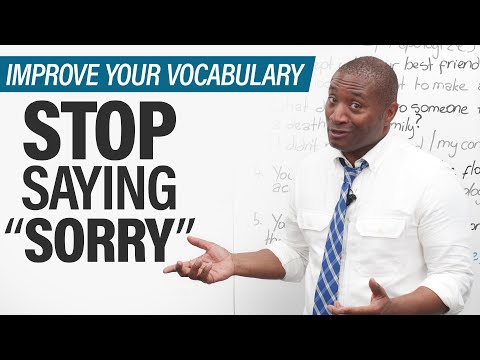
林宜悉 posted on 2025/07/21Do you say "sorry" too much? This video dives into why overusing "sorry" can weaken your message and teaches you fantastic alternatives like "whoops," "my bad," and "excuse me" for different situations. You'll learn to communicate more effectively and stop apologizing when you don't need to!
Learn this video on the APP!
The VoiceTube App has more in-depth practice for videos!