
absolutely
US /ˈæbsəˌlutli, ˌæbsəˈlutli/
UK /ˈæbsəlu:tli/
- Adverb
- Completely; totally; very
- Considered independently and without relation to other things; viewed abstractly; as, quantity absolutely considered.
A2Moreafford
US /əˈfɔrd, əˈford/
UK /ə'fɔ:d/
- Transitive Verb
- To make available, to provide
- To have enough money to pay for something
A2TOEICMoreaperture
US /ˈæpətʃɚ/
UK /ˈæpətʃə(r)/
- Noun
- Hole or opening controlling e.g. light on a lens
C1Morearound the corner
US /əˈraʊnd ði ˈkɔrnɚ/
UK /əˈraund ðə ˈkɔ:nə/
- Phrase
- Very near; close by.
- About to happen; approaching soon.
A1Moreas soon as
US /æz sun æz/
UK /æz su:n æz/
- Phrase
- In a short time after (something happens)
- Without any delay; immediately
- Conjunction
- At the moment that, or immediately after.
A1Moreat least
US /æt list/
UK /æt li:st/
- Adverb
- As a minimum
- Not less than
- Phrase
- No less than; at the minimum
- Used to indicate that something is positive in a bad situation.
C2Moreblend
US /blɛnd/
UK /blend/
- Transitive Verb
- To combine different elements or substances
- To mix ingredients when cooking
- Noun
- Product known for mixing ingredients
B1Morebrand
US /brænd/
UK /brænd/
- Noun
- A mark burned on an animal to show who owns it
- Product made or designed by a named company
- Transitive Verb
- To burn a mark on an animal to show who owns it
- To describe someone as a liar, coward, etc.
A2TOEICMorebreak the bank
US
UK
- Idiom
- To cost too much money; to use up all of one's savings.
bunch
US /bʌntʃ/
UK /bʌntʃ/
- Noun (Countable/Uncountable)
- A group of things of the same kind
- A group of people.
- Transitive Verb
- To group people or things closely together
B1Morecheck out
US /tʃɛk aʊt/
UK /tʃek aut/
- Phrase
- Phrasal Verb
- To find out information about something
- To take books out of a library
A1Morecombination
US /ˌkɑmbəˈneʃən/
UK /ˌkɒmbɪ'neɪʃn/
- Noun
- Series of letters or numbers needed to open a lock
- Act or result of mixing things together
B1Morecombine
US /kəmˈbaɪn/
UK /kəmˈbaɪn/
- Verb (Transitive/Intransitive)
- To mix several things together to form one thing
- To harvest by means of a combine.
- Noun (Countable/Uncountable)
- A harvesting machine for cutting, threshing, and cleaning grain.
- A mixture of different things.
A2Morecomment
US /ˈkɑmɛnt/
UK /'kɒment/
- Noun (Countable/Uncountable)
- Something you say, giving an opinion; remark
- An explanatory note in a computer program.
- Verb (Transitive/Intransitive)
- To say something that gives your opinion
- To add explanatory notes to a computer program.
A2Morecompatible
US /kəmˈpætəbəl/
UK /kəmˈpætəbl/
- Adjective
- Able to get on or be used well together
- (of two things) able to exist or work together without conflict.
B2Moreconcept
US /ˈkɑnˌsɛpt/
UK /'kɒnsept/
- Noun (Countable/Uncountable)
- Abstract idea of something or how it works
- A plan or intention; a conception.
A2TOEICMorecover up
US /ˈkʌvɚ ʌp/
UK /ˈkʌvə ʌp/
- Phrasal Verb
- To hide something bad; conceal
- To put on warmer clothes; to protect oneself from the cold.
A1Moredecent
US /ˈdisənt/
UK /ˈdi:snt/
- Adjective
- Being fairly good; acceptable
- Conforming to conventionally accepted standards of behaviour; respectable or moral.
B1Moredrone
US /dron/
UK /drəʊn/
- Countable Noun
- A remote controlled flying device
- Male bee
- Intransitive Verb
- To talk in a continually dull or monotonous voice
- To make a continuous low humming sound.
B2TOEICMoredying to
US
UK
- Phrase
- Extremely eager or anxious to do or have something.
- To have a very strong desire or need for something.
A1Moreessentially
US /ɪˈsenʃəli/
UK /ɪˈsenʃəli/
- Adverb
- Basically; (said when stating the basic facts)
- Used to emphasize the basic truth or fact of a situation.
A2Morefeel like
US
UK
- Intransitive Verb
- To have a desire or inclination for something.
- To have a particular quality or sensation; resemble.
A1Morefor example
US
UK
- Phrase
- As an illustration or instance.
found out
US
UK
- Phrasal Verb
- To learn or discover something, often after some effort.
- To become known; be revealed.
B2Moreget on it
US /ɡɛt ɑn ɪt/
UK /ɡet ɒn ɪt/
- other
- To start working on a task or action promptly.
B1Moregiant
US /ˈdʒaɪənt/
UK /'dʒaɪənt/
- Countable Noun
- Tall, large, and powerful human-like creatures
- Very successful, powerful person or organization
- Adjective
- Very large, or much bigger than other things
A2Morego ahead
US /ɡo əˈhɛd/
UK /ɡəu əˈhed/
- Phrasal Verb
- To start an activity; start doing, working etc.
- To give permission to do something
- Intransitive Verb
- To start or proceed with something
- To proceed despite potential obstacles or doubts.
A1Morehave to
US /hæv tu/
UK /ˈhæv tə/
- Auxiliary Verb
- Must do
A1Moreinstead of
US /ɪnˈstɛd ʌv/
UK /inˈsted ɔv/
- Preposition
- When one thing is replaced by another
- Adverb
- As a substitute or alternative.
A1Moreinternally
US /ɪnˈtə:nəlɪ/
UK /ɪn'tɜ:nəlɪ/
- Adverb
- On or from the inside
- With regard to its inner aspects; within a structure or system.
B1Morelaunch
US /lɔntʃ, lɑntʃ/
UK /lɔ:ntʃ/
- Noun
- Starting a new project; introducing new product
- Act of firing rockets into the air
- Transitive Verb
- To start a new project; start selling a product
- To put a rocket into the air
A2TOEICMorelineup
US /'laɪnˌʌp/
UK /'laɪnʌp/
- Noun
- People arranged by police for identification
C2Morelook at
US /lʊk æt/
UK /luk æt/
- Phrasal Verb
- To use your eyes to focus on something
- To focus your eyes on something carefully
A1Moremini
US /ˈmɪni/
UK /'mɪnɪ/
- Noun
- Small British car
- A very short skirt
- Prefix
- Small
B1Moreobstacle
US /ˈɑbstəkəl/
UK /ˈɒbstəkl/
- Noun (Countable/Uncountable)
- Object that blocks a path or course
- A difficulty or challenge that hinders progress.
B1Moreon to
US /ɑn tu/
UK /ɔn tu:/
- Preposition
- Toward something; forward
- Aware of someone's activities.
- Adjective
- Aware of someone's deception or illegal activities.
A1Moreover time
US /ˈovɚ taɪm/
UK /ˈəuvə taim/
- Phrase
- Gradually; as time passes.
- During a long period.
- Adverb
- Gradually; as time passes.
B1Morephotography
US /fəˈtɑ:grəfi/
UK /fəˈtɒgrəfi/
- Uncountable Noun
- Art of taking pictures with a camera
- The business or industry related to taking and selling photographs.
B1Morepick it up
US
UK
- Phrasal Verb
- To lift something from a surface.
- To collect something or someone.
A2Morepixel
US /ˈpɪksəl, -ˌsɛl/
UK /ˈpɪksl/
- Noun
- Small element forming image on TV/computer screen
C1Moreplague
US /pleɡ/
UK /pleɪɡ/
- Transitive Verb
- To cause to have continual problems with something
- Noun (Countable/Uncountable)
- (Deadly) disease passing rapidly between people
- An unusually large number of insects or animals infesting a place and causing damage.
B1Moreprove
US /pruv/
UK /pru:v/
- Transitive Verb
- To demonstrate truth by providing evidence
- To test the quality or worth of something.
- Intransitive Verb
- To turn out to be; be found to be.
A2TOEICMorerecommend
US /ˌrɛkəˈmɛnd/
UK /ˌrekə'mend/
- Transitive Verb
- To advise or suggest that someone do something
- To endorse or support something publicly.
A2TOEICMorerelease
US /rɪ'li:s/
UK /rɪ'li:s/
- Transitive Verb
- To free someone from a responsibility or burden
- To allow a film, music etc. to be sold/distributed
- Noun
- Act of freeing someone from a duty or burden
- Introduction of a new product, film, book, etc.
A2TOEICMorerid
US /rɪd/
UK /rɪd/
- Transitive Verb
- To cause to no longer have (pest, problem)
- Adjective
- Freed or delivered from something.
A2Morescreen in
US /skrin ɪn/
UK /skri:n ɪn/
- other
- To enclose a space with a screen or mesh.
B2Moresection
US / ˈsɛkʃən/
UK /'sekʃn/
- Noun (Countable/Uncountable)
- A part of a whole
- Specific group of people from a larger group
- Transitive Verb
- To divide something into smaller parts
B1TOEICMoresensor
US /ˈsɛnsɚ, -ˌsɔr/
UK /ˈsensə(r)/
- Noun
- Device that detects movement or physical stimuli
B2Moreset up
US /sɛt ʌp/
UK /set ʌp/
- Phrasal Verb
- To make arrangements for something; establish
- Verb (Transitive/Intransitive)
- To arrange or prepare something for use.
- To start a business, organization, etc.
A1Moreslightly
US /ˈslaɪtli/
UK /ˈslaɪtli/
- Adverb
- Only a little
B1Morespec
US /spɛk/
UK /spek/
- Noun
- Detailed description of design criteria
B1Morestandard
US /ˈstændəd/
UK /'stændəd/
- Noun
- Official unit of measuring something
- Principle of behaving in a moral way
- Adjective
- Being the accepted normal level of quality
- (Of a language) being the most accepted in a place
A2TOEICMorestuff
US /stʌf/
UK /stʌf/
- Uncountable Noun
- Generic description for things, materials, objects
- Transitive Verb
- To push material inside something, with force
B1Moresubscribe
US /səbˈskraɪb/
UK /səb'skraɪb/
- Verb (Transitive/Intransitive)
- To regularly pay to receive a service
B1TOEICMoresuppose
US /səˈpoʊz/
UK /sə'pəʊz/
- Verb (Transitive/Intransitive)
- To imagine or guess what might happen
- Conjunction
- What if
A2TOEICMorethink about
US /θɪŋk əˈbaʊt/
UK /θiŋk əˈbaut/
- Phrasal Verb
- To consider something carefully.
- To remember or call to mind.
A1Moretilt
US /tɪlt/
UK /tɪlt/
- Verb (Transitive/Intransitive)
- To change to a newly preferred idea or opinion
- To move something away from the upright
- Noun
- Position in which one side is above the other
B2Moreto let
US /tu lɛt/
UK /tu let/
- Preposition
- Indicates that a property is available for rent.
A2Moreturned out
US
UK
- Phrasal Verb
- To arrive for a public event or entertainment
- To happen to be in the end
- Transitive Verb
- To extinguish or switch off lights.
A1Moretypically
US /ˈtɪpɪklɪ/
UK /ˈtɪpɪkli/
- Adverb
- In a normal or usual way
B1Moreunfinished
US /ʌnˈfɪnɪʃt/
UK /ʌnˈfɪnɪʃt/
- Adjective
- Not yet ended; not complete; still being done
C2Moreused to
US /juzd tu/
UK /ˈju:st tə/
- Adjective
- Did regularly before, but don't do now
- Auxiliary Verb
- Have done before, but do not do now
A1Morework out
US /wɚk aʊt/
UK /wə:k aut/
- Phrasal Verb
- To find a way to do something, by thinking
A1More
Vocabulary
- look at: To use your eyes to focus on something
- have to: Must do
- think about: To consider something carefully.
- go ahead: To start an activity; start doing, working etc.
- pick it up: To lift something from a surface.
- to let: Indicates that a property is available for rent.
- as soon as: In a short time after (something happens)
- for example: As an illustration or instance.
- turned out: To arrive for a public event or entertainment
- instead of: When one thing is replaced by another
- over time: Gradually; as time passes.
- work out
- found out: To learn or discover something, often after some effort.
- break the bank: To cost too much money; to use up all of one's savings.
- screen in: To enclose a space with a screen or mesh.
- set up
- feel like: To have a desire or inclination for something.
- used to: Did regularly before, but don't do now
- at least: As a minimum
- on to: Toward something; forward
- cover up: To hide something bad; conceal
- around the corner: Very near; close by.
- dying to: Extremely eager or anxious to do or have something.
- get on it: To start working on a task or action promptly.
- check out
- stuff: Generic description for things, materials, objects
- subscribe: To regularly pay to receive a service
- essentially: Basically; (said when stating the basic facts)
- absolutely: Completely; totally; very
- bunch: A group of things of the same kind
- decent: Being fairly good; acceptable
- slightly: Only a little
- recommend: To advise or suggest that someone do something
- improve: To make, or become, something better
- concept: Abstract idea of something or how it works
- experience: Thing a person has done or that happened to them
- completely: In every way or as much as possible
- typically: In a normal or usual way
- sense: Certain mental feeling or emotion
- combination: Series of letters or numbers needed to open a lock
- rid: To cause to no longer have (pest, problem)
- suppose: To imagine or guess what might happen
- comment: Something you say, giving an opinion; remark
- obstacle: Object that blocks a path or course
- brand: A mark burned on an animal to show who owns it
- bit: Device put in a horse's mouth to control it
- afford: To make available, to provide
- explain: To make clear or easy to understand by describing
- section: A part of a whole
- release: To free someone from a responsibility or burden
- launch: Starting a new project; introducing new product
- compare: To consider how similar and different things are
- plague: To cause to have continual problems with something
- giant: Tall, large, and powerful human-like creatures
- pretty: Being attractive to the eye in a simple way
- compatible: Able to get on or be used well together
- reason: To think and make conclusions in a logical manner
- blend: To combine different elements or substances
- standard: Official unit of measuring something
- prove: To demonstrate truth by providing evidence
- tilt: To change to a newly preferred idea or opinion
- drone: A remote controlled flying device
- combine: To mix several things together to form one thing
- lot: What happens to a person in life from chance; fate
- place: To put someone in a particular type of situation
- hit: To have a negative impact on a person/place/thing
- pick: Sharp tool used for breaking the ground
- turn: To become (a particular age)
- perfect: So good it cannot be improved
- internally: On or from the inside
- photography: Art of taking pictures with a camera
- lineup: People arranged by police for identification
- sensor: Device that detects movement or physical stimuli
- pixel: Small element forming image on TV/computer screen
- aperture: Hole or opening controlling e.g. light on a lens
- unfinished: Not yet ended; not complete; still being done
- spec: Detailed description of design criteria
- mini: Small British car
Get the full experience in the app
Learn anywhere with detailed sentence and usage analysis
01:03
She took a brave step forward, leaving behind her comfort zone to chase her dreams.
Vocabulary
- brave
adj. Having courage
- comfort zone
phr. A familiar situation where one feels safe
Explanation
a brave step is a noun phrase, where brave is an adjective modifying the noun step, meaning "a courageous step".
forward is an adverb modifying step, meaning "ahead".
The whole phrase serves as the object, answering the "what" of took (verb) — she took a brave step forward.
Get the full experience in the app
Look up words anytime with pronunciation, part of speech, and usage
brave
US/brev/
UK/breɪv/
adj.Brave
v.t.To bravely face
A2 Elementary
Get the full experience in the app
Practice speaking anytime and get instant pronunciation feedback
Try this speaking exercise.
Try practicing with this sentence.
80
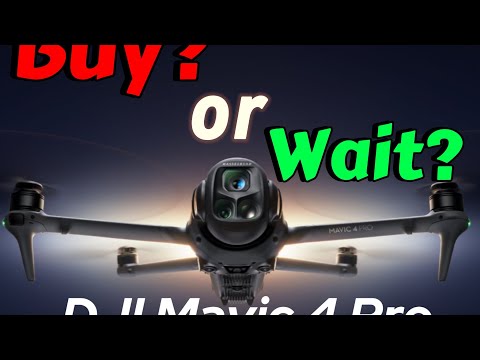
DJI Mavic 4 Pro - IT's A MUST HAVE!!!!
0
佛斯特 posted on 2025/07/20Thinking about upgrading your drone game? This video dives deep into the DJI Mavic 4 Pro, covering everything from its amazing Four Thirds sensor and 6K capabilities to its advanced obstacle avoidance and LiDAR features. You'll pick up tons of specialized vocabulary related to drone tech and camera specs, making it a fantastic way to boost your knowledge and English!
Learn this video on the APP!
The VoiceTube App has more in-depth practice for videos!