
acknowledge
US /ækˈnɑlɪdʒ/
UK /ək'nɒlɪdʒ/
- Transitive Verb
- To say you have received a letter, gift, etc.
- To say you accept the truth or value of something
A2Moreat least
US /æt list/
UK /æt li:st/
- Adverb
- As a minimum
- Not less than
- Phrase
- No less than; at the minimum
- Used to indicate that something is positive in a bad situation.
C2Moreat stake
US /æt stek/
UK /æt steik/
- Phrase
- At risk; that can be lost if something is not successful
- In question; depending on what happens
- Adjective
- At risk; that can be lost if something is not successful.
A1Morebased on
US
UK
- Phrasal Verb
- To use something as the foundation or starting point for something else.
- Preposition
- Using something as the main idea or foundation.
- Relying on something as evidence or justification.
A1Morebehalf
US /bɪˈhæf, -ˈhɑf/
UK /biˈhɑ:f/
- Noun
- As a representative of someone or a group.
- For the good of someone or something.
B2TOEICMorebloodshed
US /ˈblʌdˌʃɛd/
UK /ˈblʌdʃed/
- Intransitive Verb
- Violence leading to blood being split
C2Morebring in
US /brɪŋ ɪn/
UK /briŋ in/
- Phrasal Verb
- To earn a certain amount of money or profits
- To add person into existing group, e.g. phone call
A1Morecapture
US /ˈkæptʃɚ/
UK /'kæptʃə(r)/
- Transitive Verb
- To attract and hold e.g. interest, attention
- To record, tape, or film something
- Noun
- The act of seizing or taking control of something.
B1Moreceasefire
US
UK
- Noun
- Agreement by two sides in a war to stop fighting
C2Morecommit
US /kəˈmɪt/
UK /kə'mɪt/
- Transitive Verb
- To do something bad, usually a crime
- To promise your permanent love or loyalty (to)
A2TOEICMorecomplexity
US /kəmˈplɛksɪti/
UK /kəm'pleksətɪ/
- Uncountable Noun
- State of having many parts and not being simple
- A factor or element that makes something complicated.
B1Morecondemn
US /kənˈdɛm/
UK /kənˈdem/
- Transitive Verb
- To say that (a building) is too unsafe to be used
- To state strongly that person, thing is bad, wrong
B1Moreconflict
US /ˈkɑnˌflɪkt/
UK /'kɒnflɪkt/
- Noun (Countable/Uncountable)
- Argument or struggle between two or more parties
- A serious disagreement or argument.
- Verb (Transitive/Intransitive)
- To have opposite ideas; to disagree; To not match
A2Moreconsensus
US /kənˈsɛnsəs/
UK /kənˈsensəs/
- Noun (Countable/Uncountable)
- A decision that is shared by most of a group
B1Moreconsistent
US /kənˈsɪstənt/
UK /kənˈsɪstənt/
- Adjective
- Agreeing with or being similar to another part
- In agreement; reliable
A2Moredecrease
US /dɪˈkris/
UK /dɪˈkri:s/
- Verb (Transitive/Intransitive)
- To reduce the size, amount or number of something
- Uncountable Noun
- Amount by which something has been reduced
B1TOEICMoredeploy
US /dɪˈplɔɪ/
UK /dɪˈplɔɪ/
- Transitive Verb
- To put into position (often a military operation)
- To put something into use or action.
B1TOEICMoredetermine
US /dɪˈtɚmɪn/
UK /dɪ'tɜ:mɪn/
- Transitive Verb
- To control exactly how something will be or act
- To establish the facts about; discover
A2TOEICMoredivide
US /dɪˈvaɪd/
UK /dɪ'vaɪd/
- Verb (Transitive/Intransitive)
- To split numbers by another number, e.g. 6 / 2 = 3
- To separate something into equal pieces
- Noun
- A separation or distinction.
A2TOEICMoreduration
US /duˈreɪʃn/
UK /djuˈreɪʃn/
- Uncountable Noun
- Length of time that something lasts
B1TOEICMoreevacuate
US /ɪˈvækjuˌet/
UK /ɪ'vækjʊeɪt/
- Transitive Verb
- To move people from dangerous to a safe places
B2Moreexcept for
US /ɪkˈsɛpt fɔr/
UK /ikˈsept fɔ:/
- Preposition
- Not including; excluding.
for now
US /fɔr naʊ/
UK /fɔ: nau/
- Phrase
- Temporarily; for the present time.
- In the short term; for the immediate future.
A1Morefragile
US /ˈfrædʒəl, -ˌaɪl/
UK /'frædʒaɪl/
- Adjective
- Easily affected, broken, or harmed
- Weak or delicate; easily damaged in health
B2TOEICMorehalt
US /hɔlt/
UK /hɔ:lt/
- Verb (Transitive/Intransitive)
- To stop, or cause something, e.g. a car, to stop
- Noun
- A temporary or final stop.
B1TOEICMorehave to
US /hæv tu/
UK /ˈhæv tə/
- Auxiliary Verb
- Must do
A1Morein general
US /ɪn ˈdʒɛnərəl/
UK /in ˈdʒenərəl/
- Phrase
- Typically; usually; on the whole.
- Not specific or detailed; broadly.
- Adjective
- Not detailed or specific; overall.
C2Morein order to
US /ɪn ˈɔrdɚ tu/
UK /in ˈɔ:də tu:/
- Preposition
- For the purpose of; with the aim of.
- Phrase
- In a specific sequence or arrangement.
- With the aim of; for the purpose of.
C1Moreintensity
US /ɪnˈtɛnsɪti/
UK /ɪn'tensətɪ/
- Uncountable Noun
- Great energy, strength, or concentration
- The quality of being intense; the degree or amount of strength, force, etc.
A2TOEICMoreintervention
US /ˌɪntə'venʃn/
UK /ˌɪntə'venʃn/
- Noun (Countable/Uncountable)
- Getting involved to solve a disagreement, problem
- The use of military force by a country in another country's internal affairs.
B1Moremission
US /ˈmɪʃən/
UK /'mɪʃn/
- Noun (Countable/Uncountable)
- A task or role someone is given to do
- Special assignment given to a person or group
B1TOEICMoremove to
US /muv tu/
UK /mu:v tu:/
- Phrasal Verb
- To change the place where you live or work.
- Verb (Transitive/Intransitive)
- To proceed to the next stage or action.
A2Moreoccur
US /əˈkɚ/
UK /əˈkɜ:(r)/
- Intransitive Verb
- To come to pass or to happen
- To be found to exist; to be present.
A2TOEICMoreof course
US /ʌv kɔː(r)s/
UK /ɔv kɔː(r)s/
- Adverb
- Sure ; Certainly
- Phrase
- For sure; certainly
A2Moreoffensive
US /əˈfɛnsɪv/
UK /əˈfensɪv/
- Adjective
- Causing displeasure or anger
- Attacking or intended to attack
- Noun
- A military attack
B1TOEICMoreout of control
US /aʊt ʌv kənˈtrol/
UK /aut ɔv kənˈtrəul/
- Adjective
- Impossible to manage or control.
- Not able to be directed or steered.
A1Morepresence
US /ˈprɛzəns/
UK /ˈprezns/
- Noun
- The same place or area that a person is
- Ability to reach a market, group of people etc.
A2Morereach
US /ritʃ/
UK /ri:tʃ/
- Verb (Transitive/Intransitive)
- To come to or arrive at a goal or destination
- To be long enough to get to a certain place
- Uncountable Noun
- Power or control someone has over something
A2TOEICMorereality
US /riˈælɪti/
UK /rɪ'ælətɪ/
- Noun (Countable/Uncountable)
- What is true, as opposed to what is imagined
- The state of things as they actually exist, rather than as they may appear or might be imagined.
A2Moreremain
US /rɪˈmen/
UK /rɪˈmeɪn/
- Intransitive Verb
- To be left behind; to continue to exist
- To stay in a place when other people have gone
A2TOEICMorerestore
US /rɪˈstɔr, -ˈstor/
UK /rɪˈstɔ:(r)/
- Transitive Verb
- To return a thing to its original condition
B1Moresettle
US /ˈsɛtl/
UK /'setl/
- Transitive Verb
- To make (a child, etc.) feel calm/ready for sleep
- To complete or finalize e.g. a contract or debt
- Intransitive Verb
- To become accustomed to a new environment
- (Of liquids) to move to the bottom of a container
A2Moresignificant
US /sɪɡˈnɪfɪkənt/
UK /sɪgˈnɪfɪkənt/
- Adjective
- Large enough to be noticed or have an effect
- Having meaning; important; noticeable
A2TOEICMoresignificantly
US /sɪɡˈnɪfəkəntlɪ/
UK /sɪgˈnɪfɪkəntli/
- Adverb
- In a way that is important or noticeable
- In a way that is meaningful
A2Moreskeptical
US /'skeptɪkəl/
UK /'skeptɪkəl/
- Adjective
- Doubting that something is true/probable/useful
C2Morestake
US /stek/
UK /steɪk/
- Noun (Countable/Uncountable)
- Share/interest in the success of a business, etc.
- Money bet in a game that can be won or lost
- Transitive Verb
- To bet or wager on an outcome
- To risk something important by taking a risk
B1TOEICMoretruce
US /trus/
UK /tru:s/
- Noun
- Agreement between opponents to stop fighting
B2TOEICMoreturmoil
US /ˈtɚˌmɔɪl/
UK /ˈtɜ:mɔɪl/
- Uncountable Noun
- Very confused situation where things are not clear
- A state of great disturbance, confusion, or uncertainty.
B2TOEICMoreviolence
US /ˈvaɪələns/
UK /ˈvaɪələns/
- Uncountable Noun
- Strong physical force of nature
- Use of physical force to harm someone
B1Morewithdrawal
US /wɪðˈdrɔəl, wɪθ-/
UK /wɪðˈdrɔ:əl/
- Noun (Countable/Uncountable)
- Action of pulling back or move away or backward
- Pain of coming off drugs
- Adjective
- Feeling pain and suffering when coming off drugs
B1More
Vocabulary
- at stake: At risk; that can be lost if something is not successful
- based on: To use something as the foundation or starting point for something else.
- in order to: For the purpose of; with the aim of.
- bring in: To earn a certain amount of money or profits
- except for: Not including; excluding.
- in general: Typically; usually; on the whole.
- move to: To change the place where you live or work.
- out of control: Impossible to manage or control.
- at least: As a minimum
- for now: Temporarily; for the present time.
- have to: Must do
- of course: Sure ; Certainly
- significant: Large enough to be noticed or have an effect
- situation: Place, position or area that something is in
- determine: To control exactly how something will be or act
- fragile: Easily affected, broken, or harmed
- presence: The same place or area that a person is
- conflict: Argument or struggle between two or more parties
- consistent: Agreeing with or being similar to another part
- skeptical: Doubting that something is true/probable/useful
- expect: To believe something is probably going to happen
- express: To send something by fast mail
- commit: To do something bad, usually a crime
- failure: When things go wrong; lack of function
- significantly: In a way that is important or noticeable
- reality: What is true, as opposed to what is imagined
- stake: Share/interest in the success of a business, etc.
- divide: To split numbers by another number, e.g. 6 / 2 = 3
- acknowledge: To say you have received a letter, gift, etc.
- intensity: Great energy, strength, or concentration
- occur: To come to pass or to happen
- reach: To come to or arrive at a goal or destination
- remain: To be left behind; to continue to exist
- consensus: A decision that is shared by most of a group
- settle: To make (a child, etc.) feel calm/ready for sleep
- turmoil: Very confused situation where things are not clear
- complete: To finish or reach the end of doing something
- intervention: Getting involved to solve a disagreement, problem
- capture: To attract and hold e.g. interest, attention
- halt: To stop, or cause something, e.g. a car, to stop
- ground: To break (coffee, etc.) into tiny bits with machine
- offensive: Causing displeasure or anger
- violence: Strong physical force of nature
- stage: To organize an event to gain public interest
- condemn: To say that (a building) is too unsafe to be used
- withdrawal: Action of pulling back or move away or backward
- duration: Length of time that something lasts
- decrease: To reduce the size, amount or number of something
- restore: To return a thing to its original condition
- order: Religious or social group, as of nuns
- evacuate: To move people from dangerous to a safe places
- complexity: State of having many parts and not being simple
- mission: A task or role someone is given to do
- information: Collection of facts and details about something
- support: To give assistance or advice to someone
- government: Group of people and system that rule a nation
- deploy: To put into position (often a military operation)
- set: Prepared for something; ready
- behalf: As a representative of someone or a group.
- area: Amount of measured space
- fight: To argue or quarrel with someone about something
- hear: To be aware of sound; to perceive with the ear
- ceasefire: Agreement by two sides in a war to stop fighting
- truce: Agreement between opponents to stop fighting
- bloodshed: Violence leading to blood being split
Get the full experience in the app
Learn anywhere with detailed sentence and usage analysis
01:03
She took a brave step forward, leaving behind her comfort zone to chase her dreams.
Vocabulary
- brave
adj. Having courage
- comfort zone
phr. A familiar situation where one feels safe
Explanation
a brave step is a noun phrase, where brave is an adjective modifying the noun step, meaning "a courageous step".
forward is an adverb modifying step, meaning "ahead".
The whole phrase serves as the object, answering the "what" of took (verb) — she took a brave step forward.
Get the full experience in the app
Look up words anytime with pronunciation, part of speech, and usage
brave
US/brev/
UK/breɪv/
adj.Brave
v.t.To bravely face
A2 Elementary
Get the full experience in the app
Practice speaking anytime and get instant pronunciation feedback
Try this speaking exercise.
Try practicing with this sentence.
80
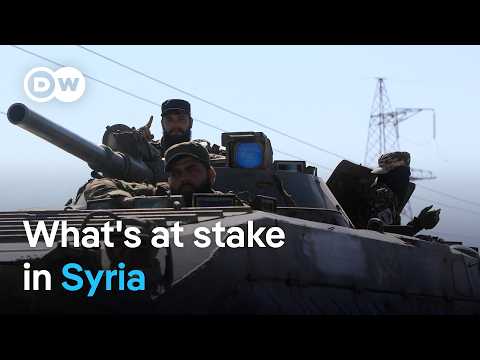
Syrian government says fighting 'halted' in Sweida: Will it last? | DW News
0
林宜悉 posted on 2025/07/20Ever wondered if a ceasefire in a conflict zone will actually stick? This DW News report dives into the situation in Sweida, Syria, exploring the complexities of the fighting and what it means for the region. You'll get a fantastic chance to pick up advanced vocabulary related to international affairs and understand real-world dialogue!
Learn this video on the APP!
The VoiceTube App has more in-depth practice for videos!