
animate
US /ˈænəˌmet/
UK /'ænɪmeɪt/
- Transitive Verb
- To give life, energy, or motion to something
B2Moreapparatus
US /ˌæpəˈretəs, -ˈrætəs/
UK /ˌæpə'reɪtəs/
- Noun (Countable/Uncountable)
- Tools or instruments used for a specific activity
B1TOEICMoreartist
US /ˈɑrtɪst/
UK /ˈɑ:tɪst/
- Noun (Countable/Uncountable)
- A person skilled and creative in art e.g. painter
A2Moreat home
US /æt hom/
UK /æt həum/
- Phrase
- In one's own residence or country.
- Adjective
- Feeling comfortable and relaxed.
at least
US /æt list/
UK /æt li:st/
- Adverb
- As a minimum
- Not less than
- Phrase
- No less than; at the minimum
- Used to indicate that something is positive in a bad situation.
C2Morebasically
US /ˈbesɪkəli,-kli/
UK /ˈbeɪsɪkli/
- Adverb
- Used before you explain something simply, clearly
- In essence; when you consider the most important aspects of something.
A2Morebeef up
US /bif ʌp/
UK /bi:f ʌp/
- Phrasal Verb
- To be made stronger and stronger
A2Morebeefing up
US
UK
- Phrasal Verb
- To be made stronger and stronger
C2Moreboil
US /bɔɪl/
UK /bɔɪl/
- Intransitive Verb
- To become extremely angry or excited
- Transitive Verb
- To cook in very hot water
- To make liquids hot so they turn to gas
A2Moreboil down
US /bɔɪl daʊn/
UK /bɔil daun/
- Phrasal Verb
- To reduce in volume by boiling; to concentrate.
- To be summarized or reduced to the essentials.
A2Moreboil over
US /bɔɪl ˈoʊvɚ/
UK /bɔɪl ˈəʊvə/
- other
- When a boiling liquid overflows the container.
- other
- When emotions, especially anger, erupt suddenly.
B2Moreborder
US /ˈbɔrdɚ/
UK /'bɔ:də(r)/
- Verb (Transitive/Intransitive)
- To be right next to another country or state
- To form the edge of something
- Noun
- Outer part or edge of something
- Line separating one country, state from another
A2TOEICMorebottom
US /ˈbɑtəm/
UK /'bɒtəm/
- Noun
- The part of your body you sit on
- Lowest position, often in a company or contest
- Verb (Transitive/Intransitive)
- To hit the lowest part of something
- To provide with a bottom.
A2TOEICMorebox in
US /bɑks ɪn/
UK /bɒks ɪn/
- other
- To trap or prevent movement by surrounding closely.
B2Morebreak it down
US
UK
- Phrasal Verb
- To simplify something complex into smaller, more manageable parts.
- To explain something in a detailed and understandable way.
A2Morecheat
US /tʃit/
UK /tʃi:t/
- Verb (Transitive/Intransitive)
- To be unfaithful to (your wife, boyfriend etc.)
- To escape death or harm, through luck or skill
- Noun (Countable/Uncountable)
- One who is unfaithful to their wife, partner etc.
- One who lies or breaks rules to get what they want
B1Morechew
US /tʃu:/
UK /tʃu:/
- Verb (Transitive/Intransitive)
- To bite something many times without swallowing it
- Noun
- Act of biting something many times
B1Morechew out
US
UK
- Phrasal Verb
- To scold someone severely
A1Morechew over
US
UK
- Phrasal Verb
- To think carefully about something
B1Morechicken out
US /ˈtʃɪkən aʊt/
UK /ˈtʃikin aut/
- Phrasal Verb
- To decide not to take a risky action
- To decide not to take a risky action
- Intransitive Verb
- To back out of something due to fear or cowardice.
A1Moreclam
US /klæm/
UK /klæm/
- Countable Noun
- Kind of shellfish
C2Morecliff
US /klɪf/
UK /klɪf/
- Noun (Countable/Uncountable)
- High, vertical or steep surface of rock or ice
- A critical or dangerous situation.
- Proper Noun
- Person's name
- A surname.
B1Morecome back
US /kʌm bæk/
UK /kʌm bæk/
- Phrasal Verb
- To reply to someone, often forcefully
- To be remembered
A1Morecomedian
US /kəˈmidiən/
UK /kəˈmi:diən/
- Countable Noun
- An entertainer whose job is to make people laugh
A2Morecon
US /kɑ:n/
UK /kɒn/
- Transitive Verb
- To trick or deceive someone
- Noun
- Argument pointing out the negatives of a position
B2Moreconsequence
US /ˈkɑnsɪˌkwɛns,-kwəns/
UK /ˈkɔnsikwəns/
- Noun (Countable/Uncountable)
- Importance of a person or thing
- Outcome of an event; result
A2Morecounselor
US /ˈkaʊnsəlɚ, -slɚ/
UK /'kaʊnsələ/
- Noun
- Person offering professional advice to others
B1Morecut up
US /kʌt ʌp/
UK /kʌt ʌp/
- Phrasal Verb
- Be cut up (about) to be upset or angry
- To criticize someone severely
A1Moredelicious
US /dɪˈlɪʃəs/
UK /dɪˈlɪʃəs/
- Adjective
- Very pleasing to eat; especially pleasing
B1TOEICMoredisrupt
US /dɪsˈrʌpt/
UK /dɪsˈrʌpt/
- Transitive Verb
- To cause a disturbance in an activity in progress
B2TOEICMoredown with
US /daʊn wɪð/
UK /daun wið/
- Adjective
- Suffering from an illness.
- Agreeable to; in favor of.
- Interjection
- An expression of opposition to something.
A1Moreduck
US /dʌk/
UK /dʌk/
- Verb (Transitive/Intransitive)
- To avoid doing something that is difficult
- To lower your head to avoid hitting something
- Noun (Countable/Uncountable)
- Common type of water bird
B1Moreduck down
US /dʌk daʊn/
UK /dʌk daʊn/
- other
- To lower your body quickly to avoid something.
A2Moreduck out
US /dʌk aʊt/
UK /dʌk aut/
- Phrasal Verb
- To leave a place or situation quickly and often without being noticed.
A2Moreembarrass
US /ɛmˈbærəs/
UK /ɪm'bærəs/
- Transitive Verb
- To cause someone to feel ashamed
A2Morefactor in
US /ˈfæktɚ ɪn/
UK /ˈfæktə in/
- Phrasal Verb
- To include something as an important element when making a decision or calculation.
B2Morefashion
US /ˈfæʃən/
UK /'fæʃn/
- Noun (Countable/Uncountable)
- Style of dress or activity popular at some time
- Industry that creates new styles of clothes
- Transitive Verb
- To make things into a particular shape
A2Morefishing for
US
UK
- Phrasal Verb
- Currently trying to get attention or praise from other people.
- Verb (Transitive/Intransitive)
- Present continuous of trying to catch fish.
A1Morefor example
US
UK
- Phrase
- As an illustration or instance.
hatred
US /ˈhetrɪd/
UK /ˈheɪtrɪd/
- Uncountable Noun
- Very strong feeling of dislike; hate
B2Morehave to
US /hæv tu/
UK /ˈhæv tə/
- Auxiliary Verb
- Must do
A1Moreidiomatic
US /ˌɪdiəˈmætɪk/
UK /ˌɪdiəˈmætɪk/
- Adjective
- Concerning idioms
B2Morein a box
US /ɪn ə bɑks/
UK /ɪn ə bɒks/
- other
- Contained or confined inside a box or small space.
B2Morein general
US /ɪn ˈdʒɛnərəl/
UK /in ˈdʒenərəl/
- Phrase
- Typically; usually; on the whole.
- Not specific or detailed; broadly.
- Adjective
- Not detailed or specific; overall.
C2Morein school
US /ɪn skul/
UK /ɪn sku:l/
- other
- Attending an educational institution.
A1Morein secret
US /ɪn ˈsiːkrət/
UK /in ˈsiːkrət/
- Phrase
- Done or kept in a way that is not known or seen by others.
B1Morein terms of
US
UK
- Phrase
- With regard to; concerning a particular aspect.
A1Moreintend
US /ɪnˈtɛnd/
UK /ɪnˈtend/
- Verb (Transitive/Intransitive)
- To plan or want to do something
A2TOEICMorelook at
US /lʊk æt/
UK /luk æt/
- Phrasal Verb
- To use your eyes to focus on something
- To focus your eyes on something carefully
A1Moremake peace
US
UK
- Intransitive Verb
- To end a state of conflict or war by agreeing to peaceful terms.
B1Moreon the scene
US /ɑn ði sin/
UK /ɔn ðə si:n/
- Phrase
- Present at a location, especially where something has happened.
- Involved or active in a particular area or activity.
B1Morepan
US /pæn/
UK /pæn/
- Transitive Verb
- To follow an object being filmed with a camera
- To criticize, e.g. a film, in a strong way
- Noun (Countable/Uncountable)
- Open metal container used for cooking
- Steel drum
A2Morepan out
US /pæn aʊt/
UK /pæn aut/
- Phrasal Verb
- (Of events) to happen as you expected them to
- To develop in a particular way.
A2Morepanoramic
US / ˌpænəˈræmɪk/
UK /ˌpænə'ræmɪk/
- Adjective
- Having a full and wide view of something
B2Morephrasal
US
UK
- Adjective
- Concerning or consisting of a phrase
B1Morepole
US /pol/
UK /pəʊl/
- Noun
- One of two opposite ideas, qualities or positions
- Most northern or most southern point on a planet
- Transitive Verb
- To move a boat with a stick or pole
B1Morequiz
US /kwɪz/
UK /kwɪz/
- Noun (Countable/Uncountable)
- A game in which players answer questions on topics
- Brief spoken or written test, given to students
- Transitive Verb
- To ask a person many questions about something
B1Moresalesman
US /ˈselzmən/
UK /'seɪlzmən/
- Countable Noun
- Person whose job is to sell things
B2Morescene
US /sin/
UK /si:n/
- Noun
- Incident where someone behaves angrily, badly
- View that looks like a picture
A2TOEICMoresecurity
US /sɪˈkjʊrɪti/sə'kjurətɪ/
UK /sɪ'kjʊərətɪ/
- Noun
- Department in a company in charge of protection
- Financial document, like stocks, bonds and notes
A2TOEICMoreshut
US /ʃʌt/
UK /ʃʌt/
- Intransitive Verb
- To stop being open for business
- Transitive Verb
- To close something, e.g. a door
A2Moreshut up
US /ʃʌt ʌp/
UK /ʃʌt ʌp/
- Phrasal Verb
- To close something, e.g. a shop
- To (cause someone to) be silent or not speak
- Interjection
- An expression of disbelief or surprise
A2Moresqueeze
US /skwiz/
UK /skwi:z/
- Noun (Countable/Uncountable)
- Amount of liquid from firmly pressing e.g. orange
- Act of putting pressure on, as to get liquid out
- Transitive Verb
- To force or threaten someone to give you something
- To strongly compress something to get liquid out
C1Morestew
US /stu, stju/
UK /stju:/
- Verb (Transitive/Intransitive)
- To cook meat or vegetables in hot water
- Noun (Countable/Uncountable)
- Type of dish mixing meat, vegetables, and gravy
B2Moreswallow
US /ˈswɑː.loʊ/
UK /'swɒləʊ/
- Transitive Verb
- To believe (something that is not true)
- To make food go from your mouth to your stomach
- Countable Noun
- Small northern bird with downward-pointing wings
A2Moreswallow up
US
UK
- Phrasal Verb
- To completely consume or engulf something.
- To use a large amount of something, especially money or time.
A1Moretalking about
US
UK
- Phrasal Verb
- To discuss a particular topic.
- To be constantly mentioning or bringing up a subject.
A1Morethe bottom line
US /ði ˈbɑtəm laɪn/
UK /ðə ˈbɔtəm lain/
- Noun
- The most important thing; the essential point.
- The net income or profit of a company.
A2Morethink about
US /θɪŋk əˈbaʊt/
UK /θiŋk əˈbaut/
- Phrasal Verb
- To consider something carefully.
- To remember or call to mind.
A1Moreto do with
US
UK
- Phrasal Verb
- To be about something; concern
A1Moreturn on
US /tɚn ɑn/
UK /tə:n ɔn/
- Phrasal Verb
- To cause someone to be interested or excited
- Transitive Verb
- To activate or switch on a device or appliance.
- To suddenly attack or criticize someone.
A1Moreveg out
US /vɛdʒ aʊt/
UK /vedʒ aʊt/
- other
- To relax in a lazy or inactive way, often watching TV.
B2Morevictim
US /ˈvɪktɪm/
UK /ˈvɪktɪm/
- Noun
- Person/thing affected by an unpleasant event
- Person feeling helpless in times of bad luck
B1TOEICMorewalk down
US /wɔk daʊn/
UK /wɔ:k daun/
- Phrasal Verb
- To walk along or down something.
- To proceed along an aisle, especially at a wedding.
A1Morework out
US /wɚk aʊt/
UK /wə:k aut/
- Phrasal Verb
- To find a way to do something, by thinking
A1Moreyell
US /jɛl/
UK /jel/
- Noun
- A sudden loud cry or shout
- Intransitive Verb
- To shout loudly at someone in pain or excitement
B1More
Vocabulary
- beef up: To be made stronger and stronger
- cut up: Be cut up (about) to be upset or angry
- think about: To consider something carefully.
- boil down: To reduce in volume by boiling; to concentrate.
- duck out: To leave a place or situation quickly and often without being noticed.
- swallow up: To completely consume or engulf something.
- to do with: To be about something; concern
- duck down: To lower your body quickly to avoid something.
- veg out: To relax in a lazy or inactive way, often watching TV.
- have to: Must do
- pan out: (Of events) to happen as you expected them to
- look at: To use your eyes to focus on something
- chicken out: To decide not to take a risky action
- boil over: When a boiling liquid overflows the container.
- work out
- beefing up: To be made stronger and stronger
- walk down: To walk along or down something.
- fishing for: Currently trying to get attention or praise from other people.
- box in: To trap or prevent movement by surrounding closely.
- in a box: Contained or confined inside a box or small space.
- talking about: To discuss a particular topic.
- in secret: Done or kept in a way that is not known or seen by others.
- shut up: To close something, e.g. a shop
- at home: In one's own residence or country.
- break it down: To simplify something complex into smaller, more manageable parts.
- down with: Suffering from an illness.
- chew over: To think carefully about something
- chew out: To scold someone severely
- for example: As an illustration or instance.
- turn on
- the bottom line: The most important thing; the essential point.
- make peace: To end a state of conflict or war by agreeing to peaceful terms.
- factor in: To include something as an important element when making a decision or calculation.
- in general: Typically; usually; on the whole.
- in terms of
- in school: Attending an educational institution.
- on the scene: Present at a location, especially where something has happened.
- at least: As a minimum
- come back: To reply to someone, often forcefully
- situation: Place, position or area that something is in
- basically: Used before you explain something simply, clearly
- consequence: Importance of a person or thing
- scene: Incident where someone behaves angrily, badly
- squeeze: Amount of liquid from firmly pressing e.g. orange
- bit: Device put in a horse's mouth to control it
- victim: Person/thing affected by an unpleasant event
- disrupt: To cause a disturbance in an activity in progress
- mean: Average of a set of numbers
- decision: Choice made after thinking; final judgment
- security: Department in a company in charge of protection
- complete: To finish or reach the end of doing something
- nervous: Concerning the system of nerves in the body
- accept: To agree to receive or take something offered
- swallow: To believe (something that is not true)
- apparatus: Tools or instruments used for a specific activity
- quiz: A game in which players answer questions on topics
- hatred: Very strong feeling of dislike; hate
- bottom: The part of your body you sit on
- border: To be right next to another country or state
- important: Having power or authority
- intend: To plan or want to do something
- cliff: High, vertical or steep surface of rock or ice
- phrasal: Concerning or consisting of a phrase
- control: A device designed to operate a machine
- chew: To bite something many times without swallowing it
- counselor: Person offering professional advice to others
- preposition: Word such as 'at' 'on' etc. showing position/time
- catch: Amount of something that has been caught
- pole: One of two opposite ideas, qualities or positions
- comedian: An entertainer whose job is to make people laugh
- animate: To give life, energy, or motion to something
- shut: To stop being open for business
- find: To become aware of something that is happening
- person: Man, woman or child
- laugh: To make a happy sound when something is funny
- boil: To become extremely angry or excited
- panoramic: Having a full and wide view of something
- embarrass: To cause someone to feel ashamed
- wide: Having a great distance from one side to the other
- pan: To follow an object being filmed with a camera
- cheat: To be unfaithful to (your wife, boyfriend etc.)
- yell: A sudden loud cry or shout
- con: To trick or deceive someone
- delicious: Very pleasing to eat; especially pleasing
- stew: To cook meat or vegetables in hot water
- clam: Kind of shellfish
- artist: A person skilled and creative in art e.g. painter
- fashion: Style of dress or activity popular at some time
- duck: To avoid doing something that is difficult
- idiomatic: Concerning idioms
- salesman: Person whose job is to sell things
Get the full experience in the app
Learn anywhere with detailed sentence and usage analysis
01:03
She took a brave step forward, leaving behind her comfort zone to chase her dreams.
Vocabulary
- brave
adj. Having courage
- comfort zone
phr. A familiar situation where one feels safe
Explanation
a brave step is a noun phrase, where brave is an adjective modifying the noun step, meaning "a courageous step".
forward is an adverb modifying step, meaning "ahead".
The whole phrase serves as the object, answering the "what" of took (verb) — she took a brave step forward.
Get the full experience in the app
Look up words anytime with pronunciation, part of speech, and usage
brave
US/brev/
UK/breɪv/
adj.Brave
v.t.To bravely face
A2 Elementary
Get the full experience in the app
Practice speaking anytime and get instant pronunciation feedback
Try this speaking exercise.
Try practicing with this sentence.
80
0
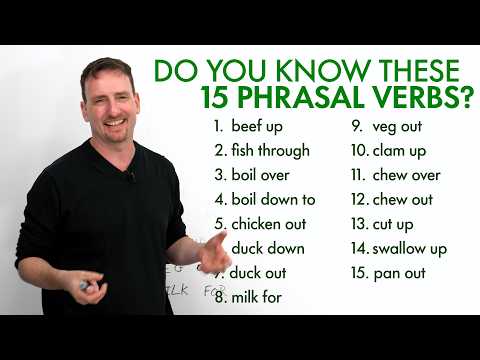
林宜悉 posted on 2025/07/19Ever get tripped up by phrasal verbs that make no sense? Adam from EngVid is here to help you master 15 tricky ones, especially those related to food, that you definitely won't guess the meaning of! You'll pick up essential vocabulary and practical phrases perfect for everyday conversations and even the workplace.
Learn this video on the APP!
The VoiceTube App has more in-depth practice for videos!