
absence
US /ˈæbsəns/
UK /ˈæbsəns/
- Uncountable Noun
- State of not being present, or not existing
- A period of time when someone is away.
B1TOEICMoreadrift
US /əˈdrɪft/
UK /əˈdrɪft/
- Adjective
- Floating without direction; not anchored
C1Moreadulthood
US /'ædʌlthʊd/
UK /'ædʌlthʊd/
- Uncountable Noun
- Time of life when a person is fully grown
- The time when someone has the rights and responsibilities of an adult.
B1Morealternative
US /ɔlˈtɚnətɪv, æl-/
UK /ɔ:lˈtɜ:nətɪv/
- Countable Noun
- Something different you can choose
- Adjective
- A different choice
A2TOEICMoreappease
US /əˈpiz/
UK /əˈpi:z/
- Transitive Verb
- To give in to someone's demands to avoid conflict
B2TOEICMoreaspiration
US /ˌæspəˈreʃən/
UK /ˌæspəˈreɪʃn/
- Noun
- Great desire to achieve something
B2Moreassume
US /əˈsum/
UK /ə'sju:m/
- Transitive Verb
- To act in a false manner to mislead others
- To believe, based on the evidence; suppose
A2TOEICMoreat work
US /æt wɚk/
UK /æt wə:k/
- Phrase
- Located at one's place of employment
A1Morebear
US /bɛr/
UK /bɛː/
- Transitive Verb
- To accept (responsibilities or duties)
- To give birth to a child; to produce fruit
- Countable Noun
- Large brown animal with fur that lives in forests
- Someone who expects stock market to fall
A2Morebounty
US /ˈbaʊnti/
UK /'baʊntɪ/
- Uncountable Noun
- Supply of something good in plentiful amounts
B2Morebring on
US /brɪŋ ɑn/
UK /briŋ ɔn/
- Phrasal Verb
- To cause to appear, e.g. onto a stage
A1Morebully
US /ˈbʊli/
UK /'bʊlɪ/
- Noun (Countable/Uncountable)
- a person who habitually seeks to harm or intimidate those whom they perceive as vulnerable
- A person who uses superior strength or influence to intimidate others.
- Verb (Transitive/Intransitive)
- seek to harm, intimidate, or coerce (someone perceived as vulnerable)
B2Morecalm
US /kɑm/
UK /kɑ:m/
- Adjective
- Without wind or storm; quiet; peaceful
- Relaxed and not worried or angry
- Verb (Transitive/Intransitive)
- To make or become relaxed and not worried or angry
A2Morecapacity
US /kəˈpæsɪti/
UK /kə'pæsətɪ/
- Noun (Countable/Uncountable)
- Ability to hold, involve or contain (e.g. liquids)
- Largest amount of something that can be produced
B1Morecaregiver
US /ˈkergɪvə(r)/
UK /ˈkeəgɪvə(r)/
- Noun
- Person giving care or helping others
C2Morecomfort
US /ˈkʌmfət/
UK /'kʌmfət/
- Transitive Verb
- To try to make distressed person feel better
- Uncountable Noun
- Acts or words that reduce pain or sadness
- State of being relaxed, warm or happy
A2Morecomplicate
US /ˈkɑ:mplɪkeɪt/
UK /ˈkɒmplɪkeɪt/
- Transitive Verb
- To make more difficult to do, understand or use
B1Morecompulsive
US /kəmˈpʌlsɪv/
UK /kəm'pʌlsɪv/
- Adjective
- Having difficulty to stop yourself doing something
- Acting as a result of an irresistible urge; addicted.
B2Morecontemplate
US /ˈkɑntəmˌplet/
UK /'kɒntəmpleɪt/
- Verb (Transitive/Intransitive)
- To consider whether you will do something
- To think deeply or carefully about something.
B1Morecore
US /kɔr, kor/
UK /kɔ:(r)/
- Transitive Verb
- To take out the central section of a fruit
- Noun (Countable/Uncountable)
- Important central part of something
- The hard central part of certain fruits, containing the seeds.
A2Moredeficiency
US /dɪˈfɪʃənsi/
UK /dɪˈfɪʃnsi/
- Noun
- Lack of something that is necessary
B2Moredesire
US / dɪˈzaɪr/
UK /dɪ'zaɪə(r)/
- Transitive Verb
- To wish for, hope or want something
- Noun (Countable/Uncountable)
- Thing that is wished for or wanted
- A strong feeling of sexual wanting.
A2Moreeventually
US /ɪˈvɛntʃuəli/
UK /ɪˈventʃuəli/
- Adverb
- After a long time; after many attempts; in the end
- At some later time; in the future
A2Moreexceptionally
US /ɪkˈsɛpʃənəlɪ/
UK /ɪkˈsepʃənəli/
- Adverb
- In an extremely and unusually good way
B2Moreflinch
US /flɪntʃ/
UK /flɪntʃ/
- Intransitive Verb
- To move back as in fear or pain; recoil; shrink
B2TOEICMorefrightening
US
UK
- Transitive Verb
- To make someone afraid or nervous
- Adjective
- Being scary
A2Morefundamentally
US /ˌfʌndəˈmɛntl:ɪ/
UK /ˌfʌndəˈmentəli/
- Adverb
- In a basic and important way
- In a complete and thorough way
B1Moregenerosity
US /ˌdʒenəˈrɑ:səti/
UK /ˌdʒenəˈrɒsəti/
- Uncountable Noun
- Giving or sharing things freely with others
- A generous act or gift.
B1Morehandle
US /ˈhændl/
UK /'hændl/
- Transitive Verb
- To cope with or take responsibility for
- To control a machine, car etc.
- Countable Noun
- The part of a door you hold to open it
- Thing you hold to carry or open a bag, pan etc.
A2TOEICMoreheal
US /hi:l/
UK /hi:l/
- Verb (Transitive/Intransitive)
- To recover from or forget a bad experience
- To make or become healthy or well again
B1Moreignore
US /ɪɡˈnɔr, -ˈnor/
UK /ɪɡ'nɔ:(r)/
- Transitive Verb
- To not listen to, look at, or pay attention to
A2TOEICMorejustify
US /ˈdʒʌstəˌfaɪ/
UK /ˈdʒʌstɪfaɪ/
- Transitive Verb
- To give good reasons for something
B1TOEICMorematurity
US /məˈtʃʊrəti/
UK /məˈtʃʊərəti/
- Uncountable Noun
- Time at which an investment is ready to be paid
- State of being fully grown or developed
A2Moremercy
US /ˈmɚsi/
UK /'mɜ:sɪ/
- Uncountable Noun
- Kind instead of harsh treatment of someone
B1Moremove on
US /muv ɑn/
UK /mu:v ɔn/
- Phrasal Verb
- To decide to change or go to a different place
- To start talking about something different.
A1Moremuch about
US /mʌtʃ əˈbaʊt/
UK /mʌtʃ əˈbaut/
- Phrase
- A lot of information or knowledge concerning something.
- To a great extent or degree regarding something; caring.
A1Moreneedy
US /ˈnidi/
UK /ˈni:di/
- Adjective
- Poor; without much money
B2Morenurture
US /ˈnɜ:rtʃə(r)/
UK /ˈnɜ:tʃə(r)/
- Uncountable Noun
- Care and support given to people as they develop
- Transitive Verb
- To help something or someone to grow or succeed
- To help something or someone to grow or succeed
B1Moreon the other hand
US
UK
- Phrase
- Considering a different aspect of the matter; alternatively.
A1Moreon to
US /ɑn tu/
UK /ɔn tu:/
- Preposition
- Toward something; forward
- Aware of someone's activities.
- Adjective
- Aware of someone's deception or illegal activities.
A1Moreopportunity
US /ˌɑpɚˈtunɪti, -ˈtju-/
UK /ˌɒpə'tju:nətɪ/
- Noun (Countable/Uncountable)
- Time, situation when a thing might be done; chance
- A favorable time or occasion for doing something.
A2TOEICMoreoverwhelmed
US /ˌoʊ.vɚˈwɛlmd/
UK /ˌəʊ.vəˈwɛlmd/
- Transitive Verb
- To defeat something or someone completely
- To affect someone emotionally in a strong way
- Adjective
- Feeling like you have so much to do that you can't even get started.
- Feeling like you are unable to cope with something
B2Morepanic
US /ˈpænɪk/
UK /'pænɪk/
- Uncountable Noun
- Overwhelming feeling of fear and anxiety
- Intransitive Verb
- To feel sudden anxiety and fear and cannot think
B1Morerage
US /reɪdʒ/
UK /reɪdʒ/
- Uncountable Noun
- Strong or violent anger
- Intransitive Verb
- To act or speak with strong or violent anger
- To move violently, like a storm
B1Morereciprocity
US /ˌresɪˈprɑ:səti/
UK /ˌresɪˈprɒsəti/
- Uncountable Noun
- Equal give and take relationship between people
C1TOEICMorerelationship
US /rɪˈleʃənˌʃɪp/
UK /rɪˈleɪʃnʃɪp/
- Noun (Countable/Uncountable)
- Connection between two or more people or things
- Way people interact or live with each other
A2TOEICMorerender
US /ˈrɛndɚ/
UK /ˈrendə(r)/
- Transitive Verb
- To cause to be in a certain state or condition
- To digitally make an image ready for use
- Noun (Countable/Uncountable)
- A first coat of plaster applied to a surface.
B1TOEICMoresac
US /sæk/
UK /sæk/
- Noun
- Bag-like part of an animal or plant
B2Moresatisfaction
US /ˌsætɪsˈfækʃən/
UK /ˌsætɪs'fækʃn/
- Uncountable Noun
- Happy feeling because of something that you did
- Providing enough to make someone happy
B1TOEICMoreteddy
US /ˈtɛdi/
UK /'tedɪ/
- Countable Noun
- A soft toy resembling a bear; teddy bear
B2Moreto let
US /tu lɛt/
UK /tu let/
- Preposition
- Indicates that a property is available for rent.
A2Moreturn into
US /tɚn ˈɪntu/
UK /tə:n ˈɪntuː/
- Phrasal Verb
- To change to become something else
- To change your direction to go into a place
A1Moreworthless
US /ˈwɜ:rθləs/
UK /ˈwɜ:θləs/
- Adjective
- Being of no value; without positive aspects
- Having no importance or value
B2Morewound
US /waʊnd/
UK /waʊnd/
- Transitive Verb
- To rotate a part of say a watch to make it work
- To hurt someone emotionally
- Noun (Countable/Uncountable)
- Sadness or displeasure caused by a bad memory
- Physical injury, especially that suffered in war
A2More
Vocabulary
- on the other hand : Considering a different aspect of the matter; alternatively.
- at work: Located at one's place of employment
- turn into: To change to become something else
- on to: Toward something; forward
- bring on: To cause to appear, e.g. onto a stage
- move on: To decide to change or go to a different place
- to let: Indicates that a property is available for rent.
- much about: A lot of information or knowledge concerning something.
- overwhelmed: To defeat something or someone completely
- eventually: After a long time; after many attempts; in the end
- assume: To act in a false manner to mislead others
- opportunity: Time, situation when a thing might be done; chance
- alternative: Something different you can choose
- panic: Overwhelming feeling of fear and anxiety
- experience: Thing a person has done or that happened to them
- capacity: Ability to hold, involve or contain (e.g. liquids)
- position: Person's opinion or attitude about something
- relationship: Connection between two or more people or things
- desire: To wish for, hope or want something
- calm: Without wind or storm; quiet; peaceful
- rage: Strong or violent anger
- ignore: To not listen to, look at, or pay attention to
- comfort: To try to make distressed person feel better
- address: Exact street location of a place
- compulsive: Having difficulty to stop yourself doing something
- core: To take out the central section of a fruit
- contemplate: To consider whether you will do something
- render: To cause to be in a certain state or condition
- risk: To do something potentially dangerous or foolish
- absence: State of not being present, or not existing
- frightening: To make someone afraid or nervous
- heal: To recover from or forget a bad experience
- fundamentally: In a basic and important way
- exceptionally: In an extremely and unusually good way
- nurture: Care and support given to people as they develop
- bear: To accept (responsibilities or duties)
- wound: To rotate a part of say a watch to make it work
- receive: To get something someone has given or sent to you
- satisfaction: Happy feeling because of something that you did
- notice: To become aware by sight, touch, or hearing
- mercy: Kind instead of harsh treatment of someone
- complicate: To make more difficult to do, understand or use
- generosity: Giving or sharing things freely with others
- bully: a person who habitually seeks to harm or intimidate those whom they perceive as vulnerable
- aspiration: Great desire to achieve something
- maturity: Time at which an investment is ready to be paid
- offer: Price you say you are willing to pay for something
- pain: Strong feeling of hurt or discomfort
- deficiency: Lack of something that is necessary
- justify: To give good reasons for something
- manage: To survive hardships and difficulties; to cope
- learn: To get knowledge or skills by study or experience
- stand: To be a candidate in an election
- handle: To cope with or take responsibility for
- great: Very good; better than before
- turn: To become (a particular age)
- find: To become aware of something that is happening
- adulthood: Time of life when a person is fully grown
- difficult: Hard; not easy; you need to work hard to do it
- needy: Poor; without much money
- appease: To give in to someone's demands to avoid conflict
- adrift: Floating without direction; not anchored
- reciprocity: Equal give and take relationship between people
- caregiver: Person giving care or helping others
- flinch: To move back as in fear or pain; recoil; shrink
- bounty: Supply of something good in plentiful amounts
- worthless: Being of no value; without positive aspects
- sac: Bag-like part of an animal or plant
- teddy: A soft toy resembling a bear; teddy bear
Get the full experience in the app
Learn anywhere with detailed sentence and usage analysis
01:03
She took a brave step forward, leaving behind her comfort zone to chase her dreams.
Vocabulary
- brave
adj. Having courage
- comfort zone
phr. A familiar situation where one feels safe
Explanation
a brave step is a noun phrase, where brave is an adjective modifying the noun step, meaning "a courageous step".
forward is an adverb modifying step, meaning "ahead".
The whole phrase serves as the object, answering the "what" of took (verb) — she took a brave step forward.
Get the full experience in the app
Look up words anytime with pronunciation, part of speech, and usage
brave
US/brev/
UK/breɪv/
adj.Brave
v.t.To bravely face
A2 Elementary
Get the full experience in the app
Practice speaking anytime and get instant pronunciation feedback
Try this speaking exercise.
Try practicing with this sentence.
80
0
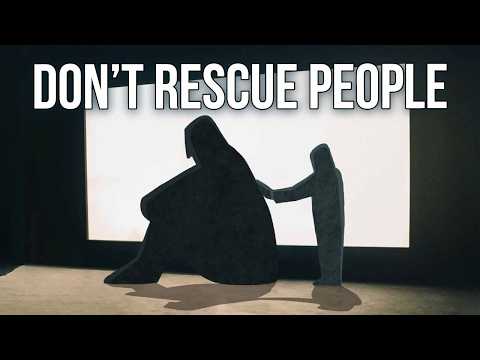
林宜悉 posted on 2025/07/18Ever wondered why some people are drawn to fixing others' problems instead of being cared for themselves? This video dives into the fascinating psychology behind the 'rescuer complex' and attachment theory, helping you understand these dynamics better. You'll pick up advanced vocabulary and complex sentence structures while exploring a topic that's surprisingly relevant to daily life!
Learn this video on the APP!
The VoiceTube App has more in-depth practice for videos!