
after all
US /ˈæftɚ ɔl/
UK /ˈɑ:ftə ɔ:l/
- Adverb
- In spite of what was expected; used to introduce a statement that supports a previous statement or explains why it was made
- Considering everything; used to indicate that something is happening or is true despite some difficulty or obstacle
- Phrase
- Despite what was expected or thought; in spite of everything.
- Taking everything into consideration; considering that.
B1Moreas long as
US /æz lɔŋ æz/
UK /æz lɔŋ æz/
- Conjunction
- For the period that; provided that.
- For the length of time that
- Preposition
- On the condition that; providing that.
- Having the same length as.
A1Moreat least
US /æt list/
UK /æt li:st/
- Adverb
- As a minimum
- Not less than
- Phrase
- No less than; at the minimum
- Used to indicate that something is positive in a bad situation.
C2Moreat the end of the day
US
UK
- Phrase
- Ultimately; when everything else is considered.
- After a day's work or activities.
A1Moreat the same time
US
UK
- Phrase
- Simultaneously; at the identical moment.
- Nevertheless; however; used to introduce a contrasting or qualifying statement.
A1Morebased on
US
UK
- Phrasal Verb
- To use something as the foundation or starting point for something else.
- Preposition
- Using something as the main idea or foundation.
- Relying on something as evidence or justification.
A1Moreboost
US /bust/
UK /bu:st/
- Transitive Verb
- To increase something; to make something better
- To push someone or something up from beneath them
- Noun (Countable/Uncountable)
- An increase in something
B1TOEICMorebring down
US /brɪŋ daʊn/
UK /briŋ daun/
- Phrasal Verb
- To destroy (government, etc.) forcefully
- To kill someone, often with a gun
A1Morecalculate
US /ˈkælkjəˌlet/
UK /'kælkjʊleɪt/
- Transitive Verb
- To find an answer using mathematics
- To make an educated guess about something
B2Morecheck out
US /tʃɛk aʊt/
UK /tʃek aut/
- Phrase
- Phrasal Verb
- To find out information about something
- To take books out of a library
A1Moreclaim
US /klem/
UK /kleɪm/
- Noun (Countable/Uncountable)
- To say that something is true, often without proof.
- A statement that something is true.
- Transitive Verb
- To demand or ask for something that you believe is rightfully yours.
- To take or cause the loss of (e.g., a life, property).
A2Morecollapse
US /kəˈlæps/
UK /kə'læps/
- Verb (Transitive/Intransitive)
- To fold (e.g. a stroller) down to make it smaller
- To suddenly fall down or break apart into pieces
- Noun
- The sudden failure of a structure or system.
- The sudden failure of a bodily organ or function.
B1Moreconfidence
US /ˈkɑnfɪdəns/
UK /'kɒnfɪdəns/
- Uncountable Noun
- Feeling that you can do well at something
- Feeling you can trust someone
A2Moreconsistently
US /kənˈsɪstəntlɪ/
UK /kən'sɪstəntlɪ/
- Adverb
- In a manner that is the same almost every time
- In every case or on every occasion; invariably
B1Morecrisis
US /ˈkraɪsɪs/
UK /'kraɪsɪs/
- Noun (Countable/Uncountable)
- Unstable situation of extreme danger or difficulty
- A turning point in a disease.
B1Morecurrent
US /ˈkɚrənt, ˈkʌr-/
UK /'kʌrənt/
- Uncountable Noun
- Electricity flowing through wires
- Movement of water in a river, or air in the sky
- Adjective
- Happening or being in the present time
- In general use or accepted by most people.
A2Morecut costs
US
UK
- Verb (Transitive/Intransitive)
- To reduce expenses or spending.
A2Moredebt
US /dɛt/
UK /det/
- Noun (Countable/Uncountable)
- Sum of money owed to someone that is not yet paid
- A moral or social obligation.
A2TOEICMoredeficit
US /ˈdɛfɪsɪt/
UK /ˈdefɪsɪt/
- Noun (Countable/Uncountable)
- Amount less than what is needed or required
- The amount by which expenditure or liabilities exceed income or assets.
B1Moredesperate
US /ˈdɛspərɪt/
UK /ˈdespərət/
- Adjective
- Being beyond hope; prepared to do anything
- State of urgently wanting to go to the toilet
A2Moreeconomic
US /ˌɛkəˈnɑmɪk, ˌikə-/
UK /ˌi:kəˈnɒmɪk/
- Adjective
- Concerning trade, industry, and money
- Financially worthwhile; profitable.
- Noun
- A system relating to economics
- A factor relating to economics
A2Moreexact
US /ɪɡˈzækt/
UK /ɪɡ'zækt/
- Adjective
- Completely correct; accurate; specific
- Transitive Verb
- To get something, sometimes using force
A2TOEICMorefederal
US /ˈfɛdərəl, ˈfɛdrəl/
UK /'fedərəl/
- Adjective
- Consisting of several united states
- Relating to a system of government in which power is divided between a central authority and constituent political units.
- Proper Noun
- The central banking system of the United States.
B1Morefigure out
US /ˈfɪɡjɚ aʊt/
UK /ˈfiɡə aut/
- Phrasal Verb
- To understand the behavior of someone
- To think through logically to find a solution
- Verb (Transitive/Intransitive)
- To understand or find an answer to something.
- To find a solution to a problem or understand something.
A1Morefor example
US
UK
- Phrase
- As an illustration or instance.
for free
US /fɔr fri/
UK /fɔ: fri:/
- Phrase
- Without charge; at no cost.
- Adjective
- Available without payment.
A2Morefor now
US /fɔr naʊ/
UK /fɔ: nau/
- Phrase
- Temporarily; for the present time.
- In the short term; for the immediate future.
A1Morego below
US /ɡoʊ bɪˈloʊ/
UK /ɡəʊ bɪˈləu/
- other
- To move down to a lower deck or level, especially on a ship.
B1Morehave to
US /hæv tu/
UK /ˈhæv tə/
- Auxiliary Verb
- Must do
A1Morehistorically
US /hɪsˈtɔrɪkl:ɪ/
UK /hɪ'stɒrɪklɪ/
- Adverb
- In history; in the past
B1Morehuge
US /hjudʒ/
UK /hju:dʒ/
- Adjective
- Very very large
A2Morein fact
US /ɪn fækt/
UK /in fækt/
- Adverb
- Used to emphasize the truth of a statement, especially one that contrasts with or contradicts something else.
- Used to introduce a more detailed or surprising piece of information.
- Phrase
- Used to emphasize the truth of a statement, especially one that is surprising or contrary to what might be expected.
C1Morein order to
US /ɪn ˈɔrdɚ tu/
UK /in ˈɔ:də tu:/
- Preposition
- For the purpose of; with the aim of.
- Phrase
- In a specific sequence or arrangement.
- With the aim of; for the purpose of.
C1Morein real life
US /ɪn ˈriəl laɪf/
UK /in riəl laif/
- Phrase
- In the physical world; not online or in a fictional setting.
- Actually; genuinely; not made up or fictional.
A2Morein the money
US /ɪn ðə ˈmʌni/
UK /in ðə ˈmʌni/
- other
- To have gained or to possess a lot of money; profitable.
B2Morein the past
US
UK
- Phrase
- During a former period of time; previously.
A1Moreinflation
US /ɪnˈfleʃən/
UK /ɪn'fleɪʃn/
- Noun (Countable/Uncountable)
- Act of filling something with air or gas
- Continual rise in the prices of products
B1TOEICMoreinstead of
US /ɪnˈstɛd ʌv/
UK /inˈsted ɔv/
- Preposition
- When one thing is replaced by another
- Adverb
- As a substitute or alternative.
A1Moreinvest
US /ɪnˈvɛst/
UK /ɪn'vest/
- Transitive Verb
- To use resources to build for the future
A2TOEICMoreliterally
US /ˈlɪtərəli/
UK
- Adverb
- In a literal manner or sense; exactly as stated.
- Used for emphasis to describe something that is actually true, often to highlight surprise or intensity.
B1Morelook at
US /lʊk æt/
UK /luk æt/
- Phrasal Verb
- To use your eyes to focus on something
- To focus your eyes on something carefully
A1Morelook over
US
UK
- Phrasal Verb
- To check something to see it works well; inspect
- To examine or inspect something quickly.
A1Moremultiple
US /ˈmʌltəpəl/
UK /ˈmʌltɪpl/
- Adjective
- Having or involving more than one of something
- Having or involving several parts, elements, or members.
- Countable Noun
- Number produced by multiplying a smaller number
- A number of identical circuit elements connected in parallel or series.
B1Morenegative
US /ˈnɛɡətɪv/
UK /'neɡətɪv/
- Noun
- The opposite to a positive electrical charge
- In grammar, containing words such as 'no' or 'not'
- Adjective
- Being harmful, unwanted or unhelpful
- In mathematics, being less than zero
A2Moreof course
US /ʌv kɔː(r)s/
UK /ɔv kɔː(r)s/
- Adverb
- Sure ; Certainly
- Phrase
- For sure; certainly
A2Moreof interest
US /əv ˈɪntrɪst/
UK /əv ˈɪntrəst/
- other
- Relevant or important to someone or something.
B2Moreout of it
US /aʊt ʌv ɪt/
UK /aut ɔv it/
- Adjective
- Unconscious or not completely alert; dazed or confused.
- Not able to think clearly or react quickly; not with it.
A1Moreprior
US /ˈpraɪɚ/
UK /'praɪə(r)/
- Adjective
- Existing or coming earlier in time
- (Of a claim, etc.) more important than another one
- Noun
- Monk or priest in charge of a monastery
B1TOEICMoreprior to
US /ˈpraɪɚ tu/
UK /ˈpraiə tu:/
- Preposition
- Before a particular time or event.
C1Moreprofit
US /'prɑ:fɪt/
UK /'prɒfɪt/
- Noun (Countable/Uncountable)
- Benefit from doing something
- Money earned from sales, after costs are deducted
- Verb (Transitive/Intransitive)
- To be a benefit to someone
- To earn money from something
A2TOEICMoreprove
US /pruv/
UK /pru:v/
- Transitive Verb
- To demonstrate truth by providing evidence
- To test the quality or worth of something.
- Intransitive Verb
- To turn out to be; be found to be.
A2TOEICMorerecession
US /rɪˈsɛʃən/
UK /rɪˈseʃn/
- Uncountable Noun
- Act of moving backward gradually
- Decreased business activity, when work is scarce
- Noun
- a period of low economic activity
- period of economic decline
B2TOEICMorerely
US /rɪˈlaɪ/
UK /rɪ'laɪ/
- Intransitive Verb
- Depend on with full trust or confidence
- To trust or have confidence in someone.
B2TOEICMorereserve
US /rɪˈzɚv/
UK /rɪ'zɜ:v/
- Transitive Verb
- To arrange for a room or table be kept for you
- To not use all of, so you can use it later
- Noun (Countable/Uncountable)
- Area of land set aside as for a people
- Park or area for wildlife to roam free
A2Moresame time
US
UK
- Phrase
- Occurring simultaneously or at the same point in time.
- At the identical time as before; recurring at a fixed hour.
- Noun
- An equal duration or period.
A1Moresee in
US /si ɪn/
UK /si: in/
- Phrasal Verb
- To accompany someone to the entrance of a building or room.
A1Morespend
US /spɛnd/
UK /spend/
- Transitive Verb
- To use money to pay for something
- To use time in order to do something
A2TOEICMorestock
US /stɑk/
UK /stɒk/
- Noun (Countable/Uncountable)
- Animals such as cattle kept for breeding
- Merchandise; goods kept by a business for sale
- Uncountable Noun
- Tasty liquid added to stews, soups etc.
B2TOEICMoresuch as
US /sʌtʃ æz/
UK /sʌtʃ æz/
- Preposition
- For example; like
A1Morethumbs up
US
UK
- Noun
- A gesture of approval or agreement, indicated by holding a fist with the thumb extended upwards.
- A positive rating or vote on social media or online platforms.
- Noun (plural)
- Multiple gestures of approval or agreement made by extending the thumbs upward.
A1Moreto the point
US /tu ði pɔɪnt/
UK /tu: ðə pɔint/
- Adjective
- Expressing something directly and without unnecessary detail.
- Phrase
- Relevant and pertinent to the matter at hand.
A2Moretrend
US /trɛnd/
UK /trend/
- Noun (Countable/Uncountable)
- Current style or fashion
- General direction that is taken
- Intransitive Verb
- To be current and popular
- To move up or down
A2Moreturn into
US /tɚn ˈɪntu/
UK /tə:n ˈɪntuː/
- Phrasal Verb
- To change to become something else
- To change your direction to go into a place
A1Moreunemployment
US /ˌʌnɛmˈplɔɪmənt,-ɪm-/
UK /ˌʌnɪmˈplɔɪmənt/
- Uncountable Noun
- Number of people without jobs in a country
- State of not having a job
B1Morevaluable
US /ˈvæljuəbəl, ˈvæljə-/
UK /ˈvæljuəbl/
- Adjective
- Being useful or important
- Being worth a lot of money
B1TOEICMorewhatsoever
US /ˌhwɑtsoˈɛvɚ,ˌhwʌt-,ˌwɑt,ˌwʌt-/
UK /ˌwɒtsəʊ'evə/
- Determiner
- Used to add emphasis to an idea being expressed
B2More
Vocabulary
- have to: Must do
- look at: To use your eyes to focus on something
- in fact: Used to emphasize the truth of a statement, especially one that contrasts with or contradicts something else.
- at least: As a minimum
- in order to: For the purpose of; with the aim of.
- prior to: Before a particular time or event.
- at the same time: Simultaneously; at the identical moment.
- same time: Occurring simultaneously or at the same point in time.
- at the end of the day: Ultimately; when everything else is considered.
- for example: As an illustration or instance.
- in real life: In the physical world; not online or in a fictional setting.
- based on: To use something as the foundation or starting point for something else.
- instead of: When one thing is replaced by another
- check out
- after all: In spite of what was expected; used to introduce a statement that supports a previous statement or explains why it was made
- figure out: To understand the behavior of someone
- thumbs up: A gesture of approval or agreement, indicated by holding a fist with the thumb extended upwards.
- of course: Sure ; Certainly
- see in: To accompany someone to the entrance of a building or room.
- of interest: Relevant or important to someone or something.
- look over: To check something to see it works well; inspect
- bring down: To destroy (government, etc.) forcefully
- such as: For example; like
- go below: To move down to a lower deck or level, especially on a ship.
- cut costs: To reduce expenses or spending.
- out of it: Unconscious or not completely alert; dazed or confused.
- in the past: During a former period of time; previously.
- to the point: Expressing something directly and without unnecessary detail.
- for free: Without charge; at no cost.
- for now: Temporarily; for the present time.
- in the money: To have gained or to possess a lot of money; profitable.
- turn into: To change to become something else
- as long as: For the period that; provided that.
- literally: In a literal manner or sense; exactly as stated.
- multiple: Having or involving more than one of something
- boost: To increase something; to make something better
- desperate: Being beyond hope; prepared to do anything
- period: Set amount of time during which events take place
- crisis: Unstable situation of extreme danger or difficulty
- negative: The opposite to a positive electrical charge
- exact: Completely correct; accurate; specific
- confidence: Feeling that you can do well at something
- claim: To say that something is true, often without proof.
- current: Electricity flowing through wires
- increase: To make or become larger in size or amount
- consistently: In a manner that is the same almost every time
- debt: Sum of money owed to someone that is not yet paid
- recession: Act of moving backward gradually
- collapse: To fold (e.g. a stroller) down to make it smaller
- similar: Nearly the same; alike
- inflation: Act of filling something with air or gas
- federal: Consisting of several united states
- valuable: Being useful or important
- huge: Very very large
- stock: Animals such as cattle kept for breeding
- compare: To consider how similar and different things are
- suddenly: In an unexpected or very quick manner
- deficit: Amount less than what is needed or required
- interest: Best or most advantageous thing for someone
- rate: To assess something or consider its qualities
- prior: Existing or coming earlier in time
- invest: To use resources to build for the future
- economy: Using money, resources in a careful, effective way
- rely: Depend on with full trust or confidence
- prove: To demonstrate truth by providing evidence
- trend: Current style or fashion
- profit: Benefit from doing something
- reserve: To arrange for a room or table be kept for you
- whatsoever: Used to add emphasis to an idea being expressed
- single: One run in cricket or a hit baseball
- british: Concerning the culture and people of British
- order: Religious or social group, as of nuns
- spend: To use money to pay for something
- fact: Something that is known or proved to be true
- continue: To do something without stopping, or after pausing
- economic: Concerning trade, industry, and money
- government: Group of people and system that rule a nation
- rise: To wake up and get out of bed after sleeping
- unemployment: Number of people without jobs in a country
- calculate: To find an answer using mathematics
- historically: In history; in the past
Get the full experience in the app
Learn anywhere with detailed sentence and usage analysis
01:03
She took a brave step forward, leaving behind her comfort zone to chase her dreams.
Vocabulary
- brave
adj. Having courage
- comfort zone
phr. A familiar situation where one feels safe
Explanation
a brave step is a noun phrase, where brave is an adjective modifying the noun step, meaning "a courageous step".
forward is an adverb modifying step, meaning "ahead".
The whole phrase serves as the object, answering the "what" of took (verb) — she took a brave step forward.
Get the full experience in the app
Look up words anytime with pronunciation, part of speech, and usage
brave
US/brev/
UK/breɪv/
adj.Brave
v.t.To bravely face
A2 Elementary
Get the full experience in the app
Practice speaking anytime and get instant pronunciation feedback
Try this speaking exercise.
Try practicing with this sentence.
80
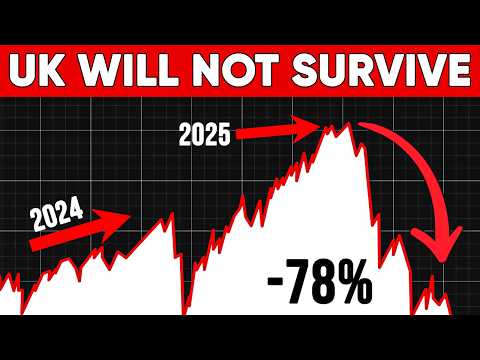
“Most People Have No Idea What’s About To Happen To The UK”
0
林宜悉 posted on 2025/07/17Ever wondered what's really going on with the UK economy? This video dives deep into stagflation and inflation, explaining complex terms like 'Debt to GDP' and what it means for investors. You'll pick up some advanced vocabulary and get a practical understanding of daily economic news!
Learn this video on the APP!
The VoiceTube App has more in-depth practice for videos!