Vocabulary
- for example: As an illustration or instance.
- make or break: Capable of ensuring success or causing failure.
- tone with: To be consistent or appropriate in style or mood.
- used to: Did regularly before, but don't do now
- at least: As a minimum
- have to: Must do
- daily conversation: Informal talk about matters of common interest; everyday conversation.
- change your mind
- for now: Temporarily; for the present time.
- such as: For example; like
- go out: To leave a building (e.g. a house)
- literally: In a literal manner or sense; exactly as stated.
- recap: Brief description of something that had been said
- demonstrate: To display a feeling or ability openly
- practice: The office and place for legal or medical work
- common: Area in a city or town that is open to everyone
- doubt: Not being sure of something; lack of certainty
- conversation: Talking with other people; discussion or chat
- fluent: Doing something well and with ease
- sentence: (Of a judge) to decide the punishment of
- casual: Being careless or having little thought or effort
- convey: To carry or transport something
- mean: Average of a set of numbers
- alter: To change so (clothing) fits better
- handful: an amount of something that can be held in one hand; small quantity or amount of people or things
- response: Something said/written as an answer to something
- upset: (Of stomach, etc.) not functioning well; sick
- effect: An advantage, benefit
- apply: To spread a substance or liquid over a surface
- rude: Being unkind or impolite to others; disrespectful
- accept: To agree to receive or take something offered
- break: To create a new record e.g. running the 100m dash
- mood: Emotion or a state of mind; how you feel
- attitude: Way you act, think and feel about something
- mind: To be bothered or upset by something
- correct: Being suitable and appropriate for an occasion
- strange: Unusual or odd; surprising because unexpected
- leave: To go away from; depart
- haven: Place where people can feel safe and happy
- commonly: Typically, normally; not unusually
- tone: Atmosphere or feeling in a message
- master: To gain control over something
- sound: Sensible, dependable and reliable
- learn: To get knowledge or skills by study or experience
- modify: To make minor change to something
- particle: Adverb or preposition that joins with a verb
- jam: To block a signal (e.g. radio waves)
- disastrous: Having very unfortunate or terrible consequences
- fine: Good, acceptable or satisfactory
- wiggle: To move from side to side with short fast movement
- appease: To give in to someone's demands to avoid conflict
- barrage: Continued fire of weapons or verbal utterances
- supportive: Providing help and support to someone or something
- friendship: Feeling of liking someone; good relationship
- disapproval: When you don't like or agree with something
- proudly: With pride; in a proud manner
- impatience: Condition of not wanting to wait
- tonal: Describing languages that vary in pitch
Get the full experience in the app
Learn anywhere with detailed sentence and usage analysis
01:03
She took a brave step forward, leaving behind her comfort zone to chase her dreams.
Vocabulary
- brave
adj. Having courage
- comfort zone
phr. A familiar situation where one feels safe
Explanation
a brave step is a noun phrase, where brave is an adjective modifying the noun step, meaning "a courageous step".
forward is an adverb modifying step, meaning "ahead".
The whole phrase serves as the object, answering the "what" of took (verb) — she took a brave step forward.
Get the full experience in the app
Look up words anytime with pronunciation, part of speech, and usage
brave
US/brev/
UK/breɪv/
adj.Brave
v.t.To bravely face
A2 Elementary
Get the full experience in the app
Practice speaking anytime and get instant pronunciation feedback
Try this speaking exercise.
Try practicing with this sentence.
80
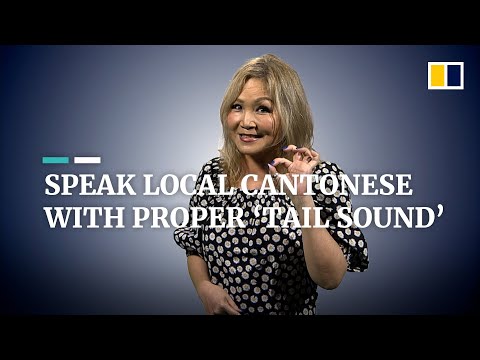
‘OK laa’: learn Cantonese ‘tail sounds’ or mei jam to speak like a local with Luisa Tam
0
Vinh Nhan posted on 2025/06/29Ever wondered how locals really sound in Hong Kong? Luisa Tam breaks down those tricky Cantonese 'tail sounds' like 'OK la' and 'mèi âm' so you can sound super natural in everyday conversations! You'll pick up essential politeness markers and practical phrases that make all the difference.
Learn this video on the APP!
The VoiceTube App has more in-depth practice for videos!