
abandon
US /əˈbændən/
UK /ə'bændən/
- Transitive Verb
- To discard or intentionally get rid of an item
- To withdraw your support, or leave someone
- Uncountable Noun
- Wild, carefree behavior
B1Moreabuse
US /əˈbjuz/
UK /ə'bju:s/
- Transitive Verb
- To mistreat or be cruel towards someone
- To use in an inappropriate or excessive way
- Noun (Countable/Uncountable)
- Improper/dishonest/excessive use of something
- Insulting someone, e.g. by swearing at them
A2TOEICMoreacknowledge
US /ækˈnɑlɪdʒ/
UK /ək'nɒlɪdʒ/
- Transitive Verb
- To say you have received a letter, gift, etc.
- To say you accept the truth or value of something
A2Moreaffection
US /əˈfɛkʃən/
UK /əˈfekʃn/
- Noun (Countable/Uncountable)
- Feeling of liking someone or something
- A gentle feeling of fondness or liking.
B1Moreagainst you
US
UK
- Preposition
- In opposition to you.
- Expressing disagreement or disapproval of you.
A2Moreat times
US /æt taɪmz/
UK /æt taɪmz/
- Phrase
- Sometimes; occasionally.
A1Moreblame
US /blem/
UK /bleɪm/
- Transitive Verb
- To say someone is responsible for something bad
- Noun (Countable/Uncountable)
- Act of saying someone did something bad
A2TOEICMorebombard
US /bɑmˈbɑrd, ˈbɑmˌbɑrd/
UK /bɒm'bɑ:d/
- Transitive Verb
- To attack with weapons
- To criticize heavily
C1Morebreak up
US /brek ʌp/
UK /breik ʌp/
- Phrase
- Phrasal Verb
- (Of party, relationship) to come to an end
- To end something, e.g. a fight
A1Morebreakup
US /ˈbrekˌʌp/
UK /'breɪk'ʌp/
- Noun
- End of a relationship often due to troubles
- Interruption or disintegration, especially of a radio signal.
C2Morechase
US /tʃes/
UK /tʃeɪs/
- Noun (Countable/Uncountable)
- Act of going after someone to catch them
- Something that one pursues or tries to obtain.
- Transitive Verb
- To go after with the intention of catching
- To try very hard to get something that you want
A2Morechase after
US /tʃes ˈæftɚ/
UK /tʃeis ˈɑ:ftə/
- Transitive Verb
- To try hard to get something/achieve a dream, etc.
A2Moreclaim
US /klem/
UK /kleɪm/
- Noun (Countable/Uncountable)
- To say that something is true, often without proof.
- A statement that something is true.
- Transitive Verb
- To demand or ask for something that you believe is rightfully yours.
- To take or cause the loss of (e.g., a life, property).
A2Morecome back
US /kʌm bæk/
UK /kʌm bæk/
- Phrasal Verb
- To reply to someone, often forcefully
- To be remembered
A1Morecrush
US /krʌʃ/
UK /krʌʃ/
- Noun
- Strong attraction to someone
- Transitive Verb
- To break something into small pieces by pressing
- To defeat someone or something (in a game)
B1TOEICMoredefine
US /dɪˈfaɪn/
UK /dɪ'faɪn/
- Transitive Verb
- To explain the meaning of words
- To set or mark the limits of something
A2TOEICMoredistance
US /ˈdɪstəns/
UK /'dɪstəns/
- Uncountable Noun
- Lack of friendliness toward another person
- Noun (Countable/Uncountable)
- Amount of space between two places or things
- A point or place that is far away.
A2Moredump
US /dʌmp/
UK /dʌmp/
- Transitive Verb
- To end a romantic relationship
- To put something somewhere without care
- Noun
- A place where waste or garbage is left.
- A copy of data from one part of a computer system to another.
B1Moreembrace
US /ɛmˈbres/
UK /ɪm'breɪs/
- Noun (Countable/Uncountable)
- Act of holding someone closely
- An act of accepting or supporting something willingly and enthusiastically.
- Transitive Verb
- To hold closely; cuddle, kiss or hug
- To accept something enthusiastically.
B1TOEICMoreemotional
US /ɪˈmoʃənəl/
UK /ɪˈməʊʃənl/
- Adjective
- Causing, feeling, or appealing to the emotions
- Relating to or characterized by emotion
A2Moreempower
US /ɛmˈpaʊɚ/
UK /ɪm'paʊə(r)/
- Transitive Verb
- To give someone a power or ability
B2Moreendure
US /ɛnˈdʊr, -ˈdjʊr/
UK /ɪn'djʊə(r)/
- Intransitive Verb
- To last for a long time; continue to exist
- Transitive Verb
- To accept difficulties without struggle
B1TOEICMoreengage in
US /ɪn'gedʒ ɪn/
UK /ɪnˈɡeɪdʒ in/
- Phrasal Verb
- To participate or become involved in something.
B1Moreesteem
US /ɪˈstim/
UK /ɪˈsti:m/
- Uncountable Noun
- Feeling of respect or admiration regarding someone
- Transitive Verb
- To regard with great respect or admiration
B2TOEICMorefeel like
US
UK
- Intransitive Verb
- To have a desire or inclination for something.
- To have a particular quality or sensation; resemble.
A1Morefigure out
US /ˈfɪɡjɚ aʊt/
UK /ˈfiɡə aut/
- Phrasal Verb
- To understand the behavior of someone
- To think through logically to find a solution
- Verb (Transitive/Intransitive)
- To understand or find an answer to something.
- To find a solution to a problem or understand something.
A1Morefor example
US
UK
- Phrase
- As an illustration or instance.
get out of
US /ɡɛt aʊt ʌv/
UK /ɡet aut ɔv/
- Phrasal Verb
- To leave or escape responsibilities, troubles
- To leave a small, enclosed vehicle
A1Moreguilty
US /ˈɡɪlti/
UK /'ɡɪltɪ/
- Adjective
- Responsible for doing something wrong
- Feeling or showing guilt; having a sense of remorse.
A2TOEICMoreharsh
US /hɑrʃ/
UK /hɑ:ʃ/
- Adjective
- Rough; tough; hard to experience or accept
- Being severe and unkind
B1Morehave to
US /hæv tu/
UK /ˈhæv tə/
- Auxiliary Verb
- Must do
A1Morehover
US /ˈhʌvər/
UK /ˈhɒvə(r)/
- Intransitive Verb
- (Bird/helicopter) to fly staying in one position
- To stay close to an area or place
- Noun
- The act of remaining in one place in the air.
B2Moreifs
US
UK
- Noun (plural)
- Introducing conditions for some things to happen
B2Morein your face
US
UK
- Adjective
- Bold, aggressive, and confrontational.
A1Moreinitiate
US /ɪˈnɪʃ.i.eɪt/
UK /ɪˈnɪʃ.i.eɪt/
- Transitive Verb
- To cause something to begin
- To allow someone into a group by a special ceremony
- Noun
- A person who has been initiated into an organization or activity.
A2TOEICMoreinstead of
US /ɪnˈstɛd ʌv/
UK /inˈsted ɔv/
- Preposition
- When one thing is replaced by another
- Adverb
- As a substitute or alternative.
A1Moreintimacy
US /ˈɪntəməsi/
UK /'ɪntɪməsɪ/
- Uncountable Noun
- The sharing of private and personal things
B2Moreisolation
US /ˌaɪsəˈleʃən/
UK /ˌaɪsəˈleɪʃn/
- Uncountable Noun
- Condition of being in a distinct, separate place
- Process of separating things from other things
B1Morejourney
US /ˈdʒɚni/
UK /'dʒɜ:nɪ/
- Noun
- Act of traveling from one place to another; trip
- Intransitive Verb
- To travel through a place
A2TOEICMoreknow about
US /noʊ əˈbaʊt/
UK /nəʊ əˈbaut/
- Phrasal Verb
- To have information or understanding of a subject or situation.
manipulate
US /məˈnɪpjəˌlet/
UK /mə'nɪpjʊleɪt/
- Transitive Verb
- To try to control others to gain an advantage
- To handle or work in a skillful manner
B1Moremind games
US
UK
- Noun
- Psychological manipulation intended to make someone feel confused or insecure.
A2Moremove on
US /muv ɑn/
UK /mu:v ɔn/
- Phrasal Verb
- To decide to change or go to a different place
- To start talking about something different.
A1Morenavigate
US /ˈnævɪˌɡet/
UK /'nævɪɡeɪt/
- Verb (Transitive/Intransitive)
- To direct (car, plane etc.) in the right direction
- To deal successfully with something complex
B2Moreneglect
US /nɪˈɡlɛkt/
UK /nɪ'ɡlekt/
- Uncountable Noun
- Act of failing to do something important, required
- State or condition of not receiving proper care
- Transitive Verb
- To not do something that is important or required
- To fail to take care of something; ignore
B1TOEICMoreoften used to
US
UK
- Phrase
- Frequently employed or utilized for a specific purpose or action.
- Commonly applied or implemented in a particular situation or context.
A1Moreout of reach
US /aʊt ʌv ritʃ/
UK /aut ɔv ri:tʃ/
- Phrase
- Cannot be touched as it is far away
- Adjective
- Too high or far away to be touched or grasped; unattainable.
- Beyond someone's capacity to obtain or achieve; unaffordable.
A2Moreover the top
US /ˈovɚ ði tɑp/
UK /ˈəuvə ðə tɔp/
- Adjective
- More than what is considered normal or suitable; exaggerated.
- So extreme that it is offensive.
- Adverb
- To an excessive degree; excessively.
A1Moreplatonic
US /pləˈtɑnɪk, ple-/
UK /pləˈtɒnɪk/
- Adjective
- Purely spiritual; as friends only; not sexual
C1Moreplay the victim
US
UK
- Intransitive Verb
- To act as if one is a victim in order to gain sympathy or avoid responsibility.
A1Morerecognize
US /ˈrek.əɡ.naɪz/
UK /ˈrek.əɡ.naɪz/
- Transitive Verb
- To accept the truth or reality of something
- To consider something as important or special
A2TOEICMorerelationship
US /rɪˈleʃənˌʃɪp/
UK /rɪˈleɪʃnʃɪp/
- Noun (Countable/Uncountable)
- Connection between two or more people or things
- Way people interact or live with each other
A2TOEICMorereputation
US /ˌrɛpjəˈteʃən/
UK /ˌrepjuˈteɪʃn/
- Noun (Countable/Uncountable)
- Common opinion that people have about someone
- A widespread belief that someone or something has a particular characteristic.
B1TOEICMoreresort
US /rɪ'zɔ:rt/
UK /rɪ'zɔ:t/
- Noun
- Act of choosing something to help with a problem
- Vacation hotel or complex; area for holidays
B1TOEICMorereverse
US /rɪˈvɚs/
UK /rɪ'vɜ:s/
- Noun
- Setting that makes the vehicle go backward
- Instance of a significant change, for the worse
- Verb (Transitive/Intransitive)
- To drive a vehicle backward
- To change to an opposite state, way or condition
B1TOEICMoreseek
US /sik/
UK /si:k/
- Transitive Verb
- To ask someone for help
- To search for; try to find or do; look for
A2TOEICMoreseek out
US /sik aʊt/
UK /si:k aut/
- Phrasal Verb
- To look for and find someone or something, especially when it is not easy to find.
B2Moreshrink
US /ʃrɪŋk/
UK /ʃrɪŋk/
- Intransitive Verb
- To become smaller
- Noun
- A rude name for a psychiatrist
B1Moresoulmate
US /ˈsoʊlmeɪt/
UK /ˈsəʊlmeɪt/
- Adjective
- Person thought to be your perfect romantic partner
C2Morestart off
US /stɑrt ɔf/
UK /stɑ:t ɔf/
- Phrasal Verb
- To begin or commence something.
- To begin a journey.
B2Moretactic
US /ˈtæktɪk/
UK /'tæktɪk/
- Countable Noun
- One of the ways you attempt to achieve a strategy
B2Moreto the point
US /tu ði pɔɪnt/
UK /tu: ðə pɔint/
- Adjective
- Expressing something directly and without unnecessary detail.
- Phrase
- Relevant and pertinent to the matter at hand.
A2Moretoxic
US /ˈtɑksɪk/
UK /ˈtɒksɪk/
- Adjective
- Poisonous; harmful
- (Of relationships) harmful; causing conflict
B2Moretoxicity
US /tɑ:kˈsɪsəti/
UK /tɒkˈsɪsəti/
- Uncountable Noun
- Quality or degree of being poisonous
B2Moretrauma
US /ˈtraʊmə/
UK /'trɔ:mə/
- Noun (Countable/Uncountable)
- A very severe or upsetting experience
- Serious injury to part of the body
B2Moreused to
US /juzd tu/
UK /ˈju:st tə/
- Adjective
- Did regularly before, but don't do now
- Auxiliary Verb
- Have done before, but do not do now
A1Morevalidation
US /ˌvælɪ'deɪʃn/
UK /ˌvælɪ'deɪʃn/
- Uncountable Noun
- Act of finding or testing the truth of something
- In computer science, the process of ensuring that data meets certain criteria before it is processed.
B2Morevaluable
US /ˈvæljuəbəl, ˈvæljə-/
UK /ˈvæljuəbl/
- Adjective
- Being useful or important
- Being worth a lot of money
B1TOEICMorewellness
US /ˈwelnəs/
UK /ˈwelnəs/
- Uncountable Noun
- State of being happy, healthy or prosperous
C2Morewithhold
US /wɪθˈhold, wɪð-/
UK /wɪð'həʊld/
- Transitive Verb
- To hold something back; restrict access to
B2Moreworth
US /wɚθ/
UK /wɜ:θ/
- Noun (Countable/Uncountable)
- the financial, practical or moral value of somebody/something
- having a particular value, especially in money
- Adjective
- Having a specified value.
A2Moreworthless
US /ˈwɜ:rθləs/
UK /ˈwɜ:θləs/
- Adjective
- Being of no value; without positive aspects
- Having no importance or value
B2More
Vocabulary
- against you: In opposition to you.
- get out of: To leave or escape responsibilities, troubles
- at times: Sometimes; occasionally.
- figure out: To understand the behavior of someone
- start off: To begin or commence something.
- over the top: More than what is considered normal or suitable; exaggerated.
- engage in: To participate or become involved in something.
- in your face: Bold, aggressive, and confrontational.
- mind games: Psychological manipulation intended to make someone feel confused or insecure.
- used to: Did regularly before, but don't do now
- often used to: Frequently employed or utilized for a specific purpose or action.
- instead of: When one thing is replaced by another
- for example: As an illustration or instance.
- to the point: Expressing something directly and without unnecessary detail.
- break up
- move on: To decide to change or go to a different place
- play the victim: To act as if one is a victim in order to gain sympathy or avoid responsibility.
- come back: To reply to someone, often forcefully
- feel like: To have a desire or inclination for something.
- chase after: To try hard to get something/achieve a dream, etc.
- seek out: To look for and find someone or something, especially when it is not easy to find.
- out of reach: Cannot be touched as it is far away
- have to: Must do
- know about: To have information or understanding of a subject or situation.
- recognize: To accept the truth or reality of something
- intimacy: The sharing of private and personal things
- trauma: A very severe or upsetting experience
- journey: Act of traveling from one place to another; trip
- embrace: Act of holding someone closely
- esteem: Feeling of respect or admiration regarding someone
- reputation: Common opinion that people have about someone
- manipulate: To try to control others to gain an advantage
- claim: To say that something is true, often without proof.
- navigate: To direct (car, plane etc.) in the right direction
- harsh: Rough; tough; hard to experience or accept
- emotional: Causing, feeling, or appealing to the emotions
- imagine: To think creatively about; form mental picture of
- crush: Strong attraction to someone
- relationship: Connection between two or more people or things
- toxic: Poisonous; harmful
- blame: To say someone is responsible for something bad
- guilty: Responsible for doing something wrong
- dump: To end a romantic relationship
- worth: the financial, practical or moral value of somebody/something
- reverse: Setting that makes the vehicle go backward
- shrink: To become smaller
- abuse: To mistreat or be cruel towards someone
- acknowledge: To say you have received a letter, gift, etc.
- endure: To last for a long time; continue to exist
- affection: Feeling of liking someone or something
- behavior: The way a person or thing acts; manner
- neglect: Act of failing to do something important, required
- valuable: Being useful or important
- validation: Act of finding or testing the truth of something
- tactic: One of the ways you attempt to achieve a strategy
- define: To explain the meaning of words
- chase: Act of going after someone to catch them
- initiate: To cause something to begin
- suddenly: In an unexpected or very quick manner
- seek: To ask someone for help
- distance: Lack of friendliness toward another person
- resort: Act of choosing something to help with a problem
- isolation: Condition of being in a distinct, separate place
- abandon: To discard or intentionally get rid of an item
- leave: To go away from; depart
- stage: To organize an event to gain public interest
- empower: To give someone a power or ability
- control: A device designed to operate a machine
- act: To behave in a certain way
- information: Collection of facts and details about something
- support: To give assistance or advice to someone
- worse: Comparative of 'bad'; more bad
- pull: Act of breathing in smoke, as from a pipe
- question: To ask for or try to get information
- person: Man, woman or child
- hover: (Bird/helicopter) to fly staying in one position
- make: To arrange or prepare something e.g. dinner
- start: First time or place that a thing exists; beginning
- platonic: Purely spiritual; as friends only; not sexual
- bombard: To attack with weapons
- wellness: State of being happy, healthy or prosperous
- worthless: Being of no value; without positive aspects
- withhold: To hold something back; restrict access to
- breakup: End of a relationship often due to troubles
- soulmate: Person thought to be your perfect romantic partner
- toxicity: Quality or degree of being poisonous
- ifs: Introducing conditions for some things to happen
Get the full experience in the app
Learn anywhere with detailed sentence and usage analysis
01:03
She took a brave step forward, leaving behind her comfort zone to chase her dreams.
Vocabulary
- brave
adj. Having courage
- comfort zone
phr. A familiar situation where one feels safe
Explanation
a brave step is a noun phrase, where brave is an adjective modifying the noun step, meaning "a courageous step".
forward is an adverb modifying step, meaning "ahead".
The whole phrase serves as the object, answering the "what" of took (verb) — she took a brave step forward.
Get the full experience in the app
Look up words anytime with pronunciation, part of speech, and usage
brave
US/brev/
UK/breɪv/
adj.Brave
v.t.To bravely face
A2 Elementary
Get the full experience in the app
Practice speaking anytime and get instant pronunciation feedback
Try this speaking exercise.
Try practicing with this sentence.
80
0
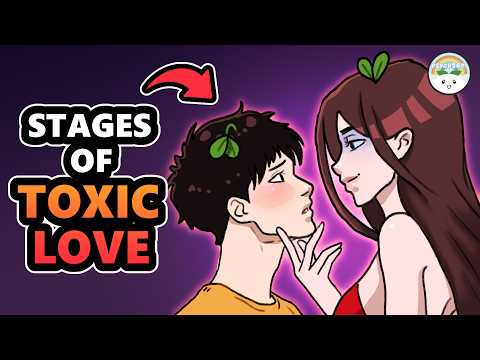
林宜悉 posted on 2025/06/18Ever wondered if you're in a toxic relationship instead of real love? This video breaks down the 7 stages, from love bombing to discard tactics, and helps you understand emotional manipulation and gaslighting. You'll pick up practical phrases and learn how to start your healing journey and set healthy boundaries!
Learn this video on the APP!
The VoiceTube App has more in-depth practice for videos!