
abnormal
US /æbˈnɔ:rml/
UK /æbˈnɔ:ml/
- Adjective
- Not normal, not typical, not usual, not regular
- Relating to behavior that deviates from the norm.
B1Moreafter all
US /ˈæftɚ ɔl/
UK /ˈɑ:ftə ɔ:l/
- Adverb
- In spite of what was expected; used to introduce a statement that supports a previous statement or explains why it was made
- Considering everything; used to indicate that something is happening or is true despite some difficulty or obstacle
- Phrase
- Despite what was expected or thought; in spite of everything.
- Taking everything into consideration; considering that.
B1Moreambiguity
US /ˌæmbɪˈɡjuɪti/
UK /ˌæmbɪ'ɡju:ətɪ/
- Uncountable Noun
- State of being confusing, uncertain or unclear
B2TOEICMoreantidepressant
US /ˌæntidɪˈprɛsənt, ˌæntaɪ-/
UK /ˌæntidɪˈpresnt/
- Noun
- Medicine used to treat depression
C2Moreanxiety
US /æŋˈzaɪɪti/
UK /æŋ'zaɪətɪ/
- Uncountable Noun
- A feeling of worry, nervousness, or unease about something that might happen, especially when the outcome is uncertain.
B1Morearound the world
US /əˈraʊnd ði wɜrld/
UK /əˈraund ðə wɜː(r)ld/
- Phrase
- In or to many countries.
- In various places throughout the world.
A2Moreassociation
US /əˌsoʊʃi'eɪʃn/
UK /əˌsəʊʃɪ'eɪʃn/
- Noun
- Organization of people with the same interest
B1TOEICMoreat best
US /æt bɛst/
UK /æt best/
- Phrase
- Under the most optimistic or favorable circumstances; the most that can be hoped for.
A1Moreautism
US /ˈɔˌtɪzəm/
UK /ˈɔ:tɪzəm/
- Uncountable Noun
- Disorder that prevents normal communication
B2Moreautistic
US /ɔ:'tɪstɪk/
UK /ɔ:'tɪstɪk/
- Adjective
- Suffering from autism
B2Moreawareness
US /əˈwɛrnɪs/
UK /əˈweənəs/
- Uncountable Noun
- Having knowledge of something
A2TOEICMorebias
US /ˈbaɪəs/
UK /'baɪəs/
- Noun (Countable/Uncountable)
- Preference to believe things even if incorrect
- A systematic error in a statistical result
- Transitive Verb
- To unfairly favor one view over another
- To cause someone to have prejudice
B1TOEICMorebiological
US /ˌbaɪəˈlɑdʒɪkəl/
UK /ˌbaɪəˈlɒdʒɪkl/
- Adjective
- Being related to life and living things
- A substance, such as a detergent, that contains enzymes.
B1Morebipolar
US /ˌbaɪˈpoʊlər/
UK /ˌbaɪˈpəʊlə(r)/
- Adjective
- (Disorder) exhibiting extremes of behavior
- Having two opposite poles
B2Moreborderline
US /ˈbɔrdɚˌlaɪn/
UK /'bɔ:dəlaɪn/
- Noun
- Line dividing two areas or categories
- Adjective
- Almost being; nearly (something specified)
C1Morebroken leg
US /ˈbrokən lɛɡ/
UK /ˈbrəukən leɡ/
- Noun
- A fracture in one of the bones of the leg.
A2Morecategorize
US /'kætəɡəraɪz/
UK /ˈkætəgəraɪz/
- Transitive Verb
- To distribute into classes or the same type
B1Morechange over
US
UK
- Phrasal Verb
- To switch from one thing to another.
A2Morecheck out
US /tʃɛk aʊt/
UK /tʃek aut/
- Phrase
- Phrasal Verb
- To find out information about something
- To take books out of a library
A1Moreclassify
US /ˈklæsəˌfaɪ/
UK /'klæsɪfaɪ/
- Transitive Verb
- To arrange things into groups of similar items
- To keep some information secret from the public
B2Morecommittee
US /kəˈmɪti/
UK /kəˈmɪti/
- Countable Noun
- Group of people who do or decide something
- A body of people formally appointed to consider or take action on a particular matter.
A2Morecomplex
US /kəmˈplɛks, ˈkɑmˌplɛks/
UK /'kɒmpleks/
- Countable Noun
- Group of buildings all used for the same purpose
- Adjective
- Not being simple; having many parts or aspects
A2Morecompulsory
US /kəmˈpʌlsəri/
UK /kəmˈpʌlsəri/
- Adjective
- Required by the rules; that you cannot avoid doing
B2Morecompulsory education
US
UK
- Noun
- Education that is required by law to be attended by all children.
B1Morecondition
US /kənˈdɪʃən/
UK /kənˈdɪʃn/
- Transitive Verb
- To improve something to make it better
- To cause to behave automatically in a certain way
- Noun (Countable/Uncountable)
- Disease or other medical problem
- The state of living you are in, e.g. good health
A2Morecure
US /kjʊr/
UK /kjʊə(r)/
- Noun
- Something that solves a problem or makes it better
- Medical treatment making a sick person healthy
- Transitive Verb
- To fix or improve a problem
- To make someone healthy or make a disease go away
B1Moredepression
US /dɪˈprɛʃən/
UK /dɪ'preʃn/
- Noun (Countable/Uncountable)
- Medical condition of a lack of vitality
- Period of unemployment and low economic activity
B2Moredepressive
US /dɪˈprɛsɪv/
UK /dɪˈpresɪv/
- Adjective
- Suffering a psychological lack of happiness
B2Morediagnose
US /ˌdaɪəgˈnoʊs/
UK /ˈdaɪəgnəʊz/
- Transitive Verb
- To determine the cause of an illness or problem
B1Morediagnosis
US /ˌdaɪəgˈnoʊsɪs/
UK /ˌdaɪəgˈnəʊsɪs/
- Noun (plural)
- Judgments by a doctor about a person's illness
- Noun
- The identification of a disease or condition.
B1Moredisorder
US /dɪsˈɔrdɚ/
UK /dɪs'ɔ:də(r)/
- Uncountable Noun
- State of confusion or a lack of organization
- Illness when the body is not functioning well
- Transitive Verb
- To disrupt the order or arrangement of something.
B2Moredisruptive
US /dɪsˈrʌptɪv/
UK /dɪsˈrʌptɪv/
- Adjective
- Causing trouble; disturbing a class, etc.
B2Moreedition
US /ɪˈdɪʃən/
UK /ɪˈdɪʃn/
- Noun (Countable/Uncountable)
- Form in which a book, magazine etc. is released
- All the copies of a book, newspaper, etc. printed at one time.
B1Morefamily members
US
UK
- Noun (plural)
- People related by blood, marriage, or adoption.
A1Morefor certain
US /fɔr ˈsɚtn/
UK /fɔ: ˈsə:tn/
- Idiom
- Definitely; without a doubt.
- Phrase
- Without any doubt; definitely.
for example
US
UK
- Phrase
- As an illustration or instance.
genetic
US /dʒəˈnɛtɪk/
UK /dʒəˈnetɪk/
- Adjective
- Of, relating to, or controlled by genes
- Relating to genes or heredity.
B1Moregoing on
US /ˈɡoɪŋ ɑn/
UK /ˈgəʊɪŋ ɔn/
- Phrasal Verb
- To continue doing something
- To happen (usually negative)
A1Morehave to
US /hæv tu/
UK /ˈhæv tə/
- Auxiliary Verb
- Must do
A1Morehighly unlikely
US
UK
- Adjective
- Not likely to happen or be true; improbable.
B1Moreidentify
US /aɪˈdɛntəˌfaɪ/
UK /aɪ'dentɪfaɪ/
- Transitive Verb
- To indicate who or what someone or something is
- To say exactly what something is
B1TOEICMorein public
US /ɪn ˈpʌblɪk/
UK /in ˈpʌblik/
- Phrase
- In a place where anyone can see or hear you.
- Adjective
- Relating to the government or the people as a whole.
B1Morein the hands of
US /ɪn ðə ˈhændz ʌv/
UK /in ðə ˈhændz ɔv/
- Preposition
- Under the control or responsibility of someone.
B1Moreinsurance
US /ɪnˈʃʊrəns/
UK /ɪnˈʃʊərəns/
- Uncountable Noun
- Protection against loss/injury/death you pay for
A2TOEICMoreknow about
US /noʊ əˈbaʊt/
UK /nəʊ əˈbaut/
- Phrasal Verb
- To have information or understanding of a subject or situation.
lack
US /læk/
UK /læk/
- Verb (Transitive/Intransitive)
- To not have, or not have enough, of something
- Uncountable Noun
- The state of not having or not having enough of
A2TOEICMoremajor
US /ˈmedʒɚ/
UK /'meɪdʒə(r)/
- Countable Noun
- High-ranking officer in the army
- Main subject you study at university
- Adjective
- Main league; esp. referring to American baseball
- Important, serious, or large in scope, size
A2TOEICMoremedical research
US
UK
- Uncountable Noun
- Scientific investigation to improve medical knowledge and treatments.
B2Moremedication
US /ˌmɛdɪˈkeʃən/
UK /ˌmedɪˈkeɪʃn/
- Noun (Countable/Uncountable)
- Substance to relieve pain or cure sickness
B2Moremental
US /ˈmɛntl/
UK /ˈmentl/
- Adjective
- Concerning the mind
A2TOEICMorenovelty
US /ˈnɑ:vlti/
UK /ˈnɒvlti/
- Noun (Countable/Uncountable)
- Items that are unusual, interesting, or unique
B2TOEICMoreof interest
US /əv ˈɪntrɪst/
UK /əv ˈɪntrəst/
- other
- Relevant or important to someone or something.
B2Moreorganization
US /ˌɔrɡənɪˈzeʃən/
UK /ˌɔ:gənaɪˈzeɪʃn/
- Noun (Countable/Uncountable)
- Group of people with a particular purpose
- The way in which something is structured or arranged.
A2Moreover time
US /ˈovɚ taɪm/
UK /ˈəuvə taim/
- Phrase
- Gradually; as time passes.
- During a long period.
- Adverb
- Gradually; as time passes.
B1Moreoverlap
US /ˌoʊvərˈlæp/
UK /ˌəʊvəˈlæp/
- Verb (Transitive/Intransitive)
- To lie over or cover a part of something else
- To happen at the same time as another event
- Noun (Countable/Uncountable)
- Amount shared in the same space, form, idea
B1TOEICMoreoversee
US /ˌovɚˈsi/
UK /ˌəʊvə'si:/
- Transitive Verb
- To check on or manage the work of others
B2TOEICMorepersonality
US /ˌpɚsəˈnælɪti/
UK /ˌpɜ:səˈnæləti/
- Noun (Countable/Uncountable)
- Way someone is or reacts to life or other people
- Person who is famous; celebrity
A2Moreprescribe
US /prɪˈskraɪb/
UK /prɪ'skraɪb/
- Transitive Verb
- (Of doctors) to say what medicine should be taken
- To set down rules or guidelines
B2Moreprofit
US /'prɑ:fɪt/
UK /'prɒfɪt/
- Noun (Countable/Uncountable)
- Benefit from doing something
- Money earned from sales, after costs are deducted
- Verb (Transitive/Intransitive)
- To be a benefit to someone
- To earn money from something
A2TOEICMorepsychiatric
US
UK
- Adjective
- Concerning the treatment of the mind
B2Morerely on
US /rɪˈlaɪ ɑn/
UK /riˈlai ɔn/
- Phrasal Verb
- To depend on someone or something
A2Moreresearch
US /rɪˈsɚtʃ, ˈriˌsɚtʃ/
UK /rɪ'sɜ:tʃ/
- Verb (Transitive/Intransitive)
- To study in order to discover new ideas and facts
- To study the market relating to marketing products and services.
- Noun (Countable/Uncountable)
- Study done to discover new ideas and facts
- A particular area or topic of study.
A2TOEICMoreresult
US /rɪˈzʌlt/
UK /rɪ'zʌlt/
- Noun
- Something produced through tests or experiments
- Final score of a competition, election or game
- Intransitive Verb
- To be the outcome of other causes and effects
- To happen or exist as a consequence of something.
A2Morereveal
US /rɪˈvil/
UK /rɪ'vi:l/
- Transitive Verb
- To show something that was hidden before
A2TOEICMorerun in
US /rʌn ɪn/
UK /rʌn in/
- Phrasal Verb
- To arrest person and take them to police station
- To drive engine slowly until ready for normal use
A1Moreset up
US /sɛt ʌp/
UK /set ʌp/
- Phrasal Verb
- To make arrangements for something; establish
- Verb (Transitive/Intransitive)
- To arrange or prepare something for use.
- To start a business, organization, etc.
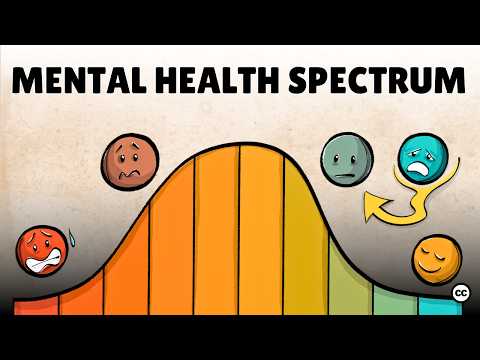
A1Morespectrum
US /ˈspɛktrəm/
UK /'spektrəm/
- Noun
- The wavelengths of colors from red to violet
- a range of different positions, opinions, etc. between two extreme points
B1Morestatistical
US /stəˈtɪstɪkəl/
UK /stə'tɪstɪkl/
- Adjective
- Concerning the math of data
B1Moresubjective
US /səbˈdʒɛktɪv/
UK /səbˈdʒektɪv/
- Adjective
- Using personal feelings and opinions not facts
C1Moresuch as
US /sʌtʃ æz/
UK /sʌtʃ æz/
- Preposition
- For example; like
A1Moretogether with
US /təˈɡɛðɚ wɪð/
UK /təˈɡeðə wið/
- Preposition
- In addition to; along with.
- Including; as well as.
A1Moretreatment
US /ˈtritmənt/
UK /ˈtri:tmənt/
- Noun (Countable/Uncountable)
- Medicine or method to make someone healthier
- Way someone acts toward another
A2TOEICMoreused to
US /juzd tu/
UK /ˈju:st tə/
- Adjective
- Did regularly before, but don't do now
- Auxiliary Verb
- Have done before, but do not do now
A1More
Vocabulary
- for example: As an illustration or instance.
- going on: To continue doing something
- around the world: In or to many countries.
- of interest: Relevant or important to someone or something.
- used to: Did regularly before, but don't do now
- broken leg: A fracture in one of the bones of the leg.
- run in: To arrest person and take them to police station
- in the hands of: Under the control or responsibility of someone.
- rely on: To depend on someone or something
- family members: People related by blood, marriage, or adoption.
- highly unlikely: Not likely to happen or be true; improbable.
- over time: Gradually; as time passes.
- change over: To switch from one thing to another.
- in public: In a place where anyone can see or hear you.
- together with: In addition to; along with.
- such as: For example; like
- at best: Under the most optimistic or favorable circumstances; the most that can be hoped for.
- have to: Must do
- after all: In spite of what was expected; used to introduce a statement that supports a previous statement or explains why it was made
- for certain: Definitely; without a doubt.
- medical research: Scientific investigation to improve medical knowledge and treatments.
- set up
- compulsory education: Education that is required by law to be attended by all children.
- know about: To have information or understanding of a subject or situation.
- check out
- anxiety: A feeling of worry, nervousness, or unease about something that might happen, especially when the outcome is uncertain.
- mental: Concerning the mind
- depression: Medical condition of a lack of vitality
- reveal: To show something that was hidden before
- evidence: Factual proof that helps to establish the truth
- disorder: State of confusion or a lack of organization
- common: Area in a city or town that is open to everyone
- spectrum: The wavelengths of colors from red to violet
- treat: To pay for the food or enjoyment of someone else
- bias: Preference to believe things even if incorrect
- identify: To indicate who or what someone or something is
- complex: Group of buildings all used for the same purpose
- research: To study in order to discover new ideas and facts
- awareness: Having knowledge of something
- industry: Hard work; being busy working
- lack: To not have, or not have enough, of something
- personality: Way someone is or reacts to life or other people
- condition: To improve something to make it better
- state: Region within a country, with its own government
- association: Organization of people with the same interest
- genetic: Of, relating to, or controlled by genes
- novelty: Items that are unusual, interesting, or unique
- result: Something produced through tests or experiments
- insurance: Protection against loss/injury/death you pay for
- interest: Best or most advantageous thing for someone
- mood: Emotion or a state of mind; how you feel
- major: High-ranking officer in the army
- cure: Something that solves a problem or makes it better
- autism: Disorder that prevents normal communication
- treatment: Medicine or method to make someone healthier
- normal: Standard or regular way of doing something
- profit: Benefit from doing something
- ambiguity: State of being confusing, uncertain or unclear
- biological: Being related to life and living things
- diagnose: To determine the cause of an illness or problem
- diagnosis: Judgments by a doctor about a person's illness
- committee: Group of people who do or decide something
- psychiatric: Concerning the treatment of the mind
- organization: Group of people with a particular purpose
- overlap: To lie over or cover a part of something else
- public: Owned by the government
- disruptive: Causing trouble; disturbing a class, etc.
- subjective: Using personal feelings and opinions not facts
- prescribe: (Of doctors) to say what medicine should be taken
- change: To exchange one set of clothes for another
- medication: Substance to relieve pain or cure sickness
- edition: Form in which a book, magazine etc. is released
- include: To make someone, something part of a group
- compulsory: Required by the rules; that you cannot avoid doing
- abnormal: Not normal, not typical, not usual, not regular
- world: All the humans, events, activities on the earth
- categorize: To distribute into classes or the same type
- clear: Empty; without anything in it or on it
- statistical: Concerning the math of data
- autistic: Suffering from autism
- classify: To arrange things into groups of similar items
- expensive: Costing a lot of money
- schizophrenia: Any of several psychotic disorders characterized by distortions of reality and disturbances of thought and language and withdrawal from social contact
- bipolar: (Disorder) exhibiting extremes of behavior
- borderline: Line dividing two areas or categories
- oversee: To check on or manage the work of others
- depressive: Suffering a psychological lack of happiness
- antidepressant: Medicine used to treat depression
Get the full experience in the app
Learn anywhere with detailed sentence and usage analysis
01:03
She took a brave step forward, leaving behind her comfort zone to chase her dreams.
Vocabulary
- brave
adj. Having courage
- comfort zone
phr. A familiar situation where one feels safe
Explanation
a brave step is a noun phrase, where brave is an adjective modifying the noun step, meaning "a courageous step".
forward is an adverb modifying step, meaning "ahead".
The whole phrase serves as the object, answering the "what" of took (verb) — she took a brave step forward.
Get the full experience in the app
Look up words anytime with pronunciation, part of speech, and usage
brave
US/brev/
UK/breɪv/
adj.Brave
v.t.To bravely face
A2 Elementary
Get the full experience in the app
Practice speaking anytime and get instant pronunciation feedback
Try this speaking exercise.
Try practicing with this sentence.
80
0
林宜悉 posted on 2025/06/18Ever wondered about the reliability of psychiatric diagnoses? This video dives deep into the DSM-5, exploring clinical debates and the complex world of comorbidity, which is fantastic for boosting your advanced vocabulary and understanding cultural depth in mental health discussions!
Learn this video on the APP!
The VoiceTube App has more in-depth practice for videos!