
advance
US /ædˈvæns/
UK /əd'vɑ:ns/
- Noun
- Forward movement by an army
- An attempt to seduce someone
- Verb (Transitive/Intransitive)
- (Of an army) to move forward
- To change or improve
A2TOEICMoreannoying
US /əˈnɔɪɪŋ/
UK /əˈnɔɪɪŋ/
- Transitive Verb
- To make someone angry
- Adjective
- A little angry; upset
B1TOEICMoreat home
US /æt hom/
UK /æt həum/
- Phrase
- In one's own residence or country.
- Adjective
- Feeling comfortable and relaxed.
authority
US /əˈθɔrɪti, əˈθɑr-, ɔˈθɔr-, ɔˈθɑr-/
UK /ɔ:ˈθɒrəti/
- Noun (Countable/Uncountable)
- The power to give orders to people
- Person who is an expert on a particular topic
A2TOEICMoreback to work
US
UK
- Phrase
- Returning to one's job or professional duties after a period of absence.
- Interjection
- An expression used to urge or remind people to resume working.
A1Morebackpack
US /ˈbækˌpæk/
UK /'bækpæk/
- Countable Noun
- Bag carried by a strap on your back or shoulder
- Intransitive Verb
- To travel very lightly carrying your things
B2Morebasically
US /ˈbesɪkəli,-kli/
UK /ˈbeɪsɪkli/
- Adverb
- Used before you explain something simply, clearly
- In essence; when you consider the most important aspects of something.
A2Moreblack and white
US /blæk ənd hwaɪt/
UK /blæk ænd hwait/
- Phrase
- Adjective
- Showing images only in black, grey, and white, not in colour.
A1Morecheck out
US /tʃɛk aʊt/
UK /tʃek aut/
- Phrase
- Phrasal Verb
- To find out information about something
- To take books out of a library
A1Morechicken out
US /ˈtʃɪkən aʊt/
UK /ˈtʃikin aut/
- Phrasal Verb
- To decide not to take a risky action
- To decide not to take a risky action
- Intransitive Verb
- To back out of something due to fear or cowardice.
A1Moreclam
US /klæm/
UK /klæm/
- Countable Noun
- Kind of shellfish
C2Morecomplicate
US /ˈkɑ:mplɪkeɪt/
UK /ˈkɒmplɪkeɪt/
- Transitive Verb
- To make more difficult to do, understand or use
B1Morecompliment
US /ˈkɑmpləmənt/
UK /'kɒmplɪmənt/
- Noun (Countable/Uncountable)
- Remark saying someone looks nice, plays well, etc.
- A formal expression of respect or admiration.
- Transitive Verb
- To say someone looks nice, plays well, etc.
B2Moreconfidence
US /ˈkɑnfɪdəns/
UK /'kɒnfɪdəns/
- Uncountable Noun
- Feeling that you can do well at something
- Feeling you can trust someone
A2Moredefinition
US /ˌdɛfəˈnɪʃən/
UK /ˌdefɪˈnɪʃn/
- Noun (Countable/Uncountable)
- Explanation of word's meaning, as in dictionaries
- The sharpness of an image on a screen
A2TOEICMoreduck
US /dʌk/
UK /dʌk/
- Verb (Transitive/Intransitive)
- To avoid doing something that is difficult
- To lower your head to avoid hitting something
- Noun (Countable/Uncountable)
- Common type of water bird
B1Moreduck out
US /dʌk aʊt/
UK /dʌk aut/
- Phrasal Verb
- To leave a place or situation quickly and often without being noticed.
A2Moreescape
US /ɪˈskep/
UK /ɪ'skeɪp/
- Noun (Countable/Uncountable)
- Act to briefly ignoring boring or bad things
- The 'esc key' on a keyboard
- Verb (Transitive/Intransitive)
- To avoid something undesirable, dangerous or bad
- To get away from a place where you are being kept
A2Moreexperience in
US
UK
- Phrase
- Knowledge or skill gained from doing something for a period of time.
- Exposure to or involvement in a particular activity or situation.
B1Moreexpression
US /ɪkˈsprɛʃən/
UK /ɪk'spreʃn/
- Noun (Countable/Uncountable)
- Act of making your thoughts and feelings known
- Group of words that have a specific meaning
A2TOEICMorefigure out
US /ˈfɪɡjɚ aʊt/
UK /ˈfiɡə aut/
- Phrasal Verb
- To understand the behavior of someone
- To think through logically to find a solution
- Verb (Transitive/Intransitive)
- To understand or find an answer to something.
- To find a solution to a problem or understand something.
A1Morefishing for
US
UK
- Phrasal Verb
- Currently trying to get attention or praise from other people.
- Verb (Transitive/Intransitive)
- Present continuous of trying to catch fish.
A1Morefix
US /fɪks/
UK /fɪks/
- Noun
- Answer to a problem
- Transitive Verb
- To arrange or prepare something
- To attach something so it will not move or change
A2TOEICMoreflee
US /fli/
UK /fli:/
- Intransitive Verb
- To leave somewhere urgently, to avoid danger
B1Morefright
US /fraɪt/
UK /fraɪt/
- Uncountable Noun
- Strong and sudden fear
A2Moregather
US /ˈɡæðɚ/
UK /ˈgæðə(r)/
- Transitive Verb
- To bring objects together into one place
- To collect foods such as wild berries or crops
- Noun
- Fold in cloth, as in a full skirt
A2TOEICMoreget back to
US /ɡɛt bæk tu/
UK /ɡet bæk tu:/
- Phrasal Verb
- To get in contact with someone again
- To return to someone or something; to respond at a later time.
A1Moreget out of
US /ɡɛt aʊt ʌv/
UK /ɡet aut ɔv/
- Phrasal Verb
- To leave or escape responsibilities, troubles
- To leave a small, enclosed vehicle
A1Morego around
US /ɡo əˈraʊnd/
UK /ɡəu əˈraund/
- Phrasal Verb
- (Of news, gossip) to be known; circulate
- To go here and there, from place to place; wander
A1Moregot to
US /ɡɑt tu/
UK /gɔt tu:/
- Verb (Transitive/Intransitive)
- To arrive at some place
- To have the opportunity or permission to do something
- Phrasal Verb
- To appeal to the emotions of; move
- To finally begin to start something after a delay
A1Morehang out
US /hæŋ aʊt/
UK /hæŋ aut/
- Phrasal Verb
- To spend time with your friends
- To spend times with friends or relax doing nothing
A2Morehave to
US /hæv tu/
UK /ˈhæv tə/
- Auxiliary Verb
- Must do
A1Moreimagination
US /ɪˌmædʒəˈneʃən/
UK /ɪˌmædʒɪˈneɪʃn/
- Uncountable Noun
- Ability to creates new ideas and mental images
- Something that you imagine; an idea that you have in your mind.
A2TOEICMorein jail
US /ɪn dʒel/
UK /in dʒeil/
- Phrase
- Imprisoned; confined in a jail or prison.
B1Moreinevitably
US /ɪnˈevɪtəbli/
UK /ɪnˈevɪtəbli/
- Adverb
- (Happening) with complete certainty
B1Moreinsult
US /ɪnˈsʌlt/
UK /ɪn'sʌlt/
- Transitive Verb
- To disrespect someone by being rude or impolite
- Noun (Countable/Uncountable)
- Act of disrespecting by being rude or impolite
B1TOEICMorejail
US /dʒel/
UK /dʒeɪl/
- Noun (Countable/Uncountable)
- Place to hold criminals being punished for a crime
- Transitive Verb
- To hold people who are being punished for a crime
B1Morekid
US /kɪd/
UK /kɪd/
- Countable Noun
- Child or young person
- Young goat
- Adjective
- Made from young goat skin
A2Morelook at
US /lʊk æt/
UK /luk æt/
- Phrasal Verb
- To use your eyes to focus on something
- To focus your eyes on something carefully
A1Morelook for
US /lʊk fɔr/
UK /luk fɔ:/
- Phrasal Verb
- To try to find a thing or person that is lost
- To expect or anticipate something.
A1Moremanipulation
US /məˌnɪpjʊˈleʃən/
UK /məˌnɪpjʊ'leɪʃn/
- Noun (Countable/Uncountable)
- Act of controlling to gain an advantage
- Act of moving something using your hands
B1Moremonkey around
US /ˈmʌŋki əˈraʊnd/
UK /ˈmʌŋki əˈraund/
- Phrasal Verb
- To behave in a silly or playful way; fool around.
A2Moremuch about
US /mʌtʃ əˈbaʊt/
UK /mʌtʃ əˈbaut/
- Phrase
- A lot of information or knowledge concerning something.
- To a great extent or degree regarding something; caring.
A1Morenope
US /noʊp/
UK /nəʊp/
- Noun
- A dialect or emphatic way of saying 'No'
- A situation or idea that one strongly rejects or wants to avoid.
- Interjection
- An informal way of saying 'no'
B2Moreof a sudden
US
UK
- Phrase
- Quickly and unexpectedly; suddenly.
B2Moreof means
US /ʌv minz/
UK /əv mi:nz/
- other
- Having resources or wealth available for use.
B2Moreout there
US /aʊt ðɛr/
UK /aut ðɛə/
- Adverb
- In or to a place that is far away
- Existing in the universe
- Adjective
- Unconventional; strange; avant-garde
- Existing or available.
A1Moreoyster
US /ˈɔɪstɚ/
UK /'ɔɪstə(r)/
- Countable Noun
- An edible marine mollusk
B2Morephrasal
US
UK
- Adjective
- Concerning or consisting of a phrase
B1Morepig
US /pɪɡ/
UK /pɪg/
- Countable Noun
- Animal that bacon, pork and ham come from
- Greedy person
B1Morepig out
US /pɪɡ aʊt/
UK /piɡ aut/
- Phrasal Verb
- To eat a large amount of food, often quickly and greedily.
A1Moreplumb
US /plʌm/
UK /plʌm/
- Adverb
- Precisely or exactly
- Transitive Verb
- To measure the depth of something
- To connect pipes, baths, toilets to a water source
B2TOEICMorepretend
US /prɪˈtɛnd/
UK /prɪ'tend/
- Verb (Transitive/Intransitive)
- To act as if something is true when it is not
- Adjective
- Not real; imaginary.
A2TOEICMoreproperly
US /ˈprɑːpərli/
UK /ˈprɔpəlɪ/
- Adverb
- In an appropriate or correct manner
- In a way that is suitable or appropriate.
A2Morepurse
US /pɚs/
UK /pɜ:s/
- Noun (Countable/Uncountable)
- Small bag for carrying money and other things
- Transitive Verb
- To make your lips into a kiss shape
A2TOEICMorerabbit on
US /ˈræbɪt ɑn/
UK /ˈræbɪt ɒn/
- other
- To talk continuously and annoyingly.
B2Morerat
US /ræt/
UK /ræt/
- Countable Noun
- Long-tailed rodent similar to/bigger than a mouse
- Person who is not loyal and reveals secrets
B1Morerat on
US /ræt ɑn/
UK /ræt ɒn/
- other
- To inform or report someone as guilty or doing something wrong.
B2Moreshellfish
US /ˈʃɛlˌfɪʃ/
UK /ˈʃelfɪʃ/
- Noun (Countable/Uncountable)
- Sea animals such as shrimps, lobsters, clams etc.
C2Moresneaky
US /ˈsniki/
UK /ˈsni:ki/
- Adjective
- Deceptive and underhand
B2Moresquirrel
US /ˈskwɚrəl, ˈskwʌr-/
UK /'skwɪrəl/
- Countable Noun
- Small furry tree-living animal with a big tail
B2Morestuff
US /stʌf/
UK /stʌf/
- Uncountable Noun
- Generic description for things, materials, objects
- Transitive Verb
- To push material inside something, with force
B1Moresudden
US /ˈsʌdn/
UK /ˈsʌdn/
- Adjective
- Happening or done quickly or unexpectedly
B1Moresuede
US /swed/
UK /sweɪd/
- Uncountable Noun
- Leather with a soft brushed surface
C1Morethink of
US /θɪŋk ʌv/
UK /θiŋk ɔv/
- Phrasal Verb
- To look on as (being something specific); consider
- To consider or remember something.
- Verb (Transitive/Intransitive)
- To imagine or call something to mind
A1Moreto do with
US
UK
- Phrasal Verb
- To be about something; concern
A1Morewitch
US /wɪtʃ/
UK /wɪtʃ/
- Countable Noun
- Woman believed to have magical powers
- Mean and ugly old woman
B2Morewith it
US /wɪð ɪt/
UK /wið it/
- Adjective
- Intelligent, alert, and up-to-date.
- Understanding and knowledgeable about current trends or information.
A1Morewolf
US /wʊlf/
UK /wʊlf/
- Countable Noun
- A dog-like wild animal
- Man who tries to seduce women
- Verb (Transitive/Intransitive)
- To eat food very quickly
B1Morewolf down
US
UK
- Phrasal Verb
- To eat something very quickly and greedily.
worm
US /wɚm/
UK /wɜ:m/
- Noun
- Small thin tube-shaped animal without legs
- Transitive Verb
- To remove worms from an animals stomach
- To get information, etc. out of, by tricking them
B2More
Vocabulary
- duck out: To leave a place or situation quickly and often without being noticed.
- go around: (Of news, gossip) to be known; circulate
- rabbit on: To talk continuously and annoyingly.
- look for: To try to find a thing or person that is lost
- wolf down: To eat something very quickly and greedily.
- look at: To use your eyes to focus on something
- think of: To look on as (being something specific); consider
- fishing for: Currently trying to get attention or praise from other people.
- chicken out: To decide not to take a risky action
- have to: Must do
- rat on: To inform or report someone as guilty or doing something wrong.
- of a sudden: Quickly and unexpectedly; suddenly.
- check out
- much about: A lot of information or knowledge concerning something.
- monkey around: To behave in a silly or playful way; fool around.
- back to work: Returning to one's job or professional duties after a period of absence.
- get back to: To get in contact with someone again
- to do with: To be about something; concern
- at home: In one's own residence or country.
- pig out: To eat a large amount of food, often quickly and greedily.
- figure out: To understand the behavior of someone
- hang out: To spend time with your friends
- black and white
- in jail: Imprisoned; confined in a jail or prison.
- experience in: Knowledge or skill gained from doing something for a period of time.
- with it: Intelligent, alert, and up-to-date.
- get out of: To leave or escape responsibilities, troubles
- out there: In or to a place that is far away
- got to: To arrive at some place
- of means: Having resources or wealth available for use.
- stuff: Generic description for things, materials, objects
- figure: To appear in a game, play or event
- pretend: To act as if something is true when it is not
- situation: Place, position or area that something is in
- properly: In an appropriate or correct manner
- expression: Act of making your thoughts and feelings known
- compliment: Remark saying someone looks nice, plays well, etc.
- basically: Used before you explain something simply, clearly
- confidence: Feeling that you can do well at something
- inevitably: (Happening) with complete certainty
- insult: To disrespect someone by being rude or impolite
- annoying: To make someone angry
- definition: Explanation of word's meaning, as in dictionaries
- escape: Act to briefly ignoring boring or bad things
- authority: The power to give orders to people
- advance: Forward movement by an army
- board: Surface for posting or showing information
- guess: To give an answer without knowing if it is correct
- sneaky: Deceptive and underhand
- flee: To leave somewhere urgently, to avoid danger
- leave: To go away from; depart
- social: Involving activity with people, e.g. in free time
- manipulation: Act of controlling to gain an advantage
- complicate: To make more difficult to do, understand or use
- lot: What happens to a person in life from chance; fate
- imagination: Ability to creates new ideas and mental images
- phrasal: Concerning or consisting of a phrase
- kind: In a caring and helpful manner
- gather: To bring objects together into one place
- preposition: Word such as 'at' 'on' etc. showing position/time
- catch: Amount of something that has been caught
- purse: Small bag for carrying money and other things
- squirrel: Small furry tree-living animal with a big tail
- event: Any social gathering; occasion; planned activity
- sudden: Happening or done quickly or unexpectedly
- verb: Word that expresses an action or state
- find: To become aware of something that is happening
- hide: To go to, or put a thing where it can't be found
- oyster: An edible marine mollusk
- bore: To accept (responsibilities or duties)
- fix: Answer to a problem
- worm: Small thin tube-shaped animal without legs
- jail: Place to hold criminals being punished for a crime
- clam: Kind of shellfish
- kid: Child or young person
- shellfish: Sea animals such as shrimps, lobsters, clams etc.
- witch: Woman believed to have magical powers
- duck: To avoid doing something that is difficult
- rat: Long-tailed rodent similar to/bigger than a mouse
- backpack: Bag carried by a strap on your back or shoulder
- fright: Strong and sudden fear
- nope: A dialect or emphatic way of saying 'No'
- suede: Leather with a soft brushed surface
- wolf: A dog-like wild animal
- plumb: Precisely or exactly
- pig: Animal that bacon, pork and ham come from
Get the full experience in the app
Learn anywhere with detailed sentence and usage analysis
01:03
She took a brave step forward, leaving behind her comfort zone to chase her dreams.
Vocabulary
- brave
adj. Having courage
- comfort zone
phr. A familiar situation where one feels safe
Explanation
a brave step is a noun phrase, where brave is an adjective modifying the noun step, meaning "a courageous step".
forward is an adverb modifying step, meaning "ahead".
The whole phrase serves as the object, answering the "what" of took (verb) — she took a brave step forward.
Get the full experience in the app
Look up words anytime with pronunciation, part of speech, and usage
brave
US/brev/
UK/breɪv/
adj.Brave
v.t.To bravely face
A2 Elementary
Get the full experience in the app
Practice speaking anytime and get instant pronunciation feedback
Try this speaking exercise.
Try practicing with this sentence.
80
0
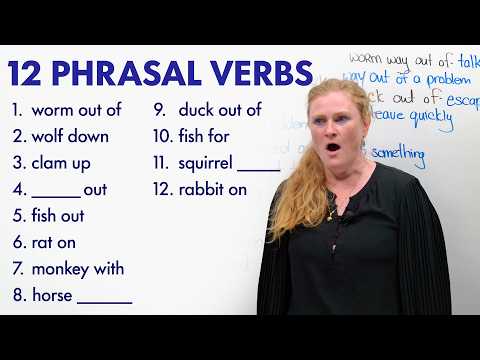
林宜悉 posted on 2025/06/17Ever heard of 'claming up' or 'wolfing down' your food? Dive into this fun lesson packed with animal-themed phrasal verbs that you'll actually use in everyday conversations and even the workplace! You'll pick up tons of practical vocabulary and learn how to use these lively expressions like a native speaker.
Learn this video on the APP!
The VoiceTube App has more in-depth practice for videos!