
administration
US / ædˌmɪnɪˈstreʃən/
UK /ədˌmɪnɪˈstreɪʃn/
- Uncountable Noun
- Act of giving e.g. medicine to a patient
- The work of running something, e.g. a business
B1TOEICMorearid
US /ˈærɪd/
UK /ˈærɪd/
- Adjective
- Being very dry and lacking water
B2Morearound the world
US /əˈraʊnd ði wɜrld/
UK /əˈraund ðə wɜː(r)ld/
- Phrase
- In or to many countries.
- In various places throughout the world.
A2Moreas one
US
UK
- Adverb
- Acting or moving together at the same time.
- In complete agreement or unity.
- Phrase
- With a single voice or opinion; unanimously.
- In perfect harmony or unison.
A1Moreat most
US /æt most/
UK /æt məust/
- Adverb
- Not more than; a maximum of.
- Phrase
- Used to indicate an upper limit or maximum quantity.
A1Moreattempt
US /əˈtɛmpt/
UK /ə'tempt/
- Verb (Transitive/Intransitive)
- To try to do something challenging or difficult
- Noun
- Effort made to try to do or accomplish something
A2TOEICMoreballot
US /ˈbælət/
UK /'bælət/
- Countable Noun
- Piece of paper used for the purpose of voting
- Intransitive Verb
- To have voted in an election
B2Morebear
US /bɛr/
UK /bɛː/
- Transitive Verb
- To accept (responsibilities or duties)
- To give birth to a child; to produce fruit
- Countable Noun
- Large brown animal with fur that lives in forests
- Someone who expects stock market to fall
A2Morebehind bars
US
UK
- Phrase
- In prison; imprisoned.
A1Moreborder
US /ˈbɔrdɚ/
UK /'bɔ:də(r)/
- Verb (Transitive/Intransitive)
- To be right next to another country or state
- To form the edge of something
- Noun
- Outer part or edge of something
- Line separating one country, state from another
A2TOEICMorecivil
US /ˈsɪvəl/
UK /ˈsɪvl/
- Adjective
- Of citizens of a country; not military, criminal
- Acting in a polite, but not truly friendly manner
B1Moreclimate
US /ˈklaɪmɪt/
UK /ˈklaɪmət/
- Noun (Countable/Uncountable)
- Typical weather conditions in a particular place
- The general attitudes, feelings, or opinions that people have at a particular time.
A2Morecommunity
US /kəˈmjunɪti/
UK /kə'mju:nətɪ/
- Noun (Countable/Uncountable)
- Group of people who share a common idea or area
- A feeling of fellowship with others, as a result of sharing common attitudes, interests, and goals.
- Adjective
- Relating to or shared by the people in a particular area.
- Shared or participated in by all members of a group
A2Moreconflict
US /ˈkɑnˌflɪkt/
UK /'kɒnflɪkt/
- Noun (Countable/Uncountable)
- Argument or struggle between two or more parties
- A serious disagreement or argument.
- Verb (Transitive/Intransitive)
- To have opposite ideas; to disagree; To not match
A2Morecouncil
US /ˈkaʊnsəl/
UK /'kaʊnsl/
- Noun (Countable/Uncountable)
- Group chosen to make decisions about something
- A body of people elected or appointed to manage the affairs of a city, county, or other administrative district.
- Transitive Verb
- To advise or recommend.
A2Morecoup
US /ku/
UK /ku:/
- Noun (Countable/Uncountable)
- Successful taking over of a thing; sudden success
- Attempt to take control from the government
B2Morecrisis
US /ˈkraɪsɪs/
UK /'kraɪsɪs/
- Noun (Countable/Uncountable)
- Unstable situation of extreme danger or difficulty
- A turning point in a disease.
B1Moredemocracy
US /dɪˈmɑkrəsi/
UK /dɪ'mɒkrəsɪ/
- Noun (Countable/Uncountable)
- System of government in which everyone is equal
- Principles of social equality and respect for the individual within a society.
B1Moredesert
US /ˈdɛzət/
UK /'dezət/
- Transitive Verb
- To leave a place for ever; abandon
- To leave when one is needed or expected to stay
- Noun (Countable/Uncountable)
- Bare area of land, often with few plants and water
- A punishment or reward that is deserved.
A2Moredue to
US /du tu/
UK /dju: tu:/
- Preposition
- Because of; owing to
- Adjective
- Attributable to; caused by.
A1Moreelection
US /ɪˈlɛkʃən/
UK /ɪ'lekʃn/
- Noun
- Process of choosing someone by voting
B1TOEICMoreend in
US /ɛnd ɪn/
UK /end in/
- Phrasal Verb
- To have something as the final result.
escalate
US /ˈɛskəˌlet/
UK /ˈeskəleɪt/
- Verb (Transitive/Intransitive)
- To increase in size, intensity, or scope
- To become much worse or more severe
B2Moreethnic
US /ˈɛθnɪk/
UK /ˈeθnɪk/
- Adjective
- Of people who share the same culture, traditions
- Belonging to a minority group that differs in culture, religion, or origin from the dominant group of a society.
B1Morefamine
US /ˈfæmɪn/
UK /ˈfæmɪn/
- Noun (Countable/Uncountable)
- Long-lasting period of little food in an area
- A drastic food shortage in a large area or country.
B2Morefor days
US /fɔr dez/
UK /fɔ: deɪz/
- Phrase
- For a long period of time; lasting several days.
for the most part
US
UK
- Phrase
- Generally; mostly; on the whole.
- Mostly; generally; in most cases.
A1Moreforce out
US /fɔrs aʊt/
UK /fɔ:s aut/
- Phrasal Verb
- To make someone leave a job or position.
B1Moregang
US /ɡæŋ/
UK /ɡæŋ/
- Noun
- Group that you disapprove of, e.g. criminals
- Intransitive Verb
- To gather together to do something (often illegal)
B1Moregenocide
US /ˈdʒɛnəˌsaɪd/
UK /ˈdʒenəsaɪd/
- Noun
- Deliberate destruction of a group of people
B2Moregoing on
US /ˈɡoɪŋ ɑn/
UK /ˈgəʊɪŋ ɔn/
- Phrasal Verb
- To continue doing something
- To happen (usually negative)
A1Morehave to
US /hæv tu/
UK /ˈhæv tə/
- Auxiliary Verb
- Must do
A1Morehumanitarian
US /hju:ˌmænɪˈteriən/
UK /hju:ˌmænɪˈteəriən/
- Noun
- Person who tries to help those in a crisis
- Adjective
- Concerned with or seeking to promote human welfare.
B2Morein point
US /ɪn pɔɪnt/
UK /in pɔint/
- Adjective
- Relevant; pertinent
A2Morein power
US /ɪn ˈpaʊɚ/
UK /in ˈpauə/
- Adjective
- Having control of a country or organization.
- Phrase
- During a period of holding authority or control.
B1Morein sight
US /ɪn saɪt/
UK /in sait/
- Phrase
- Visible; able to be seen.
- Near to being achieved; imminent.
increasingly
US /ɪnˈkriːsɪŋli/
UK /ɪnˈkri:sɪŋli/
- Adverb
- More and more; in greater degree or amount
A2Moreknow about
US /noʊ əˈbaʊt/
UK /nəʊ əˈbaut/
- Phrasal Verb
- To have information or understanding of a subject or situation.
landscape
US /ˈlændˌskep/
UK /'lændskeɪp/
- Noun
- Area or scene of activity, especially in politics
- Picture of natural scenery in a place
- Transitive Verb
- To make gardens that improve an area of land
B1TOEICMoreliberal
US /ˈlɪbərəl, ˈlɪbrəl/
UK /'lɪbərəl/
- Noun
- Someone who is open-minded and favors progress
- Adjective
- Open-minded; willing to hear others' opinions
- Political party for freedom and social change
B1TOEICMoremilitary
US /ˈmɪlɪˌtɛri/
UK /'mɪlətrɪ/
- Noun
- Army or armed forces
- Adjective
- Concerning the army or navy
B1Moreof interest
US /əv ˈɪntrɪst/
UK /əv ˈɪntrəst/
- other
- Relevant or important to someone or something.
B2Moreongoing
US /ˈɑ:ngoʊɪŋ/
UK /ˈɒngəʊɪŋ/
- Adjective
- Continuing to exist or be in progress
- Noun (Countable/Uncountable)
- A situation or process that is currently taking place or is in progress.
- A problem or difficulty that continues to exist or happen.
B1Morepolitical
US /pəˈlɪtɪkəl/
UK /pəˈlɪtɪkl/
- Adjective
- Being active or interested in government matters
- Diplomatic
A2Morepoll
US /pol/
UK /pəʊl/
- Noun (Countable/Uncountable)
- Process of gathering opinions by asking questions
- Polls where you go to cast your vote in elections
- Transitive Verb
- To ask a group of people in a vote or election
B1TOEICMorepresident
US /ˈprɛzɪdənt,-ˌdɛnt/
UK /ˈprezɪdənt/
- Noun
- Person in charge of a country, or organization
- The highest-ranking executive in a corporation or organization.
A2TOEICMoreprime
US /praɪm/
UK /praɪm/
- Transitive Verb
- To get a person ready for; prepare someone
- To coat with paint to prepare it for the main coat
- Adjective
- Concerning the highest in quality or value
- Concerning the highest level of achievement
A2TOEICMorerather than
US
UK
- Adverb
- More exactly; more correctly
- Preferably; instead
- Preposition
- Instead of
A1Moreregime
US /reˈʒim, rɪ-/
UK /reɪˈʒi:m/
- Noun
- A system of management; a form of government
B1Moreregion
US /ˈridʒən/
UK /'ri:dʒən/
- Noun (Countable/Uncountable)
- Part of a country, of the world, area, etc.
- A part of the body
A2TOEICMorerely on
US /rɪˈlaɪ ɑn/
UK /riˈlai ɔn/
- Phrasal Verb
- To depend on someone or something
A2Moreresign
US /rɪ'zaɪn/
UK /rɪ'zaɪn/
- Intransitive Verb
- To leave a job because you want to
- Verb (Transitive/Intransitive)
- To accept something unpleasant that one cannot do anything about.
B1TOEICMoresevere
US /səˈvɪr/
UK /sɪ'vɪə(r)/
- Adjective
- Very bad; harsh
- (Of clothes, etc.) plain; simple; not decorated
A2TOEICMoresuch as
US /sʌtʃ æz/
UK /sʌtʃ æz/
- Preposition
- For example; like
A1Moreswitch on
US
UK
- Transitive Verb
- To put something electrical on or off
- Phrasal Verb
A2Moreto let
US /tu lɛt/
UK /tu let/
- Preposition
- Indicates that a property is available for rent.
A2Morevast
US /væst/
UK /vɑ:st/
- Adjective
- Being very large in size or amount
A2TOEICMoreviolence
US /ˈvaɪələns/
UK /ˈvaɪələns/
- Uncountable Noun
- Strong physical force of nature
- Use of physical force to harm someone
B1Morewith respect to
US /wɪð rɪˈspɛkt tu/
UK /wið risˈpekt tu:/
- Preposition
- In relation to; regarding.
- Phrase
- In relation to; concerning.
A1Moreworsen
US /ˈwə:sən/
UK /'wɜ:sn/
- Verb (Transitive/Intransitive)
- To make or become worse
B2More
Vocabulary
- due to: Because of; owing to
- around the world: In or to many countries.
- know about: To have information or understanding of a subject or situation.
- of interest: Relevant or important to someone or something.
- going on: To continue doing something
- such as: For example; like
- force out: To make someone leave a job or position.
- end in: To have something as the final result.
- in sight: Visible; able to be seen.
- in power: Having control of a country or organization.
- rely on: To depend on someone or something
- for the most part: Generally; mostly; on the whole.
- have to: Must do
- as one: Acting or moving together at the same time.
- behind bars: In prison; imprisoned.
- for days: For a long period of time; lasting several days.
- with respect to: In relation to; regarding.
- at most: Not more than; a maximum of.
- switch on: To put something electrical on or off
- in point: Relevant; pertinent
- rather than: More exactly; more correctly
- to let: Indicates that a property is available for rent.
- situation: Place, position or area that something is in
- vast: Being very large in size or amount
- crisis: Unstable situation of extreme danger or difficulty
- conflict: Argument or struggle between two or more parties
- severe: Very bad; harsh
- attempt: To try to do something challenging or difficult
- community: Group of people who share a common idea or area
- climate: Typical weather conditions in a particular place
- prime: To get a person ready for; prepare someone
- military: Army or armed forces
- political: Being active or interested in government matters
- famine: Long-lasting period of little food in an area
- state: Region within a country, with its own government
- regime: A system of management; a form of government
- region: Part of a country, of the world, area, etc.
- democracy: System of government in which everyone is equal
- administration: Act of giving e.g. medicine to a patient
- landscape: Area or scene of activity, especially in politics
- ethnic: Of people who share the same culture, traditions
- due: When something is required or expected
- poll: Process of gathering opinions by asking questions
- civil: Of citizens of a country; not military, criminal
- violence: Strong physical force of nature
- bear: To accept (responsibilities or duties)
- increasingly: More and more; in greater degree or amount
- desert: To leave a place for ever; abandon
- escalate: To increase in size, intensity, or scope
- arrest: To attract someone's attention and hold interest
- border: To be right next to another country or state
- council: Group chosen to make decisions about something
- ongoing: Continuing to exist or be in progress
- president: Person in charge of a country, or organization
- liberal: Someone who is open-minded and favors progress
- continue: To do something without stopping, or after pausing
- gang: Group that you disapprove of, e.g. criminals
- election: Process of choosing someone by voting
- government: Group of people and system that rule a nation
- steal: A bargain; something bought very cheaply
- genocide: Deliberate destruction of a group of people
- humanitarian: Person who tries to help those in a crisis
- resign: To leave a job because you want to
- natural: Being as one would expect; being usual or normal
- ballot: Piece of paper used for the purpose of voting
- change: To exchange one set of clothes for another
- coup: Successful taking over of a thing; sudden success
- march: To force someone to walk somewhere
- world: All the humans, events, activities on the earth
- human: A person; a man, woman or child
- fight: To argue or quarrel with someone about something
- country: An area of land that is controlled by a government
- international: Of or relating to several countries
- arid: Being very dry and lacking water
- worsen: To make or become worse
Get the full experience in the app
Learn anywhere with detailed sentence and usage analysis
01:03
She took a brave step forward, leaving behind her comfort zone to chase her dreams.
Vocabulary
- brave
adj. Having courage
- comfort zone
phr. A familiar situation where one feels safe
Explanation
a brave step is a noun phrase, where brave is an adjective modifying the noun step, meaning "a courageous step".
forward is an adverb modifying step, meaning "ahead".
The whole phrase serves as the object, answering the "what" of took (verb) — she took a brave step forward.
Get the full experience in the app
Look up words anytime with pronunciation, part of speech, and usage
brave
US/brev/
UK/breɪv/
adj.Brave
v.t.To bravely face
A2 Elementary
Get the full experience in the app
Practice speaking anytime and get instant pronunciation feedback
Try this speaking exercise.
Try practicing with this sentence.
80
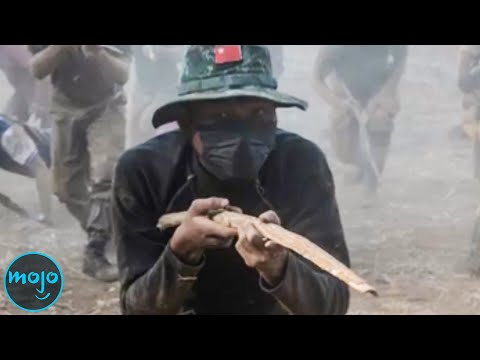
Top 10 Recent Major Global Events That NOBODY Is Talking About
0
林宜悉 posted on 2025/06/17Ever feel like the world's biggest stories are flying under the radar? This video dives into 10 major global events and geopolitical shifts that deserve way more attention, from humanitarian crises to complex international relations. You'll boost your vocabulary with advanced terms related to global affairs and practice understanding complex sentence structures used in serious news reporting!
Learn this video on the APP!
The VoiceTube App has more in-depth practice for videos!