
absolutely
US /ˈæbsəˌlutli, ˌæbsəˈlutli/
UK /ˈæbsəlu:tli/
- Adverb
- Completely; totally; very
- Considered independently and without relation to other things; viewed abstractly; as, quantity absolutely considered.
A2Moreabstract
US /ˈæbˌstrækt/
UK /'æbstrækt/
- Noun (Countable/Uncountable)
- Passage of text from an article or book
- Something that doesn't exist physically
- Adjective
- Concerning something that doesn't exist physically
- Relating to abstract art.
B1Moreat least
US /æt list/
UK /æt li:st/
- Adverb
- As a minimum
- Not less than
- Phrase
- No less than; at the minimum
- Used to indicate that something is positive in a bad situation.
C2Moreat speed
US
UK
- Phrase
- Moving quickly.
A1Moreautonomous
US /ɔ:ˈtɑ:nəməs/
UK /ɔ:ˈtɒnəməs/
- Adjective
- Able to control or decide matters by itself
B2Morebow
US /bo/
UK /baʊ/
- Verb (Transitive/Intransitive)
- To (cause to) curve or bend
- Noun
- Wooden weapon made to shoot arrows
- Front part of a boat
A2Morebuoy
US /ˈbui, bɔɪ/
UK /bɔɪ/
- Countable Noun
- (Often official) floating marker in water or sea
- Transitive Verb
- To lift something up; give a boost to
B2Morecanal
US /kəˈnæl/
UK /kəˈnæl/
- Noun (Countable/Uncountable)
- Channel cut through land for boats or ships
- A tubular passage in the body.
B1Morecancel out
US /ˈkænsəl aʊt/
UK /ˈkænsəl aut/
- Phrasal Verb
- To neutralize or negate the effect of something else.
- To cause something to no longer be valid or effective.
B1Morecontainer
US /kənˈtenɚ/
UK /kənˈteɪnə(r)/
- Noun (Countable/Uncountable)
- An object that can be used to hold things
- A large metal box used for transporting goods
A2Morecurrent
US /ˈkɚrənt, ˈkʌr-/
UK /'kʌrənt/
- Uncountable Noun
- Electricity flowing through wires
- Movement of water in a river, or air in the sky
- Adjective
- Happening or being in the present time
- In general use or accepted by most people.
A2Moredistract
US /dɪˈstrækt/
UK /dɪ'strækt/
- Transitive Verb
- To draw someone's attention away from something
B1TOEICMoredown the middle
US
UK
- Phrase
- In or along the center of something.
- (In baseball) directly over the center of home plate.
- Adjective
- Taking a neutral or moderate position; avoiding extremes.
fall apart
US /fɔl əˈpɑrt/
UK /fɔ:l əˈpɑ:t/
- Phrasal Verb
- To suffer a nervous breakdown
- To break into pieces; stop functioning
A1Morefeel like
US
UK
- Intransitive Verb
- To have a desire or inclination for something.
- To have a particular quality or sensation; resemble.
A1Morego straight
US /ɡo stret/
UK /ɡəu streit/
- Intransitive Verb
- To continue in the same direction without turning.
- To start living an honest and law-abiding life.
A1Moregot to
US /ɡɑt tu/
UK /gɔt tu:/
- Verb (Transitive/Intransitive)
- To arrive at some place
- To have the opportunity or permission to do something
- Phrasal Verb
- To appeal to the emotions of; move
- To finally begin to start something after a delay
A1Morehandle
US /ˈhændl/
UK /'hændl/
- Transitive Verb
- To cope with or take responsibility for
- To control a machine, car etc.
- Countable Noun
- The part of a door you hold to open it
- Thing you hold to carry or open a bag, pan etc.
A2TOEICMoreharbour
US /ˈhɑrbɚ/
UK /'hɑ:bə(r)/
- Noun (Countable/Uncountable)
- Area of water protected by land and used by ships
- Place providing comfort and shelter from danger
- Transitive Verb
- To contain, hold, include, or hide something
- To feel certain thoughts/emotions for a long time
B2Morehave to
US /hæv tu/
UK /ˈhæv tə/
- Auxiliary Verb
- Must do
A1Morein case of
US /ɪn kes ʌv/
UK /in keis ɔv/
- Preposition
- If something happens; in the event of.
- If something happens.
- Conjunction
- To be prepared for something that might happen.
A1Morein line with
US /ɪn laɪn wɪð/
UK /in lain wið/
- Phrase
- In agreement with; conforming to.
- In the same direction or alignment as.
- Preposition
- In agreement or conformity with.
A2Morein reality
US /ɪn riˈælɪti/
UK /in riˈæliti/
- Phrase
- Actually; in fact; truly.
B2Morein reverse
US /ɪn rɪˈvɚs/
UK /in riˈvə:s/
- Adverb
- In the opposite direction.
- In the opposite order.
- Phrase
- Moving or operating backwards.
- With the sequence inverted.
B2Morein sight
US /ɪn saɪt/
UK /in sait/
- Phrase
- Visible; able to be seen.
- Near to being achieved; imminent.
in the world
US /ɪn ði wɜrld/
UK /in ðə wɜː(r)ld/
- Phrase
- Used to emphasize a question expressing surprise, confusion, disbelief
- Used to indicate the extent or degree of something, often in a superlative sense
A1Moreinstead of
US /ɪnˈstɛd ʌv/
UK /inˈsted ɔv/
- Preposition
- When one thing is replaced by another
- Adverb
- As a substitute or alternative.
A1Moreinstinct
US /ˈɪnˌstɪŋkt/
UK /'ɪnstɪŋkt/
- Noun
- Natural way of thinking; intuition
- Natural way (person or animal) thinks, behaves
B1Morekeel
US /kil/
UK /ki:l/
- Noun
- Long central strip along the bottom of a boat
C2Morelap
US /læp/
UK /læp/
- Intransitive Verb
- (Of water) to move in a gentle repeated motion
- Noun
- A gentle repeated motion against something
- Area between the waist and knees when seated
B1Morelock on
US
UK
- Phrasal Verb
- To establish a tracking signal on a target, typically used in the context of missile guidance systems.
- To focus one's attention or efforts intently on something.
B1Moreminiature
US /ˈmɪniəˌtʃʊr, -tʃɚ, ˈmɪnə-/
UK /ˈmɪnətʃə(r)/
- Noun (Countable/Uncountable)
- Small model of something larger
- Very small painting, picture or portrait
- Adjective
- Made to be much smaller than normal
B2Moremock
US /mɑk/
UK /mɒk/
- Transitive Verb
- To laugh at someone or something in an unkind way
- Adjective
- Not genuine or real, but attempting to appear so
B1Morenavigation
US /ˌnævɪˈɡeʃən/
UK /ˌnævɪˈgeɪʃn/
- Noun
- Act of finding and following the correct course
B2Moreof course
US /ʌv kɔː(r)s/
UK /ɔv kɔː(r)s/
- Adverb
- Sure ; Certainly
- Phrase
- For sure; certainly
A2Moreon average
US /ɑn ˈævərɪdʒ/
UK /ɔn ˈævəridʒ/
- Phrase
- Typically; usually; based on an average calculation.
B1Moreprecision
US /prɪˈsɪʒən/
UK /prɪˈsɪʒn/
- Adjective
- Performed in a very careful, detailed manner
- Uncountable Noun
- Quality of being very accurate and exact
- The degree to which something is accurately or exactly done.
A2TOEICMoreprivilege
US /ˈprɪvəlɪdʒ, ˈprɪvlɪdʒ/
UK /'prɪvəlɪdʒ/
- Noun (Countable/Uncountable)
- Advantage or right given to only certain people
- An opportunity to do something special or enjoyable.
- Transitive Verb
- To give advantages to some people not others
B1TOEICMoreproceed
US /proʊˈsi:d/
UK /prəˈsi:d/
- Verb (Transitive/Intransitive)
- To continue to do something; carry on
- To go forward in a certain direction
A2TOEICMorereality
US /riˈælɪti/
UK /rɪ'ælətɪ/
- Noun (Countable/Uncountable)
- What is true, as opposed to what is imagined
- The state of things as they actually exist, rather than as they may appear or might be imagined.
A2Morerear
US /rɪr/
UK /rɪə(r)/
- Noun
- Part of the human body that you sit on; buttocks
- Transitive Verb
- To care for a young animal, child into adulthood
A2TOEICMoreresearch
US /rɪˈsɚtʃ, ˈriˌsɚtʃ/
UK /rɪ'sɜ:tʃ/
- Verb (Transitive/Intransitive)
- To study in order to discover new ideas and facts
- To study the market relating to marketing products and services.
- Noun (Countable/Uncountable)
- Study done to discover new ideas and facts
- A particular area or topic of study.
A2TOEICMorerudder
US /ˈrʌdɚ/
UK /ˈrʌdə(r)/
- Noun
- Flat piece of wood or metal that steers ships
C1Morescale
US /skel/
UK /skeɪl/
- Noun (Countable/Uncountable)
- Size, level, or amount when compared
- Small hard plates that cover the body of fish
- Verb (Transitive/Intransitive)
- To change the size of but keep the proportions
- To climb something large (e.g. a mountain)
A2TOEICMoreshallow
US /ˈʃælo/
UK /'ʃæləʊ/
- Adjective
- Not deep; short from top to bottom
- Lacking interest in serious things; superficial
B1TOEICMoreshipyard
US /ˈʃɪpˌjɑrd/
UK /ˈʃɪpjɑ:d/
- Noun
- Workplace where ships are built or repaired
C2TOEICMoresimulate
US /ˈsɪmjəˌlet/
UK /'sɪmjʊleɪt/
- Transitive Verb
- To copy something or look or behave like it
B1TOEICMoresimulation
US /ˌsɪmjəˈleʃən/
UK /ˌsɪmjuˈleɪʃn/
- Noun
- A copying method to study the real world
B1TOEICMoreslam
US /slæm/
UK /slæm/
- Transitive Verb
- To criticize sharply
- To shut with a lot of force, making a loud noise
- Noun
- Act or sound of closing a door, etc. violently
B1Moreslightly
US /ˈslaɪtli/
UK /ˈslaɪtli/
- Adverb
- Only a little
B1Morestarboard
US /ˈstɑ:rbərd/
UK /ˈstɑ:bəd/
- Noun
- Right side of a ship when looking from the front
C1Moresteer
US /stɪr/
UK /stɪə(r)/
- Countable Noun
- A cow
- Transitive Verb
- To control the direction in which something moves
B1Morestick
US /stɪk/
UK /stɪk/
- Verb (Transitive/Intransitive)
- To push a sharp or pointed object into something
- To join together using glue or paste
- Countable Noun
- Long thin piece of wood from a tree
A2Morestraight
US /stret/
UK /streɪt/
- Adjective
- Not having curves, bends, or angles
- Not gay; heterosexual
- Adverb
- in a line; immediately; honestly and directly
- In a straight line; directly.
A2TOEICMoresuck
US /sʌk/
UK /sʌk/
- Intransitive Verb
- To be very bad, undesirable or unpleasant
- Transitive Verb
- To pull or remove something with great power
- To attract someone; make someone interested
B1Moreswitch off
US /swɪtʃ ɔf/
UK /switʃ ɔf/
- Phrase
- Phrasal Verb
- To stop a machine, light, etc. working by pressing a button or switch
- To stop paying attention to someone or something
A2Moretelegraph
US /ˈtelɪgræf/
UK /ˈtelɪgrɑ:f/
- Transitive Verb
- To signal to someone without speaking
- To send messages using electric wires
- Noun
- Messaging system using wires and electric signals
C2Moretiny
US /ˈtaɪni/
UK /'taɪnɪ/
- Adjective
- Very, very small
A2Morevelocity
US /vəˈlɑsɪti/
UK /və'lɒsətɪ/
- Noun (Countable/Uncountable)
- Speed in a given direction
- The rate of change of an object's position with respect to time; a vector quantity.
B1Morewheel
US /wi:l/
UK /wi:l/
- Noun
- Round thing that rolls, used for moving things
- Verb (Transitive/Intransitive)
- To move something which has wheels or is on wheels
- To turn or cause to turn something in a circle
A2More
Vocabulary
- have to: Must do
- in case of: If something happens; in the event of.
- feel like: To have a desire or inclination for something.
- in reality: Actually; in fact; truly.
- got to: To arrive at some place
- at speed: Moving quickly.
- of course: Sure ; Certainly
- in the world: Used to emphasize a question expressing surprise, confusion, disbelief
- on average: Typically; usually; based on an average calculation.
- in line with: In agreement with; conforming to.
- fall apart: To suffer a nervous breakdown
- in sight: Visible; able to be seen.
- cancel out: To neutralize or negate the effect of something else.
- go straight: To continue in the same direction without turning.
- down the middle: In or along the center of something.
- lock on: To establish a tracking signal on a target, typically used in the context of missile guidance systems.
- at least: As a minimum
- instead of: When one thing is replaced by another
- in reverse: In the opposite direction.
- switch off
- stick: To push a sharp or pointed object into something
- absolutely: Completely; totally; very
- privilege: Advantage or right given to only certain people
- instinct: Natural way of thinking; intuition
- present: Being in attendance; being there; having turned up
- slightly: Only a little
- straight: Not having curves, bends, or angles
- scale: Size, level, or amount when compared
- distract: To draw someone's attention away from something
- current: Electricity flowing through wires
- research: To study in order to discover new ideas and facts
- measure: Plan to achieve a desired result
- reality: What is true, as opposed to what is imagined
- abstract: Passage of text from an article or book
- bit: Device put in a horse's mouth to control it
- suck: To be very bad, undesirable or unpleasant
- tiny: Very, very small
- precision: Performed in a very careful, detailed manner
- effect: An advantage, benefit
- shallow: Not deep; short from top to bottom
- steer: A cow
- equal: Same in shape, size, or number
- autonomous: Able to control or decide matters by itself
- leave: To go away from; depart
- slam: To criticize sharply
- proceed: To continue to do something; carry on
- velocity: Speed in a given direction
- mock: To laugh at someone or something in an unkind way
- hit: To have a negative impact on a person/place/thing
- canal: Channel cut through land for boats or ships
- learn: To get knowledge or skills by study or experience
- navigation: Act of finding and following the correct course
- rear: Part of the human body that you sit on; buttocks
- container: An object that can be used to hold things
- lap: (Of water) to move in a gentle repeated motion
- handle: To cope with or take responsibility for
- bow: To (cause to) curve or bend
- step: Movement done as part of a particular dance
- miniature: Small model of something larger
- simulate: To copy something or look or behave like it
- hard: Difficult to do; difficult to understand
- wheel: Round thing that rolls, used for moving things
- simulation: A copying method to study the real world
- fast: In a way that is difficult to move or change
- wind: A current of air moving approximately horizontally, especially one strong enough to be felt
- start: First time or place that a thing exists; beginning
- think: To have an idea about something without certainty
- train: Line of people, animals moving the same direction
- harbour: Area of water protected by land and used by ships
- telegraph: To signal to someone without speaking
- shipyard: Workplace where ships are built or repaired
- buoy: (Often official) floating marker in water or sea
- rudder: Flat piece of wood or metal that steers ships
- keel: Long central strip along the bottom of a boat
- starboard: Right side of a ship when looking from the front
Get the full experience in the app
Learn anywhere with detailed sentence and usage analysis
01:03
She took a brave step forward, leaving behind her comfort zone to chase her dreams.
Vocabulary
- brave
adj. Having courage
- comfort zone
phr. A familiar situation where one feels safe
Explanation
a brave step is a noun phrase, where brave is an adjective modifying the noun step, meaning "a courageous step".
forward is an adverb modifying step, meaning "ahead".
The whole phrase serves as the object, answering the "what" of took (verb) — she took a brave step forward.
Get the full experience in the app
Look up words anytime with pronunciation, part of speech, and usage
brave
US/brev/
UK/breɪv/
adj.Brave
v.t.To bravely face
A2 Elementary
Get the full experience in the app
Practice speaking anytime and get instant pronunciation feedback
Try this speaking exercise.
Try practicing with this sentence.
80
0
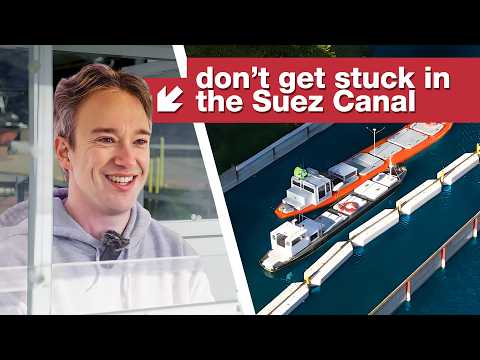
林宜悉 posted on 2025/06/17Ever wondered how tiny model ships can teach us so much about handling massive vessels? This video dives into the fascinating world of scale models and tugboat operations, showing you practical maritime scenarios and advanced vocabulary used by professionals. You'll get a hands-on feel for concepts like the 'Bank Effect' and learn how these simulations prepare pilots for real-world challenges!
Learn this video on the APP!
The VoiceTube App has more in-depth practice for videos!