
access
US /ˈæksɛs/
UK /'ækses/
- Noun (Countable/Uncountable)
- Way to enter a place, e.g. a station or stadium
- The opportunity or right to use something or to see someone.
- Transitive Verb
- To be able to use or have permission to use
A2TOEICMoreaffect
US /əˈfɛkt/
UK /ə'fekt/
- Transitive Verb
- To cause a change in something else
- To pretend to have or feel (something).
- Noun
- (Psychology) Emotion or feeling.
A2TOEICMoreangle
US /ˈæŋɡəl/
UK /ˈæŋgl/
- Noun
- Place where two lines or surfaces meet
B1TOEICMoreat least
US /æt list/
UK /æt li:st/
- Adverb
- As a minimum
- Not less than
- Phrase
- No less than; at the minimum
- Used to indicate that something is positive in a bad situation.
C2Moreat most
US /æt most/
UK /æt məust/
- Adverb
- Not more than; a maximum of.
- Phrase
- Used to indicate an upper limit or maximum quantity.
A1Moreauthentic
US /ɔˈθɛntɪk/
UK /ɔ:ˈθentɪk/
- Adjective
- From a reliable source; accurate; true
B1Moreavoid
US /əˈvɔɪd/
UK /ə'vɔɪd/
- Transitive Verb
- To prevent from happening
- To stay away from
A2TOEICMoreawkward
US /ˈɔkwəd/
UK /ˈɔ:kwəd/
- Adjective
- Lacking smooth movement
- Causing embarrassment or trouble
B1Moreblur
US /blɚ/
UK /blɜ:(r)/
- Transitive Verb
- To make something unclear or out of focus
- To dull the distinction between things
B2Morecharismatic
US /ˌkærɪzˈmætɪk/
UK /ˌkærɪzˈmætɪk/
- Adjective
- Able to attract and make them like you
B2Morecombine
US /kəmˈbaɪn/
UK /kəmˈbaɪn/
- Verb (Transitive/Intransitive)
- To mix several things together to form one thing
- To harvest by means of a combine.
- Noun (Countable/Uncountable)
- A harvesting machine for cutting, threshing, and cleaning grain.
- A mixture of different things.
A2Moredegree
US /dɪˈɡri/
UK /dɪˈgri:/
- Noun (Countable/Uncountable)
- Amount or extent of something
- Unit for measuring temperature or angles
A2TOEICMoredetermine
US /dɪˈtɚmɪn/
UK /dɪ'tɜ:mɪn/
- Transitive Verb
- To control exactly how something will be or act
- To establish the facts about; discover
A2TOEICMoredistance
US /ˈdɪstəns/
UK /'dɪstəns/
- Uncountable Noun
- Lack of friendliness toward another person
- Noun (Countable/Uncountable)
- Amount of space between two places or things
- A point or place that is far away.
A2Moredistinguish
US /dɪˈstɪŋɡwɪʃ/
UK /dɪˈstɪŋgwɪʃ/
- Transitive Verb
- To make something clearly different from others
- To make noticeable or different; to set apart.
A2TOEICMoredivide
US /dɪˈvaɪd/
UK /dɪ'vaɪd/
- Verb (Transitive/Intransitive)
- To split numbers by another number, e.g. 6 / 2 = 3
- To separate something into equal pieces
- Noun
- A separation or distinction.
A2TOEICMoreearpiece
US /ˈɪrpi:s/
UK /ˈɪəpi:s/
- Noun
- Part on a phone you put next to your ear to hear
C2Moreend up with
US
UK
- Phrasal Verb
- To have something as a result.
A1Moreequation
US /ɪˈkweʒən, -ʃən/
UK /ɪˈkweɪʒn/
- Noun (Countable/Uncountable)
- Mathematical statement showing things to be equal
- Complex set of different facts, ideas or issues
B1Moreessence
US /ˈɛsəns/
UK /'esns/
- Uncountable Noun
- Most important part or quality of something
- Substance that has a very strong, unique smell
B1TOEICMoreeyeball
US /ˈaɪˌbɔl/
UK /ˈaɪbɔ:l/
- Noun
- The round part of the eye
C2Morefor example
US
UK
- Phrase
- As an illustration or instance.
for the rest
US /fɔr ði rɛst/
UK /fɔ: ðə rest/
- Phrase
- Concerning the remaining people or things.
- During the remaining part of a period of time.
A1Moreframe
US /frem/
UK /freɪm/
- Transitive Verb
- To make a person that is not guilty appear guilty
- To put say or write something in a careful way
- Noun (Countable/Uncountable)
- Structure that holds a picture or photo
- A person's body shape determined by their skeleton
A2TOEICMorefrom side to side
US /frəm saɪd tu saɪd/
UK /frəm saɪd tə saɪd/
- other
- Moving left and right repeatedly.
A2Morehas over
US
UK
- Phrasal Verb
- To invite someone to your house.
- To have more than a certain number or amount.
A1Morehave to
US /hæv tu/
UK /ˈhæv tə/
- Auxiliary Verb
- Must do
A1Morein part
US /ɪn pɑrt/
UK /in pɑ:t/
- Adverb
- To some extent; partially.
A1Morein the frame
US /ɪn ðə ˈfreɪm/
UK /in ðə ˈfreɪm/
- other
- Believed to be involved or suspected in an event or crime.
- Being considered as a candidate or possibility.
B2Morelifetime
US /ˈlaɪfˌtaɪm/
UK /ˈlaɪftaɪm/
- Noun (Countable/Uncountable)
- The time between birth and death
- An opportunity that is unlikely to occur again.
- Adjective
- Lasting for the duration of someone's life or the existence of something.
B1Morelook at
US /lʊk æt/
UK /luk æt/
- Phrasal Verb
- To use your eyes to focus on something
- To focus your eyes on something carefully
A1Moremotion
US /ˈmoʃən/
UK /'məʊʃn/
- Noun (Countable/Uncountable)
- Suggestion at a meeting
- A movement; the process of moving
- Intransitive Verb
- To communicate by moving your head or hand
A2Moremove back
US /muv bæk/
UK /mu:v bæk/
- Phrasal Verb
- To retreat or withdraw from a position.
- To reposition or shift something to a previous location.
A2Morenarrow
US /ˈnæro/
UK /'nærəʊ/
- Adjective
- Not wide; short from one side to the other
- Limited; not broad in scope
- Intransitive Verb
- To become thinner or less wide
A2TOEICMoreof course
US /ʌv kɔː(r)s/
UK /ɔv kɔː(r)s/
- Adverb
- Sure ; Certainly
- Phrase
- For sure; certainly
A2Moreoff of
US /ɔf ʌv/
UK /ɔf ɔv/
- Preposition
- From a position on something; down from.
A1Moreout of frame
US /aʊt əv freɪm/
UK /aʊt əv freɪm/
- other
- Not appearing within the visible area of a photo or video.
B2Moreout there
US /aʊt ðɛr/
UK /aut ðɛə/
- Adverb
- In or to a place that is far away
- Existing in the universe
- Adjective
- Unconventional; strange; avant-garde
- Existing or available.
A1Moreoverkill
US /ˈoʊvərkɪl/
UK /ˈəʊvəkɪl/
- Verb (Transitive/Intransitive)
- To make an effort more than is necessary
- Uncountable Noun
- Doing far too much; more effort than is necessary
C1Moreparadox
US /ˈpærəˌdɑks/
UK /'pærədɒks/
- Noun
- Surprising statement containing two opposing ideas
B2Morepartially
US /ˈpɑ:rʃəli/
UK /ˈpɑ:ʃəli/
- Adverb
- In part; in some degree; not wholly
B1Morepass through
US /pæs θru/
UK /pɑ:s θru:/
- Phrasal Verb
- To experience something, often unpleasant or difficult.
- To go through something; to move from one side to the other of something.
A2Moreperspective
US /pɚˈspɛktɪv/
UK /pə'spektɪv/
- Noun (Countable/Uncountable)
- Artistic method of creating a sense of distance
- Ability to understand what is important in life
B1TOEICMoreradius
US /ˈrediəs/
UK /ˈreɪdiəs/
- Noun (Countable/Uncountable)
- Area around a certain point
- Countable Noun
- Long bone on the thumb side of your lower arm
- Line from the center to the edge of a circle
B2Morerather than
US
UK
- Adverb
- More exactly; more correctly
- Preferably; instead
- Preposition
- Instead of
A1Moreratio
US /ˈreɪʃioʊ/
UK /ˈreɪʃiəʊ/
- Noun (Countable/Uncountable)
- The relationship in relative size, etc.
- The quantitative relation between two amounts showing the number of times one value contains or is contained within the other.
C2Moreread out
US /rid aʊt/
UK /ri:d aut/
- Phrasal Verb
- To read something aloud so that other people can hear it.
- Verb (Transitive/Intransitive)
- To display a particular value or measurement.
- To retrieve and display data from a storage device.
A1Moreremain
US /rɪˈmen/
UK /rɪˈmeɪn/
- Intransitive Verb
- To be left behind; to continue to exist
- To stay in a place when other people have gone
A2TOEICMoreresolve
US /rɪˈzɑlv/
UK /rɪ'zɒlv/
- Verb (Transitive/Intransitive)
- To make a decision to do something
- To find an answer, solution to a problem/ question
- Uncountable Noun
- Firm determination to do something.
B1TOEICMorerotate
US /ˈroʊteɪt/
UK /rəʊˈteɪt/
- Verb (Transitive/Intransitive)
- To regularly change people who perform a role
- To regularly change the crops that grow in a field
B2Morerotation
US /roʊˈteɪʃn/
UK /rəʊˈteɪʃn/
- Uncountable Noun
- Regular change of the crops grown in a field
- Group who take turns performing a certain task
B2Moreroughly
US /ˈrʌflɪ/
UK /ˈrʌfli/
- Adverb
- Approximately; (of numbers) about; around
- In a manner that is violent or not careful
B1Morescript
US /skrɪpt/
UK /skrɪpt/
- Noun (Countable/Uncountable)
- Written text of a book, play, film, or speech
- Set of letters or characters of a written language
- Transitive Verb
- To write a text for a movie, play or speech
B1Moresharp
US /ʃɑrp/
UK /ʃɑ:p/
- Proper Noun
- Person's name
- Adjective
- Being very clear and easy to see
- (Of clothes) nicely or stylishly
A2TOEICMoresimultaneously
US /saɪməlˈtenɪəslɪ/
UK /ˌsɪməl'teɪnɪəslɪ/
- Adverb
- At the same time; all together
B2Moreslash
US /slæʃ/
UK /slæʃ/
- Noun (Countable/Uncountable)
- Line ( / ) used in writing
- Long, deep cut, caused by a sharp object
- Transitive Verb
- To cut violently with a sharp object
- To decrease something by a large amount
B2TOEICMoresponsor
US /ˈspɑ:nsə(r)/
UK /ˈspɒnsə(r)/
- Noun
- Person that supports the passage of a new law
- Person giving money for someone's education
- Transitive Verb
- To support the passage of a new law
- To help someone succeed by giving them money
B1TOEICMorespread out
US /sprɛd aʊt/
UK /spred aut/
- Phrasal Verb
- To extend or stretch over a large area.
- To arrange things so that they cover a large area.
B2Moreteleprompter
US /ˈteliprɑ:mptə(r)/
UK /ˈteliprɒmptə(r)/
- Noun
- Device showing words for announcer, etc. to read
C2Moretypical
US /ˈtɪpɪkəl/
UK /ˈtɪpɪkl/
- Adjective
- Normal; usual; expected
- Serving as a representative example of a particular type.
A2Moreunnatural
US /ʌnˈnætʃərəl/
UK /ʌnˈnætʃrəl/
- Adjective
- Not being what you would expect; not normal
- Being different from anything occurring in nature
B1Morevalentine
US /ˈvælənˌtaɪn/
UK /ˈvæləntaɪn/
- Noun
- The person you date on Valentine's Day
- A card or gift sent to a person one loves or is attracted to on Valentine's Day.
- Adjective
- Relating to Valentine's Day or romantic love.
B2Morevisibly
US /ˈvɪzɪblɪ/
UK /ˈvɪzəbli/
- Adverb
- So as to be seen or noticed
B1Morezoom
US /zum/
UK /zu:m/
- Noun
- Camera lens used to magnify images
- Intransitive Verb
- To move along or go somewhere very quickly
B1Morezoom out
US /zum aʊt/
UK /zu:m aut/
- Phrasal Verb
- To decrease the magnification of an image, showing more of the scene.
- To take a broader perspective; to consider the overall context.
Vocabulary
- have to: Must do
- at least: As a minimum
- off of: From a position on something; down from.
- for the rest: Concerning the remaining people or things.
- out there: In or to a place that is far away
- look at: To use your eyes to focus on something
- from side to side: Moving left and right repeatedly.
- end up with: To have something as a result.
- move back: To retreat or withdraw from a position.
- pass through: To experience something, often unpleasant or difficult.
- spread out: To extend or stretch over a large area.
- at most: Not more than; a maximum of.
- for example: As an illustration or instance.
- out of frame: Not appearing within the visible area of a photo or video.
- of course: Sure ; Certainly
- zoom out: To decrease the magnification of an image, showing more of the scene.
- in the frame: Believed to be involved or suspected in an event or crime.
- read out: To read something aloud so that other people can hear it.
- rather than: More exactly; more correctly
- in part: To some extent; partially.
- has over: To invite someone to your house.
- awkward: Lacking smooth movement
- perspective: Artistic method of creating a sense of distance
- authentic: From a reliable source; accurate; true
- access: Way to enter a place, e.g. a station or stadium
- simultaneously: At the same time; all together
- determine: To control exactly how something will be or act
- script: Written text of a book, play, film, or speech
- roughly: Approximately; (of numbers) about; around
- measure: Plan to achieve a desired result
- paradox: Surprising statement containing two opposing ideas
- divide: To split numbers by another number, e.g. 6 / 2 = 3
- field: Area of study, such as physics or biology
- avoid: To prevent from happening
- affect: To cause a change in something else
- frame: To make a person that is not guilty appear guilty
- remain: To be left behind; to continue to exist
- essence: Most important part or quality of something
- distinguish: To make something clearly different from others
- typical: Normal; usual; expected
- distance: Lack of friendliness toward another person
- charismatic: Able to attract and make them like you
- degree: Amount or extent of something
- equation: Mathematical statement showing things to be equal
- slash: Line ( / ) used in writing
- narrow: Not wide; short from one side to the other
- resolve: To make a decision to do something
- text: To send a message by phone or other device
- combine: To mix several things together to form one thing
- ratio: The relationship in relative size, etc.
- notice: To become aware by sight, touch, or hearing
- sharp: Person's name
- learn: To get knowledge or skills by study or experience
- control: A device designed to operate a machine
- partially: In part; in some degree; not wholly
- support: To give assistance or advice to someone
- motion: Suggestion at a meeting
- sponsor: Person that supports the passage of a new law
- blur: To make something unclear or out of focus
- rotation: Regular change of the crops grown in a field
- person: Man, woman or child
- start: First time or place that a thing exists; beginning
- wide: Having a great distance from one side to the other
- widely: To a large degree; over a large range
- side: To decide to agree with one point, not the other
- rotate: To regularly change people who perform a role
- human: A person; a man, woman or child
- lifetime: The time between birth and death
- angle: Place where two lines or surfaces meet
- view: Opinion, belief, or idea about something
- people: Persons sharing culture, country, background, etc.
- radius: Area around a certain point
- valentine: The person you date on Valentine's Day
- zoom: Camera lens used to magnify images
- visibly: So as to be seen or noticed
- unnatural: Not being what you would expect; not normal
- eyeball: The round part of the eye
- teleprompter: Device showing words for announcer, etc. to read
- overkill: To make an effort more than is necessary
- earpiece: Part on a phone you put next to your ear to hear
Get the full experience in the app
Learn anywhere with detailed sentence and usage analysis
01:03
She took a brave step forward, leaving behind her comfort zone to chase her dreams.
Vocabulary
- brave
adj. Having courage
- comfort zone
phr. A familiar situation where one feels safe
Explanation
a brave step is a noun phrase, where brave is an adjective modifying the noun step, meaning "a courageous step".
forward is an adverb modifying step, meaning "ahead".
The whole phrase serves as the object, answering the "what" of took (verb) — she took a brave step forward.
Get the full experience in the app
Look up words anytime with pronunciation, part of speech, and usage
brave
US/brev/
UK/breɪv/
adj.Brave
v.t.To bravely face
A2 Elementary
Get the full experience in the app
Practice speaking anytime and get instant pronunciation feedback
Try this speaking exercise.
Try practicing with this sentence.
80
0
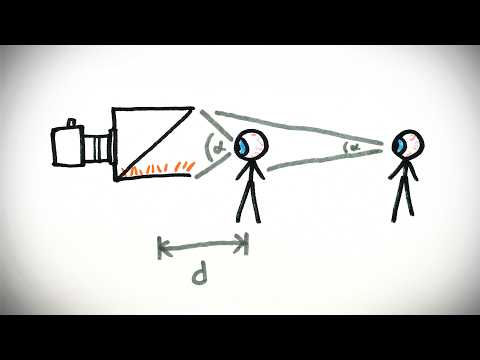
林宜悉 posted on 2025/06/17Ever wondered about the 'Teleprompter Paradox' and how eye motion affects reading? This video dives into the fascinating physics behind teleprompters, explaining the equation and offering practical tips for perfect delivery. You'll pick up some advanced vocabulary and learn how to master your on-screen presence!
Learn this video on the APP!
The VoiceTube App has more in-depth practice for videos!