
achieve
US /əˈtʃiv/
UK /ə'tʃi:v/
- Transitive Verb
- To succeed in doing good, usually by working hard
- To succeed in reaching a particular goal, status, or standard, often after effort or perseverance.
A2TOEICMoreadvice
US /əd'vaɪs/
UK /ədˈvaɪs/
- Uncountable Noun
- Suggestion about what would help someone
- Professional guidance from a lawyer or legal expert.
A2TOEICMoreanalysis
US /əˈnælɪsɪs/
UK /əˈnæləsɪs/
- Uncountable Noun
- Careful study to better understand something
B1TOEICMoreanticipate
US /ænˈtɪsəˌpet/
UK /æn'tɪsɪpeɪt/
- Transitive Verb
- To expect or look ahead to something positively
- To be aware of something that might happen
B1TOEICMoreas well as
US /æz wɛl æz/
UK /æz wel æz/
- Adverb
- Also; in addition to
- Preposition
- In addition to; and also.
A1Morebad habits
US
UK
- Noun (Countable/Uncountable)
- Negative or harmful routines or behaviors that are difficult to stop.
A1Morebased on
US
UK
- Phrasal Verb
- To use something as the foundation or starting point for something else.
- Preposition
- Using something as the main idea or foundation.
- Relying on something as evidence or justification.
A1Morebrilliant
US /ˈbrɪljənt/
UK /'brɪlɪənt/
- Adjective
- Having a great amount of intelligence or talent
- Being very bright, like a diamond; shining
- Noun
- A diamond or other gem cut in a particular form with many facets to have exceptional brilliance.
A2Morebroken leg
US /ˈbrokən lɛɡ/
UK /ˈbrəukən leɡ/
- Noun
- A fracture in one of the bones of the leg.
A2Morebuddha
US /ˈbudə, ˈbʊdə/
UK /ˈbʊdə/
- Proper Noun
- Someone achieving a state of perfect enlightenment
- Countable Noun
- A statue or image representing the Buddha.
C2Morecessation
US /sɛˈseʃən/
UK /seˈseɪʃn/
- Uncountable Noun
- The stopping of an activity
C1Morecolumn
US /ˈkɑ:ləm/
UK /ˈkɒləm/
- Noun (Countable/Uncountable)
- Regular series of articles in a newspaper/magazine
- Strong vertical stone pillar that holds up a roof
B1Morecome along
US /kʌm əˈlɔŋ/
UK /kʌm əˈlɔŋ/
- Phrasal Verb
- To go with someone who takes the lead
- To make progress toward a goal
A1Morecome from
US /kʌm frʌm/
UK /kʌm frɔm/
- Phrasal Verb
- To have as your native country or city
A1Morecomfort
US /ˈkʌmfət/
UK /'kʌmfət/
- Transitive Verb
- To try to make distressed person feel better
- Uncountable Noun
- Acts or words that reduce pain or sadness
- State of being relaxed, warm or happy
A2Morecongratulate
US /kənˈɡrætʃəˌlet, -ˈɡrædʒ-, kəŋ-/
UK /kən'grætjʊˌleɪt/
- Transitive Verb
- To say 'well done' to if a good thing happened
B2Moreconstantly
US /ˈkɑnstəntlɪ/
UK /ˈkɒnstəntli/
- Adverb
- Frequently, or without pause
- In a way that is unchanging or faithful
B1Morecontent
US /ˈkɑnˌtɛnt/
UK /'kɒntent/
- Adjective
- Being happy or satisfied
- In a state of peaceful happiness.
- Noun (Countable/Uncountable)
- Information in something, e.g. book or computer
- The subject matter of a book, speech, etc.
A2Morecraft
US /kræft/
UK /krɑ:ft/
- Transitive Verb
- To make by hand and with much skill
- Noun (Countable/Uncountable)
- Job requiring a worker to have specific skills
- Vehicle that travels on water or through the air
B1Moredatum
US /ˈdetəm, ˈdætəm, ˈdɑtəm/
UK /ˈdeɪtəm/
- Noun
- Item of factual information
B1Moredelusion
US /dɪˈluʒən/
UK /dɪˈlu:ʒn/
- Noun (Countable/Uncountable)
- False belief despite evidence to the contrary
- (Psychiatry) A persistent false belief held in the face of evidence to the contrary, especially as a symptom of mental illness.
B2Moredesire
US / dɪˈzaɪr/
UK /dɪ'zaɪə(r)/
- Transitive Verb
- To wish for, hope or want something
- Noun (Countable/Uncountable)
- Thing that is wished for or wanted
- A strong feeling of sexual wanting.
A2Moredue to
US /du tu/
UK /dju: tu:/
- Preposition
- Because of; owing to
- Adjective
- Attributable to; caused by.
A1Moreenlightenment
US /ɛnˈlaɪtn:mənt/
UK /ɪnˈlaɪtnmənt/
- Uncountable Noun
- State of having a lot of knowledge and wisdom
- The state of having knowledge or understanding; the act of giving someone knowledge or understanding.
B2TOEICMoreeventually
US /ɪˈvɛntʃuəli/
UK /ɪˈventʃuəli/
- Adverb
- After a long time; after many attempts; in the end
- At some later time; in the future
A2Moreevidence of
US
UK
- Phrase
- Facts, objects, or signs that make you believe that something is true.
- Something that shows that something else exists or is true.
A1Morefill out
US /fɪl aʊt/
UK /fil aut/
- Phrasal Verb
- To become fatter
- To complete a form by adding information needed
A1Morefor example
US
UK
- Phrase
- As an illustration or instance.
for free
US /fɔr fri/
UK /fɔ: fri:/
- Phrase
- Without charge; at no cost.
- Adjective
- Available without payment.
A2Morefrustration
US /frʌˈstreʃən/
UK /frʌ'streɪʃn/
- Noun (Countable/Uncountable)
- Annoyance because things don't go the way you want
- The prevention of the progress, success, or fulfillment of something.
B1Morefulfillment
US /fʊlˈfɪlmənt/
UK /fʊl'fɪlmənt/
- Uncountable Noun
- Feeling of satisfaction from achieving something
- The act of doing something that is necessary or that someone has asked you to do.
B2TOEICMorehave on
US /hæv ɑn/
UK /hæv ɔn/
- Phrasal Verb
- To be wearing something.
- To deceive or trick someone, often in a playful way.
A1Morehypothetically
US /ˌhaɪpə'θetɪklɪ/
UK /ˌhaɪpə'θetɪklɪ/
- Adverb
- In a hypothetical way; as an example
B2Moreignorance
US /ˈɪɡnərəns/
UK /ˈɪgnərəns/
- Uncountable Noun
- Lack of information or knowledge about something
- Deliberate avoidance of knowledge or information.
B1TOEICMorein a sense
US /ɪn e sɛns/
UK /in ə sens/
- Phrase
- In one way of thinking; to some extent; in some ways.
B1Morein other words
US
UK
- Phrase
- Stating something in a different way, often to make it clearer or more understandable.
in the future
US /ɪn ði ˈfjutʃɚ/
UK /in ðə ˈfju:tʃə/
- Phrase
- At a later time; in times to come.
A1Moreincorporate
US /ɪnˈkɔrpəˌret/
UK /ɪn'kɔ:pəreɪt/
- Transitive Verb
- To form into a company or business corporation
- To include or involve as part of something else
A2Moreincorporate into
US
UK
- Phrasal Verb
- To include something as part of a larger thing.
C2Moreincredibly
US /ɪnˈkrɛdəblɪ/
UK /ɪnˈkredəbli/
- Adverb
- To a great degree; very; amazingly
- Extremely; so much so it is hard to believe
A2Moreinvade
US /ɪnˈved/
UK /ɪnˈveɪd/
- Transitive Verb
- To enter something causing a harmful result
- To enter (a country or region) so as to subjugate or occupy it.
B1Morelead to
US /lid tu/
UK /li:d tu:/
- Phrasal Verb
- To result in some action
- Verb (Transitive/Intransitive)
- To have something as a consequence or result.
A1Moreovercome
US /ˌovɚˈkʌm/
UK /ˌəʊvə'kʌm/
- Transitive Verb
- To succeed in a struggle against; defeat
- Participle
- Past participle of overcome; to have successfully dealt with or controlled a problem or feeling.
A2TOEICMoreparse
US /pɑ:rs/
UK /pɑ:z/
- Transitive Verb
- To analyze component parts of speech
C1Moreperceive
US /pɚˈsiv/
UK /pə'si:v/
- Transitive Verb
- To notice or become aware of something
- To think of someone or something in a certain way
B1TOEICMorephysical
US /ˈfɪzɪkəl/
UK /ˈfɪzɪkl/
- Countable Noun
- Health check at the doctors' or hospital
- Adjective
- Concerning the body of a person
- Concerning things that can be seen or touched
A2Morepractice
US /ˈpræktɪs/
UK /'præktɪs/
- Noun
- The office and place for legal or medical work
- Doing something many times to become better at it
- Verb (Transitive/Intransitive)
- To work as a doctor or lawyer
- To live according to the teachings of a religion
A2TOEICMoreprevent
US /prɪˈvɛnt/
UK /prɪ'vent/
- Transitive Verb
- To stop something from happening or existing
A2TOEICMoreprevention
US /prɪˈvɛnʃən/
UK /prɪˈvenʃn/
- Uncountable Noun
- Act of stopping something bad from happening
B1Morereality
US /riˈælɪti/
UK /rɪ'ælətɪ/
- Noun (Countable/Uncountable)
- What is true, as opposed to what is imagined
- The state of things as they actually exist, rather than as they may appear or might be imagined.
A2Moreregression
US /rɪˈɡrɛʃən/
UK /rɪˈgreʃn/
- Uncountable Noun
- Going back in time or development
B2Morerestrain
US /rɪˈstren/
UK /rɪ'streɪn/
- Transitive Verb
- To limit, restrict, or keep under control
- To keep someone or something under control; to prevent from freedom of movement or action.
B1Moreseemingly
US /ˈsiːmɪŋli/
UK /ˈsi:mɪŋli/
- Adverb
- Appearing to be but may not actually be; probably
B1Morespiral
US /ˈspaɪrəl/
UK /'spaɪrəl/
- Noun
- A continuous curve round a central point
- Intransitive Verb
- To move in a continuous curve round a point
B2Moresubjective
US /səbˈdʒɛktɪv/
UK /səbˈdʒektɪv/
- Adjective
- Using personal feelings and opinions not facts
C1Moresuffer
US / ˈsʌfɚ/
UK /'sʌfə(r)/
- Verb (Transitive/Intransitive)
- To experience pain, illness, or injury
- To allow or permit something, especially something unpleasant.
A2Moresuite
US /swit/
UK /swi:t/
- Noun
- Group of several shorter pieces of music
- Set of rooms used for a particular purpose
B2TOEICMoresustain
US /səˈsten/
UK /sə'steɪn/
- Transitive Verb
- To lengthen or continue to do something
- To support or maintain someone or something
B2TOEICMoreto let
US /tu lɛt/
UK /tu let/
- Preposition
- Indicates that a property is available for rent.
A2Moretorture
US /ˈtɔrtʃɚ/
UK /'tɔ:tʃə(r)/
- Noun (Countable/Uncountable)
- Hurting someone to force them to give information
- Painful suffering or distress
- Transitive Verb
- To painfully hurt someone to get information
- To cause someone to suffer greatly; torment
B2Moretragedy
US /ˈtrædʒɪdi/
UK /'trædʒədɪ/
- Noun
- Play that has a sad ending with many deaths
- Very sad event that usually involves death
B1Morevisualization
US /ˌvɪʒʊəlɪˈzeʃən/
UK /ˌvɪʒʊəlaɪ'zeɪʃn/
- Uncountable Noun
- Act of creating an image in your mind
C1Morevisualize
US /ˈvɪʒuəˌlaɪz/
UK /ˈvɪʒuəlaɪz/
- Transitive Verb
- To create a picture in your mind of something
B1Morewrite down
US /raɪt daʊn/
UK /rait daun/
- Phrasal Verb
- To record in writing
A1More
Vocabulary
- lead to: To result in some action
- broken leg: A fracture in one of the bones of the leg.
- have on: To be wearing something.
- based on: To use something as the foundation or starting point for something else.
- in other words: Stating something in a different way, often to make it clearer or more understandable.
- fill out: To become fatter
- in a sense: In one way of thinking; to some extent; in some ways.
- due to: Because of; owing to
- come from: To have as your native country or city
- to let: Indicates that a property is available for rent.
- come along: To go with someone who takes the lead
- in the future: At a later time; in times to come.
- evidence of: Facts, objects, or signs that make you believe that something is true.
- incorporate into: To include something as part of a larger thing.
- write down: To record in writing
- bad habits: Negative or harmful routines or behaviors that are difficult to stop.
- as well as: Also; in addition to
- for example: As an illustration or instance.
- for free: Without charge; at no cost.
- constantly: Frequently, or without pause
- perceive: To notice or become aware of something
- eventually: After a long time; after many attempts; in the end
- incredibly: To a great degree; very; amazingly
- content: Being happy or satisfied
- physical: Health check at the doctors' or hospital
- practice: The office and place for legal or medical work
- effective: Working efficiently to produce a desired result
- brilliant: Having a great amount of intelligence or talent
- develop: To explain something in steps and in detail
- achieve: To succeed in doing good, usually by working hard
- reality: What is true, as opposed to what is imagined
- incorporate: To form into a company or business corporation
- frustration: Annoyance because things don't go the way you want
- prevent: To stop something from happening or existing
- desire: To wish for, hope or want something
- overcome: To succeed in a struggle against; defeat
- advice: Suggestion about what would help someone
- suffer: To experience pain, illness, or injury
- sustain: To lengthen or continue to do something
- craft: To make by hand and with much skill
- comfort: To try to make distressed person feel better
- seemingly: Appearing to be but may not actually be; probably
- anticipate: To expect or look ahead to something positively
- visualize: To create a picture in your mind of something
- tragedy: Play that has a sad ending with many deaths
- fulfillment: Feeling of satisfaction from achieving something
- torture: Hurting someone to force them to give information
- lead: Wire for electricity, computer, etc.; cable
- break: To create a new record e.g. running the 100m dash
- delusion: False belief despite evidence to the contrary
- enlightenment: State of having a lot of knowledge and wisdom
- spiral: A continuous curve round a central point
- analysis: Careful study to better understand something
- pain: Strong feeling of hurt or discomfort
- learn: To get knowledge or skills by study or experience
- column: Regular series of articles in a newspaper/magazine
- invade: To enter something causing a harmful result
- event: Any social gathering; occasion; planned activity
- subjective: Using personal feelings and opinions not facts
- fill: To make something full
- protect: To defend someone or something from harm or danger
- great: Very good; better than before
- future: Time that is to come after the present
- ignorance: Lack of information or knowledge about something
- suite: Group of several shorter pieces of music
- case: Container used to carry things, e.g. clothes
- life: All the living things e.g. animals, plants, humans
- nature: Person's character or particular way of behaving
- ride: Machine at an amusement park for riding on for fun
- restrain: To limit, restrict, or keep under control
- visualization: Act of creating an image in your mind
- datum: Item of factual information
- prevention: Act of stopping something bad from happening
- hypothetically: In a hypothetical way; as an example
- cessation: The stopping of an activity
- buddha: Someone achieving a state of perfect enlightenment
- parse: To analyze component parts of speech
- congratulate: To say 'well done' to if a good thing happened
- regression: Going back in time or development
Get the full experience in the app
Learn anywhere with detailed sentence and usage analysis
01:03
She took a brave step forward, leaving behind her comfort zone to chase her dreams.
Vocabulary
- brave
adj. Having courage
- comfort zone
phr. A familiar situation where one feels safe
Explanation
a brave step is a noun phrase, where brave is an adjective modifying the noun step, meaning "a courageous step".
forward is an adverb modifying step, meaning "ahead".
The whole phrase serves as the object, answering the "what" of took (verb) — she took a brave step forward.
Get the full experience in the app
Look up words anytime with pronunciation, part of speech, and usage
brave
US/brev/
UK/breɪv/
adj.Brave
v.t.To bravely face
A2 Elementary
Get the full experience in the app
Practice speaking anytime and get instant pronunciation feedback
Try this speaking exercise.
Try practicing with this sentence.
80
0
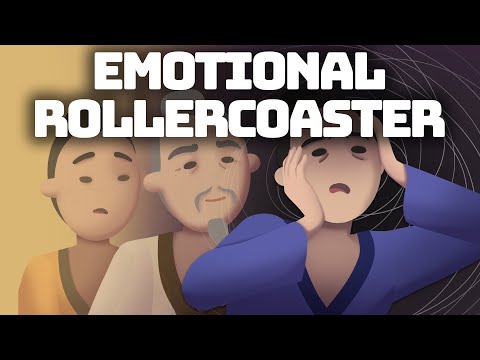
林宜悉 posted on 2025/06/17Ever feel like you're on an emotional rollercoaster? This brilliant video uses a fascinating Taoist parable to explore non-attachment and radical gratitude, helping you find more peace. You'll pick up advanced vocabulary and practical insights for personal growth!
Learn this video on the APP!
The VoiceTube App has more in-depth practice for videos!