
anxiety
US /æŋˈzaɪɪti/
UK /æŋ'zaɪətɪ/
- Uncountable Noun
- A feeling of worry, nervousness, or unease about something that might happen, especially when the outcome is uncertain.
B1Moreat bay
US /æt be/
UK /æt bei/
- Phrase
- Kept at a distance; held back.
A1Morebreed
US /brid/
UK /bri:d/
- Noun
- Kind of / sort of
- Particular kind of animal, e.g. a Labrador dog
- Verb (Transitive/Intransitive)
- To create situations for a (bad) thing to happen
- To produce baby animals of specific kinds
A2Morecattle
US /ˈkætl/
UK /ˈkætl/
- Noun (Countable/Uncountable)
- Cows or bulls on a farm
- Individual animals of the bovine species.
B1Morecomfort
US /ˈkʌmfət/
UK /'kʌmfət/
- Transitive Verb
- To try to make distressed person feel better
- Uncountable Noun
- Acts or words that reduce pain or sadness
- State of being relaxed, warm or happy
A2Morecompanionship
US /kəmˈpænjənˌʃɪp/
UK /kəmˈpæniənʃɪp/
- Uncountable Noun
- Good feeling from being with someone else
B1Morecreep
US /krip/
UK /kri:p/
- Intransitive Verb
- To move quietly so as not to be seen
- Countable Noun
- Scary or disliked person
B1Morecrime
US /kraɪm/
UK /kraɪm/
- Noun (Countable/Uncountable)
- Act that is believed to be a mistake or foolish
- Act that is against the law; murder, theft etc.
A2Moredepend
US /dɪˈpend/
UK /dɪˈpend/
- Verb (Transitive/Intransitive)
- Be controlled or determined by (someone/something)
- To rely on someone or something for support, help, or existence.
B1TOEICMoredepression
US /dɪˈprɛʃən/
UK /dɪ'preʃn/
- Noun (Countable/Uncountable)
- Medical condition of a lack of vitality
- Period of unemployment and low economic activity
B2Moredetect
US /dɪˈtɛkt/
UK /dɪˈtekt/
- Transitive Verb
- To discover or identify the presence of something
A2TOEICMorediversity
US /dɪˈvə:sɪti, daɪ-/
UK /daɪ'vɜ:sətɪ/
- Noun (Countable/Uncountable)
- Having a range of different races, ideas etc.
- A range of different things.
B1TOEICMoredown with
US /daʊn wɪð/
UK /daun wið/
- Adjective
- Suffering from an illness.
- Agreeable to; in favor of.
- Interjection
- An expression of opposition to something.
A1Moreemotional
US /ɪˈmoʃənəl/
UK /ɪˈməʊʃənl/
- Adjective
- Causing, feeling, or appealing to the emotions
- Relating to or characterized by emotion
A2Moreevolve
US /ɪˈvɑlv/
UK /ɪ'vɒlv/
- Verb (Transitive/Intransitive)
- To develop certain features
- To develop or change slowly over time
B1Morefirst off
US /fɚst ɔf/
UK /fə:st ɔf/
- Phrase
- To begin with; firstly.
- Most importantly; above all else.
A1Moregreet
US /ɡrit/
UK /gri:t/
- Transitive Verb
- To meet with friendly words and actions; welcome
B1Morehave to
US /hæv tu/
UK /ˈhæv tə/
- Auxiliary Verb
- Must do
A1Morehuge
US /hjudʒ/
UK /hju:dʒ/
- Adjective
- Very very large
A2Moreimpact
US /ˈɪmˌpækt/
UK /'ɪmpækt/
- Noun
- A striking effect or result to hit with force
- Act or force of one thing hitting something else
- Verb (Transitive/Intransitive)
- To hit or strike someone or something with force
- To have a strong effect on someone or something.
A2TOEICMorein future
US /ɪn ˈfjutʃɚ/
UK /ɪn ˈfju:tʃə/
- Preposition
- At a time yet to come; from now onwards.
A2Morein ways
US
UK
- Phrase
- In a manner or by methods that.
- In certain respects or aspects.
A1Moreintelligence
US /ɪnˈtɛlədʒəns/
UK /ɪn'telɪdʒəns/
- Uncountable Noun
- Collection of secret information about something
- Ability to learn things or to consider situations
- Adjective
- Of the spying services; acting in secrecy
A2TOEICMorekitty
US /ˈkɪti/
UK /'kɪtɪ/
- Countable Noun
- Amount of money a group of people share
- Money contributed for expenses by group of people
- Proper Noun
- Person's name
B2Morelifeline
US /ˈlaɪfˌlaɪn/
UK /'laɪflaɪn/
- Noun
- Rope or cord used to attach a person to a boat
C1Morelivestock
US /ˈlaɪvˌstɑk/
UK /ˈlaɪvstɒk/
- Noun (Countable/Uncountable)
- Any animals kept for use or profit
B2Moreloneliness
US /ˈlonlɪnɪs/
UK /'ləʊnlɪnəs/
- Uncountable Noun
- State of feeling sad because you are alone
- A feeling of being isolated from others, even when surrounded by people.
B2Moreloyalty
US /ˈlɔɪəlti/
UK /ˈlɔɪəlti/
- Uncountable Noun
- Complete and sustained support for person, thing
- Allegiance or devotion to a person, cause, or country.
B2TOEICMoremess
US /mɛs/
UK /mes/
- Noun (Countable/Uncountable)
- Something that is untidy, dirty or unclean
- A difficult or confused situation.
- Transitive Verb
- To make something untidy or dirty
A2Moremilitary
US /ˈmɪlɪˌtɛri/
UK /'mɪlətrɪ/
- Noun
- Army or armed forces
- Adjective
- Concerning the army or navy
B1Moremove closer
US
UK
- Verb (Transitive/Intransitive)
- To reduce the distance between two objects or people.
- To develop a more intimate or involved relationship.
A1Moremultiply
US /ˈmʌltəˌplaɪ/
UK /ˈmʌltɪplaɪ/
- Verb (Transitive/Intransitive)
- To increase in number by reproducing/having babies
- To increase something by a large quantity
B1Morenext to
US /nɛkst tu/
UK /nekst tu:/
- Preposition
- Being located along side another
- In comparison with
- Adverb
- Almost; nearly
A1Moreof course
US /ʌv kɔː(r)s/
UK /ɔv kɔː(r)s/
- Adverb
- Sure ; Certainly
- Phrase
- For sure; certainly
A2Moreorganic
US /ɔrˈɡænɪk/
UK /ɔ:ˈgænɪk/
- Adjective
- Developing naturally and without a set structure
- Concerning food made with few or no chemicals
B1Morepile
US /paɪl/
UK /paɪl/
- Noun (Countable/Uncountable)
- Large amount of something
- Group of things one on top of another
- Verb (Transitive/Intransitive)
- (E.g. of problems) to increase; get more or worse
- To place things on top of each other; to heap up.
B1TOEICMorepile up
US /paɪl ʌp/
UK /pail ʌp/
- Phrasal Verb
- To put things on top of each other to form a pile
- To increase in quantity or amount.
- Verb (Transitive/Intransitive)
- To accumulate or increase in quantity.
B1Morepresence
US /ˈprɛzəns/
UK /ˈprezns/
- Noun
- The same place or area that a person is
- Ability to reach a market, group of people etc.
A2Moreprevent
US /prɪˈvɛnt/
UK /prɪ'vent/
- Transitive Verb
- To stop something from happening or existing
A2TOEICMorereinvent
US /ˌriɪnˈvɛnt/
UK /ˌri:ɪn'vent/
- Transitive Verb
- To present something in a new and interesting way
- To create again or anew; to remake or renovate completely.
B1Morerely on
US /rɪˈlaɪ ɑn/
UK /riˈlai ɔn/
- Phrasal Verb
- To depend on someone or something
A2Morerot
US /rɑ:t/
UK /rɒt/
- Intransitive Verb
- To break down into pieces through dying; decay
- Uncountable Noun
- The process or state of decaying or rotting.
- Foolish or nonsensical talk or ideas.
B2Morescientific
US /ˌsaɪənˈtɪfɪk/
UK /ˌsaɪənˈtɪfɪk/
- Adjective
- Concerning academic study of the physical world
- Systematic and precise, following a methodology.
- Noun
- Relating to or used in science.
A2Moreshift
US /ʃɪft/
UK /ʃɪft/
- Verb (Transitive/Intransitive)
- To change in position or direction
- To move something from one place to another
- Noun (Countable/Uncountable)
- A change in a persons plans, opinions or beliefs
- Period of work starting at a certain time
A2Moresketch
US /skɛtʃ/
UK /sketʃ/
- Noun
- Brief account of something without many details
- A drawing made quickly that lacks detail
- Transitive Verb
- To make a rough plan or idea of something
- To draw images roughly with a pencil
B1Moresniff
US /snɪf/
UK /snɪf/
- Verb (Transitive/Intransitive)
- To detect something, e.g. a potential problem
- To breathe in noisily through nose, as when crying
- Noun
- A noisy breath through your nose
B1Moresniff out
US /snɪf aʊt/
UK /snif aut/
- Phrasal Verb
- To discover something by using your nose; to detect or find something.
A1Morespread
US /sprɛd/
UK /spred/
- Noun (Countable/Uncountable)
- A big meal, often laid out as a buffet
- The distance between two things
- Verb (Transitive/Intransitive)
- To place over a large area; to cover a large area
- (Of ideas, gossip) to pass to and affect others
A2TOEICMorestray
US /stre/
UK /streɪ/
- Intransitive Verb
- To deviate or go away from the established norm
- Noun
- Someone or something that is lost, e.g. a dog
B2TOEICMoretoll
US /tol/
UK /təʊl/
- Noun (Countable/Uncountable)
- Sound that a big bell makes, when it is rung
- Number of people hurt or killed in a disaster
- Intransitive Verb
- (Bell) to ring in a slow, loud and repeated way
B2TOEICMorewealth
US /wɛlθ/
UK /welθ/
- Uncountable Noun
- Amount of money or possessions you own, e.g. large
A2TOEICMorewith it
US /wɪð ɪt/
UK /wið it/
- Adjective
- Intelligent, alert, and up-to-date.
- Understanding and knowledgeable about current trends or information.
A1More
Vocabulary
- next to: Being located along side another
- first off: To begin with; firstly.
- pile up: To put things on top of each other to form a pile
- at bay: Kept at a distance; held back.
- move closer: To reduce the distance between two objects or people.
- in ways: In a manner or by methods that.
- sniff out: To discover something by using your nose; to detect or find something.
- rely on: To depend on someone or something
- have to: Must do
- down with: Suffering from an illness.
- with it: Intelligent, alert, and up-to-date.
- of course: Sure ; Certainly
- in future: At a time yet to come; from now onwards.
- anxiety: A feeling of worry, nervousness, or unease about something that might happen, especially when the outcome is uncertain.
- depression: Medical condition of a lack of vitality
- impact: A striking effect or result to hit with force
- presence: The same place or area that a person is
- evolve: To develop certain features
- intelligence: Collection of secret information about something
- mess: Something that is untidy, dirty or unclean
- emotional: Causing, feeling, or appealing to the emotions
- spread: A big meal, often laid out as a buffet
- prevent: To stop something from happening or existing
- shift: To change in position or direction
- industry: Hard work; being busy working
- military: Army or armed forces
- toll: Sound that a big bell makes, when it is rung
- pile: Large amount of something
- comfort: To try to make distressed person feel better
- diversity: Having a range of different races, ideas etc.
- huge: Very very large
- scientific: Concerning academic study of the physical world
- breed: Kind of / sort of
- loyalty: Complete and sustained support for person, thing
- throw: To use your arm to make something fly in the air
- lead: Wire for electricity, computer, etc.; cable
- break: To create a new record e.g. running the 100m dash
- organic: Developing naturally and without a set structure
- sniff: To detect something, e.g. a potential problem
- wealth: Amount of money or possessions you own, e.g. large
- detect: To discover or identify the presence of something
- crime: Act that is believed to be a mistake or foolish
- lot: What happens to a person in life from chance; fate
- depend: Be controlled or determined by (someone/something)
- creep: To move quietly so as not to be seen
- livestock: Any animals kept for use or profit
- offer: Price you say you are willing to pay for something
- learn: To get knowledge or skills by study or experience
- multiply: To increase in number by reproducing/having babies
- rot: To break down into pieces through dying; decay
- sketch: Brief account of something without many details
- fill: To make something full
- protect: To defend someone or something from harm or danger
- companionship: Good feeling from being with someone else
- reinvent: To present something in a new and interesting way
- loneliness: State of feeling sad because you are alone
- greet: To meet with friendly words and actions; welcome
- cattle: Cows or bulls on a farm
- possibly: May be true or likely, but is uncertain
- hard: Difficult to do; difficult to understand
- fast: In a way that is difficult to move or change
- stray: To deviate or go away from the established norm
- understand: To know the meaning of language, what someone says
- world: All the humans, events, activities on the earth
- disappear: To no longer see because it's not there any more
- lifeline: Rope or cord used to attach a person to a boat
- kitty: Amount of money a group of people share
Get the full experience in the app
Learn anywhere with detailed sentence and usage analysis
01:03
She took a brave step forward, leaving behind her comfort zone to chase her dreams.
Vocabulary
- brave
adj. Having courage
- comfort zone
phr. A familiar situation where one feels safe
Explanation
a brave step is a noun phrase, where brave is an adjective modifying the noun step, meaning "a courageous step".
forward is an adverb modifying step, meaning "ahead".
The whole phrase serves as the object, answering the "what" of took (verb) — she took a brave step forward.
Get the full experience in the app
Look up words anytime with pronunciation, part of speech, and usage
brave
US/brev/
UK/breɪv/
adj.Brave
v.t.To bravely face
A2 Elementary
Get the full experience in the app
Practice speaking anytime and get instant pronunciation feedback
Try this speaking exercise.
Try practicing with this sentence.
80
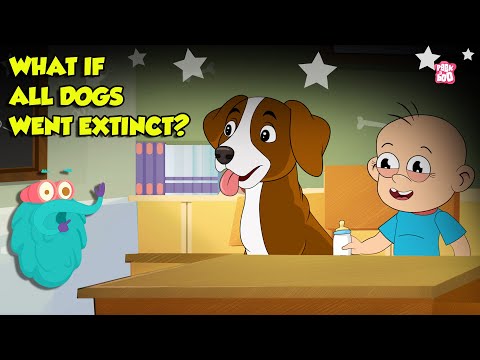
What if All Dogs Disappeared? | If Dogs went Extinct | Importance of Dogs | Dr. Binocs Show
0
麥嘉莉 posted on 2025/06/12Ever wondered what a world without our furry best friends would be like? This fun video explores the surprising impact dogs have on everything from our ecosystems to the economy, and you'll pick up some fascinating new vocabulary along the way!
Learn this video on the APP!
The VoiceTube App has more in-depth practice for videos!