
agenda
US /əˈdʒɛndə/
UK /ə'dʒendə/
- Noun (Countable/Uncountable)
- Plan or policy to achieve your goal or intentions
- Outcome you want to happen but do not reveal
B1TOEICMoreambiguity
US /ˌæmbɪˈɡjuɪti/
UK /ˌæmbɪ'ɡju:ətɪ/
- Uncountable Noun
- State of being confusing, uncertain or unclear
B2TOEICMoreat least
US /æt list/
UK /æt li:st/
- Adverb
- As a minimum
- Not less than
- Phrase
- No less than; at the minimum
- Used to indicate that something is positive in a bad situation.
C2Moreat sea
US /æt si/
UK /æt si:/
- Phrase
- Adjective
- Confused; not knowing what to do.
A1Morecivilian
US /sɪˈvɪljən/
UK /sə'vɪlɪən/
- Countable Noun
- Ordinary person who is not in the army
- Adjective
- Relating to civilians; not military.
B2Moreclaim
US /klem/
UK /kleɪm/
- Noun (Countable/Uncountable)
- To say that something is true, often without proof.
- A statement that something is true.
- Transitive Verb
- To demand or ask for something that you believe is rightfully yours.
- To take or cause the loss of (e.g., a life, property).
A2Moreconduct
US / kənˈdʌkt/
UK /kənˈdʌkt/
- Uncountable Noun
- Your behavior
- Verb (Transitive/Intransitive)
- To behave in a certain way; e.g. at a party
- To let electricity or heat travel through
B1TOEICMoreconflict
US /ˈkɑnˌflɪkt/
UK /'kɒnflɪkt/
- Noun (Countable/Uncountable)
- Argument or struggle between two or more parties
- A serious disagreement or argument.
- Verb (Transitive/Intransitive)
- To have opposite ideas; to disagree; To not match
A2Morecripple
US /ˈkrɪpəl/
UK /'krɪpl/
- Transitive Verb
- To hurt and make useless
- Noun
- (rude) Disabled person
B2Moredefend
US /dɪˈfɛnd/
UK /dɪ'fend/
- Transitive Verb
- To protect and explain your position in court
- To protect against an attack
B1TOEICMoredeploy
US /dɪˈplɔɪ/
UK /dɪˈplɔɪ/
- Transitive Verb
- To put into position (often a military operation)
- To put something into use or action.
B1TOEICMoredrag
US /dræɡ/
UK /dræɡ/
- Transitive Verb
- To reluctantly move or go somewhere
- To pull something heavy or difficult along the ground
- Noun (Countable/Uncountable)
- Force of air pushing back against a plane car etc.
- Boring or annoying thing/activity
A2Moredrag in
US /dræɡ ɪn/
UK /dræɡ ɪn/
- other
- To arrive somewhere reluctantly or heavily, often tired or late.
B2Moreenforcement
US /ɪn'fɔ:smənt/
UK /ɪn'fɔ:smənt/
- Uncountable Noun
- Process of making sure that rules are followed
- The act of compelling observance of or compliance with a law, rule, or obligation.
B1Moreerosion
US /ɪˈrəʊʒ(ə)n/
UK /ɪ'rəʊʒn/
- Uncountable Noun
- Process of wearing away by water, wind, or ice
- The gradual destruction or diminution of something.
B1Moreflood
US /flʌd/
UK /flʌd/
- Verb (Transitive/Intransitive)
- To quickly appear unexpectedly and in volume
- (Of liquid) to fill or cover something completely
- Noun (Countable/Uncountable)
- A quick unexpectedly volume of something
- Large number of people or things arriving at once
B1Moreglory
US /ˈɡlɔri, ˈɡlori/
UK /'ɡlɔ:rɪ/
- Uncountable Noun
- State of having respect, honor or pride
- Condition of great beauty, success, or influence
B1Moregrid
US /ɡrɪd/
UK /ɡrɪd/
- Noun
- Electrical network supplying electricity to area
- Metal structure with bars used to cover a hole
- Transitive Verb
- To mark with a grid.
B2Moreguard
US /ɡɑrd/
UK /ɡɑ:d/
- Transitive Verb
- To keep watch over something to protect it
- Noun (Countable/Uncountable)
- Someone who watches a place or prevents escapes
- A player in basketball whose primary role is to handle the ball and initiate the offense.
A2Morehave to
US /hæv tu/
UK /ˈhæv tə/
- Auxiliary Verb
- Must do
A1Moreincident
US / ˈɪnsɪdənt/
UK /ˈɪnsɪdənt/
- Noun (Countable/Uncountable)
- Event, usually unusual or important; accident
- A political event that causes difficulties.
A2Moreinterrupt
US /ˌɪntəˈrʌpt/
UK /ˌɪntə'rʌpt/
- Verb (Transitive/Intransitive)
- To stop something from happening for a while
- To stop someone from speaking by saying or doing something.
- Noun
- A signal that stops a computer from working on one thing and starts it working on something else.
B1TOEICMoreinvade
US /ɪnˈved/
UK /ɪnˈveɪd/
- Transitive Verb
- To enter something causing a harmful result
- To enter (a country or region) so as to subjugate or occupy it.
B1Moreinvasion
US /ɪnˈveʒən/
UK /ɪnˈveɪʒn/
- Uncountable Noun
- Entry into a place to cause harm
- An unwelcome intrusion into another's domain.
B1Moreknock out
US /nɑk aʊt/
UK /nɔk aut/
- Phrasal Verb
- To hit and make unconscious
- To defeat someone so decisively that they cannot continue.
- Verb (Transitive/Intransitive)
- To defeat someone so decisively that they are unable to continue.
- To destroy or disable something, especially a piece of equipment.
A2Moreliberation
US /ˌlɪbəˈreʃən/
UK /ˌlɪbə'reɪʃn/
- Uncountable Noun
- Act of setting someone or something free
B2Moremake up
US /mek ʌp/
UK /meik ʌp/
- Phrasal Verb
- To invent or create a story
- To add up to
- Verb (Transitive/Intransitive)
- To invent a story, excuse, etc.
- To compensate for something lost, missed, or deficient.
A1Moremaritime
US /ˈmærɪˌtaɪm/
UK /ˈmærɪtaɪm/
- Adjective
- Concerning sailing, ships
- Being next to or near the sea
- Noun
- The branch of law concerning ships and shipping.
B2Moremilitary
US /ˈmɪlɪˌtɛri/
UK /'mɪlətrɪ/
- Noun
- Army or armed forces
- Adjective
- Concerning the army or navy
B1Moremotherland
US /ˈmʌðɚlænd/
UK /ˈmʌðəlænd/
- Noun
- Country where you were born
C2Moreof late
US
UK
- Phrase
- Recently; lately.
A1Morepillar
US /ˈpɪlɚ/
UK /ˈpɪlə(r)/
- Countable Noun
- Tall strong post that supports a building
B2Morepolicy
US /ˈpɑlɪsi/
UK /'pɒləsɪ/
- Noun
- Document stating terms of an insurance agreement
- Course of action proposed by an organization, etc.
A2TOEICMorepolicymaker
US /'pɒləsɪˌmeɪkə/
UK /'pɒləsɪmeɪkə(r)/
- Noun
- Someone who makes and decides (government) plans
C2Morepresident
US /ˈprɛzɪdənt,-ˌdɛnt/
UK /ˈprezɪdənt/
- Noun
- Person in charge of a country, or organization
- The highest-ranking executive in a corporation or organization.
A2TOEICMorepressure
US /ˈprɛʃɚ/
UK /'preʃə(r)/
- Noun (Countable/Uncountable)
- Anxiety caused by difficult problems
- Force, weight when pressing against a thing
- Transitive Verb
- To apply force to something
- To persuade or force someone to do something
A2TOEICMoreprovoke
US /prəˈvoʊk/
UK /prəˈvəʊk/
- Transitive Verb
- To deliberately annoy to make someone aggressive
B2TOEICMorequarantine
US /ˈkwɔrənˌtin, ˈkwɑr-/
UK /'kwɒrənti:n/
- Transitive Verb
- To isolate ill people to prevent disease spreading
- Noun (Countable/Uncountable)
- The place to isolate sick plants, animals
C1Morerely
US /rɪˈlaɪ/
UK /rɪ'laɪ/
- Intransitive Verb
- Depend on with full trust or confidence
- To trust or have confidence in someone.
B2TOEICMorerely on
US /rɪˈlaɪ ɑn/
UK /riˈlai ɔn/
- Phrasal Verb
- To depend on someone or something
A2Moreresponse
US /rɪˈspɑns/
UK /riˈspɔns/
- Noun
- Something said/written as an answer to something
- Reaction to something that has occurred
A2TOEICMorereunification
US /ˌrijunəfəˈkeʃən/
UK /ˌri:ˌju:nɪfɪ'keɪʃn/
- Uncountable Noun
- State of putting separate things together again
C2Moresecurity
US /sɪˈkjʊrɪti/sə'kjurətɪ/
UK /sɪ'kjʊərətɪ/
- Noun
- Department in a company in charge of protection
- Financial document, like stocks, bonds and notes
A2TOEICMoresponsor
US /ˈspɑ:nsə(r)/
UK /ˈspɒnsə(r)/
- Noun
- Person that supports the passage of a new law
- Person giving money for someone's education
- Transitive Verb
- To support the passage of a new law
- To help someone succeed by giving them money
B1TOEICMoresqueeze
US /skwiz/
UK /skwi:z/
- Noun (Countable/Uncountable)
- Amount of liquid from firmly pressing e.g. orange
- Act of putting pressure on, as to get liquid out
- Transitive Verb
- To force or threaten someone to give you something
- To strongly compress something to get liquid out
C1Moresteady
US /ˈstɛdi/
UK /'stedɪ/
- Adjective
- Happening or developing at a regular rate
- Continuing without stopping or changing over time
- Transitive Verb
- To make constant, unchanging or staying the same
- To hold something/someone so they stop moving
B2Morestrait
US /stret/
UK /streɪt/
- Noun
- Channel joining large bodies of water
C2Morestrategic
US /strəˈtidʒɪk/
UK /strəˈti:dʒɪk/
- Adjective
- Concerned with strategy; well thought out
A2Moresuffocate
US /ˈsʌfəˌket/
UK /ˈsʌfəkeɪt/
- Transitive Verb
- To (cause to) die from lack of air to breathe
- To stop a thing developing, e.g. by too many rules
C1TOEICMoresurvival
US /sɚˈvaɪvəl/
UK /səˈvaɪvl/
- Uncountable Noun
- Act of continuing to exist when facing difficulty
A2Moretactic
US /ˈtæktɪk/
UK /'tæktɪk/
- Countable Noun
- One of the ways you attempt to achieve a strategy
B2Morethink about
US /θɪŋk əˈbaʊt/
UK /θiŋk əˈbaut/
- Phrasal Verb
- To consider something carefully.
- To remember or call to mind.
A1Morethreat
US /θrɛt/
UK /θret/
- Noun
- Warning of probable trouble
- A warning that you may be harmed
A2TOEICMorethreat to
US
UK
- Phrase
- A person or thing likely to cause damage or danger.
- A statement of an intention to inflict pain, injury, damage, or other hostile action on someone in retribution for or opposition to something done or not done.
B2Morethreaten
US /ˈθrɛtn/
UK /ˈθretn/
- Transitive Verb
- To cause something potential harm, or put at risk
- To say you may harm or hurt someone
A2Morethreshold
US /ˈθrɛʃˌold, -ˌhold/
UK /'θreʃhəʊld/
- Noun
- Degree or level at which something begins
- A strip of wood, metal, or stone forming the bottom of a doorway and crossed in entering a house or room.
B2Moretrade
US /treid/
UK /treɪd/
- Noun (Countable/Uncountable)
- A specific industry, e.g. shoe making
- Action of buying and selling things in business
- Transitive Verb
- To buy, sell and exchange goods in business
- To give something in return for something else
A2TOEICMoretrigger
US /ˈtrɪɡɚ/
UK /'trɪɡə(r)/
- Noun
- Lever on a gun that you pull to fire
- Device that starts a process
- Transitive Verb
- To start a process off e.g. a memory
- To cause something to begin or happen.
B1Moreturn away
US /tɚn əˈwe/
UK /tə:n əˈwei/
- Phrasal Verb
- To go in a different direction; not face something
- To stop people going into a place, club etc.
A1Moreuncertainty
US /ʌnˈsə:tn:ti/
UK /ʌn'sɜ:tntɪ/
- Uncountable Noun
- Feeling of not really knowing what will happen
- Lack of confidence; doubt.
B2TOEICMoreundersea
US /ˈʌndərsi:/
UK /ˈʌndəsi:/
- Adjective
- Beneath the surface of the sea
C1Morewarfare
US /ˈwɔrˌfɛr/
UK /ˈwɔ:fɛə/
- Uncountable Noun
- Methods used by those fighting in a war
- Engagement in or the activities involved in war or conflict.
B2Morezone
US /zoʊn/
UK /zəʊn/
- Noun
- Area of space designated for a particular use
- Transitive Verb
- To divide an area for a particular reason
B1More
Vocabulary
- at sea
- of late: Recently; lately.
- at least: As a minimum
- drag in: To arrive somewhere reluctantly or heavily, often tired or late.
- think about: To consider something carefully.
- rely on: To depend on someone or something
- make up: To invent or create a story
- turn away: To go in a different direction; not face something
- have to: Must do
- knock out: To hit and make unconscious
- threat to: A person or thing likely to cause damage or danger.
- trigger: Lever on a gun that you pull to fire
- conflict: Argument or struggle between two or more parties
- force: Group of persons trained for military action; army
- consider: To think carefully about something
- squeeze: Amount of liquid from firmly pressing e.g. orange
- claim: To say that something is true, often without proof.
- pressure: Anxiety caused by difficult problems
- threshold: Degree or level at which something begins
- conduct: Your behavior
- military: Army or armed forces
- quarantine: To isolate ill people to prevent disease spreading
- wonder: Surprise caused by experiencing something amazing
- response: Something said/written as an answer to something
- tactic: One of the ways you attempt to achieve a strategy
- security: Department in a company in charge of protection
- steady: Happening or developing at a regular rate
- interrupt: To stop something from happening for a while
- threat: Warning of probable trouble
- incident: Event, usually unusual or important; accident
- drag: To reluctantly move or go somewhere
- risk: To do something potentially dangerous or foolish
- agenda: Plan or policy to achieve your goal or intentions
- trade: A specific industry, e.g. shoe making
- economy: Using money, resources in a careful, effective way
- rely: Depend on with full trust or confidence
- grid: Electrical network supplying electricity to area
- strategic: Concerned with strategy; well thought out
- invasion: Entry into a place to cause harm
- guard: To keep watch over something to protect it
- ambiguity: State of being confusing, uncertain or unclear
- policy: Document stating terms of an insurance agreement
- uncertainty: Feeling of not really knowing what will happen
- order: Religious or social group, as of nuns
- survival: Act of continuing to exist when facing difficulty
- enforcement: Process of making sure that rules are followed
- president: Person in charge of a country, or organization
- storm: To act violently or angrily
- invade: To enter something causing a harmful result
- glory: State of having respect, honor or pride
- civilian: Ordinary person who is not in the army
- prefer: To like something better than something else
- act: To behave in a certain way
- threaten: To cause something potential harm, or put at risk
- defend: To protect and explain your position in court
- zone: Area of space designated for a particular use
- flood: To quickly appear unexpectedly and in volume
- sponsor: Person that supports the passage of a new law
- provoke: To deliberately annoy to make someone aggressive
- maritime: Concerning sailing, ships
- deploy: To put into position (often a military operation)
- suffocate: To (cause to) die from lack of air to breathe
- legal: Concerning the law; allowed by law
- prepare: To make something ready for use
- strait: Channel joining large bodies of water
- world: All the humans, events, activities on the earth
- erosion: Process of wearing away by water, wind, or ice
- pillar: Tall strong post that supports a building
- work: The product of some artistic or literary endeavor
- cripple: To hurt and make useless
- liberation: Act of setting someone or something free
- add: To include as well
- warfare: Methods used by those fighting in a war
- law: Field of study that relates to the legal profession
- reunification: State of putting separate things together again
- undersea: Beneath the surface of the sea
- policymaker: Someone who makes and decides (government) plans
- motherland: Country where you were born
Get the full experience in the app
Learn anywhere with detailed sentence and usage analysis
01:03
She took a brave step forward, leaving behind her comfort zone to chase her dreams.
Vocabulary
- brave
adj. Having courage
- comfort zone
phr. A familiar situation where one feels safe
Explanation
a brave step is a noun phrase, where brave is an adjective modifying the noun step, meaning "a courageous step".
forward is an adverb modifying step, meaning "ahead".
The whole phrase serves as the object, answering the "what" of took (verb) — she took a brave step forward.
Get the full experience in the app
Look up words anytime with pronunciation, part of speech, and usage
brave
US/brev/
UK/breɪv/
adj.Brave
v.t.To bravely face
A2 Elementary
Get the full experience in the app
Practice speaking anytime and get instant pronunciation feedback
Try this speaking exercise.
Try practicing with this sentence.
80
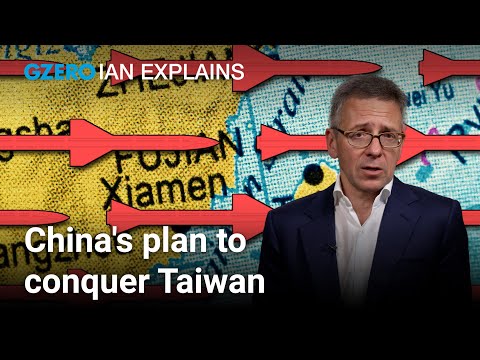
How China would seize Taiwan without firing a shot | Ian Bremmer Explains
0
佛斯特 posted on 2025/06/08Ever wondered how a country could take over another without a single shot fired? This video dives deep into the fascinating world of 'gray zone warfare,' exploring tactics like economic blockades and cyberattacks that China might use to influence Taiwan. You'll pick up some seriously useful advanced vocabulary related to geopolitics and international relations along the way!
Learn this video on the APP!
The VoiceTube App has more in-depth practice for videos!