
a passion for
US
UK
- Phrase
- A strong enthusiasm or interest in something.
A1Moreadapt
US /əˈdæpt/
UK /ə'dæpt/
- Transitive Verb
- To change something for a different function
- To change something to fit or suit a new purpose
- Intransitive Verb
- To change your behaviour so that it is easier to live in a new place or situation
B1TOEICMoreadmire
US /ædˈmaɪr/
UK /əd'maɪə(r)/
- Transitive Verb
- To feel respect or wonder toward someone
A2Moreadopt
US /əˈdɑ:pt/
UK /əˈdɒpt/
- Transitive Verb
- To legally take a child into your family
- To take on responsibility for something
A2TOEICMoreattention
US /əˈtɛnʃən/
UK /əˈtenʃn/
- Noun (Countable/Uncountable)
- Taking notice of someone or something
- Noun
- (Soldiers) Standing with straight backs
A2TOEICMorebinge
US /bɪndʒ/
UK /bɪndʒ/
- Verb (Transitive/Intransitive)
- To eat or drink too much at one time
C1Morebrand
US /brænd/
UK /brænd/
- Noun
- A mark burned on an animal to show who owns it
- Product made or designed by a named company
- Transitive Verb
- To burn a mark on an animal to show who owns it
- To describe someone as a liar, coward, etc.
A2TOEICMorebully
US /ˈbʊli/
UK /'bʊlɪ/
- Noun (Countable/Uncountable)
- a person who habitually seeks to harm or intimidate those whom they perceive as vulnerable
- A person who uses superior strength or influence to intimidate others.
- Verb (Transitive/Intransitive)
- seek to harm, intimidate, or coerce (someone perceived as vulnerable)
B2Moreburden
US /ˈbɚdn/
UK /'bɜ:dn/
- Transitive Verb
- To weigh down with a load; impose a task upon
- Noun (Countable/Uncountable)
- Something difficult to do, manage, or accept
- Something that is carried with difficulty; an oppressive load.
B1Morecalm
US /kɑm/
UK /kɑ:m/
- Adjective
- Without wind or storm; quiet; peaceful
- Relaxed and not worried or angry
- Verb (Transitive/Intransitive)
- To make or become relaxed and not worried or angry
A2Morecategorize
US /'kætəɡəraɪz/
UK /ˈkætəgəraɪz/
- Transitive Verb
- To distribute into classes or the same type
B1Morecheck out
US /tʃɛk aʊt/
UK /tʃek aut/
- Phrase
- Phrasal Verb
- To find out information about something
- To take books out of a library
A1Morechildhood
US /ˈtʃaɪldˌhʊd/
UK /ˈtʃaɪldhʊd/
- Uncountable Noun
- The time when you are a child
B1Morecontact
US /ˈkɑnˌtækt/
UK /'kɒntækt/
- Adjective
- Touching or feeling something
- Noun (Countable/Uncountable)
- Touching or feeling something
- Object that allows electricity to run through it
A2Moredaydream
US /ˈdeˌdrim/
UK /ˈdeɪdri:m/
- Intransitive Verb
- To wonder or imagine fantasies happening
- Noun
- Experience of imagining fantasies happening
B2Moredeal with
US /dil wɪð/
UK /di:l wið/
- Verb (Transitive/Intransitive)
- To buy or sell goods or services.
- Phrasal Verb
- To take action to solve a problem or manage a situation.
- To be about; concern.
A1Moredeficit
US /ˈdɛfɪsɪt/
UK /ˈdefɪsɪt/
- Noun (Countable/Uncountable)
- Amount less than what is needed or required
- The amount by which expenditure or liabilities exceed income or assets.
B1Moredepression
US /dɪˈprɛʃən/
UK /dɪ'preʃn/
- Noun (Countable/Uncountable)
- Medical condition of a lack of vitality
- Period of unemployment and low economic activity
B2Morediagnose
US /ˌdaɪəgˈnoʊs/
UK /ˈdaɪəgnəʊz/
- Transitive Verb
- To determine the cause of an illness or problem
B1Moredisorder
US /dɪsˈɔrdɚ/
UK /dɪs'ɔ:də(r)/
- Uncountable Noun
- State of confusion or a lack of organization
- Illness when the body is not functioning well
- Transitive Verb
- To disrupt the order or arrangement of something.
B2Moredistract
US /dɪˈstrækt/
UK /dɪ'strækt/
- Transitive Verb
- To draw someone's attention away from something
B1TOEICMoredo without
US
UK
- Phrasal Verb
- To manage without having or doing something
A1Moreeffort
US /ˈɛfət/
UK /ˈefət/
- Uncountable Noun
- Amount of work used trying to do something
- A conscious exertion of power; a try.
A2TOEICMoreemotional
US /ɪˈmoʃənəl/
UK /ɪˈməʊʃənl/
- Adjective
- Causing, feeling, or appealing to the emotions
- Relating to or characterized by emotion
A2Moreenergy
US /ˈɛnədʒi/
UK /'enədʒɪ/
- Noun (Countable/Uncountable)
- Physical or mental strength
- Enthusiasm and determination.
A2Morefit in
US /fɪt ɪn/
UK /fit in/
- Phrasal Verb
- To mix with others so you get on well with them
A2Morefor example
US
UK
- Phrase
- As an illustration or instance.
frequently
US /ˈfrikwəntlɪ/
UK /ˈfri:kwəntli/
- Adverb
- Often; regularly
- Repeatedly or many times.
A2TOEICMorefrustrate
US /ˈfrʌsˌtret/
UK /frʌ'streɪt/
- Transitive Verb
- To make annoyed because things don't go well
- To prevent (a plan or intention) from succeeding.
B1TOEICMoregenetic
US /dʒəˈnɛtɪk/
UK /dʒəˈnetɪk/
- Adjective
- Of, relating to, or controlled by genes
- Relating to genes or heredity.
B1Moregrow up
US /ɡro ʌp/
UK /ɡrəu ʌp/
- Phrasal Verb
- To develop from a child into an adult
A1Moreinstead of
US /ɪnˈstɛd ʌv/
UK /inˈsted ɔv/
- Preposition
- When one thing is replaced by another
- Adverb
- As a substitute or alternative.
A1Moreisolate
US /ˈaɪsəˌlet/
UK /ˈaɪsəleɪt/
- Transitive Verb
- To identify, consider, or deal with separately
- To keep in a place or situation apart from others
B1Moreknow better
US
UK
- Verb (Transitive/Intransitive)
- To be wise enough not to do something.
- To be expected to have the sense to not do something.
A1Moreliterature
US /ˈlɪtərəˌtʃʊr, -tʃɚ/
UK /ˈlɪtrətʃə(r)/
- Uncountable Noun
- Writing valued as art, e.g. fiction, drama, poetry
- The body of written works produced in a particular language, country, or age.
A2Moremedication
US /ˌmɛdɪˈkeʃən/
UK /ˌmedɪˈkeɪʃn/
- Noun (Countable/Uncountable)
- Substance to relieve pain or cure sickness
B2Morenot limited to
US /nɑt ˈlɪmɪtɪd tu/
UK /nɔt ˈlimitid tu:/
- Phrase
- Including something but also allowing other things; not restricted to.
A1Moreon to
US /ɑn tu/
UK /ɔn tu:/
- Preposition
- Toward something; forward
- Aware of someone's activities.
- Adjective
- Aware of someone's deception or illegal activities.
A1Moreoutstanding
US /aʊtˈstændɪŋ, ˈaʊtˌstæn-/
UK /aʊtˈstændɪŋ/
- Adjective
- Being better/distinct from others; specially good
B1TOEICMoreoverwhelmed
US /ˌoʊ.vɚˈwɛlmd/
UK /ˌəʊ.vəˈwɛlmd/
- Transitive Verb
- To defeat something or someone completely
- To affect someone emotionally in a strong way
- Adjective
- Feeling like you have so much to do that you can't even get started.
- Feeling like you are unable to cope with something
B2Moreoverwhelming
US /ˌovɚˈhwɛlmɪŋ, -ˈwɛl-/
UK /ˌəʊvəˈwelmɪŋ/
- Transitive Verb
- To defeat something or someone completely
- To affect someone emotionally in a strong way
- Adjective
- Having too much to handle (e.g. work)
- Very great or very strong; so powerful that you cannot resist or decide how to react
B2Morepassion
US /ˈpæʃən/
UK /'pæʃn/
- Noun (Countable/Uncountable)
- Powerful, positive excitement and interest
- Something for which one has a great love
A2Moreperception
US /pɚˈsɛpʃən/
UK /pəˈsepʃn/
- Noun (Countable/Uncountable)
- Way in which one sees or understands something
- The ability to see, hear, or become aware of something through the senses.
B1Moreprimary
US /ˈpraɪˌmɛri, -məri/
UK /'praɪmərɪ/
- Adjective
- Most important, most basic or essential
- Happening first; earliest
B2Morepsychiatrist
US /saɪ'kaɪətrɪst/
UK /saɪˈkaɪətrɪst/
- Countable Noun
- Doctor who treats psychological disorders
- Doctor who treats psychological disorders
B2Morerace
US /res/
UK /reɪs/
- Noun (Countable/Uncountable)
- Speed contest between people, animals or vehicles
- People who share physical features or culture
- Intransitive Verb
- To take part in a running or swimming competition
- To move or go at a very fast pace
A2Moreregular
US /ˈrɛɡjəlɚ/
UK /ˈregjələ(r)/
- Adjective
- Having an equal amount of space or time in between
- Occurring or being done frequently
- Noun (Countable/Uncountable)
- Customers who frequently visit a place
- Soldier who has a permanent job in the army
A2TOEICMoreresort
US /rɪ'zɔ:rt/
UK /rɪ'zɔ:t/
- Noun
- Act of choosing something to help with a problem
- Vacation hotel or complex; area for holidays
B1TOEICMorescold
US /skold/
UK /skəʊld/
- Verb (Transitive/Intransitive)
- To speak angrily and give negative criticism
- Transitive Verb
- To tell off someone who did something wrong
B1Morespectrum
US /ˈspɛktrəm/
UK /'spektrəm/
- Noun
- The wavelengths of colors from red to violet
- a range of different positions, opinions, etc. between two extreme points
B1Morestressful
US /ˈstrɛsfəl/
UK /ˈstresfl/
- Adjective
- Worrying; causing tension
A2Moresuch as
US /sʌtʃ æz/
UK /sʌtʃ æz/
- Preposition
- For example; like
A1Moretherapy
US /ˈθɛrəpi/
UK /'θerəpɪ/
- Noun (Countable/Uncountable)
- Treatment to help cure an illness
- Psychological counseling to help resolve personal or emotional problems.
B2More
Vocabulary
- grow up: To develop from a child into an adult
- know better: To be wise enough not to do something.
- instead of: When one thing is replaced by another
- deal with
- a passion for: A strong enthusiasm or interest in something.
- fit in: To mix with others so you get on well with them
- not limited to: Including something but also allowing other things; not restricted to.
- such as: For example; like
- for example: As an illustration or instance.
- on to: Toward something; forward
- do without: To manage without having or doing something
- check out
- overwhelmed: To defeat something or someone completely
- perception: Way in which one sees or understands something
- depression: Medical condition of a lack of vitality
- overwhelming: To defeat something or someone completely
- effort: Amount of work used trying to do something
- period: Set amount of time during which events take place
- realize: To become aware of or understand mentally
- disorder: State of confusion or a lack of organization
- therapy: Treatment to help cure an illness
- spectrum: The wavelengths of colors from red to violet
- treat: To pay for the food or enjoyment of someone else
- develop: To explain something in steps and in detail
- binge: To eat or drink too much at one time
- distract: To draw someone's attention away from something
- emotional: Causing, feeling, or appealing to the emotions
- brand: A mark burned on an animal to show who owns it
- burden: To weigh down with a load; impose a task upon
- calm: Without wind or storm; quiet; peaceful
- admire: To feel respect or wonder toward someone
- brain: To strike someone forcefully on the head
- regular: Having an equal amount of space or time in between
- genetic: Of, relating to, or controlled by genes
- adapt: To change something for a different function
- explain: To make clear or easy to understand by describing
- passion: Powerful, positive excitement and interest
- attention: Taking notice of someone or something
- primary: Most important, most basic or essential
- adopt: To legally take a child into your family
- contact: Touching or feeling something
- deficit: Amount less than what is needed or required
- resort: Act of choosing something to help with a problem
- accept: To agree to receive or take something offered
- mood: Emotion or a state of mind; how you feel
- frequently: Often; regularly
- mind: To be bothered or upset by something
- race: Speed contest between people, animals or vehicles
- energy: Physical or mental strength
- literature: Writing valued as art, e.g. fiction, drama, poetry
- stressful: Worrying; causing tension
- frustrate: To make annoyed because things don't go well
- diagnose: To determine the cause of an illness or problem
- bully: a person who habitually seeks to harm or intimidate those whom they perceive as vulnerable
- learn: To get knowledge or skills by study or experience
- information: Collection of facts and details about something
- program: To make someone act or think in a certain way
- head: To hit a ball with your head in a game
- medication: Substance to relieve pain or cure sickness
- hard: Difficult to do; difficult to understand
- make: To arrange or prepare something e.g. dinner
- isolate: To identify, consider, or deal with separately
- psychiatrist: Doctor who treats psychological disorders
- categorize: To distribute into classes or the same type
- childhood: The time when you are a child
- outstanding: Being better/distinct from others; specially good
- scold: To speak angrily and give negative criticism
- daydream: To wonder or imagine fantasies happening
Get the full experience in the app
Learn anywhere with detailed sentence and usage analysis
01:03
She took a brave step forward, leaving behind her comfort zone to chase her dreams.
Vocabulary
- brave
adj. Having courage
- comfort zone
phr. A familiar situation where one feels safe
Explanation
a brave step is a noun phrase, where brave is an adjective modifying the noun step, meaning "a courageous step".
forward is an adverb modifying step, meaning "ahead".
The whole phrase serves as the object, answering the "what" of took (verb) — she took a brave step forward.
Get the full experience in the app
Look up words anytime with pronunciation, part of speech, and usage
brave
US/brev/
UK/breɪv/
adj.Brave
v.t.To bravely face
A2 Elementary
Get the full experience in the app
Practice speaking anytime and get instant pronunciation feedback
Try this speaking exercise.
Try practicing with this sentence.
80
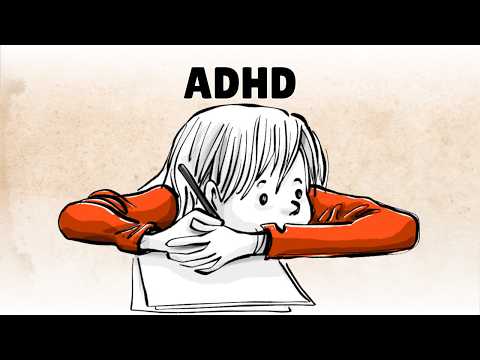
ADHD from Childhood to Adulthood [Symptoms and Traits]
0
佛斯特 posted on 2025/06/07Ever wondered about ADHD from childhood to adulthood? This video shares Lisa's personal story, explaining symptoms and traits with clear language and some advanced vocabulary you'll find super useful. It's a fantastic way to learn about neurodiversity and executive dysfunction through a relatable narrative!
Learn this video on the APP!
The VoiceTube App has more in-depth practice for videos!