
after all
US /ˈæftɚ ɔl/
UK /ˈɑ:ftə ɔ:l/
- Adverb
- In spite of what was expected; used to introduce a statement that supports a previous statement or explains why it was made
- Considering everything; used to indicate that something is happening or is true despite some difficulty or obstacle
- Phrase
- Despite what was expected or thought; in spite of everything.
- Taking everything into consideration; considering that.
B1Moreancient
US /ˈenʃənt/
UK /'eɪnʃənt/
- Adjective
- Very old; having lived a very long time ago
- Relating to a period in history, especially in the distant past.
- Noun
- A person who lived in ancient times.
A2Moreanswer to
US
UK
- Phrasal Verb
- To be responsible to someone and have to explain your actions to them.
- To correspond to or match a description or requirement.
A1Moreanti
US /ˈæntaɪ, -ti/
UK /'æntɪ/
- Adjective
- A prefix meaning 'against' or 'opposed'
B2Moreauthor
US /ˈɔθɚ/
UK /'ɔ:θə(r)/
- Noun (Countable/Uncountable)
- Person who writes books, plays, poems etc.
- Transitive Verb
- To write book or articles
B1Moreawkward
US /ˈɔkwəd/
UK /ˈɔ:kwəd/
- Adjective
- Lacking smooth movement
- Causing embarrassment or trouble
B1Moreback out
US /bæk aʊt/
UK /bæk aut/
- Phrasal Verb
- To say you will now not do something you promised
A1Morebrilliant
US /ˈbrɪljənt/
UK /'brɪlɪənt/
- Adjective
- Having a great amount of intelligence or talent
- Being very bright, like a diamond; shining
- Noun
- A diamond or other gem cut in a particular form with many facets to have exceptional brilliance.
A2Morecategory
US /ˈkætɪˌɡɔri, -ˌɡori/
UK /ˈkætəgəri/
- Noun
- Groups of things that are similar in some way
B1Morecontext
US /ˈkɑnˌtɛkst/
UK /ˈkɒntekst/
- Noun (Countable/Uncountable)
- Set of facts surrounding a person or event
- The circumstances that form the setting for an event, statement, or idea, and in terms of which it can be fully understood and assessed.
A2Morecontraction
US /kənˈtrækʃən/
UK /kənˈtrækʃn/
- Uncountable Noun
- Process of becoming smaller in length/size
- Involuntary, often painful tightening of a muscle
B2Moredescription
US /dɪˈskrɪpʃən/
UK /dɪˈskrɪpʃn/
- Noun
- Explanation of what something is like, looks like
- The type or nature of someone or something.
A2TOEICMoredialect
US /ˈdaɪəˌlɛkt/
UK /ˈdaɪəlekt/
- Noun
- Way of speaking used by a group or in a region
B2Moreestablish
US /ɪˈstæblɪʃ/
UK /ɪˈstæblɪʃ/
- Transitive Verb
- To set or create something to last for a long time
- To use facts, evidence to show truth or clarity
A2TOEICMoreeventually
US /ɪˈvɛntʃuəli/
UK /ɪˈventʃuəli/
- Adverb
- After a long time; after many attempts; in the end
- At some later time; in the future
A2Moreevolve
US /ɪˈvɑlv/
UK /ɪ'vɒlv/
- Verb (Transitive/Intransitive)
- To develop certain features
- To develop or change slowly over time
B1Moreflip
US /flɪp/
UK /flɪp/
- Verb (Transitive/Intransitive)
- To turn your body in the air, as in gymnastics
- To move into a different position quickly
- Noun
- Act of turning your body in the air; somersault
- Movement of something from one position to another
B2Moregenerally
US /ˈdʒɛnərəli/
UK /ˈdʒenrəli/
- Adverb
- Usually; as a rule; by, to or for most people
A2Moregrammatical
US /ɡrəˈmætɪkəl/
UK /grəˈmætɪkl/
- Adjective
- Conforming to the rules of syntax
B1Morein fact
US /ɪn fækt/
UK /in fækt/
- Adverb
- Used to emphasize the truth of a statement, especially one that contrasts with or contradicts something else.
- Used to introduce a more detailed or surprising piece of information.
- Phrase
- Used to emphasize the truth of a statement, especially one that is surprising or contrary to what might be expected.
C1Morein theory
US /ɪn ˈθiəri/
UK /in ˈθiəri/
- Adverb
- According to the stated ideas or principles
- Phrase
- According to the theoretical possibilities rather than actual practice.
B2Moreindividual
US /ˌɪndəˈvɪdʒuəl/
UK /ˌɪndɪˈvɪdʒuəl/
- Countable Noun
- Single person, looked at separately from others
- A single thing or item, especially when part of a set or group.
- Adjective
- Made for use by one single person
- Having a distinct manner different from others
A2Morejust kind of
US
UK
- Phrase
- Used to express a feeling or state in a vague or hesitant way.
- Used to indicate something is approximately or generally similar to something else.
A2Morelean
US /lin/
UK /li:n/
- Verb (Transitive/Intransitive)
- To balance against or on something for support
- To have a tendency to do something; favor
- Adjective
- Having a low fat content
- Efficient; well-designed with no waste
A2Morelean on
US /lin ɑn/
UK /li:n ɔn/
- Phrasal Verb
- To depend on someone for support or help.
- To put pressure on someone, often through intimidation.
obvious
US /ˈɑbviəs/
UK /ˈɒbviəs/
- Adjective
- Easily understood and clear; plain to see
- Easy to see or notice.
A2TOEICMoreover time
US /ˈovɚ taɪm/
UK /ˈəuvə taim/
- Phrase
- Gradually; as time passes.
- During a long period.
- Adverb
- Gradually; as time passes.
B1Morephrase
US /frez/
UK /freɪz/
- Noun
- Common expression or saying
- Section of musical notes in a piece of music
- Verb (Transitive/Intransitive)
- To choose words to say what you mean clearly
A2Moreprefix
US /ˈpriˌfɪks/
UK /'pri:fɪks/
- Noun
- Part of a word added to the front, e.g. UNhappy
B2Morepresence
US /ˈprɛzəns/
UK /ˈprezns/
- Noun
- The same place or area that a person is
- Ability to reach a market, group of people etc.
A2Morepronounce
US /prəˈnaʊns/
UK /prə'naʊns/
- Transitive Verb
- To state something in a legal or official way
- To give your opinion or decision about something
B1Morepronunciation
US /prəˌnʌnsiˈeʃən/
UK /prəˌnʌnsiˈeɪʃn/
- Noun (Countable/Uncountable)
- How a word is said; how a word sounds
- The manner in which someone utters a word.
B1Moreproto
US
UK
- Prefix
- Indicating the first or earliest or original
C2Morerobotic
US /roʊˈbɑ:tɪk/
UK /rəʊˈbɒtɪk/
- Adjective
- Concerning mechanical robots
B1Morestrand
US /strænd/
UK /strænd/
- Countable Noun
- Long part of a rope, someone's hair, etc.
- Transitive Verb
- To cause to be stuck or trapped somewhere
B2Morestress
US / strɛs/
UK /stres/
- Transitive Verb
- To emphasize one or more parts of a word, sentence
- To put pressure on something or someone
- Noun (Countable/Uncountable)
- Emphasis on part of a word or sentence
- Pressure on something or someone
A2TOEICMoresubstance
US /ˈsʌbstəns/
UK /'sʌbstəns/
- Uncountable Noun
- Essence of; most basic or central qualities
- Particular type of material
A2Moretalk about it
US /tɔk əˈbaʊt ɪt/
UK /tɔ:k əˈbaut it/
- Verb (Transitive/Intransitive)
- To discuss a particular subject.
A1Moretheory
US /ˈθiəri, ˈθɪri/
UK /ˈθiəri/
- Noun (Countable/Uncountable)
- Ideas or principles that explain facts or events
- An idea or belief about something
A2TOEICMoreunstressed
US /ʌnˈstrɛst/
UK /ʌnˈstrest/
- Adjective
- Having no accent or stress when spoken
B1Moreused to
US /juzd tu/
UK /ˈju:st tə/
- Adjective
- Did regularly before, but don't do now
- Auxiliary Verb
- Have done before, but do not do now
A1Morevowel
US /ˈvaʊəl/
UK /ˈvaʊəl/
- Countable Noun
- A speech sound; a, e , it, o, u and sometimes y
B1Moreweird
US /wɪrd/
UK /wɪəd/
- Adjective
- Odd or unusual; surprising; strange
- Eerily strange or disturbing.
B1More
Vocabulary
- after all: In spite of what was expected; used to introduce a statement that supports a previous statement or explains why it was made
- in fact: Used to emphasize the truth of a statement, especially one that contrasts with or contradicts something else.
- back out: To say you will now not do something you promised
- talk about it: To discuss a particular subject.
- just kind of: Used to express a feeling or state in a vague or hesitant way.
- lean on: To depend on someone for support or help.
- answer to: To be responsible to someone and have to explain your actions to them.
- in theory: According to the stated ideas or principles
- over time: Gradually; as time passes.
- used to: Did regularly before, but don't do now
- awkward: Lacking smooth movement
- weird: Odd or unusual; surprising; strange
- eventually: After a long time; after many attempts; in the end
- pronunciation: How a word is said; how a word sounds
- individual: Single person, looked at separately from others
- obvious: Easily understood and clear; plain to see
- phrase: Common expression or saying
- context: Set of facts surrounding a person or event
- description: Explanation of what something is like, looks like
- term: Conditions applying to an agreement, contract
- ancient: Very old; having lived a very long time ago
- presence: The same place or area that a person is
- flip: To turn your body in the air, as in gymnastics
- evolve: To develop certain features
- brilliant: Having a great amount of intelligence or talent
- category: Groups of things that are similar in some way
- substance: Essence of; most basic or central qualities
- stress: To emphasize one or more parts of a word, sentence
- sentence: (Of a judge) to decide the punishment of
- pronounce: To state something in a legal or official way
- exist: To be present, alive or real
- contract: To become ill as a result of getting a disease
- lean: To balance against or on something for support
- theory: Ideas or principles that explain facts or events
- establish: To set or create something to last for a long time
- mean: Average of a set of numbers
- generally: Usually; as a rule; by, to or for most people
- explain: To make clear or easy to understand by describing
- form: Sports team or person's current winning record
- reason: To think and make conclusions in a logical manner
- contraction: Process of becoming smaller in length/size
- author: Person who writes books, plays, poems etc.
- appear: To be seen, become visible; come into sight
- dialect: Way of speaking used by a group or in a region
- century: Period of 100 years
- sound: Sensible, dependable and reliable
- learn: To get knowledge or skills by study or experience
- vowel: A speech sound; a, e , it, o, u and sometimes y
- detail: Small part of something; tiny fact
- verb: Word that expresses an action or state
- future: Time that is to come after the present
- strand: Long part of a rope, someone's hair, etc.
- grammatical: Conforming to the rules of syntax
- anti: A prefix meaning 'against' or 'opposed'
- prefix: Part of a word added to the front, e.g. UNhappy
- robotic: Concerning mechanical robots
- unstressed: Having no accent or stress when spoken
- proto: Indicating the first or earliest or original
Get the full experience in the app
Learn anywhere with detailed sentence and usage analysis
01:03
She took a brave step forward, leaving behind her comfort zone to chase her dreams.
Vocabulary
- brave
adj. Having courage
- comfort zone
phr. A familiar situation where one feels safe
Explanation
a brave step is a noun phrase, where brave is an adjective modifying the noun step, meaning "a courageous step".
forward is an adverb modifying step, meaning "ahead".
The whole phrase serves as the object, answering the "what" of took (verb) — she took a brave step forward.
Get the full experience in the app
Look up words anytime with pronunciation, part of speech, and usage
brave
US/brev/
UK/breɪv/
adj.Brave
v.t.To bravely face
A2 Elementary
Get the full experience in the app
Practice speaking anytime and get instant pronunciation feedback
Try this speaking exercise.
Try practicing with this sentence.
80
0
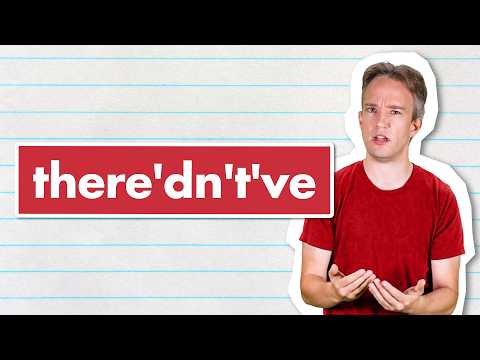
林宜悉 posted on 2025/05/23Ever wondered why some English contractions sound a bit off in certain sentences? This video dives deep into clitics and contractions, explaining those tricky "syntactic gaps" and how stress patterns influence them. You'll gain a fascinating understanding of language change and pick up some advanced vocabulary along the way!
Learn this video on the APP!
The VoiceTube App has more in-depth practice for videos!