
adopt
US /əˈdɑ:pt/
UK /əˈdɒpt/
- Transitive Verb
- To legally take a child into your family
- To take on responsibility for something
A2TOEICMoreat the same time
US
UK
- Phrase
- Simultaneously; at the identical moment.
- Nevertheless; however; used to introduce a contrasting or qualifying statement.
A1Moreautomatically
US /ˌɔtəˈmætɪkl:ɪ/
UK /ˌɔ:tə'mætɪklɪ/
- Adverb
- In a way not requiring control by a person
B1Morebilingual
US /baɪˈlɪŋɡwəl/
UK /ˌbaɪˈlɪŋgwəl/
- Adjective
- Being able to speak two languages well
- Noun
- Person able to use two languages well
B2Morebrowse
US /braʊz/
UK /braʊz/
- Verb (Transitive/Intransitive)
- To look around for things, e.g. in a bookstore
- To use a browser to view websites on the Internet.
- Noun (Countable/Uncountable)
- A collection of things to look through.
B2TOEICMoreby default
US /baɪ dɪˈfɔlt/
UK /bai diˈfɔ:lt/
- Adverb
- Automatically, unless the user specifies otherwise.
- Because of a lack of any other action or choice.
concentrate
US /ˈkɑnsənˌtret/
UK /'kɒnsntreɪt/
- Verb (Transitive/Intransitive)
- To cause to be present in large amount or number
- To pay great attention to a task; focus
- Noun (Countable/Uncountable)
- A substance made by removing water or other diluents; a concentrated form of something.
A2Moreconsistently
US /kənˈsɪstəntlɪ/
UK /kən'sɪstəntlɪ/
- Adverb
- In a manner that is the same almost every time
- In every case or on every occasion; invariably
B1Moreconsume
US /kənˈsum/
UK /kən'sju:m/
- Transitive Verb
- To eat, drink, buy or use up something
- To take all your energy; focus the attention
A2TOEICMoreconversation
US /ˌkɑnvɚˈseʃən/
UK /ˌkɒnvəˈseɪʃn/
- Uncountable Noun
- Talking with other people; discussion or chat
- General communication or interaction.
A2Moredefault
US /dɪˈfɔlt/
UK /dɪ'fɔ:lt/
- Noun (Countable/Uncountable)
- Automatic setting when no indicated preference
- Failure to meet an agreement or make a payment
- Verb (Transitive/Intransitive)
- To fail to meet as agreed; failure to pay
- To return to a previously determined state
B2TOEICMoreequation
US /ɪˈkweʒən, -ʃən/
UK /ɪˈkweɪʒn/
- Noun (Countable/Uncountable)
- Mathematical statement showing things to be equal
- Complex set of different facts, ideas or issues
B1Moreexplore
US /ɪkˈsplɔr/
UK /ɪk'splɔ:(r)/
- Transitive Verb
- To examine something in detail to learn about it
- To travel to a place to discover more about it
A2TOEICMorefor example
US
UK
- Phrase
- As an illustration or instance.
for now
US /fɔr naʊ/
UK /fɔ: nau/
- Phrase
- Temporarily; for the present time.
- In the short term; for the immediate future.
A1Morefor someone
US /fɚ ˈsʌmwʌn/
UK /fə ˈsʌmwʌn/
- other
- On behalf of or intended for a particular person.
A1Moreforget about
US /fɚˈɡɛt əˈbaʊt/
UK /fəˈɡet əˈbaut/
- Phrasal Verb
- To stop thinking about something; to ignore something.
A1Morefrom now on
US /frʌm naʊ ɑn/
UK /frɔm nau ɔn/
- Phrase
- Starting at this moment and continuing indefinitely into the future.
A1Morefrom the start
US /frʌm ði stɑrt/
UK /frɔm ðə stɑ:t/
- Phrase
- From the very beginning; from the outset.
A1Morehave to
US /hæv tu/
UK /ˈhæv tə/
- Auxiliary Verb
- Must do
A1Morehear out
US /hɪr aʊt/
UK /hiə aut/
- Phrasal Verb
- To listen to the end of what someone is saying
A1Moreimitate
US /ˈɪmɪˌtet/
UK /ˈɪmɪteɪt/
- Transitive Verb
- To act, speak like someone or something else
B2Moreimitation
US /ˌɪmɪˈteʃən/
UK /ˌɪmɪˈteɪʃn/
- Noun (Countable/Uncountable)
- Act of copying or imitating something
- Something made to look like something else, often of lesser quality.
- Adjective
- Made to resemble something else, typically of higher value or quality.
B2Moreimmerse
US /ɪˈmɜ:rs/
UK /ɪˈmɜ:s/
- Transitive Verb
- To put something in liquid until it is covered
- Verb (Transitive/Intransitive)
- To become completely involved in something
B1Moremethod
US /ˈmɛθəd/
UK /'meθəd/
- Noun (Countable/Uncountable)
- (Organized and planned) way of doing something
- Orderliness of thought, arrangement, or behavior.
A2TOEICMorenative
US /ˈnetɪv/
UK /ˈneɪtɪv/
- Noun (Countable/Uncountable)
- Someone from or born in a specific country
- Original inhabitant, e.g. before others
- Adjective
- Caused by natural ability; innate
A2Moreno matter
US
UK
- Conjunction
- Regardless of; it does not matter.
- Adverb
- Regardless of; it is not important
A1Moreof course
US /ʌv kɔː(r)s/
UK /ɔv kɔː(r)s/
- Adverb
- Sure ; Certainly
- Phrase
- For sure; certainly
A2Moreopportunity
US /ˌɑpɚˈtunɪti, -ˈtju-/
UK /ˌɒpə'tju:nətɪ/
- Noun (Countable/Uncountable)
- Time, situation when a thing might be done; chance
- A favorable time or occasion for doing something.
A2TOEICMorepractice
US /ˈpræktɪs/
UK /'præktɪs/
- Noun
- The office and place for legal or medical work
- Doing something many times to become better at it
- Verb (Transitive/Intransitive)
- To work as a doctor or lawyer
- To live according to the teachings of a religion
A2TOEICMoreprocess
US /ˈprɑsˌɛs, ˈproˌsɛs/
UK /prə'ses/
- Transitive Verb
- To organize and use data in a computer
- To deal with official forms in the way required
- Noun (Countable/Uncountable)
- Dealing with official forms in the way required
- Set of changes that occur slowly and naturally
A2TOEICMorerecommend
US /ˌrɛkəˈmɛnd/
UK /ˌrekə'mend/
- Transitive Verb
- To advise or suggest that someone do something
- To endorse or support something publicly.
A2TOEICMorerely
US /rɪˈlaɪ/
UK /rɪ'laɪ/
- Intransitive Verb
- Depend on with full trust or confidence
- To trust or have confidence in someone.
B2TOEICMoresame time
US
UK
- Phrase
- Occurring simultaneously or at the same point in time.
- At the identical time as before; recurring at a fixed hour.
- Noun
- An equal duration or period.
A1Morestick with
US /stɪk wɪð/
UK /stik wið/
- Phrasal Verb
- To continue to support or stay loyal to someone or something.
- To continue doing or using something; to persevere.
A1Morestrongly suggest
US
UK
- Transitive Verb
- To recommend something with emphasis.
B1Morestruggle
US /ˈstrʌɡəl/
UK /'strʌɡl/
- Verb (Transitive/Intransitive)
- To try very hard to do something difficult
- To fight or struggle violently
- Noun (Countable/Uncountable)
- Strong efforts made to do something difficult
- A difficult or challenging situation or task
A2Moretake it easy
US /tek ɪt ˈizi/
UK /teik it ˈi:zi/
- Phrase
A1Moretalking about
US
UK
- Phrasal Verb
- To discuss a particular topic.
- To be constantly mentioning or bringing up a subject.
A1Moretechnique
US /tɛkˈnik/
UK /tekˈni:k/
- Noun (Countable/Uncountable)
- Way of doing by using special knowledge or skill
- The skill or ability to do something well.
A2TOEICMoretip
US /tɪp/
UK /tɪp/
- Transitive Verb
- To pour or move something from a place, container
- To give extra money for good service
- Noun
- End point of e.g. a pencil or finger
- Extra money given for good service
A2Moretrick
US /trɪk/
UK /trɪk/
- Transitive Verb
- To fool someone in order to obtain a result
- To playfully tease or fool to make someone laugh
- Noun (Countable/Uncountable)
- Act of trying to fool someone
- Quick or skillful way of doing something
A2Moreunnatural
US /ʌnˈnætʃərəl/
UK /ʌnˈnætʃrəl/
- Adjective
- Not being what you would expect; not normal
- Being different from anything occurring in nature
B1Morevocabulary
US /voˈkæbjəˌlɛri/
UK /və'kæbjələrɪ/
- Uncountable Noun
- Words that have to do with a particular subject
- The words that a person knows
B1TOEICMorewith it
US /wɪð ɪt/
UK /wið it/
- Adjective
- Intelligent, alert, and up-to-date.
- Understanding and knowledgeable about current trends or information.
A1Morework in
US /wɚk ɪn/
UK /wə:k in/
- Phrasal Verb
- To make an opening for something in your schedule
- To fit person/thing into a schedule or sequence
A1More
Vocabulary
- have to: Must do
- for example: As an illustration or instance.
- with it: Intelligent, alert, and up-to-date.
- at the same time: Simultaneously; at the identical moment.
- same time: Occurring simultaneously or at the same point in time.
- work in: To make an opening for something in your schedule
- from now on: Starting at this moment and continuing indefinitely into the future.
- stick with: To continue to support or stay loyal to someone or something.
- by default: Automatically, unless the user specifies otherwise.
- forget about: To stop thinking about something; to ignore something.
- talking about: To discuss a particular topic.
- no matter: Regardless of; it does not matter.
- strongly suggest: To recommend something with emphasis.
- from the start: From the very beginning; from the outset.
- hear out: To listen to the end of what someone is saying
- for someone: On behalf of or intended for a particular person.
- of course: Sure ; Certainly
- for now: Temporarily; for the present time.
- take it easy
- struggle: To try very hard to do something difficult
- mindset: Way someone things about something
- process: To organize and use data in a computer
- opportunity: Time, situation when a thing might be done; chance
- recommend: To advise or suggest that someone do something
- technique: Way of doing by using special knowledge or skill
- imitate: To act, speak like someone or something else
- practice: The office and place for legal or medical work
- improve: To make, or become, something better
- native: Someone from or born in a specific country
- vocabulary: Words that have to do with a particular subject
- trick: To fool someone in order to obtain a result
- force: Group of persons trained for military action; army
- conversation: Talking with other people; discussion or chat
- consume: To eat, drink, buy or use up something
- default: Automatic setting when no indicated preference
- sentence: (Of a judge) to decide the punishment of
- explore: To examine something in detail to learn about it
- method: (Organized and planned) way of doing something
- concentrate: To cause to be present in large amount or number
- consistently: In a manner that is the same almost every time
- automatically: In a way not requiring control by a person
- brain: To strike someone forcefully on the head
- tip: To pour or move something from a place, container
- adopt: To legally take a child into your family
- imitation: Act of copying or imitating something
- bilingual: Being able to speak two languages well
- reason: To think and make conclusions in a logical manner
- immerse: To put something in liquid until it is covered
- break: To create a new record e.g. running the 100m dash
- equation: Mathematical statement showing things to be equal
- rely: Depend on with full trust or confidence
- suggest: To mention something that could be done; propose
- lot: What happens to a person in life from chance; fate
- learn: To get knowledge or skills by study or experience
- simple: Not hard to understand or do; not complex
- information: Collection of facts and details about something
- language: Words or signs used to communicate messages
- basic: At the most important or easiest (beginner) level
- head: To hit a ball with your head in a game
- browse: To look around for things, e.g. in a bookstore
- unnatural: Not being what you would expect; not normal
Get the full experience in the app
Learn anywhere with detailed sentence and usage analysis
01:03
She took a brave step forward, leaving behind her comfort zone to chase her dreams.
Vocabulary
- brave
adj. Having courage
- comfort zone
phr. A familiar situation where one feels safe
Explanation
a brave step is a noun phrase, where brave is an adjective modifying the noun step, meaning "a courageous step".
forward is an adverb modifying step, meaning "ahead".
The whole phrase serves as the object, answering the "what" of took (verb) — she took a brave step forward.
Get the full experience in the app
Look up words anytime with pronunciation, part of speech, and usage
brave
US/brev/
UK/breɪv/
adj.Brave
v.t.To bravely face
A2 Elementary
Get the full experience in the app
Practice speaking anytime and get instant pronunciation feedback
Try this speaking exercise.
Try practicing with this sentence.
80
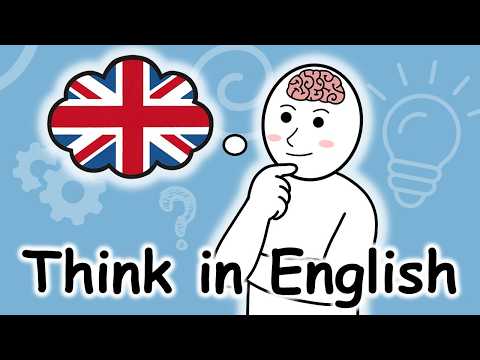
How to Train Your Brain to THINK IN ENGLISH (Without Forcing It)
0
VoiceTube posted on 2025/05/21Ever wish you could just *think* in English without translating? This video spills the beans on how to make that happen naturally, using fun techniques like changing your device language and imitating native speakers! You'll pick up practical tips to boost your daily English input and finally stop translating in your head.
Learn this video on the APP!
The VoiceTube App has more in-depth practice for videos!