
blank
US /blæŋk/
UK /blæŋk/
- Adjective
- Showing no emotion or understanding
- Being empty; not filled out; with no writing on it
- Noun
- Empty space on a form which you fill in
A2Morebrush
US /brʌʃ/
UK /brʌʃ/
- Verb (Transitive/Intransitive)
- To touch against a thing very lightly when moving
- To clean, paint, or apply something with a brush
- Noun (Countable/Uncountable)
- Quick and gentle movement
- Thing with hairs used to apply paint, etc.
A2Moreconfidence
US /ˈkɑnfɪdəns/
UK /'kɒnfɪdəns/
- Uncountable Noun
- Feeling that you can do well at something
- Feeling you can trust someone
A2Moreconfuse
US /kənˈfjuz/
UK /kənˈfju:z/
- Transitive Verb
- To make something unclear or hard to understand
- To mistake one person or thing for another.
A2Moreconnect
US /kəˈnɛkt/
UK /kə'nekt/
- Transitive Verb
- To associate a thing with something else
- To join or attach things together
A2Morecontinuous
US /kənˈtɪnjuəs/
UK /kənˈtɪnjuəs/
- Adjective
- Happening, existing, or performed without stops
- Extending or prolonged without interruption or cessation.
A2Moreemotion
US /ɪˈmoʃən/
UK /iˈməuʃən/
- Noun (Countable/Uncountable)
- A feeling such as sadness, anger or love
- A mental state that arises spontaneously rather than through conscious effort
A2Moreenemy
US /ˈɛnəmi/
UK /ˈenəmi/
- Noun
- Something that stops you doing what you want
- Group, or people, you are opposed to
A2Moreexam
US /ɪɡˈzæm/
UK /ɪgˈzæm/
- Noun
- (Medical) test to find out what is wrong
- Test of your knowledge of, or ability in something
- Transitive Verb
- To inspect (someone or something) in detail to determine their nature or condition; investigate thoroughly.
A2Moregive up
US /ɡɪv ʌp/
UK /ɡiv ʌp/
- Phrasal Verb
- To lose hope or admit defeat
- To decide to not start to try solving a problem
A1Morego on
US /ɡo ɑn/
UK /ɡəu ɔn/
- Phrasal Verb
- To continue doing something
- To happen (usually negative)
- Interjection
- Used to encourage someone
A1Moregrammar
US /ˈɡræmɚ/
UK /ˈgræmə(r)/
- Uncountable Noun
- Book describing the syntactic rules of a language
- Rules explaining how words are used in a language
B1Moregrandma
US /ˈɡrændˌmɑ,/
UK /ˈgrænmɑ:/
- Noun
- Mother of your father or mother
B2Morehave to
US /hæv tu/
UK /ˈhæv tə/
- Auxiliary Verb
- Must do
A1Morehooray
US /hʊˈre/
UK /hʊ'reɪ/
- Interjection
- Said to show delight at something happening
B2Morelook at
US /lʊk æt/
UK /luk æt/
- Phrasal Verb
- To use your eyes to focus on something
- To focus your eyes on something carefully
A1Morememorize
US /ˈmɛməˌraɪz/
UK /ˈmeməraɪz/
- Transitive Verb
- To study something so that you remember it
A2Moreon the table
US /ɑn ði ˈtebəl/
UK /ɔn ðə ˈteibl/
- Phrase
- Located on the surface of a table.
- Available for consideration or discussion.
A1Morepause
US /pɔz/
UK /pɔ:z/
- Verb (Transitive/Intransitive)
- To stop doing for a while before continuing
- To temporarily interrupt the execution of a program or process.
- Noun (Countable/Uncountable)
- A temporary break before continuing
- Function on a device to stop and restart it
A2Moresilly
US /ˈsɪli/
UK /'sɪlɪ/
- Adjective
- Careless
- Acting funny or playfully
A2Morespeech
US /spitʃ/
UK /spi:tʃ/
- Uncountable Noun
- A formal talk to an audience
- Expression of ideas or opinions by talking
A2TOEICMorestudy for
US /ˈstʌdi fɔr/
UK /ˈstʌdi fɔ:/
- Phrasal Verb
- To prepare for an examination or test by learning and revising the subject matter.
stupid
US /ˈstu:pɪd/
UK /ˈstju:pɪd/
- Adjective
- Not intelligent; lacking ability to learn easily
- Noun
- A stupid person.
A2Moresuperpower
US /ˈsu:pərpaʊə(r)/
UK /ˈsu:pəpaʊə(r)/
- Noun
- State powerful enough to influence world events
C2Moretense
US /tɛns/
UK /tens/
- Noun
- The use of grammar to state the time things happen
- Adjective
- Unable to relax; feeling nervous or stressed
- Stretched tight and stiff
A2TOEICMoreunexpected
US /ˌʌnɪkˈspektɪd/
UK /ˌʌnɪkˈspektɪd/
- Adjective
- Surprising because it was not expected
- Noun
- An event or occurrence that was not anticipated.
B2Moreused to
US /juzd tu/
UK /ˈju:st tə/
- Adjective
- Did regularly before, but don't do now
- Auxiliary Verb
- Have done before, but do not do now
A1Morewake up
US /wek ʌp/
UK /weik ʌp/
- Phrasal Verb
- To stop sleeping
- To become fully aware and alert to a situation.
A1Morewith it
US /wɪð ɪt/
UK /wið it/
- Adjective
- Intelligent, alert, and up-to-date.
- Understanding and knowledgeable about current trends or information.
A1More
Vocabulary
- give up: To lose hope or admit defeat
- used to: Did regularly before, but don't do now
- look at: To use your eyes to focus on something
- go on: To continue doing something
- with it: Intelligent, alert, and up-to-date.
- wake up: To stop sleeping
- study for: To prepare for an examination or test by learning and revising the subject matter.
- on the table: Located on the surface of a table.
- have to: Must do
- present: Being in attendance; being there; having turned up
- confidence: Feeling that you can do well at something
- describe: To tell the appearance, sound, smell of something
- express: To send something by fast mail
- silly: Careless
- sentence: (Of a judge) to decide the punishment of
- failure: When things go wrong; lack of function
- tense: The use of grammar to state the time things happen
- grammar: Book describing the syntactic rules of a language
- pause: To stop doing for a while before continuing
- unexpected: Surprising because it was not expected
- scary: Causing fear; frightening
- enemy: Something that stops you doing what you want
- emotion: A feeling such as sadness, anger or love
- learn: To get knowledge or skills by study or experience
- memorize: To study something so that you remember it
- simple: Not hard to understand or do; not complex
- blank: Showing no emotion or understanding
- connect: To associate a thing with something else
- speech: A formal talk to an audience
- pick: Sharp tool used for breaking the ground
- step: Movement done as part of a particular dance
- perfect: So good it cannot be improved
- remember: To give someone a gift, e.g. birthday, wedding
- hard: Difficult to do; difficult to understand
- mistake: Something done wrong/calculated wrong; error
- future: Time that is to come after the present
- brush: To touch against a thing very lightly when moving
- stupid: Not intelligent; lacking ability to learn easily
- confuse: To make something unclear or hard to understand
- continuous: Happening, existing, or performed without stops
- exam: (Medical) test to find out what is wrong
- hooray: Said to show delight at something happening
- superpower: State powerful enough to influence world events
- grandma: Mother of your father or mother
Get the full experience in the app
Learn anywhere with detailed sentence and usage analysis
01:03
She took a brave step forward, leaving behind her comfort zone to chase her dreams.
Vocabulary
- brave
adj. Having courage
- comfort zone
phr. A familiar situation where one feels safe
Explanation
a brave step is a noun phrase, where brave is an adjective modifying the noun step, meaning "a courageous step".
forward is an adverb modifying step, meaning "ahead".
The whole phrase serves as the object, answering the "what" of took (verb) — she took a brave step forward.
Get the full experience in the app
Look up words anytime with pronunciation, part of speech, and usage
brave
US/brev/
UK/breɪv/
adj.Brave
v.t.To bravely face
A2 Elementary
Get the full experience in the app
Practice speaking anytime and get instant pronunciation feedback
Try this speaking exercise.
Try practicing with this sentence.
80
How I master English grammar ?
0
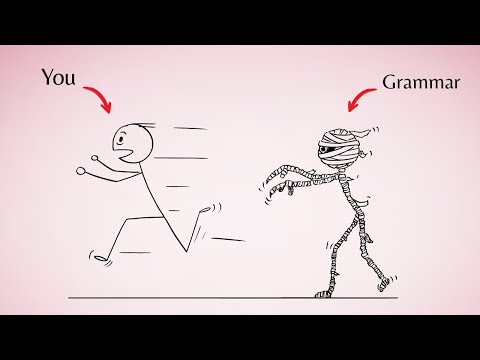
VoiceTube posted on 2025/05/13Ever felt intimidated by English grammar? This video shares a personal journey of overcoming that fear with daily practice and fun techniques, perfect for beginners! You'll discover how to make grammar a part of your daily routine and even pick up some shadowing tips along the way.
Learn this video on the APP!
The VoiceTube App has more in-depth practice for videos!