Vocabulary
- in the past: During a former period of time; previously.
- used to: Did regularly before, but don't do now
- talking about: To discuss a particular topic.
- got to: To arrive at some place
- used up: To use all of; consume
- speak to: To address or communicate with someone.
- quite simply: In a clear and straightforward manner; without complication.
- at the moment: At this time; now
- come by: To become the owner of something, e.g. by accident
- made with: Containing a particular ingredient or material.
- rely on: To depend on someone or something
- shut down: To close an operating system, e.g. on a computer
- have to: Must do
- thankful for: Feeling or expressing gratitude; appreciative.
- up there: In or to a higher place or position; far away.
- for now: Temporarily; for the present time.
- by day: During the daytime; not at night.
- in total: Completely; with everything added together.
- in the face of: When confronted with something difficult or challenging.
- in fact: Used to emphasize the truth of a statement, especially one that contrasts with or contradicts something else.
- bring back: To cause to remember
- in accordance with: In agreement with; following
- threat to: A person or thing likely to cause damage or danger.
- in terms of
- tough: (Of food) difficult to chew or bite through
- desperate: Being beyond hope; prepared to do anything
- devastating: To cause extensive destruction or ruin utterly
- community: Group of people who share a common idea or area
- complex: Group of buildings all used for the same purpose
- demand: Desire customers have to buy product, service
- pressure: Anxiety caused by difficult problems
- protein: Group of molecules made from amino acids
- cruel: Hurtful; acting to hurt others intentionally
- military: Army or armed forces
- remain: To be left behind; to continue to exist
- release: To free someone from a responsibility or burden
- effect: An advantage, benefit
- aid: To help others and provide things
- mass: Religious ceremony in some Christian churches
- risk: To do something potentially dangerous or foolish
- relief: Aid given to people in need as after war/disaster
- refugee: Person forced to leave their home e.g. due to war
- agency: Business that provides some service for others
- acute: (Of an angle in math) of less than 90 degrees
- offensive: Causing displeasure or anger
- dire: (E.g. of consequences) very serious
- crime: Act that is believed to be a mistake or foolish
- collective: Business owned or controlled by its workers
- moment: Very short or brief period of time
- policy: Document stating terms of an insurance agreement
- starve: To (cause to) be hungry or go without food
- delivery: Way someone acts when speaking publicly
- block: Solid piece of material used for building
- director: Senior person who manages part of an organization
- malnutrition: Not having enough to eat, or having a poor diet
- support: To give assistance or advice to someone
- public: Owned by the government
- unfold: (Of a situation) to be told or revealed
- steal: A bargain; something bought very cheaply
- raid: Sudden entry by police; surprise attack by army
- humanitarian: Person who tries to help those in a crisis
- bring: To take or go with someone to a place
- warehouse: Large building for storing goods, e.g. grain
- pharmacy: Shop where medicines are prepared and sold
- sauce: Food made from cooked fruit, e.g. apples or mangos
- dismantle: To take something apart in an organized way
- needy: Poor; without much money
- start: First time or place that a thing exists; beginning
- flour: Powder made from a grain used in cooking
- meal: Food for eating at a particular time, e.g. dinner
- accordance: Agreement (with a statement, plan etc.)
- closure: Feeling of accepting a death, divorce etc.
- warfare: Methods used by those fighting in a war
- ceasefire: Agreement by two sides in a war to stop fighting
- people: Persons sharing culture, country, background, etc.
- close: Almost; near
- sprawl: To spread out in an uncontrolled way
- face: To cover a surface with something like paint
- hope: When you wish something will happen; what you wish
- israel: Jewish republic in southwestern Asia at eastern end of Mediterranean; formerly part of Palestine
- blockade: To block or impede the movement of people, objects
- bread: Money or earnings
- hunger: Strong desire or need
- complicit: Being involved with someone in a crime, etc.
- abomination: Something or someone that makes you feel disgust
- lifeline: Rope or cord used to attach a person to a boat
- systemic: Affecting the entire body, system
Get the full experience in the app
Learn anywhere with detailed sentence and usage analysis
01:03
She took a brave step forward, leaving behind her comfort zone to chase her dreams.
Vocabulary
- brave
adj. Having courage
- comfort zone
phr. A familiar situation where one feels safe
Explanation
a brave step is a noun phrase, where brave is an adjective modifying the noun step, meaning "a courageous step".
forward is an adverb modifying step, meaning "ahead".
The whole phrase serves as the object, answering the "what" of took (verb) — she took a brave step forward.
Get the full experience in the app
Look up words anytime with pronunciation, part of speech, and usage
brave
US/brev/
UK/breɪv/
adj.Brave
v.t.To bravely face
A2 Elementary
Get the full experience in the app
Practice speaking anytime and get instant pronunciation feedback
Try this speaking exercise.
Try practicing with this sentence.
80
0
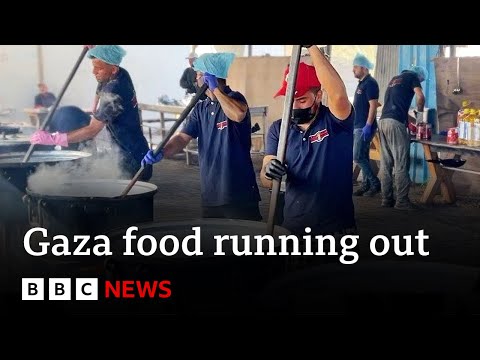
程冠傑 posted on 2025/05/03This BBC News report dives into the dire warnings about mass starvation in Gaza, exploring the impact of the blockade and the vital work of organizations like UNRWA and the World Food Programme. You'll gain a deeper understanding of this complex situation while picking up advanced vocabulary related to humanitarian crises and international affairs.
Learn this video on the APP!
The VoiceTube App has more in-depth practice for videos!