
abomination
US /əˌbɑ:mɪˈneɪʃn/
UK /əˌbɒmɪˈneɪʃn/
- Noun
- Something or someone that makes you feel disgust
C1Moreaccordance
US /əˈkɔ:rdns/
UK /əˈkɔ:dns/
- Uncountable Noun
- Agreement (with a statement, plan etc.)
B2TOEICMoreacute
US /əˈkjut/
UK /əˈkju:t/
- Adjective
- (Of an angle in math) of less than 90 degrees
- Strong; very serious or severe
B1Moreagency
US /ˈedʒənsi/
UK /'eɪdʒənsɪ/
- Noun (Countable/Uncountable)
- Business that provides some service for others
B1TOEICMoreaid
US /ed/
UK /eɪd/
- Transitive Verb
- To help others and provide things
- Noun (Countable/Uncountable)
- Action of giving help to others
- Money or help given to those who need it
A2TOEICMoreat the moment
US
UK
- Adverb
- At this time; now
A1Moreblock
US /blɑk/
UK /blɒk/
- Noun (Countable/Uncountable)
- Solid piece of material used for building
- A piece of wood, chocolate etc.
- Transitive Verb
- To stop from going forward or making progress
- To obstruct or prevent the movement or passage of.
A2Moreblockade
US /blɑ:ˈkeɪd/
UK /blɒˈkeɪd/
- Transitive Verb
- To block or impede the movement of people, objects
- Noun
- Arrangement that blocks or impedes movement
B2Morebring back
US /brɪŋ bæk/
UK /briŋ bæk/
- Phrasal Verb
- To cause to remember
- To return something
A1Moreby day
US /baɪ de/
UK /bai dei/
- Phrase
- During the daytime; not at night.
A2Moreceasefire
US
UK
- Noun
- Agreement by two sides in a war to stop fighting
C2Moreclosure
US /ˈkloʊʒə(r)/
UK /ˈkləʊʒə(r)/
- Uncountable Noun
- Feeling of accepting a death, divorce etc.
- Noun (Countable/Uncountable)
- Act of closing something
B2Morecollective
US /kəˈlɛktɪv/
UK /kəˈlektɪv/
- Noun
- Business owned or controlled by its workers
- Adjective
- Formed by working together as a group
A2Morecome by
US /kʌm baɪ/
UK /kʌm bai/
- Phrasal Verb
- To become the owner of something, e.g. by accident
- To visit someone
A1Morecommunity
US /kəˈmjunɪti/
UK /kə'mju:nətɪ/
- Noun (Countable/Uncountable)
- Group of people who share a common idea or area
- A feeling of fellowship with others, as a result of sharing common attitudes, interests, and goals.
- Adjective
- Relating to or shared by the people in a particular area.
- Shared or participated in by all members of a group
A2Morecomplex
US /kəmˈplɛks, ˈkɑmˌplɛks/
UK /'kɒmpleks/
- Countable Noun
- Group of buildings all used for the same purpose
- Adjective
- Not being simple; having many parts or aspects
A2Morecomplicit
US /kəmˈplɪsɪt/
UK /kəmˈplɪsɪt/
- Adjective
- Being involved with someone in a crime, etc.
C2Morecrime
US /kraɪm/
UK /kraɪm/
- Noun (Countable/Uncountable)
- Act that is believed to be a mistake or foolish
- Act that is against the law; murder, theft etc.
A2Morecruel
US /ˈkruəl/
UK /'kru:əl/
- Adjective
- Hurtful; acting to hurt others intentionally
- Extremely harsh or severe.
B1Moredelivery
US /dɪˈlɪvəri, -ˈlɪvri/
UK /dɪˈlɪvəri/
- Noun
- Way someone acts when speaking publicly
- Act of taking something to a person or place
A2TOEICMoredemand
US /dɪˈmænd/
UK /dɪ'mɑ:nd/
- Noun (Countable/Uncountable)
- Desire customers have to buy product, service
- A strong request for someone to do something
- Transitive Verb
- To strongly request someone to do something
- To need something.
A2TOEICMoredesperate
US /ˈdɛspərɪt/
UK /ˈdespərət/
- Adjective
- Being beyond hope; prepared to do anything
- State of urgently wanting to go to the toilet
A2Moredevastating
US
UK
- Transitive Verb
- To cause extensive destruction or ruin utterly
- Adjective
- Destroying everything; very shocking
- Causing great emotional pain or shock.
B1Moredire
US /daɪr/
UK /ˈdaɪə(r)/
- Adjective
- (E.g. of consequences) very serious
B2Moredirector
US /dɪˈrɛktɚ, daɪ-/
UK /də'rektə(r)/
- Noun
- Senior person who manages part of an organization
- Person who controls the acting in a movie or play
A2TOEICMoredismantle
US /dɪsˈmæntl/
UK /dɪs'mæntl/
- Transitive Verb
- To take something apart in an organized way
- To gradually cause something to come to an end or fail.
B2Moreflour
US /flaʊr/
UK /ˈflaʊə(r)/
- Uncountable Noun
- Powder made from a grain used in cooking
- Transitive Verb
- To cover something with flour in cooking
B1Morefor now
US /fɔr naʊ/
UK /fɔ: nau/
- Phrase
- Temporarily; for the present time.
- In the short term; for the immediate future.
A1Moregot to
US /ɡɑt tu/
UK /gɔt tu:/
- Verb (Transitive/Intransitive)
- To arrive at some place
- To have the opportunity or permission to do something
- Phrasal Verb
- To appeal to the emotions of; move
- To finally begin to start something after a delay
A1Morehave to
US /hæv tu/
UK /ˈhæv tə/
- Auxiliary Verb
- Must do
A1Morehumanitarian
US /hju:ˌmænɪˈteriən/
UK /hju:ˌmænɪˈteəriən/
- Noun
- Person who tries to help those in a crisis
- Adjective
- Concerned with or seeking to promote human welfare.
B2Morehunger
US /ˈhʌŋɡɚ/
UK /ˈhʌŋgə(r)/
- Noun (Countable/Uncountable)
- Strong desire or need
- Need for food; a severe lack of food
- Intransitive Verb
- To feel hunger; to suffer from a lack of food.
B2Morein accordance with
US /ɪn əˈkɔrdns wɪð/
UK /in əˈkɔ:dəns wið/
- Phrase
- In agreement with; following
in fact
US /ɪn fækt/
UK /in fækt/
- Adverb
- Used to emphasize the truth of a statement, especially one that contrasts with or contradicts something else.
- Used to introduce a more detailed or surprising piece of information.
- Phrase
- Used to emphasize the truth of a statement, especially one that is surprising or contrary to what might be expected.
C1Morein terms of
US
UK
- Phrase
- With regard to; concerning a particular aspect.
A1Morein the face of
US //ɪn ðə feɪs ɑv//
UK
- Phrase
- When confronted with something difficult or challenging.
- Despite; in defiance of; when confronted with.
A1Morein the past
US
UK
- Phrase
- During a former period of time; previously.
A1Morein total
US /ɪn ˈtotl/
UK /in ˈtəutəl/
- Phrase
- Completely; with everything added together.
A1Morelifeline
US /ˈlaɪfˌlaɪn/
UK /'laɪflaɪn/
- Noun
- Rope or cord used to attach a person to a boat
C1Moremade with
US
UK
- Phrase
- Containing a particular ingredient or material.
- Created or produced using a specific tool, method, or process.
- Phrasal Verb
- To offer or provide something, often quickly or unexpectedly.
A1Moremalnutrition
US /ˌmælnu:ˈtrɪʃn/
UK /ˌmælnju:ˈtrɪʃn/
- Uncountable Noun
- Not having enough to eat, or having a poor diet
C1Moremass
US /mæs/
UK /mæs/
- Noun (Countable/Uncountable)
- Religious ceremony in some Christian churches
- Large amount or number of something
- Transitive Verb
- To gather people or things into a large group
B1Moremilitary
US /ˈmɪlɪˌtɛri/
UK /'mɪlətrɪ/
- Noun
- Army or armed forces
- Adjective
- Concerning the army or navy
B1Moreneedy
US /ˈnidi/
UK /ˈni:di/
- Adjective
- Poor; without much money
B2Moreoffensive
US /əˈfɛnsɪv/
UK /əˈfensɪv/
- Adjective
- Causing displeasure or anger
- Attacking or intended to attack
- Noun
- A military attack
B1TOEICMorepharmacy
US /ˈfɑ:rməsi/
UK /ˈfɑ:məsi/
- Countable Noun
- Shop where medicines are prepared and sold
B1Morepolicy
US /ˈpɑlɪsi/
UK /'pɒləsɪ/
- Noun
- Document stating terms of an insurance agreement
- Course of action proposed by an organization, etc.
A2TOEICMorepressure
US /ˈprɛʃɚ/
UK /'preʃə(r)/
- Noun (Countable/Uncountable)
- Anxiety caused by difficult problems
- Force, weight when pressing against a thing
- Transitive Verb
- To apply force to something
- To persuade or force someone to do something
A2TOEICMoreprotein
US /ˈprəʊˌtiːn/
UK /ˈprəʊti:n/
- Noun (Countable/Uncountable)
- Group of molecules made from amino acids
B1Morequite simply
US
UK
- Phrase
- In a clear and straightforward manner; without complication.
- Used to emphasize the truth or importance of a statement.
A2Moreraid
US /red/
UK /reɪd/
- Noun
- Sudden entry by police; surprise attack by army
- A sudden aggressive incursion.
- Transitive Verb
- (Army) to suddenly enter or attack a place
- To suddenly enter or attack, e.g. to steal or harm
B1Morerefugee
US /ˌrɛfjʊˈdʒi/
UK /ˌrefjuˈdʒi:/
- Countable Noun
- Person forced to leave their home e.g. due to war
B2Morerelease
US /rɪ'li:s/
UK /rɪ'li:s/
- Transitive Verb
- To free someone from a responsibility or burden
- To allow a film, music etc. to be sold/distributed
- Noun
- Act of freeing someone from a duty or burden
- Introduction of a new product, film, book, etc.
A2TOEICMorerelief
US /rɪˈlif/
UK /rɪˈli:f/
- Noun (Countable/Uncountable)
- Aid given to people in need as after war/disaster
- Artwork, e.g. part of wall, that partly sticks out
B1TOEICMorerely on
US /rɪˈlaɪ ɑn/
UK /riˈlai ɔn/
- Phrasal Verb
- To depend on someone or something
A2Moreremain
US /rɪˈmen/
UK /rɪˈmeɪn/
- Intransitive Verb
- To be left behind; to continue to exist
- To stay in a place when other people have gone
A2TOEICMoresauce
US /sɔs/
UK /sɔ:s/
- Noun (Countable/Uncountable)
- Food made from cooked fruit, e.g. apples or mangos
B1Moreshut down
US /ʃʌt daʊn/
UK /ʃʌt daun/
- Phrasal Verb
- To close an operating system, e.g. on a computer
- To stop a factory/machine from operating
- Transitive Verb
- To deactivate a nuclear reactor.
- To turn off a computer or other electronic device.
A2Morespeak to
US /spik tu/
UK /spi:k tu:/
- Verb (Transitive/Intransitive)
- To address or communicate with someone.
- To indicate or suggest something; to be relevant to.
A1Moresprawl
US /sprɔl/
UK /sprɔ:l/
- Intransitive Verb
- To spread out in an uncontrolled way
B2Morestarve
US /stɑ:rv/
UK /stɑ:v/
- Verb (Transitive/Intransitive)
- To (cause to) be hungry or go without food
- To need or desire very strongly
B1Moresystemic
US /sɪˈstɛmɪk/
UK /sɪ'stemɪk/
- Adjective
- Affecting the entire body, system
- Relating to or affecting the entire body or a system.
B2Moretalking about
US
UK
- Phrasal Verb
- To discuss a particular topic.
- To be constantly mentioning or bringing up a subject.
A1Morethankful for
US
UK
- Adjective
- Feeling or expressing gratitude; appreciative.
- Grateful for a particular situation or benefit.
C1Morethreat to
US
UK
- Phrase
- A person or thing likely to cause damage or danger.
- A statement of an intention to inflict pain, injury, damage, or other hostile action on someone in retribution for or opposition to something done or not done.
B2Moretough
US /tʌf/
UK /tʌf/
- Adjective
- (Of food) difficult to chew or bite through
- Very difficult to do or deal with
- Noun
- A rough and aggressive person.
A2Moreunfold
US /ʌnˈfold/
UK /ʌn'fəʊld/
- Verb (Transitive/Intransitive)
- (Of a situation) to be told or revealed
- To open something that was folded
- Intransitive Verb
- To happen, be told or be revealed
B1Moreup there
US /ʌp ðɛr/
UK /ʌp ðɛə/
- Adverb
- In or to a higher place or position; far away.
- In heaven.
A1Moreused to
US /juzd tu/
UK /ˈju:st tə/
- Adjective
- Did regularly before, but don't do now
- Auxiliary Verb
- Have done before, but do not do now
A1Moreused up
US
UK
- Phrasal Verb
- To use all of; consume
- Adjective
- Exhausted or depleted.
A1Morewarehouse
US /ˈwerhaʊs/
UK /ˈweəhaʊs/
- Noun (Countable/Uncountable)
- Large building for storing goods, e.g. grain
- Transitive Verb
- To store things in a large building
B2TOEICMorewarfare
US /ˈwɔrˌfɛr/
UK /ˈwɔ:fɛə/
- Uncountable Noun
- Methods used by those fighting in a war
- Engagement in or the activities involved in war or conflict.
B2More
Vocabulary
- in the past: During a former period of time; previously.
- used to: Did regularly before, but don't do now
- talking about: To discuss a particular topic.
- got to: To arrive at some place
- used up: To use all of; consume
- speak to: To address or communicate with someone.
- quite simply: In a clear and straightforward manner; without complication.
- at the moment: At this time; now
- come by: To become the owner of something, e.g. by accident
- made with: Containing a particular ingredient or material.
- rely on: To depend on someone or something
- shut down: To close an operating system, e.g. on a computer
- have to: Must do
- thankful for: Feeling or expressing gratitude; appreciative.
- up there: In or to a higher place or position; far away.
- for now: Temporarily; for the present time.
- by day: During the daytime; not at night.
- in total: Completely; with everything added together.
- in the face of: When confronted with something difficult or challenging.
- in fact: Used to emphasize the truth of a statement, especially one that contrasts with or contradicts something else.
- bring back: To cause to remember
- in accordance with: In agreement with; following
- threat to: A person or thing likely to cause damage or danger.
- in terms of
- tough: (Of food) difficult to chew or bite through
- desperate: Being beyond hope; prepared to do anything
- devastating: To cause extensive destruction or ruin utterly
- community: Group of people who share a common idea or area
- complex: Group of buildings all used for the same purpose
- demand: Desire customers have to buy product, service
- pressure: Anxiety caused by difficult problems
- protein: Group of molecules made from amino acids
- cruel: Hurtful; acting to hurt others intentionally
- military: Army or armed forces
- remain: To be left behind; to continue to exist
- release: To free someone from a responsibility or burden
- effect: An advantage, benefit
- aid: To help others and provide things
- mass: Religious ceremony in some Christian churches
- risk: To do something potentially dangerous or foolish
- relief: Aid given to people in need as after war/disaster
- refugee: Person forced to leave their home e.g. due to war
- agency: Business that provides some service for others
- acute: (Of an angle in math) of less than 90 degrees
- offensive: Causing displeasure or anger
- dire: (E.g. of consequences) very serious
- crime: Act that is believed to be a mistake or foolish
- collective: Business owned or controlled by its workers
- moment: Very short or brief period of time
- policy: Document stating terms of an insurance agreement
- starve: To (cause to) be hungry or go without food
- delivery: Way someone acts when speaking publicly
- block: Solid piece of material used for building
- director: Senior person who manages part of an organization
- malnutrition: Not having enough to eat, or having a poor diet
- support: To give assistance or advice to someone
- public: Owned by the government
- unfold: (Of a situation) to be told or revealed
- steal: A bargain; something bought very cheaply
- raid: Sudden entry by police; surprise attack by army
- humanitarian: Person who tries to help those in a crisis
- bring: To take or go with someone to a place
- warehouse: Large building for storing goods, e.g. grain
- pharmacy: Shop where medicines are prepared and sold
- sauce: Food made from cooked fruit, e.g. apples or mangos
- dismantle: To take something apart in an organized way
- needy: Poor; without much money
- start: First time or place that a thing exists; beginning
- flour: Powder made from a grain used in cooking
- meal: Food for eating at a particular time, e.g. dinner
- accordance: Agreement (with a statement, plan etc.)
- closure: Feeling of accepting a death, divorce etc.
- warfare: Methods used by those fighting in a war
- ceasefire: Agreement by two sides in a war to stop fighting
- people: Persons sharing culture, country, background, etc.
- close: Almost; near
- sprawl: To spread out in an uncontrolled way
- face: To cover a surface with something like paint
- hope: When you wish something will happen; what you wish
- blockade: To block or impede the movement of people, objects
- israel: Jewish republic in southwestern Asia at eastern end of Mediterranean; formerly part of Palestine
- bread: Money or earnings
- hunger: Strong desire or need
- complicit: Being involved with someone in a crime, etc.
- abomination: Something or someone that makes you feel disgust
- lifeline: Rope or cord used to attach a person to a boat
- systemic: Affecting the entire body, system
Get the full experience in the app
Learn anywhere with detailed sentence and usage analysis
01:03
She took a brave step forward, leaving behind her comfort zone to chase her dreams.
Vocabulary
- brave
adj. Having courage
- comfort zone
phr. A familiar situation where one feels safe
Explanation
a brave step is a noun phrase, where brave is an adjective modifying the noun step, meaning "a courageous step".
forward is an adverb modifying step, meaning "ahead".
The whole phrase serves as the object, answering the "what" of took (verb) — she took a brave step forward.
Get the full experience in the app
Look up words anytime with pronunciation, part of speech, and usage
brave
US/brev/
UK/breɪv/
adj.Brave
v.t.To bravely face
A2 Elementary
Get the full experience in the app
Practice speaking anytime and get instant pronunciation feedback
Try this speaking exercise.
Try practicing with this sentence.
80
0
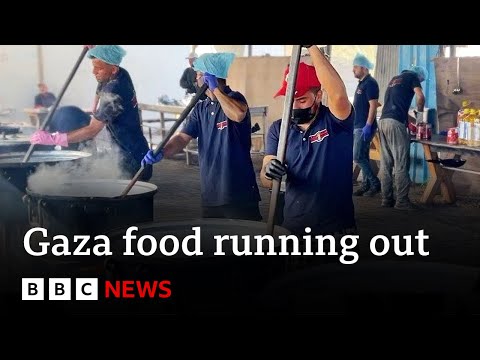
程冠傑 posted on 2025/05/03This BBC News report dives into the dire warnings about mass starvation in Gaza, exploring the impact of the blockade and the vital work of organizations like UNRWA and the World Food Programme. You'll gain a deeper understanding of this complex situation while picking up advanced vocabulary related to humanitarian crises and international affairs.
Learn this video on the APP!
The VoiceTube App has more in-depth practice for videos!