
advantage
US /ædˈvæntɪdʒ/
UK /əd'vɑ:ntɪdʒ/
- Noun (Countable/Uncountable)
- Thing making the chance of success higher
- A positive point about something
- Transitive Verb
- To make use of something, especially to further one's own position; exploit.
A2TOEICMoreaffect
US /əˈfɛkt/
UK /ə'fekt/
- Transitive Verb
- To cause a change in something else
- To pretend to have or feel (something).
- Noun
- (Psychology) Emotion or feeling.
A2TOEICMoreapproach
US /əˈprəʊtʃ/
UK /ə'prəʊtʃ/
- Verb (Transitive/Intransitive)
- To get close to reaching something or somewhere
- To request someone to do something specific
- Noun (Countable/Uncountable)
- Means of reaching a place, often a road or path
- Request of someone with a specific goal in mind
A2TOEICMoreavoid
US /əˈvɔɪd/
UK /ə'vɔɪd/
- Transitive Verb
- To prevent from happening
- To stay away from
A2TOEICMorecancer
US /ˈkænsɚ/
UK /'kænsə(r)/
- Noun
- Any growth caused by abnormal cell division
B1Moreclinical
US /ˈklɪnɪkəl/
UK /ˈklɪnɪkl/
- Adjective
- Concerning the treatment or observing patients
- Using scientific techniques and precision
B1Moredeficiency
US /dɪˈfɪʃənsi/
UK /dɪˈfɪʃnsi/
- Noun
- Lack of something that is necessary
B2Morediagnose
US /ˌdaɪəgˈnoʊs/
UK /ˈdaɪəgnəʊz/
- Transitive Verb
- To determine the cause of an illness or problem
B1Morediagnosis
US /ˌdaɪəgˈnoʊsɪs/
UK /ˌdaɪəgˈnəʊsɪs/
- Noun (plural)
- Judgments by a doctor about a person's illness
- Noun
- The identification of a disease or condition.
B1Moredivide
US /dɪˈvaɪd/
UK /dɪ'vaɪd/
- Verb (Transitive/Intransitive)
- To split numbers by another number, e.g. 6 / 2 = 3
- To separate something into equal pieces
- Noun
- A separation or distinction.
A2TOEICMoredrug
US /drʌɡ/
UK /drʌɡ/
- Noun (Countable/Uncountable)
- Illegal substance taken for effect on the mind
- Chemical used as a medicine
- Transitive Verb
- To give drugs to someone to make them sleep
A2Moreevidence of
US
UK
- Phrase
- Facts, objects, or signs that make you believe that something is true.
- Something that shows that something else exists or is true.
A1Moreexpose
US /ɪkˈspoʊz/
UK /ɪk'spəʊz/
- Transitive Verb
- To make visible, without covering or protection
- To allow light through a cameras lens onto film
A2TOEICMoreforeign
US /ˈfɔ:rən/
UK /ˈfɒrən/
- Adjective
- Being of a different place or country
- Strange; different from ones found at home
A2TOEICMoregain
US /ɡen/
UK /ɡeɪn/
- Verb (Transitive/Intransitive)
- To increase in something, such as weight
- To get something wanted, needed or valued
- Noun (Countable/Uncountable)
- An increase in something, such as weight
A2TOEICMoregenetic
US /dʒəˈnɛtɪk/
UK /dʒəˈnetɪk/
- Adjective
- Of, relating to, or controlled by genes
- Relating to genes or heredity.
B1Morehave to
US /hæv tu/
UK /ˈhæv tə/
- Auxiliary Verb
- Must do
A1Moreimmune
US /ɪˈmjoon/
UK /ɪˈmju:n/
- Adjective
- Having a special protection from, e.g. the law
- Protected against a particular disease or condition because of antibodies or vaccination.
B1Morelottery
US /ˈlɑtəri/
UK /'lɒtərɪ/
- Countable Noun
- Betting game of buying tickets to win money
- Condition in which outcome is determined by luck
B2Moremismatch
US /mɪsˈmætʃ/
UK /ˈmɪsmætʃ/
- Verb (Transitive/Intransitive)
- To not be the same as or as good as
- (Of two or more things) to not go well together
- Noun (Countable/Uncountable)
- Not equal in a contest
- Two objects or people that do not go together
B1Moremutation
US /mjuˈteʃən/
UK /mju:'teɪʃn/
- Noun
- Change that changes genetic structure
B2Morepancreatic
US /ˌpæŋkrɪ'ætɪk/
UK /ˌpæŋkrɪ'ætɪk/
- Adjective
- Do with the long gland, that is behind the stomach
C2Morepredominantly
US /prɪˈdɑ:mɪnəntli/
UK /prɪˈdɒmɪnəntli/
- Adverb
- Mainly; in a way that indicates a greater degree
- In a way that is most noticeable or has the most influence.
C2Moreradiation
US /ˌrediˈeʃən/
UK /ˌreɪdiˈeɪʃn/
- Noun (Countable/Uncountable)
- Energy transmitted as rays, waves or particles
- Harmful waves of energy from nuclear activity
B1Morereality
US /riˈælɪti/
UK /rɪ'ælətɪ/
- Noun (Countable/Uncountable)
- What is true, as opposed to what is imagined
- The state of things as they actually exist, rather than as they may appear or might be imagined.
A2Morerev
US /rɛv/
UK /rev/
- Abbreviation
- Short form of reverend
- Verb (Transitive/Intransitive)
- To make an engine turn faster, making a loud noise
B2Moreshut
US /ʃʌt/
UK /ʃʌt/
- Intransitive Verb
- To stop being open for business
- Transitive Verb
- To close something, e.g. a door
A2Moreshut down
US /ʃʌt daʊn/
UK /ʃʌt daun/
- Phrasal Verb
- To close an operating system, e.g. on a computer
- To stop a factory/machine from operating
- Transitive Verb
- To deactivate a nuclear reactor.
- To turn off a computer or other electronic device.
A2Moreskip
US /skɪp/
UK /skɪp/
- Countable Noun
- Very large waste disposal bin
- Intransitive Verb
- To move forward by taking fast steps and jumps
- To move rapidly, from one topic to another
B2Morestomach
US /ˈstʌmək/
UK /'stʌmək/
- Noun
- Place in the body where food is processed
- Verb (Transitive/Intransitive)
- to be able to accept something unpleasant
A2Moresurgery
US /ˈsɚdʒəri/
UK /'sɜ:dʒərɪ/
- Noun (Countable/Uncountable)
- Medical operation involving cutting into body
- A doctor's office; health clinic
B1Moretreatment
US /ˈtritmənt/
UK /ˈtri:tmənt/
- Noun (Countable/Uncountable)
- Medicine or method to make someone healthier
- Way someone acts toward another
A2TOEICMoretrial
US /ˈtraɪəl, traɪl/
UK /ˈtraɪəl/
- Noun (Countable/Uncountable)
- Hearing and judgment of a case in court
- Act or process of testing or experimenting
- Transitive Verb
- To be made or done as a test or experiment
A2TOEICMoretumor
US /'tju:mə/
UK /'tju:mə/
- Noun (Countable/Uncountable)
- Abnormal growth of cells; cancer
- A swelling of a part of the body, generally without inflammation, caused by an abnormal growth of tissue, whether benign or malignant.
B1Morewinning the lottery
US
UK
- Intransitive Verb
- To be successful in a game of chance where numbers are drawn.
- Noun
- The event of being successful in a lottery.
wipe
US /waɪp/
UK /waɪp/
- Transitive Verb
- To clean or dry something with a cloth
- To spread a liquid on something
- Noun
- Act to clean or dry something with a cloth
A2More
Vocabulary
- have to: Must do
- shut down: To close an operating system, e.g. on a computer
- evidence of: Facts, objects, or signs that make you believe that something is true.
- winning the lottery: To be successful in a game of chance where numbers are drawn.
- approach: To get close to reaching something or somewhere
- immune: Having a special protection from, e.g. the law
- evidence: Factual proof that helps to establish the truth
- effective: Working efficiently to produce a desired result
- advantage: Thing making the chance of success higher
- trial: Hearing and judgment of a case in court
- reality: What is true, as opposed to what is imagined
- mutation: Change that changes genetic structure
- divide: To split numbers by another number, e.g. 6 / 2 = 3
- avoid: To prevent from happening
- affect: To cause a change in something else
- predominantly: Mainly; in a way that indicates a greater degree
- genetic: Of, relating to, or controlled by genes
- surgery: Medical operation involving cutting into body
- lead: Wire for electricity, computer, etc.; cable
- clinical: Concerning the treatment or observing patients
- radiation: Energy transmitted as rays, waves or particles
- gain: To increase in something, such as weight
- expose: To make visible, without covering or protection
- treatment: Medicine or method to make someone healthier
- foreign: Being of a different place or country
- favorite: A thing that someone likes best or enjoys most
- stomach: Place in the body where food is processed
- diagnose: To determine the cause of an illness or problem
- deficiency: Lack of something that is necessary
- promise: To say you will certainly do something
- diagnosis: Judgments by a doctor about a person's illness
- wipe: To clean or dry something with a cloth
- system: Set of organized, planned ideas that work together
- active: Moving around a lot or doing many things
- shut: To stop being open for business
- find: To become aware of something that is happening
- drug: Illegal substance taken for effect on the mind
- tumor: Abnormal growth of cells; cancer
- part: Division of a book
- area: Amount of measured space
- lottery: Betting game of buying tickets to win money
- disappear: To no longer see because it's not there any more
- check: Paper showing how much you owe at a restaurant
- remove: To get rid of something completely
- life: All the living things e.g. animals, plants, humans
- esophagus: The passage between the pharynx and the stomach
- skip: Very large waste disposal bin
- cancer: Any growth caused by abnormal cell division
- rev: Short form of reverend
- mismatch: To not be the same as or as good as
- pancreatic: Do with the long gland, that is behind the stomach
Get the full experience in the app
Learn anywhere with detailed sentence and usage analysis
01:03
She took a brave step forward, leaving behind her comfort zone to chase her dreams.
Vocabulary
- brave
adj. Having courage
- comfort zone
phr. A familiar situation where one feels safe
Explanation
a brave step is a noun phrase, where brave is an adjective modifying the noun step, meaning "a courageous step".
forward is an adverb modifying step, meaning "ahead".
The whole phrase serves as the object, answering the "what" of took (verb) — she took a brave step forward.
Get the full experience in the app
Look up words anytime with pronunciation, part of speech, and usage
brave
US/brev/
UK/breɪv/
adj.Brave
v.t.To bravely face
A2 Elementary
Get the full experience in the app
Practice speaking anytime and get instant pronunciation feedback
Try this speaking exercise.
Try practicing with this sentence.
80
0
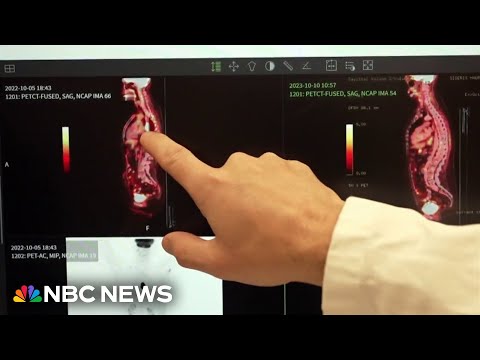
VoiceTube posted on 2025/04/30Get ready for some amazing news in cancer treatment! This video dives into a major breakthrough using immunotherapy for esophageal cancer, potentially helping patients avoid surgery. You'll pick up some really useful advanced vocabulary related to genetic testing and clinical trials along the way!
Learn this video on the APP!
The VoiceTube App has more in-depth practice for videos!