
advance
US /ædˈvæns/
UK /əd'vɑ:ns/
- Noun
- Forward movement by an army
- An attempt to seduce someone
- Verb (Transitive/Intransitive)
- (Of an army) to move forward
- To change or improve
A2TOEICMoreafter all
US /ˈæftɚ ɔl/
UK /ˈɑ:ftə ɔ:l/
- Adverb
- In spite of what was expected; used to introduce a statement that supports a previous statement or explains why it was made
- Considering everything; used to indicate that something is happening or is true despite some difficulty or obstacle
- Phrase
- Despite what was expected or thought; in spite of everything.
- Taking everything into consideration; considering that.
B1Morealong with
US /əˈlɔŋ wɪð/
UK /əˈlɔŋ wið/
- Preposition
- In addition to; together with.
- Adverb
- In company or together with someone or something.
- Including; in addition to.
A2Moreanalysis
US /əˈnælɪsɪs/
UK /əˈnæləsɪs/
- Uncountable Noun
- Careful study to better understand something
B1TOEICMoreanalyst
US /ˈænəlɪst/
UK /ˈænəlɪst/
- Noun (Countable/Uncountable)
- Someone who is skilled at studying details of data
B1Moreany sort of
US
UK
- Determiner
- Any kind of; any type of
- Phrase
- Somewhat; to some extent
A2Moreat random
US /æt ˈrændəm/
UK /æt ˈrændəm/
- Phrase
B1Moreback then
US
UK
- Phrase
- At that time in the past.
A1Morebackyard
US /ˌbækˈjɑ:rd/
UK /ˌbækˈjɑ:d/
- Adjective
- Made in an amateurish or non-professional way
- Local; in one's immediate vicinity.
- Noun
- Yard or garden behind a house
- An area close to one's home or area of expertise.
C2Morebacteria
US /bækˈtɪriə/
UK /bæk'tɪərɪə/
- Noun (plural)
- The very small creatures that can cause disease
B2Morebreak down
US /brek daʊn/
UK /breik daun/
- Phrasal Verb
- To forcibly break, destroy or make collapse
- (Machine) to stop working or become weaker
A1Morebreak it down
US
UK
- Phrasal Verb
- To simplify something complex into smaller, more manageable parts.
- To explain something in a detailed and understandable way.
A2Morebury
US /ˈbɛri/
UK /'berɪ/
- Transitive Verb
- To put something into the ground and cover it
B1Morechemical
US /ˈkɛmɪkəl/
UK /ˈkemɪkl/
- Noun (Countable/Uncountable)
- Basic substance produced by mixing elements
- The branch of science concerned with the substances of which matter is composed, the investigation of their properties and reactions, and the use of such reactions to form new substances.
- Adjective
- Made of various elements
A2Moreclose up
US /kloz ʌp/
UK /kləuz ʌp/
- Countable Noun
- A photograph or film shot taken of a subject at close range.
- Adverb
- To move nearer to someone or something.
A1Morecontamination
US /kənˌtæməˈneʃən/
UK /kənˌtæmɪ'neɪʃən/
- Uncountable Noun
- Being impure because of a harmful agent
B2Morecool down
US /kul daʊn/
UK /ku:l daun/
- Phrasal Verb
- To become cooler; to reduce in temperature.
- To become calm and relaxed after being angry or excited.
- Intransitive Verb
- To perform light exercises after a more intense workout to gradually decrease heart rate and breathing.
A2Morecrime
US /kraɪm/
UK /kraɪm/
- Noun (Countable/Uncountable)
- Act that is believed to be a mistake or foolish
- Act that is against the law; murder, theft etc.
A2Moredetermine
US /dɪˈtɚmɪn/
UK /dɪ'tɜ:mɪn/
- Transitive Verb
- To control exactly how something will be or act
- To establish the facts about; discover
A2TOEICMoredirection
US /dɪˈrɛkʃən, daɪ-/
UK /də'rekʃn/
- Noun (Countable/Uncountable)
- When someone tells people what to do
- Describes the way you are going, e.g. North
A2TOEICMoredna
US
UK
- Noun (Countable/Uncountable)
- Chemical in living cells with genetic information
B2Moredot
US /dɑt/
UK /dɒt/
- Transitive Verb
- To place small amounts/things in various places
- To mark something by placing a small, round spot
- Noun
- Small round mark
B1TOEICMoredrone
US /dron/
UK /drəʊn/
- Countable Noun
- A remote controlled flying device
- Male bee
- Intransitive Verb
- To talk in a continually dull or monotonous voice
- To make a continuous low humming sound.
B2TOEICMoreeventually
US /ɪˈvɛntʃuəli/
UK /ɪˈventʃuəli/
- Adverb
- After a long time; after many attempts; in the end
- At some later time; in the future
A2Morefeel like
US
UK
- Intransitive Verb
- To have a desire or inclination for something.
- To have a particular quality or sensation; resemble.
A1Morefingerprint
US /ˈfɪŋɡɚˌprɪnt/
UK /'fɪŋɡəprɪnt/
- Noun (Countable/Uncountable)
- Generic term for any identifying characteristic
B2Morefirearm
US /ˈfaɪrˌɑrm/
UK /ˈfaɪərɑ:m/
- Countable Noun
- Small weapon that you fire
B2Morefirst off
US /fɚst ɔf/
UK /fə:st ɔf/
- Phrase
- To begin with; firstly.
- Most importantly; above all else.
A1Moreflake off
US /flek ɔf/
UK /fleik ɔf/
- Phrasal Verb
- To come off in flakes or layers.
- To fail to keep an appointment or commitment; to bail.
fold
US /fold/
UK /fəʊld/
- Transitive Verb
- To bend one part of something against another
- (Of business) to fail or close down
- Countable Noun
- Pen where sheep are kept
- Group of people who have a common belief
B1TOEICMorefor certain
US /fɔr ˈsɚtn/
UK /fɔ: ˈsə:tn/
- Idiom
- Definitely; without a doubt.
- Phrase
- Without any doubt; definitely.
forensic
US /fəˈrɛnsɪk,-zɪk/
UK /fəˈrensɪk/
- Adjective
- Establishing facts or evidence in investigations
B2Morego around
US /ɡo əˈraʊnd/
UK /ɡəu əˈraund/
- Phrasal Verb
- (Of news, gossip) to be known; circulate
- To go here and there, from place to place; wander
A1Moregot to
US /ɡɑt tu/
UK /gɔt tu:/
- Verb (Transitive/Intransitive)
- To arrive at some place
- To have the opportunity or permission to do something
- Phrasal Verb
- To appeal to the emotions of; move
- To finally begin to start something after a delay
A1Moregrid
US /ɡrɪd/
UK /ɡrɪd/
- Noun
- Electrical network supplying electricity to area
- Metal structure with bars used to cover a hole
- Transitive Verb
- To mark with a grid.
B2Morehave to
US /hæv tu/
UK /ˈhæv tə/
- Auxiliary Verb
- Must do
A1Moreheat up
US /hit ʌp/
UK /hi:t ʌp/
- Phrasal Verb
- To become warmer; to make something warmer.
- To become excited or agitated.
A1Moreidentify
US /aɪˈdɛntəˌfaɪ/
UK /aɪ'dentɪfaɪ/
- Transitive Verb
- To indicate who or what someone or something is
- To say exactly what something is
B1TOEICMorein blood
US /ɪn blʌd/
UK /in blʌd/
- other
- Covered or stained with blood, literally or figuratively.
C2Morein on
US
UK
- Phrase
- To be involved in a secret or plan.
- To be aware of something that is secret or not generally known.
A1Morein the end
US /ɪn ði ɛnd/
UK /in ðə end/
- Phrase
- Finally; after a period of time or series of events.
- Ultimately; as the final result or consequence.
A1Morein the news
US
UK
- Phrase
- Being widely reported in the media.
A1Morein the open
US /ɪn ði ˈopən/
UK /in ðə ˈəupən/
- Phrase
- Publicly; not secret.
- Outdoors; not inside a building or covered space.
A1Moreinside of
US /ɪnˈsaɪd ʌv/
UK /inˈsaid ɔv/
- Preposition
- Within; in the inner part of.
- Within a certain period of time.
A1Moreinstead of
US /ɪnˈstɛd ʌv/
UK /inˈsted ɔv/
- Preposition
- When one thing is replaced by another
- Adverb
- As a substitute or alternative.
A1Moreinvestigation
US /ɪnˌvɛstɪˈɡeʃən/
UK /ɪnˌvestɪ'ɡeɪʃn/
- Noun (Countable/Uncountable)
- Search for information about something
B1Morelaboratory
US /ˈlæbrəˌtɔri, -ˌtori/
UK /lə'bɒrətrɪ/
- Noun (Countable/Uncountable)
- A place to do scientific experiments
- A place where tests are done for medical diagnosis.
B1Morelead to
US /lid tu/
UK /li:d tu:/
- Phrasal Verb
- To result in some action
- Verb (Transitive/Intransitive)
- To have something as a consequence or result.
A1Morelook at
US /lʊk æt/
UK /luk æt/
- Phrasal Verb
- To use your eyes to focus on something
- To focus your eyes on something carefully
A1Morelook for
US /lʊk fɔr/
UK /luk fɔ:/
- Phrasal Verb
- To try to find a thing or person that is lost
- To expect or anticipate something.
A1Moremethod
US /ˈmɛθəd/
UK /'meθəd/
- Noun (Countable/Uncountable)
- (Organized and planned) way of doing something
- Orderliness of thought, arrangement, or behavior.
A2TOEICMoremoss
US /mɔs,mɑs/
UK /mɒs/
- Uncountable Noun
- Soft green plant which grows on trees and stones
B2Morenext to
US /nɛkst tu/
UK /nekst tu:/
- Preposition
- Being located along side another
- In comparison with
- Adverb
- Almost; nearly
A1Moreno matter
US
UK
- Conjunction
- Regardless of; it does not matter.
- Adverb
- Regardless of; it is not important
A1Morenorthern
US
UK
- Adjective
- In or toward the north
- Coming from the north.
- Noun
- A person who comes from the north.
- The Aurora Borealis.
B1Moreobject
US /ˈɑbdʒɪkt/
UK /'ɒbdʒɪkt/
- Noun (Countable/Uncountable)
- Something you can see or touch, but is not alive
- Goal or purpose of a particular plan or activity
- Verb (Transitive/Intransitive)
- To disagree; to protest against an idea or plan
- To state one's reason for disagreement
A2TOEICMoreof choice
US /əv tʃɔɪs/
UK /əv tʃɔɪs/
- other
- Indicating something is preferred or selected deliberately.
B2Moreold school
US /old skul/
UK /əuld sku:l/
- Adjective
- Traditional or old-fashioned in style, behavior, or attitude.
- Referring to an earlier, more traditional style of music, especially hip-hop or rap.
- Noun
- A traditional method or approach.
B1Moreon to
US /ɑn tu/
UK /ɔn tu:/
- Preposition
- Toward something; forward
- Aware of someone's activities.
- Adjective
- Aware of someone's deception or illegal activities.
A1Moreover time
US /ˈovɚ taɪm/
UK /ˈəuvə taim/
- Phrase
- Gradually; as time passes.
- During a long period.
- Adverb
- Gradually; as time passes.
B1Morepeat
US /pit/
UK /pi:t/
- Uncountable Noun
- Acid black material used as soil for some plants
B2Morepreserve
US /prɪˈzɜ:rv/
UK /prɪˈzɜ:v/
- Transitive Verb
- To cook food so it can be kept for long periods
- To protect something from harm, loss or damage
- Noun (Countable/Uncountable)
- Sweet fruit spread; jam
- Protected area of land with plants and animals
B1TOEICMorerefer
US /rɪˈfɚ/
UK /rɪ'fɜ:(r)/
- Verb (Transitive/Intransitive)
- To talk about or write about something
- To give information about something
A2TOEICMorerely on
US /rɪˈlaɪ ɑn/
UK /riˈlai ɔn/
- Phrasal Verb
- To depend on someone or something
A2Moreremain
US /rɪˈmen/
UK /rɪˈmeɪn/
- Intransitive Verb
- To be left behind; to continue to exist
- To stay in a place when other people have gone
A2TOEICMorescan
US /skæn/
UK /skæn/
- Transitive Verb
- To look inside of the body with a special machine
- To look at something very quickly for information
- Noun
- A look inside the body with a special machine
B1TOEICMorescene
US /sin/
UK /si:n/
- Noun
- Incident where someone behaves angrily, badly
- View that looks like a picture
A2TOEICMorescientific
US /ˌsaɪənˈtɪfɪk/
UK /ˌsaɪənˈtɪfɪk/
- Adjective
- Concerning academic study of the physical world
- Systematic and precise, following a methodology.
- Noun
- Relating to or used in science.
A2Moreseal up
US
UK
- Phrasal Verb
- To close something tightly so that air, water, etc. cannot get in or out.
A1Moresensitive
US /ˈsɛnsɪtɪv/
UK /'sensətɪv/
- Adjective
- Taking offense easily; easily upset or hurt
- (Private information) needing careful treatment
A2TOEICMoreset up
US /sɛt ʌp/
UK /set ʌp/
- Phrasal Verb
- To make arrangements for something; establish
- Verb (Transitive/Intransitive)
- To arrange or prepare something for use.
- To start a business, organization, etc.
A1Moreshow up
US /ʃo ʌp/
UK /ʃəu ʌp/
- Phrasal Verb
- To arrive or be seen at a place, e.g. a party
- To be noticeably better than (someone else)
A1Moresoil
US /sɔɪl/
UK /sɔɪl/
- Uncountable Noun
- Conditions in which something develops
- Mix of natural material in which plants grow
- Transitive Verb
- To get or become dirty
B1Morespatter
US /ˈspætɚ/
UK /ˈspætə(r)/
- Transitive Verb
- To throw small drops of the liquid onto a surface
C2Moresurveillance
US /sɚˈveləns/
UK /sɜ:'veɪləns/
- Uncountable Noun
- Careful watching of a person/place, e.g. by police
B2TOEICMoresuspect
US /səˈspɛkt/
UK /sə'spekt/
- Noun
- Person thought to have committed a crime
- Transitive Verb
- To consider someone is the one guilty of a crime
- To doubt or lack trust
A2TOEICMoretechnology
US /tɛkˈnɑlədʒi/
UK /tek'nɒlədʒɪ/
- Uncountable Noun
- Use or knowledge of science in industry etc.
- Machinery and equipment developed from scientific knowledge.
A2TOEICMoretestimonial
US /ˌtestɪˈmoʊniəl/
UK /ˌtestɪˈməʊniəl/
- Noun
- Written statement about person's ability/character
C1TOEICMoreto death
US /tu dɛθ/
UK /tu: deθ/
- Phrase
- Extremely; to a great degree
- Until death
B1Moreto do with
US
UK
- Phrasal Verb
- To be about something; concern
A1Moreto the point
US /tu ði pɔɪnt/
UK /tu: ðə pɔint/
- Adjective
- Expressing something directly and without unnecessary detail.
- Phrase
- Relevant and pertinent to the matter at hand.
A2Moretrace
US /tres/
UK /treɪs/
- Transitive Verb
- To make an outline to determine a shape
- To find someone or something that has disappeared
- Uncountable Noun
- Very small quantity of something
- A mark or other sign of the former presence or passage of something.
B1Moreup against
US /ʌp əˈɡenst/
UK /ʌp əˈɡenst/
- Phrase
- Facing or contending with something difficult or challenging.
- In close proximity or contact with something.
used to
US /juzd tu/
UK /ˈju:st tə/
- Adjective
- Did regularly before, but don't do now
- Auxiliary Verb
- Have done before, but do not do now
A1Morevalentine
US /ˈvælənˌtaɪn/
UK /ˈvæləntaɪn/
- Noun
- The person you date on Valentine's Day
- A card or gift sent to a person one loves or is attracted to on Valentine's Day.
- Adjective
- Relating to Valentine's Day or romantic love.
B2Morevirtually
US /ˈvɚtʃuəli/
UK /ˈvɜ:tʃuəli/
- Adverb
- In an almost complete or entire manner
B1Morewalk through
US /wɔk θru/
UK /wɔ:k θru:/
- Phrasal Verb
- To show someone carefully how to do something
A1Morewanna
US /ˈwɑnə/
UK /'wɒnə/
- Verb (Transitive/Intransitive)
- Shortened form of 'want to'. Used only in speaking
B2Morewell preserved
US
UK
- Adjective
- Maintained in excellent condition; not allowed to decline in quality or appearance.
- Kept from decaying; maintained in a state suitable for later use.
B2Morewind up
US //ˈwaɪndˌʌp//
UK //ˈwaɪndˌʌp//
- Phrasal Verb
- To be brought to a state of great tension
- To close or finalize something
- Verb (Transitive/Intransitive)
- To arrive or end up in a particular state, situation, or place, especially unintentionally.
- To bring something to an end; to conclude or finish something.
A1Morewith it
US /wɪð ɪt/
UK /wið it/
- Adjective
- Intelligent, alert, and up-to-date.
- Understanding and knowledgeable about current trends or information.
A1Morezone
US /zoʊn/
UK /zəʊn/
- Noun
- Area of space designated for a particular use
- Transitive Verb
- To divide an area for a particular reason
B1More
Vocabulary
- look at: To use your eyes to focus on something
- inside of: Within; in the inner part of.
- got to: To arrive at some place
- used to: Did regularly before, but don't do now
- first off: To begin with; firstly.
- have to: Must do
- in the open: Publicly; not secret.
- back then: At that time in the past.
- to the point: Expressing something directly and without unnecessary detail.
- in blood: Covered or stained with blood, literally or figuratively.
- along with: In addition to; together with.
- any sort of: Any kind of; any type of
- well preserved: Maintained in excellent condition; not allowed to decline in quality or appearance.
- old school: Traditional or old-fashioned in style, behavior, or attitude.
- instead of: When one thing is replaced by another
- walk through: To show someone carefully how to do something
- break it down: To simplify something complex into smaller, more manageable parts.
- close up: A photograph or film shot taken of a subject at close range.
- go around: (Of news, gossip) to be known; circulate
- at random
- next to: Being located along side another
- over time: Gradually; as time passes.
- lead to: To result in some action
- to death: Extremely; to a great degree
- up against: Facing or contending with something difficult or challenging.
- of choice: Indicating something is preferred or selected deliberately.
- to do with: To be about something; concern
- in on: To be involved in a secret or plan.
- wind up: To be brought to a state of great tension
- seal up: To close something tightly so that air, water, etc. cannot get in or out.
- after all: In spite of what was expected; used to introduce a statement that supports a previous statement or explains why it was made
- flake off: To come off in flakes or layers.
- with it: Intelligent, alert, and up-to-date.
- show up: To arrive or be seen at a place, e.g. a party
- heat up: To become warmer; to make something warmer.
- cool down: To become cooler; to reduce in temperature.
- for certain: Definitely; without a doubt.
- look for: To try to find a thing or person that is lost
- set up
- on to: Toward something; forward
- rely on: To depend on someone or something
- in the end: Finally; after a period of time or series of events.
- no matter: Regardless of; it does not matter.
- in the news: Being widely reported in the media.
- break down: To forcibly break, destroy or make collapse
- feel like: To have a desire or inclination for something.
- eventually: After a long time; after many attempts; in the end
- evidence: Factual proof that helps to establish the truth
- determine: To control exactly how something will be or act
- scene: Incident where someone behaves angrily, badly
- identify: To indicate who or what someone or something is
- bacteria: The very small creatures that can cause disease
- method: (Organized and planned) way of doing something
- surveillance: Careful watching of a person/place, e.g. by police
- virtually: In an almost complete or entire manner
- suspect: Person thought to have committed a crime
- sensitive: Taking offense easily; easily upset or hurt
- state: Region within a country, with its own government
- remain: To be left behind; to continue to exist
- direction: When someone tells people what to do
- preserve: To cook food so it can be kept for long periods
- refer: To talk about or write about something
- advance: Forward movement by an army
- scientific: Concerning academic study of the physical world
- reason: To think and make conclusions in a logical manner
- wanna: Shortened form of 'want to'. Used only in speaking
- soil: Conditions in which something develops
- grid: Electrical network supplying electricity to area
- object: Something you can see or touch, but is not alive
- drone: A remote controlled flying device
- crime: Act that is believed to be a mistake or foolish
- bury: To put something into the ground and cover it
- digital: Using electronic signals or computers
- trace: To make an outline to determine a shape
- fold: To bend one part of something against another
- chemical: Basic substance produced by mixing elements
- analysis: Careful study to better understand something
- investigation: Search for information about something
- technology: Use or knowledge of science in industry etc.
- zone: Area of space designated for a particular use
- detail: Small part of something; tiny fact
- point: An item to be discussed
- laboratory: A place to do scientific experiments
- pull: Act of breathing in smoke, as from a pipe
- forensic: Establishing facts or evidence in investigations
- question: To ask for or try to get information
- contamination: Being impure because of a harmful agent
- scan: To look inside of the body with a special machine
- case: Container used to carry things, e.g. clothes
- work: The product of some artistic or literary endeavor
- human: A person; a man, woman or child
- time: Speed at which music is played; tempo
- dot: To place small amounts/things in various places
- touch: To affect feelings, especially by causing sympathy
- put: To move or place a thing in a particular position
- show: To be easily seen or displayed
- northern: In or toward the north
- backyard: Made in an amateurish or non-professional way
- analyst: Someone who is skilled at studying details of data
- valentine: The person you date on Valentine's Day
- moss: Soft green plant which grows on trees and stones
- testimonial: Written statement about person's ability/character
- spatter: To throw small drops of the liquid onto a surface
- fingerprint: Generic term for any identifying characteristic
- firearm: Small weapon that you fire
- peat: Acid black material used as soil for some plants
- dna: Chemical in living cells with genetic information
Get the full experience in the app
Learn anywhere with detailed sentence and usage analysis
01:03
She took a brave step forward, leaving behind her comfort zone to chase her dreams.
Vocabulary
- brave
adj. Having courage
- comfort zone
phr. A familiar situation where one feels safe
Explanation
a brave step is a noun phrase, where brave is an adjective modifying the noun step, meaning "a courageous step".
forward is an adverb modifying step, meaning "ahead".
The whole phrase serves as the object, answering the "what" of took (verb) — she took a brave step forward.
Get the full experience in the app
Look up words anytime with pronunciation, part of speech, and usage
brave
US/brev/
UK/breɪv/
adj.Brave
v.t.To bravely face
A2 Elementary
Get the full experience in the app
Practice speaking anytime and get instant pronunciation feedback
Try this speaking exercise.
Try practicing with this sentence.
80
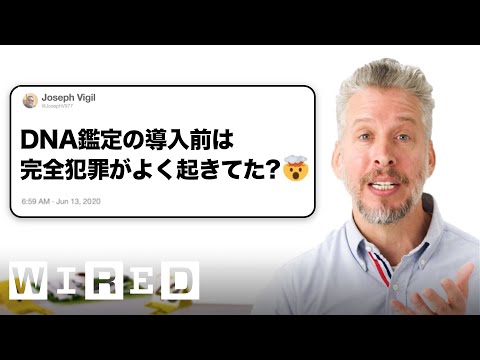
犯罪現場の捜査官だけど「科学捜査について」質問ある? | Tech Support | WIRED Japan
0
林宜悉 posted on 2025/03/30Ever wondered what goes on at a crime scene? This video dives deep into forensic science with a real investigator, covering everything from blood spatter analysis to advanced tech like laser scanning! You'll pick up tons of specialized vocabulary and get a fascinating look into real-world investigations.
Learn this video on the APP!
The VoiceTube App has more in-depth practice for videos!