
across the board
US
UK
- Phrase
- Broad in scope or content
- Adverb
- Applying to all; comprehensive; universal.
- Involving all sectors, categories, or items.
A1Morearouse
US /əˈraʊz/
UK /ə'raʊz/
- Transitive Verb
- To wake someone who has been sleeping
- To create emotional excitement or interest
B2Moreas opposed to
US
UK
- Preposition
- In contrast to; rather than.
- Instead of; in place of.
A1Moreat least
US /æt list/
UK /æt li:st/
- Adverb
- As a minimum
- Not less than
- Phrase
- No less than; at the minimum
- Used to indicate that something is positive in a bad situation.
C2Moreat once
US /æt wʌns/
UK /æt wʌns/
- Adverb
- Immediately; without delay
- At the same time; simultaneously
A2Moreaway from home
US
UK
- Phrase
- Not at one's residence; at a distance from one's home.
- Experiencing a sense of detachment or longing due to being distant from one's home and family.
- Adjective
- Relating to or describing activities, experiences, or situations encountered while traveling or living outside of one's home.
A2Moreback down
US /bæk daʊn/
UK /bæk daun/
- Phrasal Verb
- To admit you were wrong; stop claiming
A1Moreback up
US /bæk ʌp/
UK /bæk ʌp/
- Phrasal Verb
- To save a copy of your computer data
- To confirm the truth of what someone says
A1Morebased on
US
UK
- Phrasal Verb
- To use something as the foundation or starting point for something else.
- Preposition
- Using something as the main idea or foundation.
- Relying on something as evidence or justification.
A1Morecapable
US /ˈkepəbəl/
UK /'keɪpəbl/
- Adjective
- Being able to do something very well; proficient
- Having the ability, fitness, or quality necessary to do or achieve a specified thing.
A2Morecategory
US /ˈkætɪˌɡɔri, -ˌɡori/
UK /ˈkætəgəri/
- Noun
- Groups of things that are similar in some way
B1Morecitizen
US /ˈsɪtɪzən/
UK /'sɪtɪzn/
- Noun (Countable/Uncountable)
- Person who belongs to and has rights in a country
- A person who is a member of a community.
B1Morecome back
US /kʌm bæk/
UK /kʌm bæk/
- Phrasal Verb
- To reply to someone, often forcefully
- To be remembered
A1Morecome from
US /kʌm frʌm/
UK /kʌm frɔm/
- Phrasal Verb
- To have as your native country or city
A1Morecommit
US /kəˈmɪt/
UK /kə'mɪt/
- Transitive Verb
- To do something bad, usually a crime
- To promise your permanent love or loyalty (to)
A2TOEICMoreconfess
US /kənˈfɛs/
UK /kən'fes/
- Verb (Transitive/Intransitive)
- To admit that you did something wrong
B1Moreconvict
US /kənˈvɪkt/
UK /kənˈvɪkt/
- Noun
- Person in prison
- Transitive Verb
- To say someone is guilty of a crime in a law court
B1Morecoverage
US /ˈkʌvərɪdʒ/
UK /ˈkʌvərɪdʒ/
- Uncountable Noun
- Type of programs a radio or TV station broadcasts
- The extent to which something is insured.
A2Morecrack
US /kræk/
UK /kræk/
- Noun (Countable/Uncountable)
- Attempt to achieve a goal or objective
- Unexpected and hard hit to the body
- Verb (Transitive/Intransitive)
- To attempt to achieve a goal or objective
- To hit someone or something hard and unexpectedly
B1Morecracked it
US
UK
- Phrasal Verb
- To solve a problem or mystery.
- To achieve success in a particular field or activity.
crime
US /kraɪm/
UK /kraɪm/
- Noun (Countable/Uncountable)
- Act that is believed to be a mistake or foolish
- Act that is against the law; murder, theft etc.
A2Morecriminal
US /ˈkrɪmənəl/
UK /ˈkrɪmɪnl/
- Adjective
- Involving illegal activity; relating to crime
- Not justifiable; shameful
- Noun
- Person who commits a crime
A2Morecurrent
US /ˈkɚrənt, ˈkʌr-/
UK /'kʌrənt/
- Uncountable Noun
- Electricity flowing through wires
- Movement of water in a river, or air in the sky
- Adjective
- Happening or being in the present time
- In general use or accepted by most people.
A2Moredispose of
US /dɪˈspoz ʌv/
UK /disˈpəuz ɔv/
- Phrasal Verb
- To get rid of something, especially by throwing it away.
- To deal with something quickly and effectively.
A1Moredna
US
UK
- Noun (Countable/Uncountable)
- Chemical in living cells with genetic information
B2Moredot
US /dɑt/
UK /dɒt/
- Transitive Verb
- To place small amounts/things in various places
- To mark something by placing a small, round spot
- Noun
- Small round mark
B1TOEICMoreelementary
US /ˌɛləˈmɛntəri, -tri/
UK /ˌelɪˈmentri/
- Adjective
- Basic, simple, or essential
- Relating to the first stages of education.
B2TOEICMorefantasy
US /ˈfæntəsi, -zi/
UK /'fæntəsɪ/
- Noun (Countable/Uncountable)
- Something imagined and very different from reality
- Work of literature set in an unreal world
B1Morefeel like
US
UK
- Intransitive Verb
- To have a desire or inclination for something.
- To have a particular quality or sensation; resemble.
A1Morefor sure
US /fɔr ʃʊr/
UK /fɔ: ʃuə/
- Adverb
- Definitely; certainly; without a doubt.
- Used to emphasize a statement.
- Interjection
- An expression of strong agreement or affirmation.
A2Morefrom home
US
UK
- Phrase
- Working or operating from one's residence.
- Originating or coming from one's own house or country.
A1Moregive away
US /ɡɪv əˈwe/
UK /ɡiv əˈwei/
- Phrase
- Phrasal Verb
- To let others have something you own
- To tell (a secret)
A1Moregiveaway
US /ˈɡɪvəˌwe/
UK /ˈgɪvəweɪ/
- Noun
- Gift of public resources to benefit a small group
C2Morehard to say
US
UK
- Phrase
- Difficult to know or predict; uncertain.
A1Morehike
US /haɪk/
UK /haɪk/
- Noun
- Large and unexpected increase in price, level etc.
- A long walk in mountains, etc. for exercise
- Intransitive Verb
- To make a large and unexpected increase in a price
- To take a long walk in mountains etc. for exercise
B1Morehomicide
US /ˈhɒmɪsaɪd/
UK /'hɒmɪsaɪd/
- Noun
- A murder
B2Morein addition to
US /ɪn əˈdɪʃən tu/
UK /in əˈdiʃən tu:/
- Preposition
- Besides; as well as
- Phrase
- Besides; as well as.
- Furthermore; moreover.
B1Morein fact
US /ɪn fækt/
UK /in fækt/
- Adverb
- Used to emphasize the truth of a statement, especially one that contrasts with or contradicts something else.
- Used to introduce a more detailed or surprising piece of information.
- Phrase
- Used to emphasize the truth of a statement, especially one that is surprising or contrary to what might be expected.
C1Morein light of
US /ɪn laɪt ʌv/
UK /in lait ɔv/
- Phrase
- Because of; considering
- Preposition
- Considering; taking into account
- Because of; as a result of
A1Morein prison
US /ɪn ˈprɪzən/
UK /in ˈprizən/
- Phrase
- Confined in a prison; incarcerated.
in the world
US /ɪn ði wɜrld/
UK /in ðə wɜː(r)ld/
- Phrase
- Used to emphasize a question expressing surprise, confusion, disbelief
- Used to indicate the extent or degree of something, often in a superlative sense
A1Morejust kind of
US
UK
- Phrase
- Used to express a feeling or state in a vague or hesitant way.
- Used to indicate something is approximately or generally similar to something else.
A2Morelook at
US /lʊk æt/
UK /luk æt/
- Phrasal Verb
- To use your eyes to focus on something
- To focus your eyes on something carefully
A1Morelook for
US /lʊk fɔr/
UK /luk fɔ:/
- Phrasal Verb
- To try to find a thing or person that is lost
- To expect or anticipate something.
A1Moremass
US /mæs/
UK /mæs/
- Noun (Countable/Uncountable)
- Religious ceremony in some Christian churches
- Large amount or number of something
- Transitive Verb
- To gather people or things into a large group
B1Moremotivate
US /ˈmotəˌvet/
UK /'məʊtɪveɪt/
- Transitive Verb
- To give someone a reason, the will to do something
A2TOEICMoremurder
US /ˈmɚdɚ/
UK /'mɜ:də(r)/
- Noun
- Something that is difficult or painful to do
- Crime of deliberately killing a person
- Transitive Verb
- To intentionally kill a person
- To spoil, ruin something by doing it poorly
A2Moremurder rate
US
UK
- Noun
- The number of murders committed per a specific population size, usually per 100,000 people, in a given area and time period.
B1Morenumber of people
US /ˈnʌmbɚ ʌv ˈpipəl/
UK /ˈnʌmbə ɔv ˈpi:pl/
- Phrase
- The total count of individuals within a group or gathering.
- A statistical figure representing the population size or a subset thereof.
A1Moreon the streets
US /ɑn ðə strits/
UK /ɒn ðə stri:ts/
- other
- Without a home; homeless or exposed outdoors.
B2Moreone being
US
UK
- Noun
- An individual existence; a person or creature.
- A single entity or individual, especially in a philosophical or spiritual context.
A1Moreout of it
US /aʊt ʌv ɪt/
UK /aut ɔv it/
- Adjective
- Unconscious or not completely alert; dazed or confused.
- Not able to think clearly or react quickly; not with it.
A1Moreover time
US /ˈovɚ taɪm/
UK /ˈəuvə taim/
- Phrase
- Gradually; as time passes.
- During a long period.
- Adverb
- Gradually; as time passes.
B1Moreper year
US
UK
- Phrase
- For each year; annually.
A2Morepoison
US /ˈpɔɪzən/
UK /ˈpɔɪzn/
- Transitive Verb
- To affect something in a very negative way
- To hurt or kill with a dangerous substance
- Noun (Countable/Uncountable)
- Substance that can kill when eaten/drunk
- Something that has a harmful or destructive influence.
A2Moreprimarily
US /praɪˈmɛrəli, -ˈmɛr-/
UK /praɪˈmerəli/
- Adverb
- In the most basic or important way
A2TOEICMoreprison
US /ˈprɪzən/
UK /'prɪzn/
- Noun (Countable/Uncountable)
- Place the court puts criminals as punishment; jail
- A state of confinement or captivity.
A2Moreprolific
US /prəˈlɪfɪk/
UK /prəˈlɪfɪk/
- Adjective
- Producing something in large quantities
B2TOEICMorepsychopath
US /ˈsaɪkəˌpæθ/
UK /ˈsaɪkəpæθ/
- Noun (Countable/Uncountable)
- Violent, mentally disturbed person
C2Morepull apart
US
UK
- Phrasal Verb
- To separate something into pieces, often forcefully.
- To severely criticize something.
A2Moreput together
US /pʊt təˈɡɛðɚ/
UK /put təˈɡeðə/
- Phrasal Verb
- To build or assemble something small, e.g. a toy
- To organize or arrange something.
A1Moreripper
US /'rɪpər/
UK /ˈrɪpə(r)/
- Noun
- Murderer who slashes the victims with a knife
B2Morerule out
US /rul aʊt/
UK /ru:l aut/
- Phrasal Verb
- To eliminate as a possibility; exclude.
A1Moreserial
US /ˈsɪriəl/
UK /ˈsɪəriəl/
- Noun
- Story that is told is several parts on TV or radio
- Adjective
- Arranged according to a particular system or order
- Repeating the same actions in the same way
B2Moresexual
US /ˈsɛkʃuəl/
UK /ˈsekʃuəl/
- Adjective
- Relating to men and women and their relationships
- Of the physical activity that can produce babies
A2Morespike
US /spaɪk/
UK /spaɪk/
- Noun
- The top point in a graph
- Long, thin metal rod that ends in a point
- Intransitive Verb
- To go up to a point on a graph
B2Morespouse
US /spaʊs, spaʊz/
UK /spaʊs/
- Noun
- Someone's husband or wife
B2Moresuspect
US /səˈspɛkt/
UK /sə'spekt/
- Noun
- Person thought to have committed a crime
- Transitive Verb
- To consider someone is the one guilty of a crime
- To doubt or lack trust
A2TOEICMoretake apart
US /tek əˈpɑrt/
UK /teik əˈpɑ:t/
- Phrasal Verb
- To break something into pieces, e.g. a radio
- To look critically at an idea or theory
A1Moretend
US /tɛnd/
UK /tend/
- Intransitive Verb
- To move or act in a certain manner
- Transitive Verb
- To take care of
A2Morethink about
US /θɪŋk əˈbaʊt/
UK /θiŋk əˈbaut/
- Phrasal Verb
- To consider something carefully.
- To remember or call to mind.
A1Morethink of
US /θɪŋk ʌv/
UK /θiŋk ɔv/
- Phrasal Verb
- To look on as (being something specific); consider
- To consider or remember something.
- Verb (Transitive/Intransitive)
- To imagine or call something to mind
A1Moreto do with
US
UK
- Phrasal Verb
- To be about something; concern
A1Moretypically
US /ˈtɪpɪklɪ/
UK /ˈtɪpɪkli/
- Adverb
- In a normal or usual way
B1Morevictorian
US /vɪkˈtɔriən, -ˈtor-/
UK /vɪkˈtɔ:riən/
- Adjective
- Typical of 19th century standards or conduct
B1Moreviolence
US /ˈvaɪələns/
UK /ˈvaɪələns/
- Uncountable Noun
- Strong physical force of nature
- Use of physical force to harm someone
B1Moreviolent
US /ˈvaɪələnt/
UK /ˈvaɪələnt/
- Adjective
- Done with force; likely to produce physical damage
- Using or involving physical force intended to hurt, damage, or kill someone or something.
A2Morewithout me
US
UK
- Phrase
- Not including me; excluding me.
A2More
Vocabulary
- in prison: Confined in a prison; incarcerated.
- look at: To use your eyes to focus on something
- think of: To look on as (being something specific); consider
- over time: Gradually; as time passes.
- feel like: To have a desire or inclination for something.
- rule out: To eliminate as a possibility; exclude.
- to do with: To be about something; concern
- just kind of: Used to express a feeling or state in a vague or hesitant way.
- one being: An individual existence; a person or creature.
- hard to say: Difficult to know or predict; uncertain.
- pull apart: To separate something into pieces, often forcefully.
- at once: Immediately; without delay
- look for: To try to find a thing or person that is lost
- as opposed to: In contrast to; rather than.
- murder rate: The number of murders committed per a specific population size, usually per 100,000 people, in a given area and time period.
- back up: To save a copy of your computer data
- from home: Working or operating from one's residence.
- away from home: Not at one's residence; at a distance from one's home.
- come from: To have as your native country or city
- out of it: Unconscious or not completely alert; dazed or confused.
- in fact: Used to emphasize the truth of a statement, especially one that contrasts with or contradicts something else.
- in the world: Used to emphasize a question expressing surprise, confusion, disbelief
- put together: To build or assemble something small, e.g. a toy
- on the streets: Without a home; homeless or exposed outdoors.
- for sure: Definitely; certainly; without a doubt.
- across the board: Broad in scope or content
- in light of: Because of; considering
- at least: As a minimum
- based on: To use something as the foundation or starting point for something else.
- cracked it: To solve a problem or mystery.
- give away
- come back: To reply to someone, often forcefully
- back down: To admit you were wrong; stop claiming
- per year: For each year; annually.
- in addition to: Besides; as well as
- without me: Not including me; excluding me.
- take apart: To break something into pieces, e.g. a radio
- number of people: The total count of individuals within a group or gathering.
- think about: To consider something carefully.
- dispose of: To get rid of something, especially by throwing it away.
- sort: To organize things by putting them into groups
- period: Set amount of time during which events take place
- typically: In a normal or usual way
- tend: To move or act in a certain manner
- category: Groups of things that are similar in some way
- current: Electricity flowing through wires
- spouse: Someone's husband or wife
- commit: To do something bad, usually a crime
- capable: Being able to do something very well; proficient
- crack: Attempt to achieve a goal or objective
- increase: To make or become larger in size or amount
- exist: To be present, alive or real
- spike: The top point in a graph
- brain: To strike someone forcefully on the head
- suspect: Person thought to have committed a crime
- draw: To attract attention to someone or something
- series: Set of stories or articles on a particular subject
- behavior: The way a person or thing acts; manner
- effect: An advantage, benefit
- primarily: In the most basic or important way
- motivate: To give someone a reason, the will to do something
- mass: Religious ceremony in some Christian churches
- rate: To assess something or consider its qualities
- crime: Act that is believed to be a mistake or foolish
- violent: Done with force; likely to produce physical damage
- prison: Place the court puts criminals as punishment; jail
- violence: Strong physical force of nature
- lot: What happens to a person in life from chance; fate
- arrest: To attract someone's attention and hold interest
- kind: In a caring and helpful manner
- fantasy: Something imagined and very different from reality
- control: A device designed to operate a machine
- coverage: Type of programs a radio or TV station broadcasts
- citizen: Person who belongs to and has rights in a country
- confess: To admit that you did something wrong
- criminal: Involving illegal activity; relating to crime
- homicide: A murder
- murder: Something that is difficult or painful to do
- poison: To affect something in a very negative way
- prolific: Producing something in large quantities
- convict: Person in prison
- zodiac: A belt-shaped region in the heavens on either side to the ecliptic; divided into constellations or signs for astrological purposes
- sexual: Relating to men and women and their relationships
- giveaway: Gift of public resources to benefit a small group
- arouse: To wake someone who has been sleeping
- elementary: Basic, simple, or essential
- dot: To place small amounts/things in various places
- hike: Large and unexpected increase in price, level etc.
- serial: Story that is told is several parts on TV or radio
- psychopath: Violent, mentally disturbed person
- victorian: Typical of 19th century standards or conduct
- dna: Chemical in living cells with genetic information
- ripper: Murderer who slashes the victims with a knife
Get the full experience in the app
Learn anywhere with detailed sentence and usage analysis
01:03
She took a brave step forward, leaving behind her comfort zone to chase her dreams.
Vocabulary
- brave
adj. Having courage
- comfort zone
phr. A familiar situation where one feels safe
Explanation
a brave step is a noun phrase, where brave is an adjective modifying the noun step, meaning "a courageous step".
forward is an adverb modifying step, meaning "ahead".
The whole phrase serves as the object, answering the "what" of took (verb) — she took a brave step forward.
Get the full experience in the app
Look up words anytime with pronunciation, part of speech, and usage
brave
US/brev/
UK/breɪv/
adj.Brave
v.t.To bravely face
A2 Elementary
Get the full experience in the app
Practice speaking anytime and get instant pronunciation feedback
Try this speaking exercise.
Try practicing with this sentence.
80
0
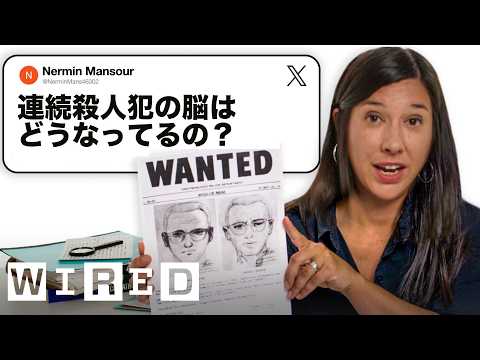
林宜悉 posted on 2025/03/12Ever wondered what a criminologist thinks about serial killers and homicide trends? This video dives deep into fascinating questions about crime, featuring insights on everything from Jack the Ripper to modern psychopathy. You'll pick up advanced vocabulary and gain cultural depth by exploring real-world topics!
Learn this video on the APP!
The VoiceTube App has more in-depth practice for videos!