
allow for
US
UK
- Verb (Transitive/Intransitive)
- To take into consideration
A1Moreanalyze
US /ˈænəˌlaɪz/
UK /'ænəlaɪz/
- Transitive Verb
- To study carefully to find out the meaning of
B1TOEICMorearound the clock
US /əˈraʊnd ði klɑk/
UK /əˈraund ðə klɔk/
- Phrase
- All day and all night; continuously.
A1Moreasphalt
US /ˈæsfɔ:lt/
UK /ˈæsfælt/
- Uncountable Noun
- Hard mixture used to make roads and streets
C1Moreassume
US /əˈsum/
UK /ə'sju:m/
- Transitive Verb
- To act in a false manner to mislead others
- To believe, based on the evidence; suppose
A2TOEICMoreastronomy
US /əˈstrɑ:nəmi/
UK /əˈstrɒnəmi/
- Uncountable Noun
- Study of stars and other bodies in space
B2Moreaviation
US /ˌeviˈeʃən,ˌævi-/
UK /ˌeɪviˈeɪʃn/
- Uncountable Noun
- Science or practice of flying aircraft
B2Morecatch fire
US /kætʃ faɪr/
UK /kætʃ ˈfaiə/
- Intransitive Verb
- To start burning; to ignite.
A2Morecause
US /kɔz/
UK /kɔ:z/
- Noun
- Belief, goal or organization that people support
- Reason for
- Transitive Verb
- To make something happen; create effect or result
A2Moreconclusion
US /kənˈkluʒən/
UK /kənˈklu:ʒn/
- Noun
- End of something; finish
- Judgment or opinion after thinking for a while
A2Morecoordinate
US /ko'ɔrdəˈnet/
UK /kəʊ'ɔ:dɪneɪt/
- Transitive Verb
- To match styles or colors that go well together
- To cause body parts to move smoothly together
- Noun
- Point on a map defining a location e.g. 135N, 34W
- A matching set of clothes.
B1Moredecay
US /dɪˈke/
UK /dɪˈkeɪ/
- Intransitive Verb
- To be slowly destroyed by natural processes; rot
- To lose health or strength
- Uncountable Noun
- Slow loss of physical or mental health
B1Moredirect
US /dɪˈrɛkt, daɪ-/
UK /də'rekt/
- Transitive Verb
- To tell someone in a very clear way to do something
- To show the way by conducting or leading
- Adverb
- Coming straight from something
A2TOEICMoredrag
US /dræɡ/
UK /dræɡ/
- Transitive Verb
- To reluctantly move or go somewhere
- To pull something heavy or difficult along the ground
- Noun (Countable/Uncountable)
- Force of air pushing back against a plane car etc.
- Boring or annoying thing/activity
A2Moredrown
US /draʊn/
UK /draʊn/
- Transitive Verb
- To kill something by putting it under water
- To make something very wet or cover it completely
B1Moredrown out
US /draʊn aʊt/
UK /draun aut/
- Phrasal Verb
- To prevent a sound from being heard by making a louder noise.
- To try to forget something unpleasant by doing something to excess.
A1Moreeliminate
US /ɪˈlɪməˌnet/
UK /ɪ'lɪmɪneɪt/
- Transitive Verb
- To completely remove; to get rid of
- To remove from a contest by beating them
B1TOEICMoreestimate
US /ˈɛstəˌmet/
UK /'estɪmət/
- Noun (Countable/Uncountable)
- Guess or calculation of cost, size or value
- A judgment or opinion.
- Transitive Verb
- To guess or calculate the cost, size or value of
- To form an approximate idea or judgment of.
A2TOEICMoreflare
US /flɛr/
UK /fleə(r)/
- Intransitive Verb
- To become angry or excited suddenly
- To burn or shine suddenly and briefly
- Noun
- A brief bright light
- Light/fire used to signal for help/warn of danger
B2Morefor some reason
US /fɔr sʌm ˈrizən/
UK /fɔ: sʌm ˈri:zən/
- Phrase
- For a reason that is not known or not easily explained.
A1Morehazard
US /ˈhæzəd/
UK /'hæzəd/
- Noun (Countable/Uncountable)
- Something that is dangerous and causes problems
- Something that is dangerous and likely to cause damage.
- Verb (Transitive/Intransitive)
- To try, with the risk of being wrong or losing
B1TOEICMorehurricane
US /ˈhɚrɪˌken, ˈhʌr-/
UK /'hʌrɪkən/
- Noun
- Very severe storm usually occurs near the ocean
B1Morein conclusion
US
UK
- Phrase
- Used to indicate a summary or final point.
A1Morein service
US /ɪn 'sɝvɪs/
UK /in ˈsɜːvɪs/
- Adjective
- Available for use; operational
B1Moreinduce
US /ɪnˈdus, -ˈdjus/
UK /ɪn'dju:s/
- Transitive Verb
- To make someone do something; create an outcome
- To make a woman give birth by giving her medicine
B1TOEICMoreliberate
US /ˈlɪbəˌret/
UK /'lɪbəreɪt/
- Transitive Verb
- To free someone or something that was captured
B2Moremagnetic
US /mæɡˈnɛtɪk/
UK /mægˈnetɪk/
- Adjective
- Having the properties of a magnet; able to attract
- Having great power to attract attention, interest
B2Moremaintain
US /menˈten/
UK /meɪn'teɪn/
- Transitive Verb
- To keep saying something a certain way
- To keep (machine) working by checking, repairing
A2TOEICMoremassive
US /ˈmæsɪv/
UK /ˈmæsɪv/
- Adjective
- Very big; large; too big
- Large or imposing in scale or scope.
B1Moremitigate
US /ˈmɪtˌɪɡet/
UK /'mɪtɪɡeɪt/
- Transitive Verb
- To make less severe or serious
B2TOEICMorenasty
US /ˈnæsti/
UK /'nɑ:stɪ/
- Adjective
- Very bad, unpleasant, or offensive
- Unkind; unpleasant.
A2Moreon earth
US /ɑn ɚθ/
UK /ɔn ə:θ/
- Phrase
- Used to emphasize a question expressing surprise or anger.
- Used to emphasize that something is not possible or will not happen.
A1Moreorbit
US /ˈɔrbɪt/
UK /'ɔ:bɪt/
- Noun
- Path an object takes as it circles another object
- The sphere of influence or control; range.
- Intransitive Verb
- To go around another object (often in space)
B2Moreoverlap
US /ˌoʊvərˈlæp/
UK /ˌəʊvəˈlæp/
- Verb (Transitive/Intransitive)
- To lie over or cover a part of something else
- To happen at the same time as another event
- Noun (Countable/Uncountable)
- Amount shared in the same space, form, idea
B1TOEICMoreper year
US
UK
- Phrase
- For each year; annually.
A2Morepotential
US /pəˈtɛnʃəl/
UK /pəˈtenʃl/
- Adjective
- Capable of happening or becoming reality
- Having or showing the capacity to develop into something in the future.
- Uncountable Noun
- someone's or something's ability to develop, achieve, or succeed
A2TOEICMoreprinciple
US /ˈprɪnsəpəl/
UK /ˈprɪnsəpl/
- Noun (Countable/Uncountable)
- Moral rule or belief governing a person's behavior
- Natural law that explains how things work
A2TOEICMorereflex
US /ˈriˌflɛks/
UK /ˈri:fleks/
- Noun
- Body's physical reaction done unconsciously
- Response done quickly and without thinking
B2Moresatellite
US /ˈsætlˌaɪt/
UK /'sætəlaɪt/
- Noun (Countable/Uncountable)
- Device sent into space that aids communication
- Natural object in space that moves around another
B1Morescenario
US /səˈner.i.oʊ/
UK /sɪˈnɑː.ri.əʊ/
- Noun
- An imagined sequence of events in a plan/project
B1Moresearch for
US /sɚtʃ fɔr/
UK /sə:tʃ fɔ:/
- Phrasal Verb
- To try to find someone or something.
B1Moresolar
US /ˈsolɚ/
UK /'səʊlə(r)/
- Adjective
- Concerning the sun, or its heat
B1Morespeculate
US /ˈspɛkjəˌlet/
UK /ˈspekjuleɪt/
- Intransitive Verb
- To take risks that might lead to big profits
- Verb (Transitive/Intransitive)
- To predict or guess what is possible or likely
B2Morestrip of
US
UK
- Phrase
- A long, narrow piece of something.
- A long, narrow area of land.
A1Moreswitch
US /swɪtʃ/
UK /swɪtʃ/
- Noun
- A change or shift from one method to another
- Thing you move to turn electrical items on or off
- Transitive Verb
- To exchange or replace something for another thing
A2TOEICMoretelegraph
US /ˈtelɪgræf/
UK /ˈtelɪgrɑ:f/
- Transitive Verb
- To signal to someone without speaking
- To send messages using electric wires
- Noun
- Messaging system using wires and electric signals
C2Morethreat
US /θrɛt/
UK /θret/
- Noun
- Warning of probable trouble
- A warning that you may be harmed
A2TOEICMoretrade
US /treid/
UK /treɪd/
- Noun (Countable/Uncountable)
- A specific industry, e.g. shoe making
- Action of buying and selling things in business
- Transitive Verb
- To buy, sell and exchange goods in business
- To give something in return for something else
A2TOEICMoretransportation
US /ˌtrænspɔ:rˈteɪʃn/
UK /ˌtrænspɔ:ˈteɪʃn/
- Noun (Countable/Uncountable)
- Act of moving people or goods between places
- A system or means of transport, especially public transport.
B1Moreuniversal
US /ˌjunəˈvɚsəl/
UK /ˌju:nɪˈvɜ:sl/
- Adjective
- Existing in all places at all times for all people
- Done or experienced by everyone
- Noun (Countable/Uncountable)
- Things which apply equally to everyone
- A general term, idea, or concept applicable to many particular things.
A2Morevariety
US /vəˈraɪɪti/
UK /və'raɪətɪ/
- Noun
- Particular type of thing or person
- The quality or state of being different or diverse; the absence of uniformity, sameness, or monotony.
A2TOEICMorewrap
US /ræp/
UK /ræp/
- Countable Noun
- Piece of clothing worn loosely on the shoulders
- Thin bread filled with food and rolled
- Transitive Verb
- To be or move around something
- To cover something with paper or a cloth e.g. gift
B1More
Vocabulary
- search for: To try to find someone or something.
- for some reason: For a reason that is not known or not easily explained.
- on earth: Used to emphasize a question expressing surprise or anger.
- around the clock: All day and all night; continuously.
- allow for: To take into consideration
- drown out: To prevent a sound from being heard by making a louder noise.
- in service: Available for use; operational
- catch fire: To start burning; to ignite.
- per year: For each year; annually.
- strip of: A long, narrow piece of something.
- in conclusion: Used to indicate a summary or final point.
- assume: To act in a false manner to mislead others
- potential: Capable of happening or becoming reality
- massive: Very big; large; too big
- scenario: An imagined sequence of events in a plan/project
- eliminate: To completely remove; to get rid of
- nasty: Very bad, unpleasant, or offensive
- improve: To make, or become, something better
- variety: Particular type of thing or person
- wrap: Piece of clothing worn loosely on the shoulders
- estimate: Guess or calculation of cost, size or value
- maintain: To keep saying something a certain way
- direct: To tell someone in a very clear way to do something
- cause: Belief, goal or organization that people support
- simply: In an easy or clear manner
- conclusion: End of something; finish
- orbit: Path an object takes as it circles another object
- principle: Moral rule or belief governing a person's behavior
- threat: Warning of probable trouble
- coordinate: To match styles or colors that go well together
- universal: Existing in all places at all times for all people
- reason: To think and make conclusions in a logical manner
- switch: A change or shift from one method to another
- drag: To reluctantly move or go somewhere
- risk: To do something potentially dangerous or foolish
- trade: A specific industry, e.g. shoe making
- induce: To make someone do something; create an outcome
- analyze: To study carefully to find out the meaning of
- mitigate: To make less severe or serious
- satellite: Device sent into space that aids communication
- speculate: To take risks that might lead to big profits
- aviation: Science or practice of flying aircraft
- hazard: Something that is dangerous and causes problems
- drown: To kill something by putting it under water
- single: One run in cricket or a hit baseball
- hit: To have a negative impact on a person/place/thing
- decay: To be slowly destroyed by natural processes; rot
- magnetic: Having the properties of a magnet; able to attract
- storm: To act violently or angrily
- operate: To control or handle something, such as a machine
- hurricane: Very severe storm usually occurs near the ocean
- catch: Amount of something that has been caught
- overlap: To lie over or cover a part of something else
- transportation: Act of moving people or goods between places
- point: An item to be discussed
- solar: Concerning the sun, or its heat
- drive: A person's ambition and motivation to do something
- change: To exchange one set of clothes for another
- flare: To become angry or excited suddenly
- popular: Liked or enjoyed by many people
- finally: used especially at the beginning of a sentence to introduce the last point or idea
- service: Work that a person does to assist others
- liberate: To free someone or something that was captured
- asphalt: Hard mixture used to make roads and streets
- reflex: Body's physical reaction done unconsciously
- astronomy: Study of stars and other bodies in space
- telegraph: To signal to someone without speaking
Get the full experience in the app
Learn anywhere with detailed sentence and usage analysis
01:03
She took a brave step forward, leaving behind her comfort zone to chase her dreams.
Vocabulary
- brave
adj. Having courage
- comfort zone
phr. A familiar situation where one feels safe
Explanation
a brave step is a noun phrase, where brave is an adjective modifying the noun step, meaning "a courageous step".
forward is an adverb modifying step, meaning "ahead".
The whole phrase serves as the object, answering the "what" of took (verb) — she took a brave step forward.
Get the full experience in the app
Look up words anytime with pronunciation, part of speech, and usage
brave
US/brev/
UK/breɪv/
adj.Brave
v.t.To bravely face
A2 Elementary
Get the full experience in the app
Practice speaking anytime and get instant pronunciation feedback
Try this speaking exercise.
Try practicing with this sentence.
80
0
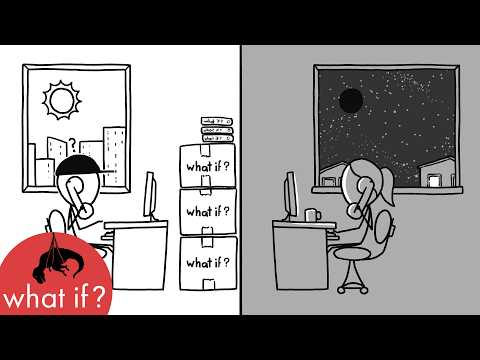
VoiceTube posted on 2025/04/20Ever wondered what would happen if the sun just vanished? This video dives into that wild 'What If' scenario, exploring everything from planetary cooling to how our satellite communications and global infrastructure would be affected! You'll pick up some awesome advanced vocabulary related to astrophysics and human survival along the way.
Learn this video on the APP!
The VoiceTube App has more in-depth practice for videos!