
activate
US /ˈæktəˌvet/
UK /ˈæktɪveɪt/
- Transitive Verb
- To cause to happen; cause a chemical reaction
- To make something start working
B1Morealert
US /əˈlɚt/
UK /ə'lɜ:t/
- Adjective
- Being aware and able to respond quickly
- Transitive Verb
- To warn someone so they can respond to it
B1TOEICMoreattention
US /əˈtɛnʃən/
UK /əˈtenʃn/
- Noun (Countable/Uncountable)
- Taking notice of someone or something
- Noun
- (Soldiers) Standing with straight backs
A2TOEICMoreavoid
US /əˈvɔɪd/
UK /ə'vɔɪd/
- Transitive Verb
- To prevent from happening
- To stay away from
A2TOEICMoreawkward
US /ˈɔkwəd/
UK /ˈɔ:kwəd/
- Adjective
- Lacking smooth movement
- Causing embarrassment or trouble
B1Morecheck out
US /tʃɛk aʊt/
UK /tʃek aut/
- Phrase
- Phrasal Verb
- To find out information about something
- To take books out of a library
A1Moreclinical
US /ˈklɪnɪkəl/
UK /ˈklɪnɪkl/
- Adjective
- Concerning the treatment or observing patients
- Using scientific techniques and precision
B1Morecomfort
US /ˈkʌmfət/
UK /'kʌmfət/
- Transitive Verb
- To try to make distressed person feel better
- Uncountable Noun
- Acts or words that reduce pain or sadness
- State of being relaxed, warm or happy
A2Moreconfront
US /kənˈfrʌnt/
UK /kən'frʌnt/
- Transitive Verb
- To make someone, e.g. who has lied, face the truth
- (Of problem) to face someone who must deal with it
B1Morecontact
US /ˈkɑnˌtækt/
UK /'kɒntækt/
- Adjective
- Touching or feeling something
- Noun (Countable/Uncountable)
- Touching or feeling something
- Object that allows electricity to run through it
A2Moreconversation
US /ˌkɑnvɚˈseʃən/
UK /ˌkɒnvəˈseɪʃn/
- Uncountable Noun
- Talking with other people; discussion or chat
- General communication or interaction.
A2Moredescription
US /dɪˈskrɪpʃən/
UK /dɪˈskrɪpʃn/
- Noun
- Explanation of what something is like, looks like
- The type or nature of someone or something.
A2TOEICMoreevolution
US /ˌɛvəˈluʃən, ˌivə-/
UK /ˌi:və'lu:ʃn/
- Uncountable Noun
- Theory that living things change over time
- Process by which something develops over time
B1Morefeel like
US
UK
- Intransitive Verb
- To have a desire or inclination for something.
- To have a particular quality or sensation; resemble.
A1Morefreeze up
US /friz ʌp/
UK /fri:z ʌp/
- Phrasal Verb
- (of a machine or part) to stop working because of ice or cold
- To become unable to move or act, usually because of fear or nervousness
B1Morefunction
US /ˈfʌŋkʃən/
UK /'fʌŋkʃn/
- Noun
- Social event, or party such as a wedding
- Mathematical operation used in calculations
- Intransitive Verb
- To serve a certain purpose or role
- To be operating, working or achieving its purpose
A2TOEICMoreget out of
US /ɡɛt aʊt ʌv/
UK /ɡet aut ɔv/
- Phrasal Verb
- To leave or escape responsibilities, troubles
- To leave a small, enclosed vehicle
A1Morehanging out
US
UK
- Phrasal Verb
- To spend time with your friends
- To spend times with friends or relax doing nothing
A2Morein return
US /ɪn rɪˈtɚn/
UK /in riˈtə:n/
- Adverb
- As a reciprocal action or gesture; in exchange or repayment.
- Phrase
- As compensation or consideration for something.
- As a reaction or response to something.
A1Moreinnate
US /ɪˈneɪt/
UK /ɪˈneɪt/
- Adjective
- Being part of something's nature
- Present (in a person) from birth
B2TOEICMoreinstead of
US /ɪnˈstɛd ʌv/
UK /inˈsted ɔv/
- Preposition
- When one thing is replaced by another
- Adverb
- As a substitute or alternative.
A1Moreinteraction
US /ˌɪntɚˈækʃən/
UK /ˌɪntər'ækʃn/
- Noun (Countable/Uncountable)
- Process of people or things affecting each other
- The activity of talking to other people, working together etc
A2Moreinterpret
US /ɪnˈtɚprɪt/
UK /ɪn'tɜ:prɪt/
- Verb (Transitive/Intransitive)
- To express so that others understand it
- To translate what is said into another language
A2TOEICMoreintimidate
US /ɪnˈtɪmɪˌdet/
UK /ɪnˈtɪmɪdeɪt/
- Transitive Verb
- To make someone feel afraid
B2Moreinvisible
US /ɪnˈvɪzəbəl/
UK /ɪnˈvɪzəbl/
- Adjective
- Being unable to be seen
- Of money earned from services, instead of products
B1TOEICMoreisolate
US /ˈaɪsəˌlet/
UK /ˈaɪsəleɪt/
- Transitive Verb
- To identify, consider, or deal with separately
- To keep in a place or situation apart from others
B1Morejudge
US /dʒʌdʒ/
UK /dʒʌdʒ/
- Noun (Countable/Uncountable)
- Person who decides on the results of a contest
- Person who has the power to make a decision
- Verb (Transitive/Intransitive)
- To reach a decision about who won a contest
- To form an opinion after careful consideration
A2TOEICMorelicense
US /ˈlaɪsəns/
UK /ˈlaɪsns/
- Transitive Verb
- To give official permission to do something
- Uncountable Noun
- Freedom to do what you want or act as you want
B1TOEICMorelook away
US /lʊk əˈwe/
UK /luk əˈwei/
- Phrasal Verb
- To turn your eyes in a different direction, especially because you are embarrassed, frightened, or upset.
A2Morelookout
US /ˈlʊkˌaʊt/
UK /ˈlʊkaʊt/
- Countable Noun
- Person who keeps watch, e.g. for an enemy
- Intransitive Verb
- To keep watch for some anticipated event
C2Moremanifest
US /ˈmænəˌfɛst/
UK /'mænɪfest/
- Countable Noun
- List of cargo on a ship
- Transitive Verb
- To express or show clearly
- Display or show (a quality or feeling) by one's acts or appearance; demonstrate.
B1TOEICMoreon the lookout
US /ɑn ði ˈlʊkˌaʊt/
UK /ɔn ðə ˈlʊkˌaʊt/
- Adjective
- Vigilantly searching for someone or something.
- Idiom
- To be watching carefully in order to detect something, such as danger or opportunity.
A1Moreopinion
US /əˈpɪnjən/
UK /əˈpɪnjən/
- Noun
- Court judge's statement why a decision was made
- A person's thoughts on a topic
A2TOEICMoreopponent
US /əˈponənt/
UK /əˈpəʊnənt/
- Noun (Countable/Uncountable)
- Person who opposes an idea or plan; enemy
- Person that you are competing against in a game
B1Moreor simply
US
UK
- Phrase
- Alternatively; in a more straightforward way.
A1Moreoverly
US /ˈoʊvərli/
UK /ˈəʊvəli/
- Adverb
- To a degree exceeding normal or proper limits
B2Moreperceive
US /pɚˈsiv/
UK /pə'si:v/
- Transitive Verb
- To notice or become aware of something
- To think of someone or something in a certain way
B1TOEICMorepsychologist
US /saɪˈkɑlədʒɪst/
UK /saɪˈkɒlədʒɪst/
- Noun (Countable/Uncountable)
- An expert who studies the mind and behavior
- A therapist specializing in mental health.
C2Morepsychotherapist
US /ˌsaɪkoʊ'θerəpɪst/
UK /ˌsaɪkəʊ'θerəpɪst/
- Noun (Countable/Uncountable)
- Therapist treating mental and emotional disorders
C1Moreresponse
US /rɪˈspɑns/
UK /riˈspɔns/
- Noun
- Something said/written as an answer to something
- Reaction to something that has occurred
A2TOEICMoreretreat
US /rɪˈtrit/
UK /rɪ'tri:t/
- Noun
- Act of a force moving back from a winning enemy
- A place away from home and work to relax
- Intransitive Verb
- (Of army, etc.) to move back from a winning enemy
- To go away from home and work for a vacation
B2Morescan
US /skæn/
UK /skæn/
- Transitive Verb
- To look inside of the body with a special machine
- To look at something very quickly for information
- Noun
- A look inside the body with a special machine
B1TOEICMoresignify
US /ˈsɪɡnəˌfaɪ/
UK /ˈsɪgnɪfaɪ/
- Verb (Transitive/Intransitive)
- To mean something; be a symbol of something
- To show or express something through your actions
B2TOEICMoresilly
US /ˈsɪli/
UK /'sɪlɪ/
- Adjective
- Careless
- Acting funny or playfully
A2Morestick
US /stɪk/
UK /stɪk/
- Verb (Transitive/Intransitive)
- To push a sharp or pointed object into something
- To join together using glue or paste
- Countable Noun
- Long thin piece of wood from a tree
A2Morestumble
US /ˈstʌmbəl/
UK /'stʌmbl/
- Noun
- Failing to do something well, e.g. giving a speech
- Act of tripping and almost falling
- Intransitive Verb
- To fail to perform, e.g. when giving a speech
- To trip and almost fall
B1Morestutter
US /ˈstʌtɚ/
UK /'stʌtə(r)/
- Intransitive Verb
- To speak hesitatingly with repeated sounds
- Noun
- Speaking hesitatingly with repeated sounds
B2Moretrap
US /træp/
UK /træp/
- Countable Noun
- Device used for catching animals
- Vehicle pulled by a single horse
- Transitive Verb
- To use a device to catch animals or people
- To hold, e.g. a nerve, so that it cannot move
A2Moretrauma
US /ˈtraʊmə/
UK /'trɔ:mə/
- Noun (Countable/Uncountable)
- A very severe or upsetting experience
- Serious injury to part of the body
B2Moreutter
US /ˈʌtɚ/
UK /'ʌtə(r)/
- Transitive Verb
- To make a particular sound; speak
- Adjective
- Being complete or total
B2TOEICMorevulnerable
US /ˈvʌlnərəbəl/
UK /ˈvʌlnərəbl/
- Adjective
- Being open to attack or damage
- Being easily harmed, hurt, or wounded
B1More
Vocabulary
- freeze up: (of a machine or part) to stop working because of ice or cold
- instead of: When one thing is replaced by another
- on the lookout: Vigilantly searching for someone or something.
- feel like: To have a desire or inclination for something.
- look away: To turn your eyes in a different direction, especially because you are embarrassed, frightened, or upset.
- in return: As a reciprocal action or gesture; in exchange or repayment.
- or simply: Alternatively; in a more straightforward way.
- hanging out: To spend time with your friends
- get out of: To leave or escape responsibilities, troubles
- check out
- awkward: Lacking smooth movement
- vulnerable: Being open to attack or damage
- stick: To push a sharp or pointed object into something
- perceive: To notice or become aware of something
- situation: Place, position or area that something is in
- trauma: A very severe or upsetting experience
- description: Explanation of what something is like, looks like
- anxious: Afraid of what may happen; worried and nervous
- manifest: List of cargo on a ship
- conversation: Talking with other people; discussion or chat
- fear: Unpleasant feeling caused by being aware of danger
- interpret: To express so that others understand it
- silly: Careless
- opinion: Court judge's statement why a decision was made
- environment: Natural world in which plants and animals live
- psychologist: An expert who studies the mind and behavior
- alert: Being aware and able to respond quickly
- intimidate: To make someone feel afraid
- avoid: To prevent from happening
- function: Social event, or party such as a wedding
- interaction: Process of people or things affecting each other
- brain: To strike someone forcefully on the head
- innate: Being part of something's nature
- confront: To make someone, e.g. who has lied, face the truth
- comfort: To try to make distressed person feel better
- response: Something said/written as an answer to something
- behavior: The way a person or thing acts; manner
- judge: Person who decides on the results of a contest
- attention: Taking notice of someone or something
- stumble: Failing to do something well, e.g. giving a speech
- contact: Touching or feeling something
- trap: Device used for catching animals
- opponent: Person who opposes an idea or plan; enemy
- evolution: Theory that living things change over time
- nervous: Concerning the system of nerves in the body
- rate: To assess something or consider its qualities
- clinical: Concerning the treatment or observing patients
- invisible: Being unable to be seen
- retreat: Act of a force moving back from a winning enemy
- suggest: To mention something that could be done; propose
- social: Involving activity with people, e.g. in free time
- scary: Causing fear; frightening
- utter: To make a particular sound; speak
- activate: To cause to happen; cause a chemical reaction
- overly: To a degree exceeding normal or proper limits
- event: Any social gathering; occasion; planned activity
- difficult: Hard; not easy; you need to work hard to do it
- license: To give official permission to do something
- possibly: May be true or likely, but is uncertain
- hide: To go to, or put a thing where it can't be found
- isolate: To identify, consider, or deal with separately
- scan: To look inside of the body with a special machine
- signify: To mean something; be a symbol of something
- stutter: To speak hesitatingly with repeated sounds
- psychotherapist: Therapist treating mental and emotional disorders
- lookout: Person who keeps watch, e.g. for an enemy
Get the full experience in the app
Learn anywhere with detailed sentence and usage analysis
01:03
She took a brave step forward, leaving behind her comfort zone to chase her dreams.
Vocabulary
- brave
adj. Having courage
- comfort zone
phr. A familiar situation where one feels safe
Explanation
a brave step is a noun phrase, where brave is an adjective modifying the noun step, meaning "a courageous step".
forward is an adverb modifying step, meaning "ahead".
The whole phrase serves as the object, answering the "what" of took (verb) — she took a brave step forward.
Get the full experience in the app
Look up words anytime with pronunciation, part of speech, and usage
brave
US/brev/
UK/breɪv/
adj.Brave
v.t.To bravely face
A2 Elementary
Get the full experience in the app
Practice speaking anytime and get instant pronunciation feedback
Try this speaking exercise.
Try practicing with this sentence.
80
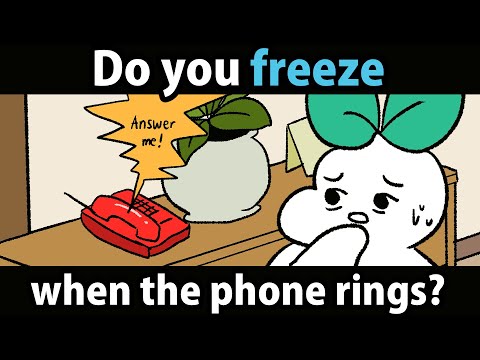
The Lesser-Known Behaviors Due To Your Trauma (Freeze)
0
VoiceTube posted on 2025/04/17Ever feel like freezing up in social situations? This video dives into the surprising 'freeze response' linked to trauma, explaining how it affects things like eye contact and can lead to hypervigilance. You'll pick up practical insights and advanced vocabulary to better understand yourself and others!
Learn this video on the APP!
The VoiceTube App has more in-depth practice for videos!