Vocabulary
- have to: Must do
- in the world: Used to emphasize a question expressing surprise, confusion, or disbelief.
- at least: As a minimum
- got to: To arrive at some place
- as well as: Also; in addition to
- figure out: To understand the behavior of someone
- based on: To use something as the foundation or starting point for something else.
- show up: To arrive or be seen at a place, e.g. a party
- for example: As an illustration or instance.
- threat to: A person or thing likely to cause damage or danger.
- along with: In addition to; together with.
- on to: Toward something; forward
- in a sense: In one way of thinking; to some extent; in some ways.
- episode: One separate event in a series of events
- chronic: Always or often doing something, e.g. lying
- essentially: Basically; (said when stating the basic facts)
- perceive: To notice or become aware of something
- assume: To act in a false manner to mislead others
- determine: To control exactly how something will be or act
- force: Group of persons trained for military action; army
- treat: To pay for the food or enjoyment of someone else
- approximately: Around; nearly; almost; about (a number)
- environment: Natural world in which plants and animals live
- burden: To weigh down with a load; impose a task upon
- detrimental: Harmful
- divide: To split numbers by another number, e.g. 6 / 2 = 3
- establish: To set or create something to last for a long time
- corporate: Concerning (usually large) companies
- inflation: Act of filling something with air or gas
- formula: A mathematical or scientific rule
- charge: To run quickly toward someone to attack them
- rip: To tear or split roughly or cause to tear or split
- pause: To stop doing for a while before continuing
- involve: To have or be included as a part of something
- apply: To spread a substance or liquid over a surface
- retail: Business of selling products to the public
- administration: Act of giving e.g. medicine to a patient
- deficit: Amount less than what is needed or required
- rate: To assess something or consider its qualities
- investment: Something purchased hoping its value will increase
- trade: A specific industry, e.g. shoe making
- economy: Using money, resources in a careful, effective way
- major: High-ranking officer in the army
- accelerate: To cause to occur earlier than expected
- reduce: To try to decrease, e.g. your weight if overweight
- produce: Fresh foods such as fruits and vegetables
- era: Period characterized by particular events, people
- monetary: Concerning a country's economic system
- activity: An action or task, e.g. sports, washing clothes
- tariff: List of fixed prices at hotel
- destruction: Act of destroying; damaging beyond repair
- lot: What happens to a person in life from chance; fate
- uncertainty: Feeling of not really knowing what will happen
- bring: To take or go with someone to a place
- drive: A person's ambition and motivation to do something
- lease: Contract renting land, buildings, etc. to another
- business: A company formed for making profit
- correlate: To have/show the relationship between two things
- gibberish: Unintelligible talking
- unveil: To remove something's outer covering
- diversify: To make or become more varied
- reciprocal: Equal and meeting the needs of both sides
- world: All the humans, events, activities on the earth
- cheat: To be unfaithful to (your wife, boyfriend etc.)
- type: Printed letters or blocks used for printing them
- volatility: Changing from a solid or liquid to a gas
- problem: Something difficult to deal with or causes trouble
- calculate: To find an answer using mathematics
- customize: To make, change according to the user's needs
- shorten: To make something, e.g. a skirt, shorter
- thy: An old-fashioned word for your
Get the full experience in the app
Learn anywhere with detailed sentence and usage analysis
01:03
She took a brave step forward, leaving behind her comfort zone to chase her dreams.
Vocabulary
- brave
adj. Having courage
- comfort zone
phr. A familiar situation where one feels safe
Explanation
a brave step is a noun phrase, where brave is an adjective modifying the noun step, meaning "a courageous step".
forward is an adverb modifying step, meaning "ahead".
The whole phrase serves as the object, answering the "what" of took (verb) — she took a brave step forward.
Get the full experience in the app
Look up words anytime with pronunciation, part of speech, and usage
brave
US/brev/
UK/breɪv/
adj.Brave
v.t.To bravely face
A2 Elementary
Get the full experience in the app
Practice speaking anytime and get instant pronunciation feedback
Try this speaking exercise.
Try practicing with this sentence.
80
0
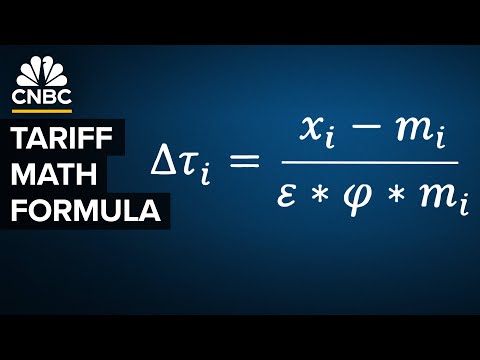
VoiceTube posted on 2025/04/07Ever wondered how tariffs are calculated? This video breaks down the fascinating, and sometimes complex, 'tariff math' behind Trump's trade policies, explaining concepts like trade deficits and business impacts. You'll pick up advanced vocabulary and learn about complex sentence structures used in economic discussions, making it super practical for workplace conversations!
Learn this video on the APP!
The VoiceTube App has more in-depth practice for videos!