
acute
US /əˈkjut/
UK /əˈkju:t/
- Adjective
- (Of an angle in math) of less than 90 degrees
- Strong; very serious or severe
B1Moreaffect
US /əˈfɛkt/
UK /ə'fekt/
- Transitive Verb
- To cause a change in something else
- To pretend to have or feel (something).
- Noun
- (Psychology) Emotion or feeling.
A2TOEICMoreafford
US /əˈfɔrd, əˈford/
UK /ə'fɔ:d/
- Transitive Verb
- To make available, to provide
- To have enough money to pay for something
A2TOEICMoreaid
US /ed/
UK /eɪd/
- Transitive Verb
- To help others and provide things
- Noun (Countable/Uncountable)
- Action of giving help to others
- Money or help given to those who need it
A2TOEICMoreat night
US /æt naɪt/
UK /æt nait/
- Phrase
- During the night; in the nighttime.
A1Morebuddhist
US /'bʊdɪst/
UK /'bʊdɪst/
- Noun
- Someone who follows the teachings of Buddha
C2Moreburial
US /ˈbɛriəl/
UK /ˈberiəl/
- Noun
- Act or ceremony of burying, e.g. of the dead
- A place where a dead body is buried; a grave or tomb.
B1Morecapital
US /ˈkæpɪtl/
UK /'kæpɪtl/
- Noun
- Writing the first letter of a word in big letters
- Official main city of a country, province or state
- Adjective
- Main, or major
- (Of an offense) liable to the death penalty.
A2Morecollapse
US /kəˈlæps/
UK /kə'læps/
- Verb (Transitive/Intransitive)
- To fold (e.g. a stroller) down to make it smaller
- To suddenly fall down or break apart into pieces
- Noun
- The sudden failure of a structure or system.
- The sudden failure of a bodily organ or function.
B1Morecontend
US /kənˈtɛnd/
UK /kən'tend/
- Verb (Transitive/Intransitive)
- To struggle or compete for
- To argue or state something in a strong way
B2TOEICMorecriticize
US /ˈkrɪtɪˌsaɪz/
UK /ˈkrɪtɪsaɪz/
- Transitive Verb
- To assess the work of others
- To say that someone or something is bad
B1Moredestruction
US /dɪˈstrʌkʃən/
UK /dɪ'strʌkʃn/
- Noun
- Act of destroying; damaging beyond repair
- The state of being destroyed or ruined.
B1TOEICMoredevastating
US
UK
- Transitive Verb
- To cause extensive destruction or ruin utterly
- Adjective
- Destroying everything; very shocking
- Causing great emotional pain or shock.
B1Moredisaster
US /dɪˈzæstɚ, -ˈsæs-/
UK /dɪ'zɑ:stə(r)/
- Noun (Countable/Uncountable)
- State of extreme ruin and misfortune
- A complete failure.
- Uncountable Noun
- A situation that has gone terribly wrong.
A2Moredue to
US /du tu/
UK /dju: tu:/
- Preposition
- Because of; owing to
- Adjective
- Attributable to; caused by.
A1Moreemerge
US /ɪˈmɚdʒ/
UK /ɪ'mɜ:dʒ/
- Intransitive Verb
- To rise or appear out of some background
- To become known or apparent.
A2TOEICMoreemergency
US /ɪˈmɚdʒənsi/
UK /ɪ'mɜ:dʒənsɪ/
- Noun (Countable/Uncountable)
- Sudden event needing an immediate action
- A medical condition manifesting itself by acute symptoms of sufficient severity such that the absence of immediate medical attention could reasonably be expected to result in placing the patient's health in serious jeopardy.
- Adjective
- Used in an emergency; for use when something dangerous happens.
- Designed for use in an emergency.
A2TOEICMoreexhausting
US /ɪɡˈzɔstɪŋ/
UK /ɪgˈzɔ:stɪŋ/
- Transitive Verb
- To emit gas from the back of a car
- To make a person feel very tired or without energy
- Adjective
- Very very tiring
A2Morefeel right
US
UK
- Intransitive Verb
- To seem correct or appropriate; to give a sense of being morally or ethically sound.
A1Moreflow
US /flo/
UK /fləʊ/
- Intransitive Verb
- To move steadily and easily in a certain direction
- Uncountable Noun
- Amount of something that moves through an area
A2Morefortune
US /ˈfɔrtʃən/
UK /'fɔ:tʃu:n/
- Noun (Countable/Uncountable)
- What might happen to you in the future
- Chance or luck, particularly good luck
- Transitive Verb
- To bring good fortune to.
B1TOEICMorefreedom
US /ˈfridəm/
UK /'fri:dəm/
- Uncountable Noun
- State of being free, not being controlled
B1Morehave to
US /hæv tu/
UK /ˈhæv tə/
- Auxiliary Verb
- Must do
A1Morehorror
US /ˈhɔrɚ, ˈhɑr-/
UK /ˈhɒrə(r)/
- Noun (Countable/Uncountable)
- Feeling of great shock or fear; thing causing it
B1Morehut
US /hʌt/
UK /hʌt/
- Countable Noun
- Small and simple building
B1Morein ruins
US
UK
- Phrase
- Reduced to a state of destruction or disrepair.
- Having suffered a catastrophic setback or failure.
A1Morein the air
US
UK
- Phrase
- Present or circulating in the atmosphere.
- Felt or sensed by many people; circulating as a rumor or feeling.
- Adjective
- Being broadcast on radio or television.
A1Morein the open
US /ɪn ði ˈopən/
UK /in ðə ˈəupən/
- Phrase
- Publicly; not secret.
- Outdoors; not inside a building or covered space.
A1Morejunta
US /ˈdʒʌntə/
UK /ˈhʊntə/
- Countable Noun
- Military group that seized control of a country
C1Morelaunch
US /lɔntʃ, lɑntʃ/
UK /lɔ:ntʃ/
- Noun
- Starting a new project; introducing new product
- Act of firing rockets into the air
- Transitive Verb
- To start a new project; start selling a product
- To put a rocket into the air
A2TOEICMorelook at
US /lʊk æt/
UK /luk æt/
- Phrasal Verb
- To use your eyes to focus on something
- To focus your eyes on something carefully
A1Moremagnitude
US /ˈmæɡnɪˌtud, -ˌtjud/
UK /ˈmægnɪtju:d/
- Noun
- Number representing force of an earthquake
- Size or importance
B2Moremilitary
US /ˈmɪlɪˌtɛri/
UK /'mɪlətrɪ/
- Noun
- Army or armed forces
- Adjective
- Concerning the army or navy
B1Moremonastery
US /ˈmɑ:nəsteri/
UK /ˈmɒnəstri/
- Countable Noun
- Place where monks live
B2Morenephew
US /ˈnɛfju/
UK /ˈnefju:/
- Countable Noun
- Son of your brother or sister
B1Moreoutside of
US /aʊtˈsaɪd ʌv/
UK /ˌautˈsaid ɔv/
- Preposition
- Located or situated beyond the boundaries or confines of something.
- Beyond the scope, range, or limits of something.
A1Morepace
US /pes/
UK /peɪs/
- Noun (Countable/Uncountable)
- Rate of speed at which something moves or happens
- Single step, often used to measure a distance
- Verb (Transitive/Intransitive)
- To set and control your speed, as in a race
- To walk with slow purposeful steps
A2Morerebel
US / rɪˈbɛl/
UK /'rebl/
- Noun (Countable/Uncountable)
- Person who fights against established government
- Person who insists on doing things their way
- Verb (Transitive/Intransitive)
- To fight against an established government/power
- To resist and fight against existing authority
B1Morerescue
US /ˈrɛskju/
UK /'reskju:/
- Transitive Verb
- To save someone who is in danger or in trouble
- To provide financial assistance to save a company or economy from collapse.
- Noun (Countable/Uncountable)
- Act of saving someone in danger or in trouble
- An act of saving someone or something from a dangerous or difficult situation.
A2TOEICMoreresidential
US /ˌrɛzɪˈdɛnʃəl/
UK /ˌrezɪˈdenʃl/
- Adjective
- Concerning patients staying in a hospital
- Being used for private homes
B1TOEICMorerubble
US /ˈrʌbəl/
UK /ˈrʌbl/
- Uncountable Noun
- Rough, broken stones from destroyed building
B2Morescale
US /skel/
UK /skeɪl/
- Noun (Countable/Uncountable)
- Size, level, or amount when compared
- Small hard plates that cover the body of fish
- Verb (Transitive/Intransitive)
- To change the size of but keep the proportions
- To climb something large (e.g. a mountain)
A2TOEICMoreslum
US /slʌm/
UK /slʌm/
- Noun
- Poor section of a city with poor quality houses
- Intransitive Verb
- To spend time in less good place or conditions
B2Morespeak to
US /spik tu/
UK /spi:k tu:/
- Verb (Transitive/Intransitive)
- To address or communicate with someone.
- To indicate or suggest something; to be relevant to.
A1Moresplit up
US /splɪt ʌp/
UK /split ʌp/
- Phrasal Verb
- To break up your marriage or relationship
- To divide something into smaller parts.
- Noun
- A termination of a romantic relationship
A2Morestretch
US /strɛtʃ/
UK /stretʃ/
- Verb (Transitive/Intransitive)
- To make your arm, leg muscles long to ease them
- To make something bigger by pulling on it
- Noun
- Making arm, leg muscles longer to ease them
- A consecutive row of things
A2TOEICMorestrike
US /straɪk/
UK /straɪk/
- Transitive Verb
- To hit something
- To remove or erase.
- Noun (Countable/Uncountable)
- A punch or hit
- Fact of not hitting the ball when playing baseball
A2TOEICMoretoll
US /tol/
UK /təʊl/
- Noun (Countable/Uncountable)
- Sound that a big bell makes, when it is rung
- Number of people hurt or killed in a disaster
- Intransitive Verb
- (Bell) to ring in a slow, loud and repeated way
B2TOEICMoretragedy
US /ˈtrædʒɪdi/
UK /'trædʒədɪ/
- Noun
- Play that has a sad ending with many deaths
- Very sad event that usually involves death
B1Moretremor
US /ˈtrɛmɚ/
UK /ˈtremə(r)/
- Noun
- Trembling/shaking from body weakness, stress, etc.
C1More
Vocabulary
- outside of: Located or situated beyond the boundaries or confines of something.
- in ruins: Reduced to a state of destruction or disrepair.
- in the open: Publicly; not secret.
- in the air: Present or circulating in the atmosphere.
- speak to: To address or communicate with someone.
- due to: Because of; owing to
- at night: During the night; in the nighttime.
- have to: Must do
- split up: To break up your marriage or relationship
- feel right: To seem correct or appropriate; to give a sense of being morally or ethically sound.
- look at: To use your eyes to focus on something
- stretch: To make your arm, leg muscles long to ease them
- devastating: To cause extensive destruction or ruin utterly
- scale: Size, level, or amount when compared
- completely: In every way or as much as possible
- treat: To pay for the food or enjoyment of someone else
- strike: To hit something
- fear: Unpleasant feeling caused by being aware of danger
- military: Army or armed forces
- collapse: To fold (e.g. a stroller) down to make it smaller
- affect: To cause a change in something else
- toll: Sound that a big bell makes, when it is rung
- afford: To make available, to provide
- capital: Writing the first letter of a word in big letters
- disaster: State of extreme ruin and misfortune
- emerge: To rise or appear out of some background
- launch: Starting a new project; introducing new product
- account: An advantage
- rebel: Person who fights against established government
- aid: To help others and provide things
- tragedy: Play that has a sad ending with many deaths
- pace: Rate of speed at which something moves or happens
- fortune: What might happen to you in the future
- ground: To break (coffee, etc.) into tiny bits with machine
- emergency: Sudden event needing an immediate action
- magnitude: Number representing force of an earthquake
- acute: (Of an angle in math) of less than 90 degrees
- criticize: To assess the work of others
- rescue: To save someone who is in danger or in trouble
- haven: Place where people can feel safe and happy
- exhausting: To emit gas from the back of a car
- destruction: Act of destroying; damaging beyond repair
- flow: To move steadily and easily in a certain direction
- sign: Indication that something exists or will happen
- operate: To control or handle something, such as a machine
- continue: To do something without stopping, or after pausing
- staff: Employees of a company
- horror: Feeling of great shock or fear; thing causing it
- contend: To struggle or compete for
- residential: Concerning patients staying in a hospital
- nephew: Son of your brother or sister
- work: The product of some artistic or literary endeavor
- freedom: State of being free, not being controlled
- tremor: Trembling/shaking from body weakness, stress, etc.
- stay: To keep trying without giving up
- international: Of or relating to several countries
- people: Persons sharing culture, country, background, etc.
- rubble: Rough, broken stones from destroyed building
- buddhist: Someone who follows the teachings of Buddha
- slum: Poor section of a city with poor quality houses
- burial: Act or ceremony of burying, e.g. of the dead
- close: Almost; near
- hut: Small and simple building
- monastery: Place where monks live
- junta: Military group that seized control of a country
Get the full experience in the app
Learn anywhere with detailed sentence and usage analysis
01:03
She took a brave step forward, leaving behind her comfort zone to chase her dreams.
Vocabulary
- brave
adj. Having courage
- comfort zone
phr. A familiar situation where one feels safe
Explanation
a brave step is a noun phrase, where brave is an adjective modifying the noun step, meaning "a courageous step".
forward is an adverb modifying step, meaning "ahead".
The whole phrase serves as the object, answering the "what" of took (verb) — she took a brave step forward.
Get the full experience in the app
Look up words anytime with pronunciation, part of speech, and usage
brave
US/brev/
UK/breɪv/
adj.Brave
v.t.To bravely face
A2 Elementary
Get the full experience in the app
Practice speaking anytime and get instant pronunciation feedback
Try this speaking exercise.
Try practicing with this sentence.
80
0
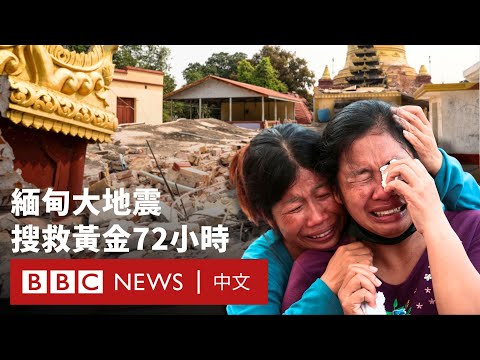
xjv22844 posted on 2025/03/31Dive into the urgent aftermath of the Myanmar earthquake with this BBC News report! You'll get a clear picture of the slow search and rescue efforts, the impact of the Myanmar junta's actions, and the challenges faced by displaced families, all while picking up key vocabulary related to natural disasters and international affairs.
Learn this video on the APP!
The VoiceTube App has more in-depth practice for videos!