
abandon
US /əˈbændən/
UK /ə'bændən/
- Transitive Verb
- To discard or intentionally get rid of an item
- To withdraw your support, or leave someone
- Uncountable Noun
- Wild, carefree behavior
B1Moreas such
US /æz sʌtʃ/
UK /æz sʌtʃ/
- Pronoun
- Something previously stated or understood
A1Moreat war
US /æt wɔr/
UK /æt wɔ:/
- Phrase
- Engaged in a war; fighting
A2Morecaptain
US /ˈkæptən/
UK /'kæptɪn/
- Noun
- Title of a senior officer in the military
- Person in charge of a team, a ship or an airplane
- Transitive Verb
- To be in charge of a team, ship or airplane
B1Moreclaim
US /klem/
UK /kleɪm/
- Noun (Countable/Uncountable)
- To say that something is true, often without proof.
- A statement that something is true.
- Transitive Verb
- To demand or ask for something that you believe is rightfully yours.
- To take or cause the loss of (e.g., a life, property).
A2Morecolonial
US /kəˈloʊniəl/
UK /kəˈləʊniəl/
- Adjective
- Of a system where one country controls another
B2Morecolony
US /ˈkɑləni/
UK /'kɒlənɪ/
- Noun (Countable/Uncountable)
- Group (bees, etc.) that live in the same place
- Country/settlement controlled by another country
B2Moreconfederation
US /kənˌfɛdəˈreʃən/
UK /kənˌfedəˈreɪʃn/
- Noun (Countable/Uncountable)
- Union of political organizations
B2Moreconquer
US /ˈkɑŋkɚ/
UK /'kɒŋkə(r)/
- Transitive Verb
- To take possession of (land, city) with an army
- To beat something difficult, e.g. a fear; overcome
B2Moredecline
US /dɪˈklaɪn/
UK /dɪ'klaɪn/
- Intransitive Verb
- To bend towards the ground
- To slope downward.
- Verb (Transitive/Intransitive)
- To lessen in quality or value
A2TOEICMoredefeat
US /dɪˈfit/
UK /dɪ'fi:t/
- Transitive Verb
- To beat an enemy, team, disease
- To prevent something from succeeding.
- Noun
- When you lose a fight, game or competition
- The feeling of having been beaten.
B1Moredefense
US /dɪˈfɛns/
UK /dɪ'fens/
- Noun (Countable/Uncountable)
- Argument in support of something
- The process of protecting something from attack
B1TOEICMoreempire
US /ˈɛmˌpaɪr/
UK /ˈempaɪə(r)/
- Countable Noun
- Group of countries controlled by one government
- A large and important business or group of businesses owned by one person or company.
- Adjective
- A style of dress with a high waistline, just below the bust.
B1Moreenemy
US /ˈɛnəmi/
UK /ˈenəmi/
- Noun
- Something that stops you doing what you want
- Group, or people, you are opposed to
A2Moreexile
US /ˈɛɡˌzaɪl, ˈɛkˌsaɪl/
UK /'eksaɪl/
- Uncountable Noun
- State of being forced to leave your country
- Transitive Verb
- One forced to leave their home and live elsewhere
B2Moreexistence
US /ɪɡˈzɪstəns/
UK /ɪɡ'zɪstəns/
- Uncountable Noun
- State of being present, alive or real
- A way of living; the manner in which someone lives.
A2TOEICMoreexplore
US /ɪkˈsplɔr/
UK /ɪk'splɔ:(r)/
- Transitive Verb
- To examine something in detail to learn about it
- To travel to a place to discover more about it
A2TOEICMoregive up
US /ɡɪv ʌp/
UK /ɡiv ʌp/
- Phrasal Verb
- To lose hope or admit defeat
- To decide to not start to try solving a problem
A1Morehockey
US /ˈhɑ:ki/
UK /ˈhɒki/
- Uncountable Noun
- Sport played on a field with sticks and a ball
B1Morein return
US /ɪn rɪˈtɚn/
UK /in riˈtə:n/
- Adverb
- As a reciprocal action or gesture; in exchange or repayment.
- Phrase
- As compensation or consideration for something.
- As a reaction or response to something.
A1Moreindependent
US /ˌɪndɪˈpɛndənt/
UK /ˌɪndɪˈpendənt/
- Adjective
- Making your own decisions; acting by yourself
- Not connected with or influenced by something else.
- Noun
- A person not connected to a political party
- Someone who is independent, especially in politics or business.
A2TOEICMoremerge with
US /mɚdʒ wɪð/
UK /mə:dʒ wið/
- Phrasal Verb
- To combine or blend together into a single entity.
C2Moreminimal
US /ˈmɪnəməl/
UK /ˈmɪnɪməl/
- Adjective
- The smallest possible; least
- Very basic or simple; characterized by the use of only basic elements
B1Morenegotiate
US /nɪˈgoʊʃieɪt/
UK /nɪˈgəʊʃieɪt/
- Verb (Transitive/Intransitive)
- To have a formal discussion to reach an agreement
- To manage a difficult task or path successfully
B1TOEICMorepotential
US /pəˈtɛnʃəl/
UK /pəˈtenʃl/
- Adjective
- Capable of happening or becoming reality
- Having or showing the capacity to develop into something in the future.
- Uncountable Noun
- someone's or something's ability to develop, achieve, or succeed
A2TOEICMoreprecedent
US /ˈprɛsɪdənt/
UK /ˈpresɪdənt/
- Countable Noun
- A similar action happening before now
B1Morepresence
US /ˈprɛzəns/
UK /ˈprezns/
- Noun
- The same place or area that a person is
- Ability to reach a market, group of people etc.
A2Moreprimarily
US /praɪˈmɛrəli, -ˈmɛr-/
UK /praɪˈmerəli/
- Adverb
- In the most basic or important way
A2TOEICMorepromptly
US /ˈprɑ:mptli/
UK /ˈprɒmptli/
- Adverb
- At a particular or expected time; right on time
- Without delay; quickly.
B1Moreproposal
US /prəˈpozəl/
UK /prəˈpəʊzl/
- Noun
- Act of asking someone to marry you
- Offer or plan to people who can decide about it
B1TOEICMoreregion
US /ˈridʒən/
UK /'ri:dʒən/
- Noun (Countable/Uncountable)
- Part of a country, of the world, area, etc.
- A part of the body
A2TOEICMoreretain
US /rɪˈten/
UK /rɪ'teɪn/
- Transitive Verb
- To continue to have or use; keep the quality of
- To keep one thing inside another for a time
A2Morereverse
US /rɪˈvɚs/
UK /rɪ'vɜ:s/
- Noun
- Setting that makes the vehicle go backward
- Instance of a significant change, for the worse
- Verb (Transitive/Intransitive)
- To drive a vehicle backward
- To change to an opposite state, way or condition
B1TOEICMorerevolutionary
US /ˌrɛvəˈluʃəˌnɛri/
UK /ˌrevə'lu:ʃənərɪ/
- Adjective
- Marking a significant change in something
- Relating to a violent replacement of a government
- Countable Noun
- Person fighting to replace a government
B2Morerid
US /rɪd/
UK /rɪd/
- Transitive Verb
- To cause to no longer have (pest, problem)
- Adjective
- Freed or delivered from something.
A2Moreseek
US /sik/
UK /si:k/
- Transitive Verb
- To ask someone for help
- To search for; try to find or do; look for
A2TOEICMoreseize
US /siz/
UK /si:z/
- Transitive Verb
- To take a place with force, as by military action
- To arrest or catch someone
B1Morespin
US /spɪn/
UK /spɪn/
- Verb (Transitive/Intransitive)
- To make a ball rotate when throwing it
- To move something in a rapid turning motion
- Intransitive Verb
- To feel dizzy/confused, as in my head is spinning
B1Morespite
US /spaɪt/
UK /spaɪt/
- Uncountable Noun
- Wish to hurt another person; malice; maliciousness
- Transitive Verb
- To deliberately annoy or frustrate someone
B2Morespot
US /spɑt/
UK /spɒt/
- Noun
- A certain place or area
- A difficult time; awkward situation
- Transitive Verb
- To see someone or something by chance
A2TOEICMoreswan
US /swɑn/
UK /swɒn/
- Noun
- Large white water bird with a long graceful neck
B2Moreswap
US /swɑp/
UK /swɒp/
- Transitive Verb
- To exchange goods without spending money; trade
- Noun
- A trade or exchange of goods without using money
B2TOEICMorethanks to
US /θæŋks tu/
UK /θæŋks tu:/
- Preposition
- Because of; as a result of.
A1Moreto do with
US
UK
- Phrasal Verb
- To be about something; concern
A1Moretrade
US /treid/
UK /treɪd/
- Noun (Countable/Uncountable)
- A specific industry, e.g. shoe making
- Action of buying and selling things in business
- Transitive Verb
- To buy, sell and exchange goods in business
- To give something in return for something else
A2TOEICMoretrade in
US /treid ɪn/
UK /treid in/
- Phrasal Verb
- To give something as part of the payment for something else.
B1Moreunification
US /ˌju:nɪfɪ'keɪʃn/
UK /ˌju:nɪfɪ'keɪʃn/
- Uncountable Noun
- The state of being joined or united or linked
C2Morewithdraw
US /wɪðˈdrɔ, wɪθ-/
UK /wɪð'drɔ:/
- Verb (Transitive/Intransitive)
- To take money out of a bank account
- To pull back; move away or backward from something
B1TOEICMore
Vocabulary
- as such: Something previously stated or understood
- in return: As a reciprocal action or gesture; in exchange or repayment.
- at war: Engaged in a war; fighting
- trade in: To give something as part of the payment for something else.
- to do with: To be about something; concern
- merge with: To combine or blend together into a single entity.
- give up: To lose hope or admit defeat
- thanks to: Because of; as a result of.
- potential: Capable of happening or becoming reality
- matter: To be of great importance; to count
- presence: The same place or area that a person is
- spot: A certain place or area
- rid: To cause to no longer have (pest, problem)
- fear: Unpleasant feeling caused by being aware of danger
- claim: To say that something is true, often without proof.
- decline: To bend towards the ground
- conquer: To take possession of (land, city) with an army
- explore: To examine something in detail to learn about it
- existence: State of being present, alive or real
- reverse: Setting that makes the vehicle go backward
- deal: To cope with something - usually troubles
- region: Part of a country, of the world, area, etc.
- form: Sports team or person's current winning record
- retain: To continue to have or use; keep the quality of
- independent: Making your own decisions; acting by yourself
- seek: To ask someone for help
- primarily: In the most basic or important way
- swap: To exchange goods without spending money; trade
- spin: To make a ball rotate when throwing it
- trade: A specific industry, e.g. shoe making
- defeat: To beat an enemy, team, disease
- abandon: To discard or intentionally get rid of an item
- suggest: To mention something that could be done; propose
- discuss: To talk about seriously or in great detail
- enemy: Something that stops you doing what you want
- withdraw: To take money out of a bank account
- defense: Argument in support of something
- colony: Group (bees, etc.) that live in the same place
- revolutionary: Marking a significant change in something
- century: Period of 100 years
- british: Concerning the culture and people of British
- seize: To take a place with force, as by military action
- government: Group of people and system that rule a nation
- proposal: Act of asking someone to marry you
- point: An item to be discussed
- exile: State of being forced to leave your country
- precedent: A similar action happening before now
- negotiate: To have a formal discussion to reach an agreement
- captain: Title of a senior officer in the military
- colonial: Of a system where one country controls another
- empire: Group of countries controlled by one government
- hockey: Sport played on a field with sticks and a ball
- nation: Area or region controlled by a government and army
- portuguese: Concerning the culture and people of Portugal
- part: Division of a book
- annoy: To make someone angry
- return: To hit something back to the other player or team
- minimal: The smallest possible; least
- spite: Wish to hurt another person; malice; maliciousness
- promptly: At a particular or expected time; right on time
- unification: The state of being joined or united or linked
- swan: Large white water bird with a long graceful neck
- confederation: Union of political organizations
Get the full experience in the app
Learn anywhere with detailed sentence and usage analysis
01:03
She took a brave step forward, leaving behind her comfort zone to chase her dreams.
Vocabulary
- brave
adj. Having courage
- comfort zone
phr. A familiar situation where one feels safe
Explanation
a brave step is a noun phrase, where brave is an adjective modifying the noun step, meaning "a courageous step".
forward is an adverb modifying step, meaning "ahead".
The whole phrase serves as the object, answering the "what" of took (verb) — she took a brave step forward.
Get the full experience in the app
Look up words anytime with pronunciation, part of speech, and usage
brave
US/brev/
UK/breɪv/
adj.Brave
v.t.To bravely face
A2 Elementary
Get the full experience in the app
Practice speaking anytime and get instant pronunciation feedback
Try this speaking exercise.
Try practicing with this sentence.
80
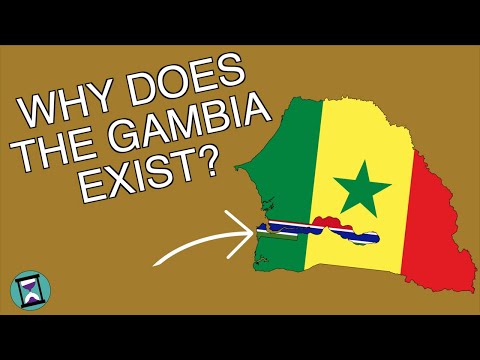
Why does The Gambia exist? (Short Animated Documentary)
0
VoiceTube posted on 2025/03/21Ever wondered how The Gambia got its unique shape? This animated documentary dives deep into the fascinating history of colonial borders and the Senegambian Confederation, perfect for history buffs! You'll pick up advanced vocabulary and gain cultural depth while exploring the intricate past of this West African nation.
Learn this video on the APP!
The VoiceTube App has more in-depth practice for videos!